Stepping onto the global stage of the Olympic Games as an independent traveler requires a strategic approach, deep personal motivation, and financial preparation, particularly as international sporting events grow increasingly complex to navigate. For seasoned globetrotters and sports enthusiasts alike, volunteering offers a rare behind-the-scenes vantage point of the world’s most prestigious athletic competition. Drawing from recent operational frameworks observed during major international winter games and looking forward to upcoming cycles such as the Los Angeles 2028 Olympic and Paralympic Games (LA28) and France 2030, prospective volunteers must master a multi-layered application, interview, and deployment process.
The journey to becoming an official Olympic volunteer begins months—and sometimes over a year—before the Opening Ceremony. Host organizing committees deploy rigorous vetting procedures designed to handle tens of thousands of applicants for roles spanning guest services, media operations, athlete transportation, and venue management. While linguistic fluency in multiple languages or elite athletic backgrounds are not mandatory prerequisites, candidates must articulate a compelling personal narrative. Selection panels prioritize individuals who demonstrate a profound connection to the Olympic Movement, a resilient customer-service mindset, and the interpersonal adaptability required to thrive in high-pressure, multicultural environments.
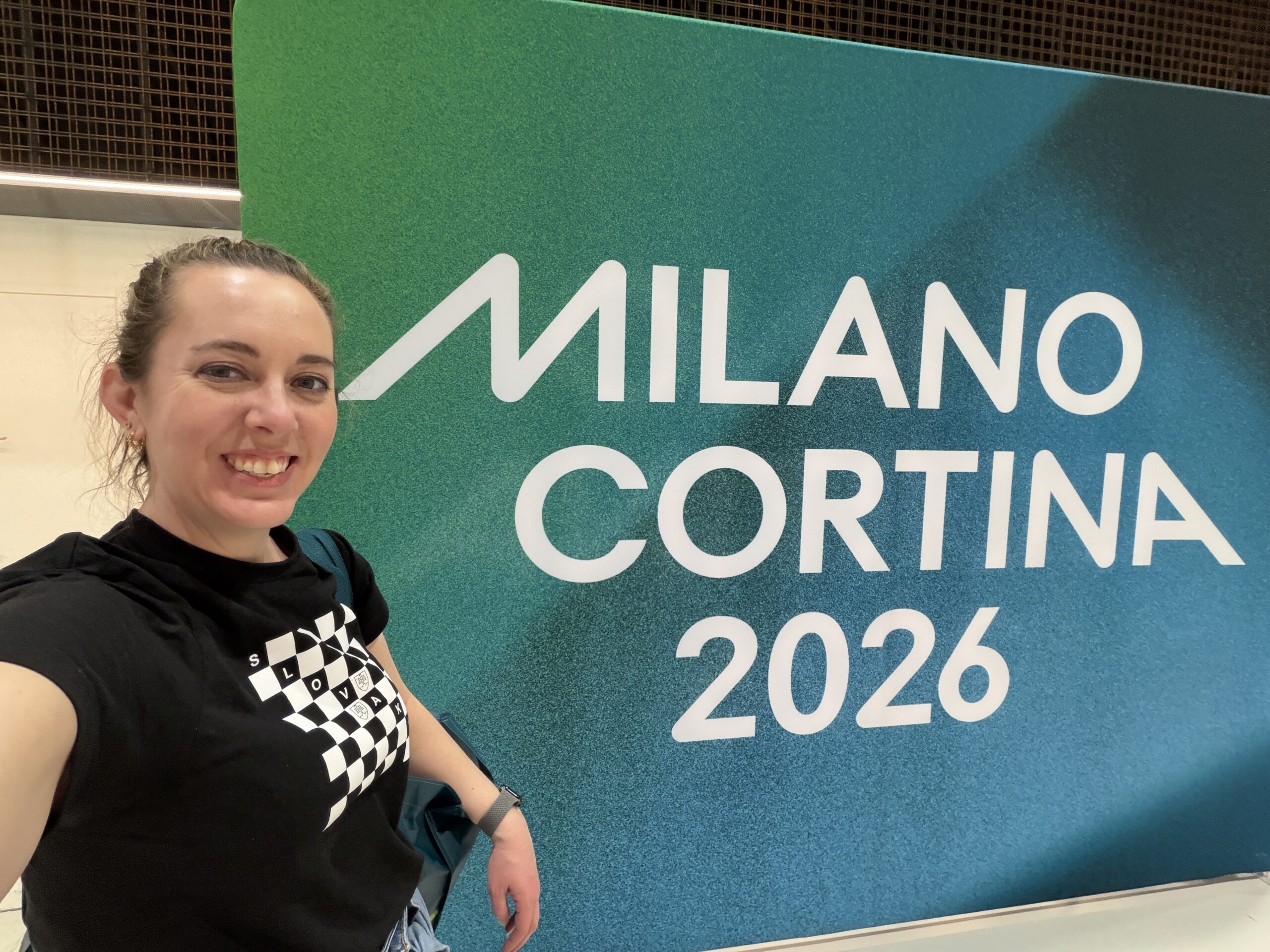
Following the initial resume-style screening submission, successful candidates advance to structured virtual interview phases. These assessments typically evaluate situational judgment, cultural sensitivity, and reliability. A unique operational nuance within Olympic staffing is the designation of "reserve volunteers." Serving essentially as a bench team, these applicants are conditionally accepted but not immediately assigned to a definitive operational roster. Reserves are frequently activated to fill sudden staffing gaps anywhere from two months to two weeks before the commencement of the games. Consequently, candidates holding reserve status must maintain flexible travel itineraries and financial readiness to mobilize at short notice.
Once officially deployed, a volunteer’s daily routine mirrors professional employment within a fast-paced corporate or logistical enterprise. During recent winter games held across Northern Italy, approximately 18,000 volunteers were distributed across multiple host cities and cluster venues. Shifts typically average seven hours, structured around mandatory check-ins, meal voucher allocations, and specific station assignments. Responsibilities can vary dramatically from day to day—transitioning from passive venue monitoring and athlete assistance to active administrative tasks within credentialing and guest pass centers.
Despite the prestigious nature of the assignment, the financial reality of Olympic volunteering demands careful budgeting. Host committees generally provide comprehensive uniform packages—including heavy-duty winter outerwear, technical trousers, footwear, and accessories—alongside localized public transit passes and one meal per completed shift. However, all major travel expenditures, including international airfare, regional rail transit, and long-term lodging, remain the sole financial responsibility of the individual.

For solo travelers, these logistical and financial burdens are magnified by the absence of shared accommodation costs. Navigating high-demand host cities independently requires early booking strategies or alternative lodging solutions, such as home-sitting arrangements or collaborative housing networks organized through peer-to-peer travel communities and social media groups. Nevertheless, solo participants often find that the insular nature of volunteer cohorts—frequently numbering in the dozens per team—rapidly mitigates initial isolation, fostering international friendships and professional networking opportunities within days of arrival.
Economic Implications and Broader Tourism Impacts
The influx of thousands of international volunteers creates distinct economic ripples within host regions. While volunteers provide indispensable labor that keeps multi-billion-dollar athletic operations running smoothly, they also contribute significantly to local consumer economies through extended stays, dining, and cultural tourism. Analysts note that volunteer tourism represents a growing sector of the broader travel industry, wherein participants are willing to absorb high out-of-pocket expenses in exchange for distinctive cultural capital and experiential engagement.
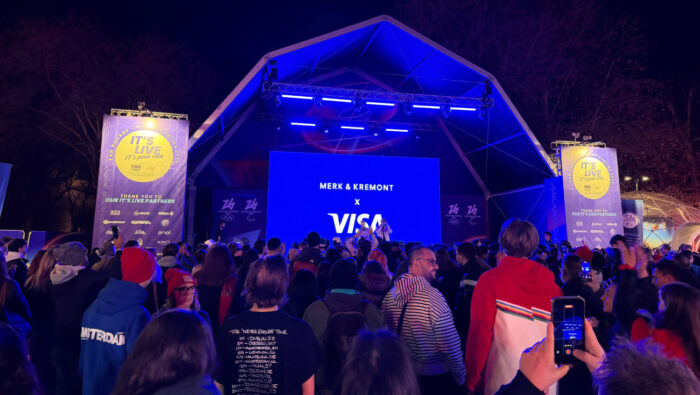
Furthermore, host city infrastructure experiences profound transformation during Olympic cycles. Public transportation networks, urban renewal projects, and security apparatuses are stress-tested by the simultaneous arrival of athletes, media, spectators, and support personnel. Volunteers act as the critical human bridge between the organizing committee and the local populace, often defusing logistical bottlenecks and enhancing visitor experiences through direct community interaction.
Looking Ahead: Opportunities at LA28 and France 2030
As preparations ramp up for future iterations of the Games, including LA28 and the subsequent Winter Games in the French Alps (France 2030), organizing committees have initiated aggressive recruitment campaigns. The application portal for LA28 volunteer positions is currently active, drawing global interest from individuals seeking to engage with the American-hosted Games.
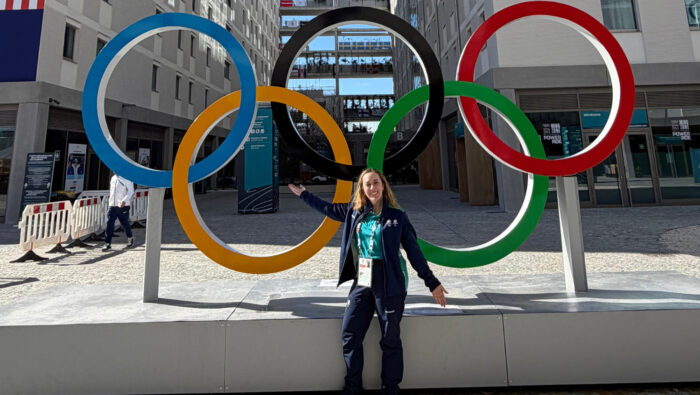
Experts advise prospective applicants to apply early, given the high volume of anticipated submissions and the strict capacity limits of venue-specific departments. Furthermore, because metropolitan areas like Los Angeles present significant cost-of-living challenges, independent travelers are urged to factor comprehensive travel insurance, extended lodging expenses, and currency fluctuations into their planning horizons.
Ultimately, volunteering at the Olympic Games transcends traditional tourism. It offers an immersive, participatory role in international sports history. While demanding in terms of time, personal flexibility, and financial investment, the experience yields tangible rewards: exclusive memorabilia, cross-cultural collaboration, and a rare insider’s perspective on the world’s most unifying athletic tradition.