The transformation of backcountry cooking over the past two decades marks a significant shift in outdoor recreation culture, moving away from rustic, survival-based food preparation toward efficient, gourmet-adjacent camp dining. For generations, traditional camping meals were characterized by logistical challenges: damp firewood, unpredictable campfires, and minimalist cooking utensils that often resulted in charred food and instant coffee. However, a convergence of improved manufacturing technologies, shifting environmental regulations regarding wood burning, and an increasing consumer demand for comfort has redefined the modern campsite kitchen.
Today’s campgrounds exhibit a culinary landscape vastly different from that of the late 20th century. Campers routinely utilize multi-burner propane stoves, precision flat-top griddles, and portable refrigeration units to prepare complex meals. This evolution reflects a broader trend in outdoor tourism, where participants seek the psychological benefits of nature without sacrificing basic domestic comforts. Industry analysts note that this shift has expanded the demographics of camping, encouraging older adults and families with young children to participate in outdoor recreation who might otherwise have been deterred by the physical hardships of traditional primitive camping.

The Technological Shift: From Woodsmoke to Propane Efficiency
The historical reliance on open campfires and liquid-fuel white gas stoves presented substantial operational hurdles. Following a strenuous day of hiking, kayaking, or long-distance driving, campers frequently faced the tedious task of gathering dry kindling and managing reluctant embers—a process that could delay dinner by an hour or more.
In response to these inefficiencies, propane has emerged as the dominant fuel source across North American campgrounds, preferred by recreational vehicle (RV) users, overlanders, and tent campers alike. The operational appeal of propane lies in its predictability. By utilizing regulated gas pressure, modern camping stoves deliver consistent thermal output regardless of altitude or ambient humidity, eliminating the variables associated with wood and traditional liquid fuels.
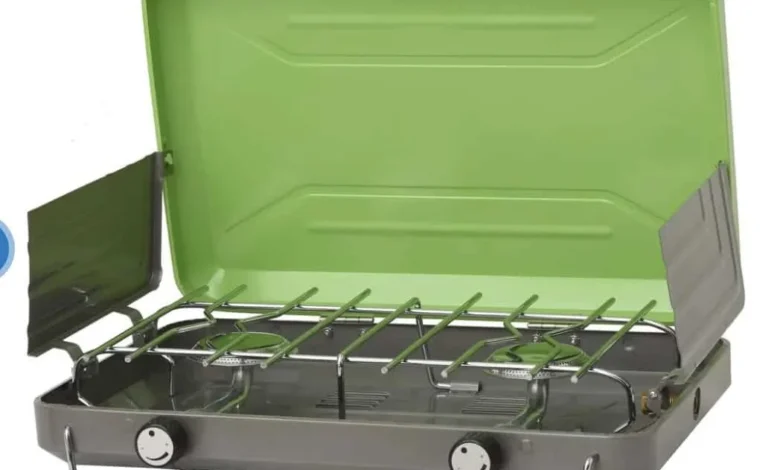
Market data from outdoor gear manufacturers indicates a steady year-over-year increase in the adoption of dual-burner propane stoves and portable flat-top griddles. These appliances allow for simultaneous food preparation—such as boiling water for coffee while frying proteins—mirroring the functionality of a residential kitchen. Furthermore, the standardization of propane as a multi-use fuel source has streamlined camp logistics. A single fuel cylinder can often power stoves, lanterns, portable heaters, and auxiliary fire pits, significantly reducing the weight and volume of gear that travelers must haul into remote areas.

Environmental Pressures and the Rise of Propane Fire Pits
While the traditional wood-burning campfire remains an iconic symbol of outdoor recreation, its practical application has faced mounting regulatory and environmental challenges. Over the past decade, severe droughts, expanding wildfire risks, and the proliferation of invasive forest pests—such as the emerald ash borer—have led land management agencies to implement strict firewood protocols.
Federal, state, and provincial parks across North America frequently enforce seasonal fire bans or prohibit campers from transporting firewood across county and state lines. These measures are designed to prevent the accidental introduction of destructive insects that threaten forest ecosystems. Consequently, campers have increasingly turned to propane-fueled fire pits as a compliant alternative.
Propane fire pits offer several distinct operational advantages over wood fires. By eliminating particulate smoke, these units mitigate common camp nuisances, such as smoke inhalation and clothing odor, while removing the safety hazards associated with flying embers. More importantly, during periods of moderate fire restrictions, land management agencies frequently permit the use of enclosed propane appliances equipped with shut-off valves, provided they are operated within designated areas.

Industry experts emphasize that while propane fire pits do not entirely replicate the crackling sound and aroma of seasoned hardwood, they successfully preserve the primary cultural function of the campfire: providing a centralized gathering space for social interaction and warmth after sunset.
Sustainability Challenges and the Transition to Refillable Cylinders
The widespread adoption of portable propane has introduced a significant environmental concern regarding single-use waste. For decades, the standard green one-pound disposable steel cylinder has been a staple of the camping market. Industry estimates suggest that millions of these pressurized containers are consumed and discarded annually in the United States alone.
Because of residual gas pressure and complex multi-material construction, standard municipal waste facilities frequently reject disposable propane canisters. Consequently, millions end up in landfills or, worse, pose explosive hazards when improperly discarded in standard recycling streams. This waste management crisis has prompted a concerted push toward sustainability within the outdoor gear sector.

In response, manufacturers have introduced certified refillable one-pound steel and aluminum cylinders, accompanied by specialized home-refilling adapters. These systems allow users to safely transfer propane from standard 20-pound barbecue tanks into smaller, portable containers.
Environmental analysts and consumer advocacy groups have highlighted the long-term economic and ecological benefits of this transition. While the initial investment for a refillable cylinder kit is higher than purchasing a multi-pack of disposables, frequent campers realize a return on investment within a single season through reduced fuel costs. Furthermore, the reduction in single-use metal waste aligns with the "Leave No Trace" ethos that underpins modern outdoor conservation efforts.
Safety authorities, however, emphasize strict adherence to manufacturer guidelines when utilizing refillable systems. Regulatory bodies mandate that only cylinders explicitly certified and labeled as refillable may be refilled; attempting to refill disposable green canisters remains a dangerous practice that violates Department of Transportation regulations and poses severe safety risks.

Ergonomics and Infrastructure: The Modern Camp Kitchen
Beyond fuel sources and cooking appliances, the contemporary camp kitchen incorporates ergonomic design principles borrowed from residential interior architecture. Market trends show increased sales of folding aluminum prep tables, wind-blocking baffles, and integrated fuel-level gauges. These accessories address common logistical pain points, such as food contamination risks associated with ground-level food preparation and unexpected fuel exhaustion during meal preparation.
Retailers report that consumers are increasingly viewing camp kitchen setups as modular systems rather than collections of disparate tools. This modularity allows travelers to scale their equipment based on group size and trip duration, maintaining a balance between culinary capability and weight management.
Safety Protocols and Best Practices
As camp cooking equipment grows more sophisticated, public safety agencies and park rangers continue to emphasize fundamental hazard mitigation. The concentration of combustion appliances in confined or semi-enclosed spaces presents documented risks of carbon monoxide poisoning and accidental fire.

Key safety protocols endorsed by outdoor safety organizations include:
- Operating all stoves, grills, and propane fire pits exclusively in well-ventilated outdoor environments, maintaining a safe distance from tents, canopies, and vehicles.
- Transporting and storing propane cylinders in an upright position to ensure pressure relief valves function correctly.
- Conducting systematic pre-trip inspections of hoses, regulators, and connection points using soapy water tests to detect potential gas leaks.
- Extinguishing and cooling all cooking equipment fully prior to packing or stabling.
Broader Implications for Outdoor Recreation
The modernization of camp cooking and equipment reflects a broader democratization of outdoor recreation. By lowering the barrier to entry regarding food preparation and environmental comfort, modern gear innovations have made extended stays in nature more accessible to a wider demographic.
Sociologists studying leisure trends note that reducing the friction of basic survival tasks—such as securing clean water, safe heat, and palatable food—frees up cognitive and physical energy for recreational activities like hiking, wildlife observation, and photography. Ultimately, the evolution of the camp kitchen demonstrates that technological advancement and a connection with the natural world are not mutually exclusive; rather, when properly managed, modern equipment enhances the capacity of individuals to experience and appreciate the wilderness safely and sustainably.