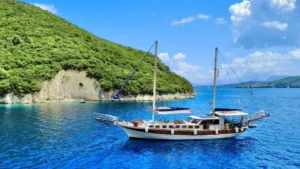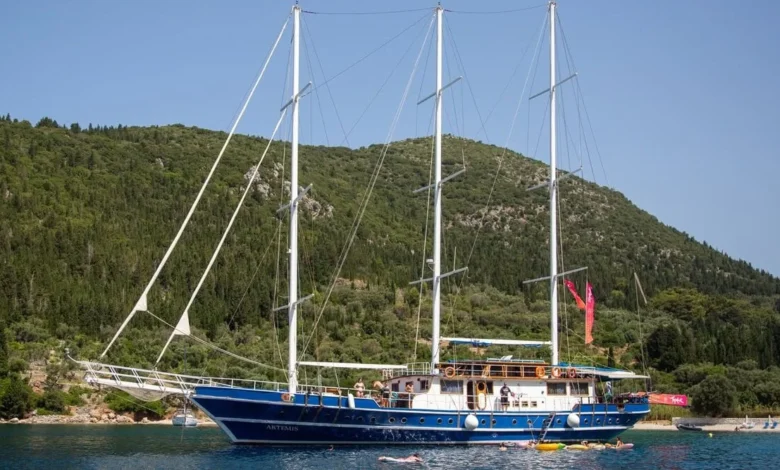
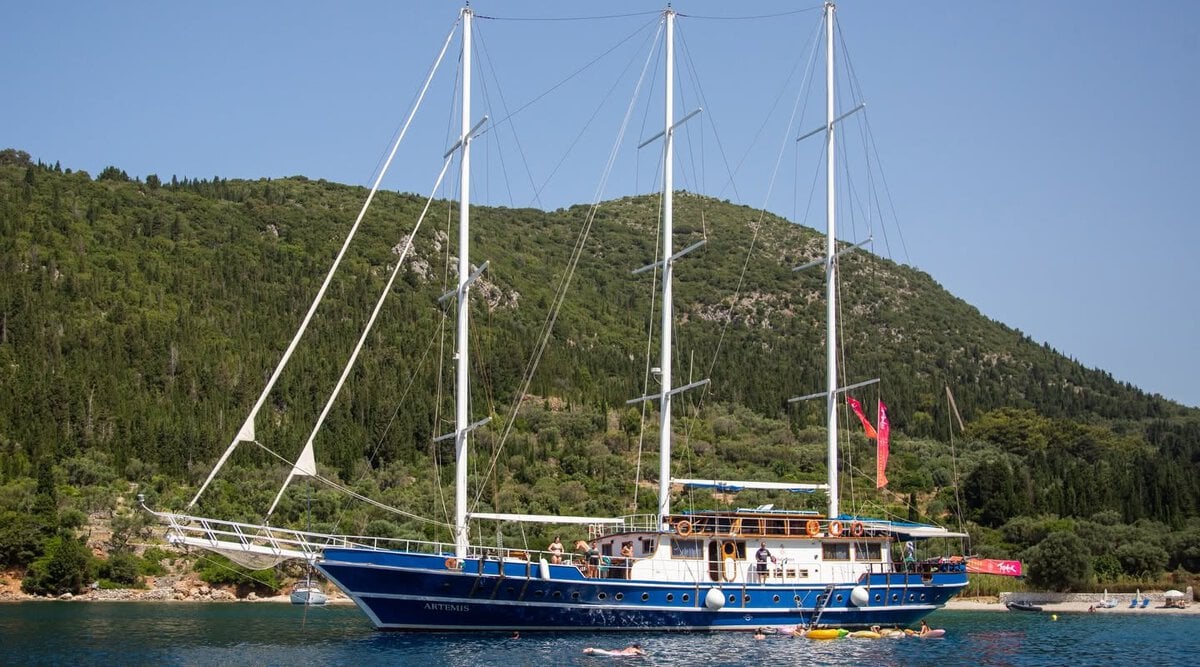
A gulet cruise in Greece represents a distinct category of maritime tourism, blending the intimacy of a private vessel with the structured logistics of a traditional tour. These traditional wooden sailing ships, which originated as cargo and fishing vessels in the Eastern Mediterranean, have evolved into specialized floating guesthouses. For travelers seeking an immersive Aegean or Ionian experience, these cruises offer a balance of accessibility and adventure, characterized by daily swim stops, alfresco dining, and overnight stays in historic harbor towns. Unlike luxury mega-yacht charters, the gulet experience is defined by its communal nature, requiring guests to adapt to compact living quarters and a rhythm dictated by the sea.
The Evolution of the Gulet Experience
The gulet, historically a hand-built vessel crafted from local timber, has undergone a significant transformation over the past three decades. Originally utilized for transporting agricultural goods between the Turkish coast and the Greek islands, these boats were prized for their wide decks and shallow drafts, allowing them to navigate into sheltered coves inaccessible to larger passenger ships. Today, the modern Greek gulet fleet has been retrofitted to meet international maritime safety standards while retaining the aesthetic charm of the original designs.
Data from regional maritime authorities indicate that the popularity of gulet cruises has surged by approximately 15% annually since 2021, as travelers move away from large-scale cruise liners in favor of "slow travel" experiences. These vessels typically accommodate between 12 and 42 passengers, creating a social environment that departs from the anonymity of large cruise ships. By the second day of a voyage, the small guest count fosters a cohesive community, a feature that industry operators highlight as a primary value proposition for solo travelers and small groups.
A Chronology of a Standard Ionian Route
For those embarking on an eight-day, seven-night voyage, the itinerary is meticulously structured to maximize both sea time and cultural exploration. A typical departure, such as the popular route from the Corfu Old Port, begins on a Saturday afternoon. The timeline follows a predictable, albeit flexible, rhythm:
- Saturday (Embarkation): Passengers arrive at the port by 17:00. After settling into their cabins, the captain holds a safety briefing. The vessel remains in port or moves to a nearby anchorage for the first night.
- Sunday–Thursday (Exploration): Mornings are dedicated to cruising between islands. A typical day includes a breakfast of fresh local produce followed by a mid-morning swim stop in crystalline waters. Midday is reserved for lunch on deck. Afternoons involve short sailings to the next destination, such as the Venetian-influenced town of Parga or the picturesque harbors of Paxos and Antipaxos. Evenings are generally spent moored in local harbors, allowing guests to explore tavernas and local markets.
- Friday (Return Leg): The boat begins its final approach back toward the departure port. This often includes a "Captain’s Dinner," a customary event celebrating the conclusion of the voyage.
- Saturday (Disembarkation): Passengers vacate their cabins by 09:00, completing the cycle.
Economic and Practical Considerations
Travelers considering a gulet cruise must account for both advertised costs and supplemental expenses. While base prices for a week-long cruise in June can start at approximately £763 per person, this figure is rarely all-inclusive. Prospective passengers should be prepared for additional costs, including mandatory port fees and cruise taxes, which often total around €150 per person.
The logistics of cabin life require specific preparation. Because these vessels are constructed from traditional materials with limited storage, the use of hard-shell suitcases is strongly discouraged. Experienced operators emphasize the necessity of soft-sided duffel bags, which can be easily stowed under bunks. Furthermore, potential guests are advised to verify cabin specifications—specifically whether the unit features individual air conditioning and a private, self-contained bathroom—as these amenities vary significantly by vessel classification.
Expert Analysis: The Passenger Profile
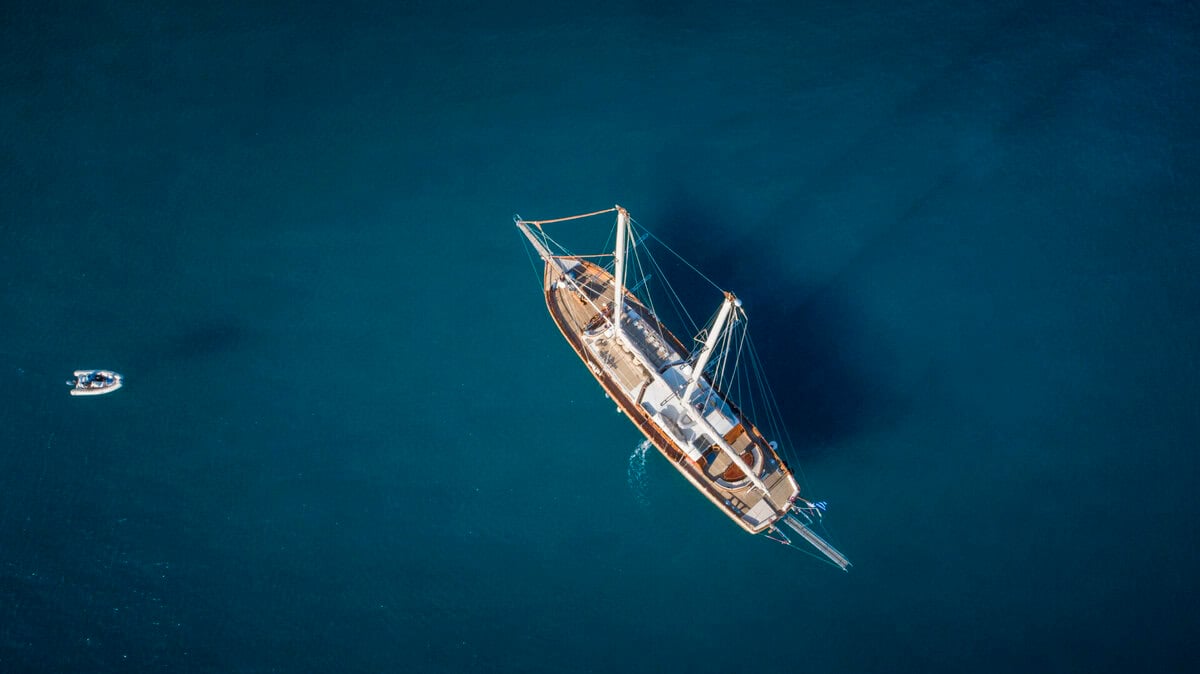
Maritime tourism analysts suggest that the gulet market serves a specific demographic: travelers who value the sea-faring lifestyle but do not possess sailing qualifications. The role of the crew is central to this experience. A standard crew complement includes a captain, a cook, and deckhands who manage all navigational, maintenance, and culinary requirements. This setup effectively removes the burden of responsibility from the guests.
However, industry experts caution that the gulet experience is not for everyone. Individuals who require significant personal space, suffer from severe mobility constraints, or demand five-star hotel amenities may find the environment restrictive. The cabins, while functional, are designed for sleeping rather than leisure. The "value add" of a gulet cruise lies in the access to secluded coastal areas that are otherwise unreachable by land transport, such as the Blue Lagoon in Sivota or the secluded sea caves of Paxos.
Inclusions and Exclusions: A Financial Overview
To avoid disputes at the end of a voyage, prospective passengers should request a detailed breakdown of costs. The industry standard generally includes:
- Accommodation: Seven nights in a cabin.
- Catering: Breakfast and lunch are almost universally included, emphasizing local Greek cuisine.
- Labor: Professional crew services, including cleaning and navigation.
Conversely, items typically categorized as "extra" include:
- Beverages: Most vessels operate on a "bar tab" system. Guests should clarify if alcohol and bottled water are included or charged at the end of the trip.
- Excursions: Guided tours of historic sites or land-based activities are rarely included in the base rate.
- Gratuities: It is standard industry etiquette to provide a tip for the crew at the end of the voyage, usually ranging from 5% to 10% of the total cruise price.
Broader Implications for the Greek Maritime Sector
The rise of the gulet cruise industry has significant implications for regional economic development in Greece. By anchoring in smaller, often overlooked ports, these vessels funnel tourist spending directly into local economies. Unlike massive cruise ships that may overwhelm small island infrastructures, gulets provide a sustainable, low-impact form of tourism that supports local tavernas, small-scale grocers, and regional artisans.
As the industry moves toward 2027, operators are increasingly focusing on sustainability. Many gulet companies are investing in waste management systems to ensure that their presence in sensitive marine ecosystems does not lead to pollution. Furthermore, the push for "green sailing" has led some operators to optimize fuel efficiency during transit, ensuring that the traditional charm of the boat is preserved while minimizing the carbon footprint.
For the first-time traveler, the decision between the Ionian and the Aegean remains the most critical choice. The Ionian Sea is widely regarded as the superior choice for novices, characterized by calmer winds and shorter sailing distances. The Aegean, while offering more iconic island scenery, can present more challenging sea conditions, which may be less comfortable for those susceptible to motion sickness.
Ultimately, the gulet experience offers a unique vantage point of the Greek archipelago. By stripping away the distractions of modern, land-based tourism, it forces a return to a simpler, more deliberate pace of life. For the well-prepared traveler, it is an efficient, culturally rich, and highly social method of traversing one of the world’s most storied maritime landscapes. Before finalizing any booking, it remains essential to perform due diligence: inquire about the specific age range of the other guests, confirm the cabin layout, and ensure that the vessel class aligns with personal comfort expectations. Through careful planning, the week-long voyage becomes more than just a vacation—it becomes a window into a traditional way of life that has persisted for centuries in the Eastern Mediterranean.