The Ultimate Guide to the Best Hot Springs in the Arab World for Wellness and Rejuvenation

For centuries, the arid landscapes and rugged terrains of the Arab world have concealed a network of geological wonders that have served as epicenters of human wellness. Stretching from the verdant palm groves of Oman to the expansive, sun-drenched oases of Saudi Arabia, these geothermal springs have acted as natural infirmaries for civilizations ranging from the ancient Nabataeans and Egyptians to the modern-day wellness traveler. Today, as global interest in "slow travel" and holistic health experiences surges, these mineral-rich thermal sites are undergoing a renaissance, attracting a new generation of visitors seeking respite from the high-velocity demands of contemporary urban life.
The Historical and Geological Significance of Thermal Springs
The therapeutic practice of balneotherapy—the treatment of disease by bathing in mineral springs—is deeply embedded in the cultural heritage of the Middle East and North Africa. Archaeological evidence suggests that early civilizations recognized the chemical properties of these waters, which are typically heated by deep-seated geothermal activity and enriched with subterranean minerals such as sulfur, magnesium, calcium, and sodium.
Historically, these sites functioned as social and medicinal hubs. In Roman-influenced regions of the Levant and North Africa, thermal baths were integrated into elaborate architectural complexes, serving as the primary venues for community interaction and physical therapy. From a geological perspective, the region’s unique tectonic positioning has allowed for the formation of these springs along fault lines and limestone substrates, ensuring a consistent flow of water at temperatures often exceeding 100°F (38°C).
Chronology of Wellness Tourism in the Region
While local populations have utilized these springs for millennia, the formal development of these sites into tourism infrastructure began in earnest during the mid-20th century.
- 1950s–1970s: Initial modernization of sites such as the Ma’in Hot Springs in Jordan, where early government initiatives began recognizing the economic potential of thermal tourism.
- 1990s: The rise of luxury spa integration, where the construction of international-standard hotels at sites like Khatt in the UAE transformed these locations from rural retreats into premium wellness destinations.
- 2015–Present: A significant shift toward sustainable, nature-focused tourism, with countries like Saudi Arabia incorporating these springs into the broader "Vision 2030" framework to diversify the national economy and bolster the domestic tourism sector.
A Curated Overview of Premier Geothermal Sites
Khatt Hot Springs, United Arab Emirates
Nestled at the base of the majestic Hajar Mountains in Ras Al Khaimah, the Khatt Hot Springs are defined by a triple-spring system that emanates from a limestone bedrock. The water, maintained at a constant temperature of approximately 104°F (40°C), is categorized as highly mineralized. Recent analytical reports indicate that the high sulfur content is particularly effective in treating dermatological conditions and chronic muscle fatigue. The integration of the Golden Tulip Khatt Springs Resort has provided a framework for controlled, hygienic access to these waters, allowing guests to experience the contrast between the mountain desert climate and the soothing thermal pools.
Moulay Yacoub, Morocco
Located just 12 miles from the UNESCO World Heritage site of Fez, the Moulay Yacoub thermal complex serves as a critical pillar of Moroccan health tourism. The water originates from a depth of over 1,500 meters, reaching the surface with a high concentration of sulfur and sodium. Medical tourism analysts note that the facility attracts thousands annually, particularly for the treatment of chronic rheumatic and respiratory illnesses. The site represents a synthesis of traditional Moroccan architecture and modern therapeutic standards.
Ma’in Hot Springs, Jordan
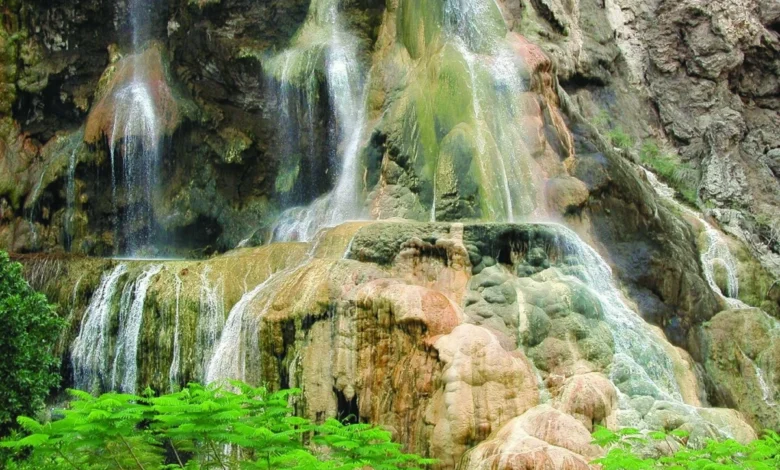
Situated in the Madaba region, these springs are fed by winter rains that percolate through basaltic mountain tops, eventually heating up through contact with the earth’s geothermal layers before cascading into the valley below. The site is a geological anomaly, featuring a series of waterfalls that provide a natural hydro-massage. The proximity to the Dead Sea makes Ma’in a key component of the Jordanian wellness corridor, which is increasingly recognized for its efficacy in treating musculoskeletal disorders.
Siwa Oasis, Egypt
The Siwa Oasis, located in the Western Desert, represents one of the most remote and culturally distinct thermal destinations in the Arab world. The Cleopatra Spring, a natural stone basin, remains a focal point for visitors. Unlike commercialized spas, the Siwa experience is defined by its antiquity. Local Bedouin communities have traditionally viewed these springs as sacred, and modern hydrologists continue to study the unique mineral composition that has sustained life in the Sahara for thousands of years.
Ad-Dal’a and Al-Jubah, Saudi Arabia
Saudi Arabia is currently undergoing a massive expansion in its tourism sector. The Ad-Dal’a spring in Al-Kharj, with its 98-foot depth, is a site of significant geological intrigue, connected by subterranean channels that remain largely unexplored by the public. Meanwhile, the Al-Jubah springs in the Wadi Ad-Dawasir region offer a more accessible, modernized experience, reflecting the Kingdom’s commitment to providing high-end health facilities that leverage natural geological assets.
Korbous, Tunisia
Korbous is renowned for its seven restorative pools, which offer some of the highest water temperatures in the region, ranging from 111°F to 140°F (44–60°C). The village, overlooking the Gulf of Tunis, provides a Mediterranean climate that enhances the therapeutic environment. Its historical significance as a Roman spa town continues to draw visitors interested in the intersection of archaeology and modern wellness.
Nakhal Hot Springs, Oman
Known locally as Ain Al Thawarah, these springs are located near the 17th-century Nakhal Fort. The spring gushes from the Silud Mountain and is diverted through an irrigation system (falaj) that supports the surrounding palm groves. This site illustrates the harmonious relationship between Omani traditional water management and natural geothermal resources.
Analytical Perspective: The Economic and Health Implications
The revitalization of these springs is not merely a trend but a strategic move to address the global demand for wellness-based travel. According to the Global Wellness Institute, the wellness tourism market is expected to reach significant valuations by 2027, with the Middle East emerging as a key region for "nature-based" healing.
From an economic standpoint, the development of these sites provides a buffer against the volatility of other tourism sectors. By creating "wellness hubs," nations can encourage longer stays and repeat visitors. From a health standpoint, the medical consensus remains that balneotherapy—when performed in a controlled, sanitary environment—can significantly alleviate symptoms of chronic pain and stress. However, experts emphasize the need for stringent water quality monitoring and sustainable management of these finite natural resources to ensure that the ecological integrity of these oasis environments is maintained for future generations.
Conclusion: The Future of Thermal Wellness
The Arab world’s geothermal landscape is a testament to the enduring human pursuit of physical and spiritual restoration. As the region continues to modernize its tourism infrastructure, the focus is shifting toward an authentic, high-quality experience that honors the ancient traditions of the land. Whether through the desert-bound serenity of Saudi Arabia’s wadis or the mountain-side cascades of Jordan, these springs offer a vital escape from the pressures of modern life. For the discerning traveler, the message is clear: the path to wellness is as much about the destination as it is about the ancient, mineral-rich waters that have shaped the history of the region. As travelers continue to seek out these havens, the Arab world stands ready to offer a unique blend of heritage, nature, and healing, firmly establishing itself as a premier destination on the global wellness map.