The Plaza Hotel in New York City is closing its doors for a four-year restoration project beginning in January 2026.

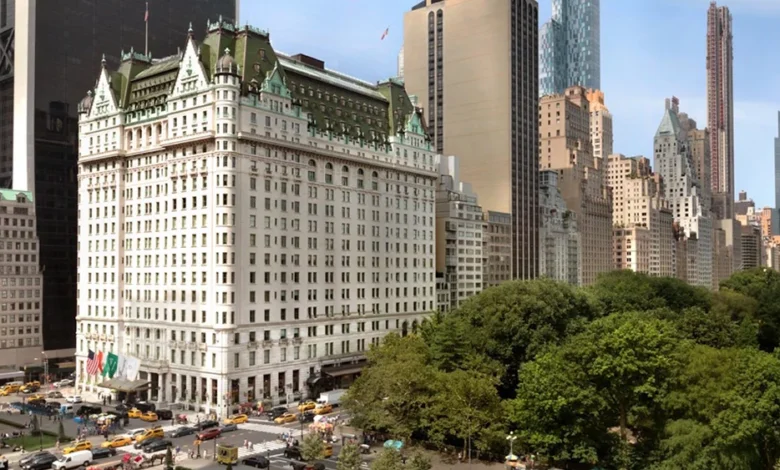
For over a century, the Plaza Hotel has stood as the definitive symbol of New York City luxury, serving as a beacon of architectural grandeur at the corner of Fifth Avenue and Central Park South. However, beginning this coming January, the iconic French Renaissance-style landmark will shutter its doors to the public for a minimum of four years. The closure, which marks a significant hiatus for one of the world’s most recognizable hospitality venues, is necessitated by an extensive, multi-year restoration project focused on the building’s historic exterior façade.
A Landmark in Need of Preservation
The Plaza, an 18-story structure designed by the renowned architect Henry Janeway Hardenbergh, first opened its doors in 1907. Since its inception, the hotel has been protected as a designated New York City landmark, a status that necessitates strict adherence to preservation guidelines during any renovation efforts. According to Fairmont Hotels & Resorts, the operator of the property, the upcoming project is a response to the natural wear and tear that has accumulated over more than 115 years of exposure to the elements in an urban environment.
"Understanding the unique place in New York City’s architectural heritage and cultural history it holds, the Plaza Hotel is advancing plans for repair and restoration works to its landmark-protected façade," Fairmont Hotels & Resorts stated in an official press release. The operator emphasized that the sheer scale of the undertaking reflects the complexity of maintaining a property of such immense architectural significance. The project will prioritize the safety of guests, staff, and the surrounding community, while ensuring that the building’s historic aesthetic remains intact for future generations.
Chronology of an Icon
The history of The Plaza is inextricably linked to the history of New York City itself. From the moment it opened on October 1, 1907, it was billed as the most luxurious hotel in the world. Its design, inspired by the great châteaux of France, set a new standard for American hospitality.
- 1907: The Plaza officially opens, quickly becoming the social center of New York’s elite.
- 1969: The New York City Landmarks Preservation Commission officially designates the building as a landmark, ensuring its exterior cannot be altered without rigorous oversight.
- 1988: Donald Trump purchases the hotel for $390 million, later selling it to a consortium of investors in 1995.
- 2005: The hotel undergoes a massive $450 million renovation, during which a significant portion of the hotel rooms were converted into private residential condominiums.
- 2026 (Upcoming): A comprehensive multi-year restoration of the building’s exterior begins, forcing a total closure of hotel operations.
This upcoming renovation is not the first time the Plaza has faced structural scrutiny, but it is undoubtedly the most significant in recent memory. By removing the hotel from the active hospitality market for at least four years, the operators are signaling a commitment to a "surgical" level of restoration that cannot be performed while the hotel remains operational.
The Impact on Hospitality and Culinary Culture
One of the most immediate consequences of the closure is the suspension of services at the Palm Court. For more than a century, the Palm Court has been the epicenter of afternoon tea in New York City. Its stained-glass dome and lush greenery have made it a destination for tourists and locals alike, providing a quintessential "Old New York" experience. With the hotel closing, the Palm Court will also cease operations, marking a rare moment in history where one of the city’s most persistent culinary traditions will be put on hiatus.
Beyond the loss of afternoon tea, the closure affects 282 hotel rooms and suites. While the hotel’s operator has not explicitly confirmed the status of the 181 private residential units, the logistical reality of a multi-year, exterior-focused construction project suggests that the impact will be felt throughout the building. Residents who own these high-value properties—some of which have traded for upwards of $8 million—may face significant disruptions to their quality of life as scaffolding and restoration crews begin work on the building’s historic limestone and brick exterior.

Workforce Considerations and Economic Implications
The closure of a hotel of this magnitude carries a substantial economic ripple effect. The Hotel & Gaming Trades Council, which represents the 378 staff members employed at the Plaza, is currently working to manage the transition for these employees. In a high-cost city like New York, the loss of these jobs, even if temporary, poses a challenge. The union has indicated it will attempt to place affected workers in other properties, though finding equivalent positions for a staff trained in the unique standards of the Plaza will be a complex undertaking.
Economists note that while the closure represents a short-term loss in hotel tax revenue and tourism activity, it is a necessary investment for the long-term viability of the asset. "Properties like the Plaza are not just businesses; they are vital pieces of tourism infrastructure," says an industry analyst. "If they don’t invest in the preservation of the physical asset, the brand value of the hotel inevitably declines. This is a capital-intensive, high-stakes project designed to protect the Plaza’s status as a Tier-1 global destination."
The Complexity of Landmark Preservation
The challenges involved in this restoration are not merely financial; they are technical. The building’s façade, constructed from marble and brick, requires specialized materials and artisan labor that comply with modern safety codes while honoring original construction techniques.
"The scope and complexity of the façade works require detailed planning and coordination with relevant stakeholders, alongside adherence to applicable historic preservation requirements," Fairmont stated. This suggests that the four-year timeline provided is an estimate that could shift depending on what the construction crews uncover once they begin removing the older layers of the building’s skin. Historic buildings of this age often present "hidden" issues—corrosion of steel beams, degradation of mortar, and structural shifts—that can expand the scope of work once the project is underway.
Cultural Significance and the Big Screen
The Plaza’s cultural footprint is vast. It has been a silent character in some of the most celebrated works of American literature and cinema. From the whimsical stories of Eloise at the Plaza to the sweeping cinematic romance of The Way We Were and the opulent 2013 adaptation of The Great Gatsby, the hotel has served as the backdrop for stories that define the New York imagination.
The hotel has hosted legendary figures, from The Beatles during their first U.S. visit to international heads of state and fashion icons like Christian Dior. Because of this, the restoration project is being watched by cultural historians as closely as it is by the hospitality industry. The expectation is that the restoration will not just repair the building, but "refresh" its legacy, ensuring that the Plaza remains relevant in an era where modern luxury hotels often struggle to compete with the character of historic properties.
Looking Toward 2031
As the clock ticks toward January, the hospitality industry in New York is preparing for a "Plaza-less" landscape. The closure represents a unique moment for the city: the temporary silencing of a grand dame of Fifth Avenue. While the absence of the Plaza will be felt by those who frequent its lobby and dining rooms, the consensus among stakeholders is that the project is an essential safeguard.
The focus now shifts to the planning phase. With the New York City Landmarks Preservation Commission undoubtedly involved in the review process, every step of the restoration will be heavily scrutinized. The public, the hotel staff, and the residents of the Plaza’s condos will all be looking toward 2031—or whenever the grand reopening occurs—to see if the icon can return to its former glory. Until then, the Plaza remains a building in transition, a monument to the past preparing itself for a new century of service.