Solo travel has undergone a profound transformation over the past decade, shifting away from purely architectural sightseeing toward immersive, experiential journeys. Among the fastest-growing sectors within this industry is culinary travel, a specialized niche where gastronomic exploration serves as the primary driver for global mobility. Market analysts note that experiential tourism now accounts for more than thirty percent of all leisure travel spending globally, with food and wine tourism representing a major catalyst for regional economic development. For the solo traveler, navigating foreign food scenes presents a unique set of logistical challenges and social opportunities. Planning an itinerary centered around gastronomy requires a strategic approach that balances meticulous preparation with spontaneous discovery, ensuring safety, cultural enrichment, and financial efficiency.
The Economic and Cultural Shift in Solo Gastronomic Tourism
Historically, dining alone while traveling abroad carried a social stigma or logistical hurdle, often resulting in isolated restaurant experiences or marginalized seating. However, a cultural shift driven by independent travelers and demographic changes has prompted the hospitality sector to adapt. Modern solo travelers view meals not merely as a biological necessity, but as a primary medium for cultural anthropology. According to recent tourism data, solo culinary tourists spend approximately twenty-five percent more per trip on local experiences—such as cooking classes, guided market tours, and artisanal workshops—than standard sightseeing tourists. This shift has elevated the importance of structured pre-trip planning, transforming how independent travelers source authentic regional cuisines.
Pre-Trip Research Methodologies: Digital Tools and Artificial Intelligence
Effective culinary travel planning begins months before departure, leveraging a mix of traditional journalism, peer networks, and emerging digital infrastructure.
Leveraging Online Resources and Local Periodicals
Industry experts recommend casting a wide net during the initial research phase. Travelers are advised to consult regional publications, independent food blogs, and international city guides such as TimeOut to identify local delicacies, seasonal produce, and neighborhood-specific food markets. Unlike conventional guidebooks, local periodicals offer real-time insights into emerging culinary movements, distinguishing authentic regional establishments from tourist-trap venues. Furthermore, subscribing to digital newsletters issued by regional tourism boards, local chefs, and independent vineyards provides travelers with insider access to upcoming food festivals, harvest celebrations, and community dinners.
Integrating Artificial Intelligence into Itinerary Design
In recent years, artificial intelligence platforms like ChatGPT have emerged as valuable supplementary tools for initial itinerary scaffolding. Travel technologists suggest prompting AI models for baseline frameworks—such as requesting a three-day regional wine and food itinerary—which can then be cross-referenced against verified review sites and official establishment websites. While AI cannot replace localized expertise, it serves as an efficient catalyst for brainstorming hidden neighborhoods or lesser-known regional varietals.

Structured Social Dining and Hands-On Workshops
One of the primary challenges for the solo culinary traveler is bridging the gap between solitary exploration and community engagement. Modern platforms have successfully addressed this by formalizing shared dining and apprenticeship models.
Home-Hosted Dining Platforms
Platforms such as EatWith have revolutionized how solo travelers access authentic domestic cuisines. By connecting travelers with local hosts for intimate dinner parties, these services bypass the traditional restaurant dynamic, offering a communal environment where guests can sample regional dishes imbued with personal family flair. Sociological analyses of peer-to-peer dining indicate that these events significantly reduce feelings of isolation among solo travelers while providing deep contextual knowledge regarding local socio-cultural traditions.
Mini-Apprenticeships and Culinary Arts Platforms
Beyond passive consumption, a growing segment of independent travelers seeks active skill acquisition. Platforms like Vacation With an Artist (VAWAA) facilitate short-term apprenticeships with master craftspeople, ranging from traditional bladesmithing in Ireland to home-cooking fermentation techniques in Japan. Similarly, localized cooking classes—such as those offered by Cook & Taste in Barcelona, which traditionally begin with a guided tour of a municipal market like La Boqueria—allow travelers to engage directly with local purveyors. Industry analysts note that scheduling these educational sessions during the initial days of a trip equips travelers with localized culinary literacy, enhancing subsequent dining decisions throughout their journey.
Guided Tours and Economical Logistics
Navigating foreign transportation infrastructure while engaging in heavy wine or food tasting requires careful logistical management, particularly for individuals traveling alone.
Curated Food and Market Walking Tours
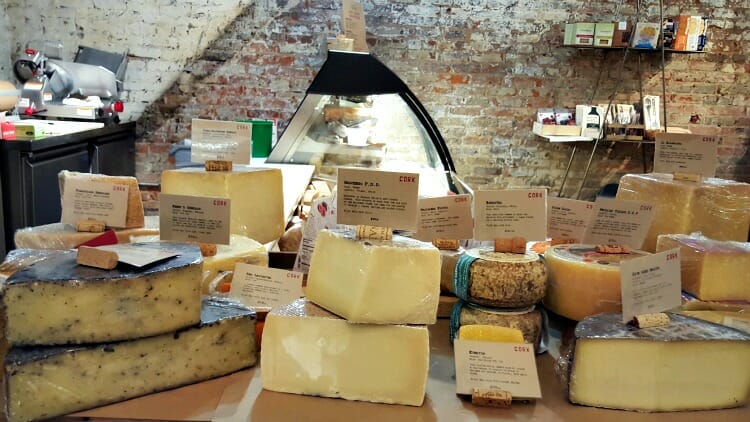
Guided walking tours led by culinary experts offer a multi-faceted approach to city exploration. Operators such as Flavors of Paris provide half-day excursions through specialized bakeries, artisanal cheese shops, and historical markets. These tours serve multiple functions: they provide historical context, introduce travelers to local merchants, and guarantee substantial food consumption that often negates the need for subsequent meals. Furthermore, expert guides frequently supply attendees with curated lists of off-the-beaten-path establishments.
Wine Region Navigation and Group Excursions
In major wine-producing regions, such as the Douro Valley in Portugal or Nova Scotia’s Annapolis Valley, self-driving while participating in wine tastings is both legally hazardous and socially restrictive. Joining small-group guided tours—such as those operated by Grape Escapes—allows solo travelers to experience rural vineyards safely. Tourism psychologists observe that small-group transit models rapidly dissolve social barriers, transforming strangers into cohesive peer groups over the course of an afternoon.
Financial Optimization and Dynamic Pricing Platforms
Budget management remains a critical component of extended culinary travel. The integration of dynamic reservation and discounting applications has altered how travelers secure high-end dining experiences without inflating expenditures.
Maximizing Value via Reservation Apps
Platforms like TheFork have become indispensable across European markets, offering algorithmic table management paired with substantial promotional discounts—frequently ranging between twenty and thirty percent at participating establishments. Economic studies on restaurant revenue management indicate that such platforms help operators fill off-peak seating capacity while providing cost-conscious travelers access to fine dining. Industry specialists advise travelers to book early during off-peak hours to secure personalized service and ensure promotional terms are properly honored upon billing.
The Balance of Serendipity in Travel Itineraries
Despite the statistical advantages of rigorous pre-trip planning, travel researchers emphasize the vital role of spontaneity. Over-scheduling can stifle the organic discoveries that frequently define the most memorable journeys. Whether stumbling into an impromptu regional wine tour through a local tourism office or selecting a restaurant based purely on the instinctive observation of multiple wine glasses set per table, leaving unoccupied windows in an itinerary allows travelers to experience authentic, unscripted local culture. Ultimately, the most successful culinary solo trips achieve a delicate equilibrium: structured preparation provides the safety net and foundational knowledge, while spontaneous detours deliver the genuine surprises that make independent travel transformative.