Giving Back in a Big Way This Holiday Season: How One Community Initiative Strives to Fill Library Shelves in Title I Schools

The holiday season traditionally serves as a period of heightened philanthropic activity, prompting individuals and organizations to seek out meaningful ways to support vulnerable populations. While many community members gravitate toward well-established holiday giving campaigns—such as the Angel Tree program or local toy drives like the Boys and Girls Club’s "Stuff the Bus"—recent grassroots initiatives demonstrate that impactful community support can also address systemic educational inequities. A striking example of this trend unfolded during a district Parent Teacher Organization (PTO) meeting, where discussions surrounding resource allocation in local schools catalyzed a targeted book donation drive designed to benefit underserved students in Title I institutions.
Uncovering Educational Inequities at the District Level
The initiative originated during a routine district-level PTO gathering, which brought together representatives from various schools within the region. During the proceedings, a lone representative for a local Title I school raised a critical concern regarding basic educational infrastructure: the school’s library was virtually devoid of books. Compounding the issue, the surrounding community faced severe financial limitations, making it exceptionally difficult for the school to secure adequate external donations or funding through traditional parent-led fundraisers.

This revelation highlighted a stark disparity within the same school district. While more affluent schools in the district enjoyed well-stocked libraries and robust auxiliary resources, underfunded institutions struggled to provide fundamental literary tools necessary for student development. Recognizing this gap, local community advocates determined that immediate, targeted intervention was required to address the deficit.
Leveraging Bargain Literature and Digital Rebate Platforms
To maximize the impact of a modest budget, organizers explored cost-effective procurement strategies for children’s and young adult literature. Through online literary outlets specializing in bargain inventory—specifically publisher returns and slightly damaged books—organizers discovered that high-quality hardcovers could be purchased at a fraction of their retail value, with prices starting as low as $0.69 per volume.
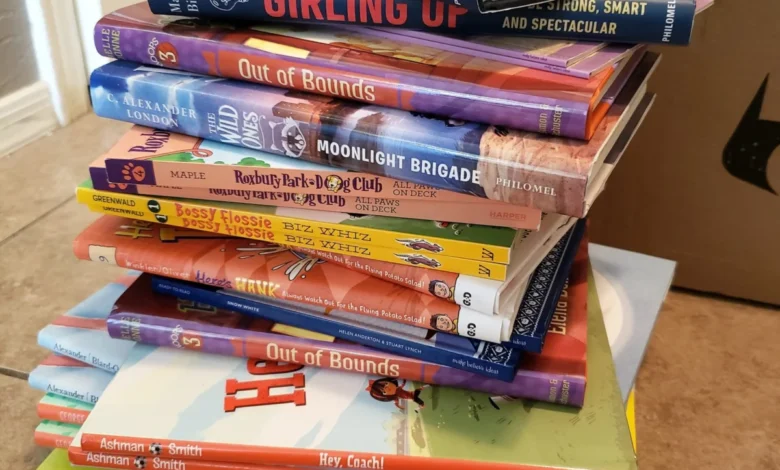
By utilizing these discounted channels, the organizers acquired a total of 44 books. Even with shipping factored in, the entire order totaled approximately $40, qualifying for free shipping promotions. The most expensive individual book in the purchase cost $1.29, demonstrating how strategic purchasing can significantly amplify charitable contributions.

To further scale the initiative, organizers integrated digital cashback and referral platforms such as Rakuten. By combining initial sign-up bonuses with ongoing percentage-based rebates on online purchases, consumers can generate supplementary funds for charitable allocations. In this model, promotional incentives were directly tied to community outreach: for every new user who registered through the designated referral portal and completed qualifying transactions, organizers committed to funding an additional $10 worth of books for Title I school libraries.
Logistical Challenges and the Holiday Timeline
The execution of the donation drive faced minor logistical hurdles typical of the peak winter holiday season. Following the purchase of the 44-volume collection, holiday shipping delays pushed the delivery date to just one day after the local school district had commenced its winter recess.
Despite the timing, which prevented an immediate handover before the break, organizers and student participants viewed the delay as an opportunity to build anticipation. Rather than delivering the materials immediately, organizers scheduled the presentation as a surprise welcome-back event for students returning to classrooms in the new year. This approach ensured that the arrival of the new literary resources would coincide with the resumption of academic instruction, maximizing student engagement upon their return.

Broader Impacts and the Call to Action
The decision regarding the destination of the books was developed collaboratively, emphasizing youth involvement in philanthropy. When presented with options to retain the collection, donate exclusively to a local neighborhood school, or distribute the materials across two separate Title I schools, the participating student stakeholders unanimously selected the two Title I institutions.
Educational experts and community leaders note that access to diverse and plentiful reading materials is a foundational component of childhood literacy and academic achievement. Title I schools, which receive federal financial assistance to ensure that children from low-income families meet challenging state academic standards, frequently operate under strict budgetary constraints that limit discretionary spending on library acquisitions. Initiatives that directly supplement these inventories help bridge the achievement gap, fostering a culture of reading in environments where resources are scarce.
Organizers of the campaign emphasize that community support for educational infrastructure need not be restricted to the winter holiday period. By establishing sustainable purchasing models, leveraging digital cashback tools, and encouraging peer-to-peer engagement, community members can continuously contribute to school libraries throughout the academic year. As local campaigns continue to gain momentum, advocates hope to inspire broader civic participation aimed at ensuring every student, regardless of socioeconomic background, has access to a comprehensive and well-resourced educational environment.
Related posts: