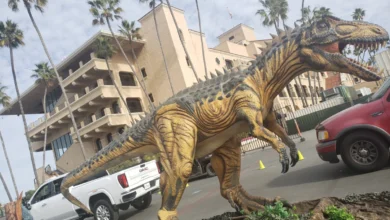
Jurassic Quest Returns: How the Popular Touring Dinosaur Attraction is Redefining Family Entertainment Through Immersive Drive-Thru Experiences

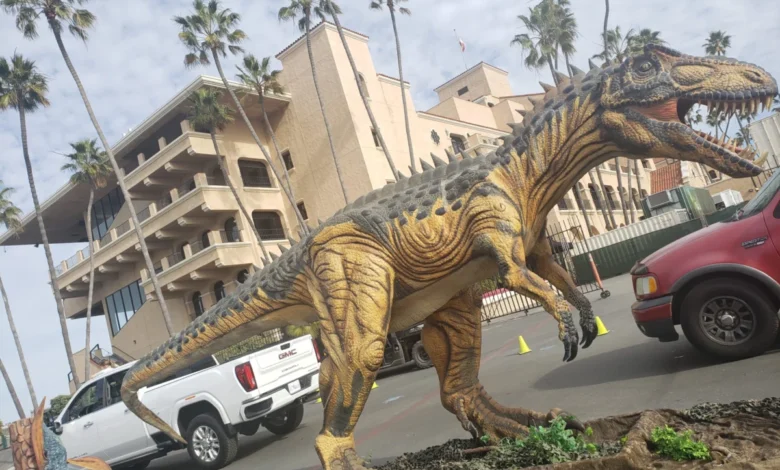
The live-entertainment and family-exhibition landscape has undergone a dramatic transformation in recent years, prompting producers of large-scale events to rethink traditional indoor formats in favor of innovative, health-conscious, and highly accessible setups. Among the most successful adaptations is Jurassic Quest, a nationwide touring exhibition featuring life-sized, animatronic dinosaurs. Following widespread acclaim and high demand during its initial runs—including a heavily attended engagement at the Del Mar Fairgrounds—the attraction has officially announced its return to select cities across the United States. Designed to accommodate changing public health guidelines while satisfying a perennial fascination with prehistoric creatures, the revived tour offers a seamless blend of education, technology, and family-friendly recreation entirely from the comfort of personal vehicles.
Main Facts of the Exhibition
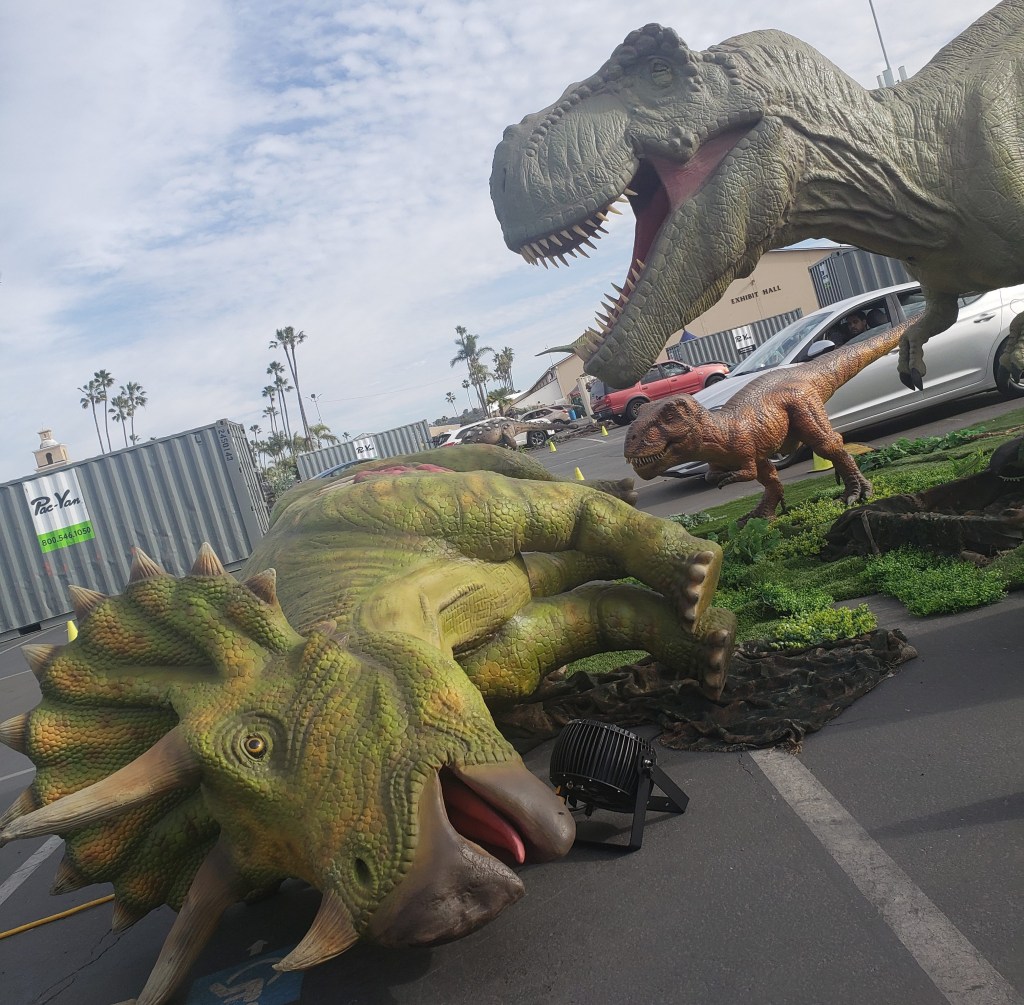
Jurassic Quest operates primarily as a mobile, drive-thru safari experience that allows families to encounter realistic, life-sized dinosaurs without leaving their automobiles. Unlike static museum exhibits or traditional theme parks, the attraction utilizes advanced animatronics to bring creatures such as the Tyrannosaurus rex, Spinosaurus, and Triceratops to life with realistic movements, blinking eyes, and synchronized sound effects.
The core of the experience relies on a timed, synchronized audio tour accessible via personal smartphones or mobile devices. This technology ensures that visitors can navigate the sprawling dinosaur habitats at their own pace. The audio program dynamically coordinates with the vehicle’s progression along the route, delivering educational commentary, historical context, and interactive elements designed to engage younger audiences.
Pricing structures for the event diverge significantly from traditional amusement parks. Rather than charging per individual ticket, which can place a heavy financial burden on larger households, Jurassic Quest implements a flat, per-vehicle admission fee typically starting around $49. To enhance the experience, organizers offer tiered add-on packages—such as the popular Tracker pack, priced between $15 and $50—which provide supplemental themed merchandise, activity booklets, and digital keepsakes. The physical layout of the venues typically incorporates pre-show carnival-style food concessions and post-tour drive-up merchandise booths, ensuring a comprehensive visitor experience while maintaining strict operational protocols.
Background Context and Evolution of the Event
The genesis of Jurassic Quest dates back over a decade, originating as a stationary and tented indoor exhibition featuring fossil replicas, walking dinosaur rides, and educational paleontology stations. For years, the production traveled from convention center to convention center, drawing millions of visitors nationwide. However, the onset of global health restrictions in 2020 necessitated an immediate operational pivot to ensure the survival of the touring entertainment sector.
Event producers responded by conceptualizing the drive-thru model, reimagining vast fairgrounds and outdoor parking complexes as prehistoric ecosystems. This engineering and logistical feat required mapping out miles of temporary roadways, deploying heavy-duty power generators, and securing massive animatronic figures capable of withstanding diverse outdoor weather conditions. The Del Mar Fairgrounds engagement in Southern California served as a benchmark for this transition, demonstrating that large-scale theatrical experiences could be successfully translated into contactless, automotive formats. The overwhelming public response in Southern California and other regional hubs validated the heavy investment in mobile infrastructure, prompting the current wave of national return engagements.
Chronology and Operational Timeline
The operational timeline of a Jurassic Quest tour stop is meticulously choreographed to manage high volumes of vehicular traffic while preserving the illusion of an untouched prehistoric wilderness.
Planning and Permitting Phase: Months prior to arrival, event coordinators collaborate with local municipal authorities, traffic engineering departments, and fairground management teams to map ingress and egress routes. Because these events frequently draw thousands of cars per weekend, rigorous traffic mitigation plans are developed to prevent congestion on surrounding public roadways.

Installation and Technical Run-Throughs: Large transport semi-trucks deliver the dissembled animatronic dinosaurs, structural scenery, and audio infrastructure to the site approximately one to two weeks before opening day. Technical crews spend days assembling the steel-framed beasts, calibrating pneumatic movement controls, and testing the geofenced audio delivery system.
The Visitor Journey: Upon arrival, ticketed vehicles are greeted by staff members who verify admissions digitally, minimizing physical contact. Guests are then directed into the audio tour queue. The journey typically spans 45 to 60 minutes, guiding motorists past chronological eras ranging from the Triassic to the Cretaceous periods. The experience concludes with optional stops at themed concession areas and retail booths before exiting the grounds.
Supporting Data and Economic Impact
The economic viability of the drive-thru entertainment model has reshaped expectations within the family events industry. Industry data indicates that automotive-based attractions experienced a surge in consumer spending during periods of restricted indoor gatherings, capturing market share from traditional brick-and-mortar entertainment venues.
By pricing admission per vehicle rather than per capita, Jurassic Quest successfully captured the family demographic that had been increasingly priced out of major theme park excursions. Data compiled from regional tourism boards indicates that touring exhibitions like Jurassic Quest inject substantial revenue into local host economies. Fairgrounds, convention centers, and surrounding hospitality businesses—including local hotels, restaurants, and fuel stations—benefit from the influx of regional travelers drawn to the weekend-only engagements. Furthermore, ancillary spending on add-on quest packs and themed merchandise accounts for a significant percentage of total event revenue, reflecting high consumer demand for interactive engagement.
Educational Value and Pedagogical Implications

Beyond its entertainment value, Jurassic Quest incorporates structured educational components developed in consultation with paleontological advisors. Modern family entertainment increasingly emphasizes stealth learning—the integration of educational concepts into leisure activities.
The synchronized audio tour serves as the primary educational delivery mechanism, imparting data regarding prehistoric habitats, anatomical adaptations, dietary habits, and evolutionary timelines. By framing these facts within a narrative adventure—such as tracking a missing Tyrannosaurus rex along the route—the exhibition sustains the cognitive engagement of children. Educational psychologists note that immersive, multisensory environments significantly enhance memory retention in young learners compared to traditional classroom lectures or static textbook reading. Consequently, children frequently exit the attraction capable of identifying complex dinosaur species and reciting scientific facts, fulfilling a core mission of the exhibition’s creators.
Broader Impact and Future Implications for Touring Entertainment
The success of Jurassic Quest’s drive-thru incarnation highlights a broader evolution in consumer preferences within the live-events sector. As audiences increasingly value flexibility, safety, and cost predictability, entertainment producers are discovering that traditional models must adapt to modern lifestyle demands.
The operational flexibility demonstrated by the Jurassic Quest tour proves that large-scale intellectual properties can be rapidly reconfigured to meet changing societal conditions without sacrificing production quality. Industry analysts suggest that hybrid models—incorporating both traditional walk-through elements and flexible outdoor touring formats—will likely remain a permanent fixture of the family entertainment landscape. By removing the friction points typically associated with large public outings, such as long pedestrian queues and per-person ticket pricing, the exhibition has established a new benchmark for accessible, multi-generational recreation.
As the tour continues its deployment across select cities, prospective attendees are encouraged to review local scheduling details, secure advance reservations through the official Jurassic Quest platform, and prepare for an immersive journey millions of years in the making.