The Hidden Cost of Tourism: How Animal Exploitation is Reshaping Ethical Travel Choices

The global tourism industry has long promoted iconic monuments and once-in-a-lifetime adventures, yet beneath the curated brochures and postcard imagery lies a pervasive, systemic crisis concerning animal welfare. From elephant riding in Thailand and holding sea turtles in the Cayman Islands to walking with lions in South Africa, travelers are increasingly awakening to the hidden cruelties that sustain many traditional tourist attractions. Recently, this scrutiny has centered heavily on historic destinations such as Egypt and Jordan, where working animals—including horses, camels, and donkeys—endure severe physical abuse and neglect in the shadow of world-famous landmarks.
The Awakening of the Modern Traveler
For years, travelers have booked vacations to ancient destinations like Egypt to experience globally recognized UNESCO World Heritage sites, anticipating a seamless blend of historical education and cultural appreciation. However, the proliferation of digital travel forums, independent exposés, and viral social media investigations has peeled back the veneer of these romanticized journeys.
Consider the experience of Michiko, a traveler who spent years meticulously planning a long-awaited trip to Egypt and Jordan. What was intended to be a celebration of ancient civilization rapidly transformed into an ethical dilemma during the final stages of itinerary planning. Countless traveler accounts, cross-referenced with documentation from animal rights organizations, revealed that the breathtaking monuments of Giza and Luxor are frequently overshadowed by the mistreatment of working animals forced to carry tourists through the blistering desert heat.
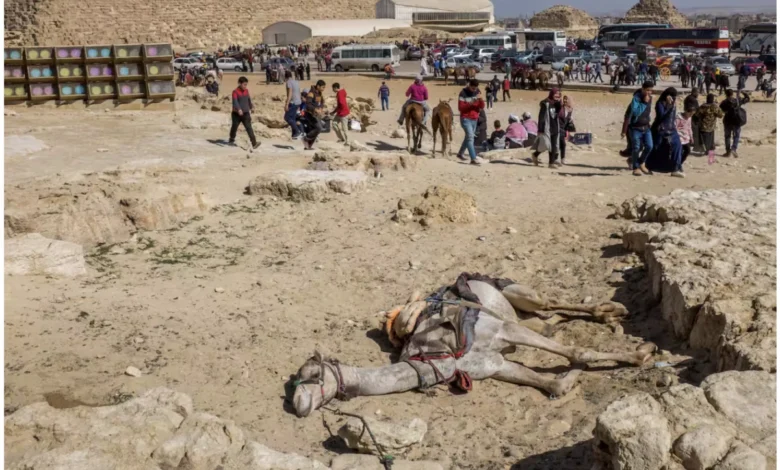
Upon digging deeper into travel logs and investigative reports, Michiko encountered harrowing details: horses and camels suffering from mutilated, bleeding noses; animals emaciated to the point where their ribcages protruded sharply beneath the sun; and exotic creatures confined to dark, cramped enclosures for decades. Most distressing were accounts of the informal animal graveyards situated directly behind the Pyramids, where loyal working beasts, once exhausted and deemed no longer economically useful, are abandoned to perish in the desert.
Confronted with this reality, Michiko made the difficult decision to cancel the trip entirely. Rejecting the local normalization of these practices under the guise of tradition or economic hardship, Michiko articulated a sentiment shared by a growing cohort of consumers: economic struggle does not excuse systematic abuse. Consequently, Michiko formalized these objections by drafting official complaint letters to the Egyptian Ministry of Tourism and Antiquities and the Egypt Tourism Promotion Authority, demanding systemic reform rather than superficial compliance.
Chronology of a Crisis: Documentation and Public Outcry
The documentation of animal abuse at major international tourist hubs is neither isolated nor new. For over a decade, travelers have utilized online platforms such as TripAdvisor, Reddit, and Facebook to document and share evidence of severe animal cruelty at archaeological sites.
Chronologically, the public awareness timeline reflects a gradual shift from private dissatisfaction to organized, mainstream investigation:
- Early 2010s: Independent travelers begin posting detailed warnings on forums like TripAdvisor, highlighting emaciated horses and camels near the Giza Pyramids and Luxor temples.
- Mid-to-Late 2010s: Photographic and video evidence spreads across social media networks, capturing physical beatings of working equines and captive wildlife, such as crocodiles kept in substandard conditions on Banana Island and in Nubian villages.
- 2023–2024: International animal welfare organizations, including People for the Ethical Treatment of Animals (PETA) and local Egyptian groups, launch formal investigations. PETA publishes undercover findings exposing widespread neglect, lack of veterinary care, and exhaustion among working horses and camels in Cairo and surrounding tourist zones.
- 2025–2026: Online communities on Reddit and Facebook amplify consumer boycotts. Individual travelers increasingly cancel planned itineraries, shifting economic power toward destinations with verifiable ethical standards. Simultaneously, institutional responses begin to materialize from regional tourism bodies.
Data and Evidence of Systemic Welfare Breaches
The scale of the issue is underscored by numerous independent investigations conducted by international animal rights bodies and travel watchdogs. According to reports compiled by organizations such as the Society for the Protection of Animal Rights in Egypt (SPARE) and international veterinary charities operating near major archaeological sites, working animals in heavy tourism sectors routinely suffer from dehydration, malnutrition, harness-induced skin lesions, and exhaustion.

Data from traveler review aggregators indicates that complaints regarding animal welfare at major Egyptian and Jordanian heritage sites have risen significantly over the past five years. While exact economic losses to the tourism sector resulting from these boycotts remain difficult to quantify, travel agencies report a measurable uptick in inquiries regarding the ethical treatment of animals prior to booking. The convergence of digital connectivity and heightened consumer consciousness has ensured that localized abuses can no longer be easily obscured from the international public eye.
Official Responses and Regulatory Shifts
Pressure from international NGOs, independent travelers, and media exposés has gradually forced local authorities and tourism boards to acknowledge the crisis.
A notable development occurred in April 2026, when Egypt’s Chamber of Tourism Establishments and Restaurants issued a formal directive prohibiting the use of animals—both domestic and wild—in artistic and entertainment performances within hotel facilities and tourism venues. While this regulatory action marks a positive step toward modernizing welfare standards, animal advocates emphasize that the decree addresses only a fraction of the broader problem. The daily commercial exploitation of working horses, donkeys, and camels operating outside hotel walls—particularly around high-volume monuments like the Giza Pyramids—continues largely unchecked by rigorous enforcement.
Furthermore, the ongoing situation raises complex governance questions regarding the responsibilities of international bodies such as UNESCO. While UNESCO World Heritage status is granted based on the historical, cultural, or natural significance of a site, critics argue that the organization should incorporate human and animal welfare metrics into its evaluations to ensure that the preservation of human heritage does not rely on the systemic suffering of sentient beings.
The Broader Economic and Ethical Implications
The decision by individual travelers to cancel high-profile vacations highlights a fundamental shift in the global tourism economy. Modern consumers are increasingly evaluating travel destinations through an ethical lens, recognizing that their financial expenditure directly supports local practices, labor conditions, and animal welfare standards.
This behavioral shift challenges the traditional economic defense often cited by local operators: that poverty and financial hardship necessitate the intensive use of working animals. Economists and ethicists argue that while economic vulnerability is a pressing challenge, it does not preclude the implementation of humane treatment, nor does it justify the institutionalized neglect of animals. Sustainable tourism models demonstrate that economic viability and high welfare standards are not mutually exclusive; rather, destinations that transition toward humane practices often attract higher-spending, ethically conscious travelers.
Furthermore, the tourism market offers alternative destinations that actively prioritize environmental conservation, social welfare, and ethical governance. Publications such as Ethical Traveler’s annual World’s Ten Best Ethical Destinations evaluate developing nations based on rigorous criteria encompassing human rights, environmental protection, and animal welfare. By spotlighting these progressive nations, industry analysts aim to prove that adventure and cultural exploration can coexist with robust ethical standards.
A Call for Informed Action and Future Reform
As the debate surrounding animal exploitation in tourism intensifies, industry stakeholders, non-profits, and travelers are converging on a set of actionable recommendations to foster systemic change:
- Pre-Trip Research and Education: Travelers are urged to thoroughly investigate the daily conditions of working animals and wildlife at their intended destinations, utilizing resources provided by established animal welfare charities rather than relying solely on promotional marketing materials.
- Refusing Exploitative Services: Conscious consumers can actively decline to participate in camel rides, horse-drawn carriage tours, and elephant interactions where animal welfare is compromised.
- Engaging in Advocacy: Travelers witnessing abuse can report incidents directly to international welfare organizations or submit formal complaints to local tourism authorities and ministries, thereby maintaining pressure on governments to enforce existing animal protection laws.
- Supporting Ethical Alternatives: By channeling tourism dollars toward destinations, tour operators, and sanctuaries that demonstrate a verifiable commitment to humane treatment, consumers can reward progressive business models and encourage broader industry reform.
Ultimately, the choices made by individual tourists carry collective weight. Whether through the cancellation of a dream vacation, the submission of formal bureaucratic protests, or the conscious redirection of travel funds, consumers are demonstrating that the future of global tourism depends as much on compassion as it does on exploration.