The Ultimate Guide to Exploring Australia’s Gold Coast: From Coastal Surf Culture to Hinterland Escapes

The Gold Coast, a sprawling metropolitan region in Southeast Queensland, has long stood as one of Australia’s premier tourism hubs. Situated approximately 80 kilometers south of Brisbane, the region has evolved from a series of disjointed seaside towns into a cohesive, world-class destination defined by its 57 kilometers of coastline, sophisticated urban infrastructure, and diverse environmental assets. Recent travel trends indicate a shift in visitor behavior, with tourists increasingly prioritizing longer stays that integrate the region’s iconic surf culture with its lesser-known, yet ecologically significant, hinterland regions.

Regulatory Requirements and Visa Compliance
For international visitors planning an excursion to the Gold Coast, navigation of the Australian Department of Home Affairs’ entry requirements is the critical first step in the travel process. Unlike many jurisdictions that offer visa-on-arrival status, Australia mandates that all non-citizens hold a valid visa or Electronic Travel Authority (ETA) prior to boarding a flight.

Data suggests that administrative bottlenecks often occur when travelers assume reciprocal visa-free status based on their nationality. The Electronic Travel Authority (subclass 601) is the most common authorization for short-term tourism, typically processed online. Industry experts emphasize that applications must be linked to the specific passport used for travel. Failure to verify these credentials well in advance of departure can result in denied boarding at the point of origin, creating significant financial and logistical disruptions. Utilizing authorized third-party processing services can mitigate the risk of clerical errors, though travelers should remain cognizant that final adjudication rests solely with the Australian government.

The Evolution of the Gold Coast as a Dual-Vibe Destination
The Gold Coast’s tourism economy is currently characterized by a duality: the high-energy, high-rise urban environment of the northern coast and the tranquil, nature-centric landscape of the southern hinterland.

Broadbeach has emerged as the preferred focal point for travelers seeking a balanced experience. Unlike the hyper-commercialized atmosphere of Surfers Paradise, which serves as the region’s primary nightlife and retail epicenter, Broadbeach offers a more sustainable urban design. It functions as a transit node, providing seamless access to the light rail system (G:link) while maintaining proximity to Kurrawa Beach. Recent urban development reports indicate that the area has seen a 15% increase in boutique hospitality offerings, catering to a demographic that prefers pedestrian-friendly access to both recreational water sports and high-end dining.

Environmental Stewardship and Regional Infrastructure
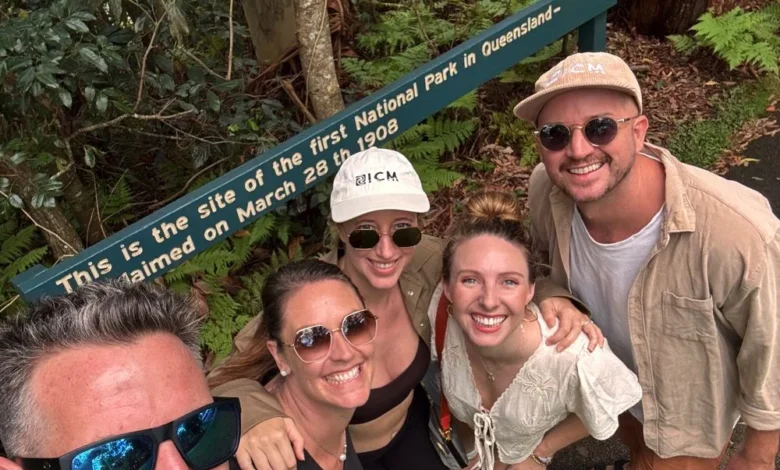
The region’s appeal is underpinned by its geography. Beyond the shoreline, the Gold Coast hinterland—specifically Tamborine Mountain and the surrounding National Parks—provides a vital economic counterbalance to the coastal tourism sector. Tamborine National Park, which holds historical significance as Queensland’s first national park, serves as a case study in effective land management. The park system facilitates biodiversity conservation while supporting sustainable tourism through well-maintained trail networks, such as the Witches Falls circuit.

Analysis of travel patterns in the Currumbin and Tallebudgera valleys reveals a growing demand for "slow tourism." These regions offer a stark contrast to the coastline, featuring protected creeks, lush agricultural zones, and a burgeoning wellness industry. The integration of luxury bathhouses and wellness retreats in these valleys represents a strategic diversification of the Gold Coast’s tourism product, effectively extending the average length of stay by providing activities that are not dependent on ideal beach weather.

Navigating the Region: Transit and Logistics
The logistical complexity of the Gold Coast necessitates a nuanced approach to transportation. While the central coastal strip is well-served by public infrastructure, the most high-value experiences—such as the Witches Falls Winery or the secluded swimming holes in Tallebudgera Creek—require private transport.

Current infrastructure data confirms that while the light rail provides efficient transit between Helensvale and Broadbeach South, it does not service the mountainous inland regions. Consequently, the rental car market remains a vital component of the tourism infrastructure. For international visitors, understanding the transition from the high-density coastal grid to the winding, narrow roads of the hinterland is essential for safety. Road safety authorities recommend that visitors account for significant elevation changes and limited cellular connectivity in the more remote reaches of the hinterland.

Economic Impact and Tourism Trends
The Gold Coast’s tourism sector contributed significantly to the Queensland economy in the last fiscal year, with domestic and international arrivals hitting record levels. The shift toward "experiential tourism"—where travelers seek out local, authentic encounters—has prompted local businesses to pivot. For instance, the collaboration between surf culture and fine dining in areas like Burleigh Heads has transformed the local economy, moving it away from seasonal dependence toward year-round viability.

Statements from local tourism boards highlight that the modern visitor is increasingly interested in the "insider experience." This includes engaging with local pro-surfers at spots like Snapper Rocks, or participating in the burgeoning culinary scene that emphasizes farm-to-table produce sourced from the nearby valleys. This shift reflects a broader global trend where tourists aim to minimize their ecological footprint while maximizing cultural engagement.

Strategic Planning for Extended Stays
For travelers planning a visit of 10 to 14 days, the optimal strategy involves segmenting the trip by geography. A recommended itinerary involves:

- The Urban Coastal Segment (Days 1–4): Base operations in Broadbeach to utilize public transport for visiting Surfers Paradise, Mermaid Beach, and the central retail districts.
- The Southern Surf & Nature Segment (Days 5–8): Transition to Burleigh Heads or Coolangatta. This allows for proximity to Snapper Rocks, Kirra Beach, and the calmer waters of Tallebudgera Creek.
- The Hinterland Segment (Days 9–12): Utilize a rental vehicle to explore the Currumbin Valley and Tamborine Mountain. This phase is best suited for those interested in agriculture, viticulture, and forest conservation.
Implications of Regional Development
The continued growth of the Gold Coast poses unique challenges regarding sustainable urban planning. The tension between high-rise development and the preservation of the natural landscape remains a point of contention among local policy planners. However, the current trend toward promoting the hinterland as a core component of the "Gold Coast experience" suggests a shift toward more sustainable, diversified development. By spreading the impact of tourism across a wider geographic area, the region can potentially reduce the pressure on high-density beachfronts during peak holiday periods.

Ultimately, the Gold Coast functions as a microcosm of Australia’s broader tourism strategy: blending intense, modern urbanity with ancient, protected wilderness. For the informed traveler, the key to a successful visit lies in moving beyond the iconic skyline of Surfers Paradise and engaging with the ecological and cultural depth that characterizes the broader Southeast Queensland region. By adhering to entry regulations, respecting the environmental boundaries of the national parks, and utilizing diverse transit options, visitors can access a side of the Gold Coast that remains both preserved and profoundly rewarding.