Backpacking Europe: The Essential Guide to Strategic and Lightweight Packing for an Optimal Journey

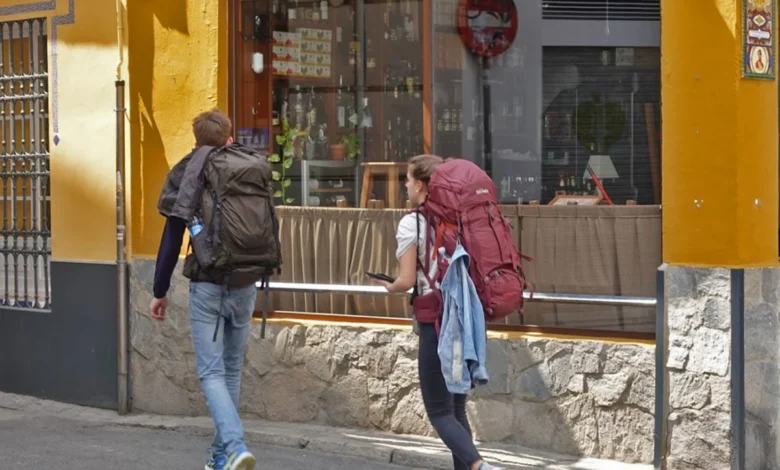
Strategic packing is paramount for an enriching and unburdened backpacking experience across Europe, particularly for novice travelers who frequently fall into the trap of overpacking. Excessive luggage not only impedes mobility between diverse locations but also escalates the risk of theft by making belongings harder to manage and secure. This comprehensive guide aims to equip travelers with the knowledge to select appropriate apparel and gear, emphasizing the critical principles of minimalist packing to ensure a smoother, safer, and more enjoyable European adventure.
The Imperative of Lightweight Travel: Avoiding Common Pitfalls

The decision to pack light extends beyond mere convenience; it is a fundamental aspect of efficient and secure travel. Many budget airlines operating within Europe impose strict carry-on weight limits, often around 10 kilograms (approximately 22 lbs). Exceeding this threshold can result in unexpected and costly baggage fees, eroding a carefully planned travel budget. Furthermore, navigating bustling train stations, cobblestone streets, and crowded public transport with an unwieldy, heavy backpack is physically demanding and can lead to discomfort or injury. Beyond the physical strain, an overloaded bag is more conspicuous and harder to keep under constant surveillance, making one a more attractive target for opportunistic thieves. Adopting a minimalist approach, therefore, is not merely a suggestion but a strategic imperative for a hassle-free journey.
Setting the Benchmark: The 20-22 Pound Guideline
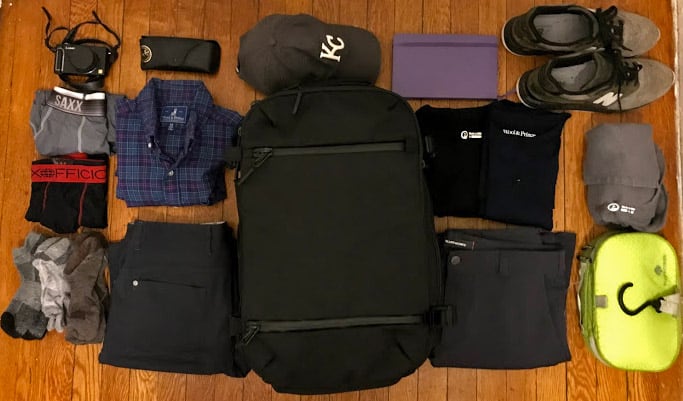
To mitigate these challenges, seasoned backpackers universally advocate for limiting total gear weight, including the backpack itself, to a maximum of 20-22 pounds (9-10 kg). This guideline ensures compliance with most airline carry-on policies, eliminating checked baggage fees and the anxiety of lost luggage. More critically, it significantly enhances physical comfort and mobility, allowing travelers to fully immerse themselves in the European experience without being weighed down by unnecessary bulk. This philosophy underpins the entire packing methodology, prioritizing versatility, durability, and multi-functional items.
The Strategic Clothing Wardrobe: Layers and Durability

Clothing constitutes the largest portion of a traveler’s luggage, making thoughtful selection crucial. The European climate, diverse across regions and seasons, necessitates a layering strategy. This approach allows for adaptation to fluctuating temperatures and varied settings, from warm Mediterranean days to cool Alpine evenings.
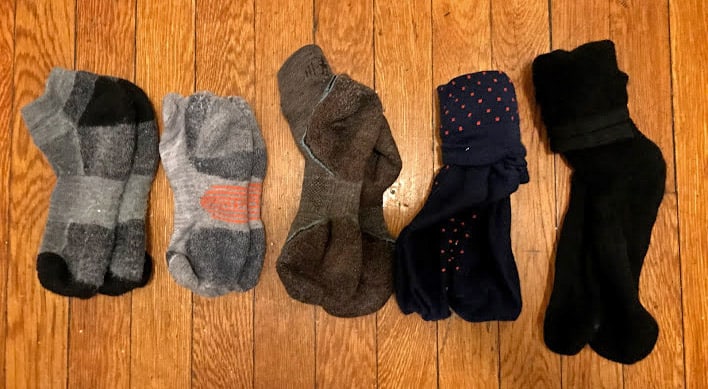
- Socks (5-8 Pairs): The importance of high-quality socks cannot be overstated. Merino wool socks, known for their superior moisture-wicking, odor-resistant, and cushioning properties, are a staple for experienced travelers. Unlike cotton, merino wool maintains its insulating properties even when damp, making it ideal for both summer and winter travel. Brands like Darn Tough, Smartwool, and Icebreaker are highly recommended for their durability and performance. Packing 6-7 pairs allows for daily freshness while rotating wear, often permitting two wears before washing.
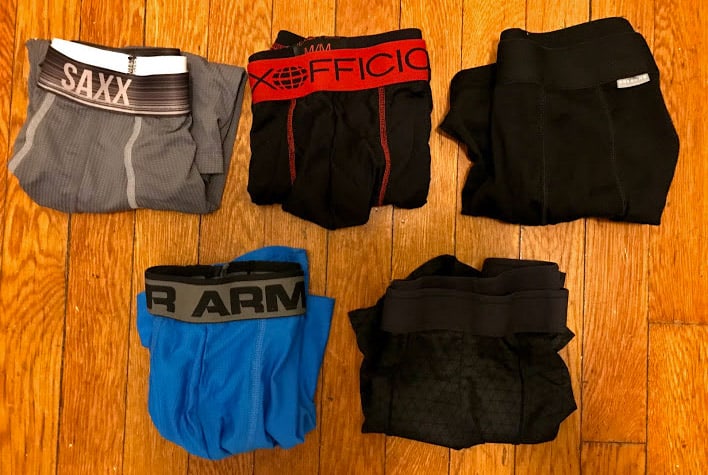
- Underwear (5-9 Pairs): Similar to socks, underwear made from quick-drying, breathable, and odor-resistant synthetic materials or merino wool is preferred. ExOfficio, Smartwool, and Icebreaker offer excellent options that can be easily hand-washed and air-dried overnight, reducing the total number required. Five to seven pairs are generally sufficient, with a few extras for extended periods between laundry cycles.
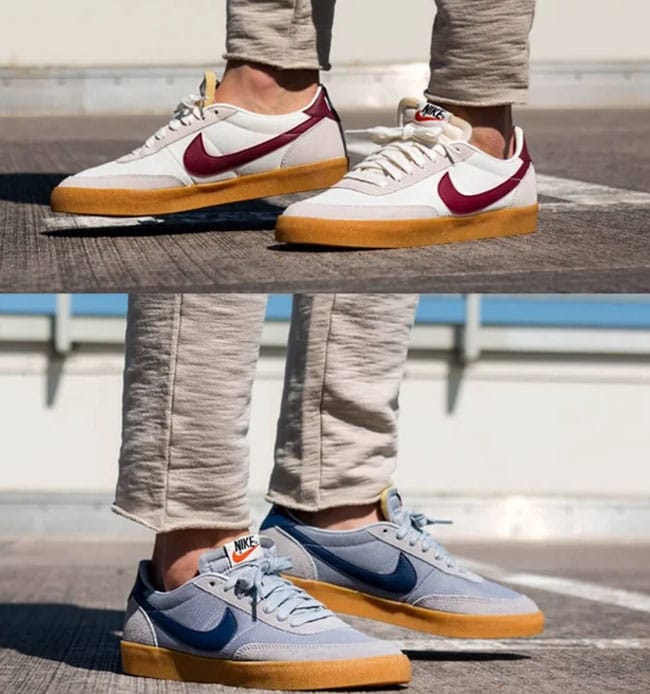
- Shoes (1-2 Pairs): Footwear is arguably the most critical clothing item. Travelers in Europe spend extensive hours walking, necessitating supremely comfortable and supportive shoes. The ideal choice is a versatile pair of stylish sneakers, such as those from New Balance (e.g., 900 series), Nike, or Adidas, which offer both comfort for daytime exploration and sufficient aesthetic appeal for casual evening outings. Leather sneakers are a particularly good compromise. For those anticipating wet weather or light hiking, a sturdy, waterproof "hiking" shoe could be considered, though heavy hiking boots are generally unnecessary unless specific, demanding treks are planned. A pair of inexpensive rubber flip-flops is essential for hostel showers, ensuring hygiene and comfort.
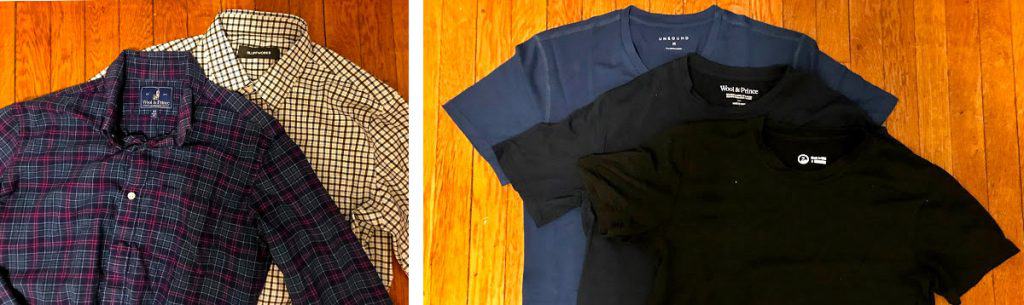
- Shirts and Tops (2-4 Casual Button-Ups, 3-4 T-Shirts, 1-2 Sweaters/Sweatshirts): Versatility is key. Long-sleeve casual button-up shirts, preferably in quick-drying fabrics like linen, light cotton blends, or performance synthetics, can be worn with sleeves rolled up for a relaxed look or down for cooler temperatures or more formal settings. Solid-color t-shirts in cotton or merino wool serve as excellent base layers or standalone pieces. For cooler evenings or during shoulder seasons, a lightweight sweater or sweatshirt that complements other wardrobe items for layering is beneficial. Brands such as Uniqlo, Patagonia, and prAna are noted for their travel-friendly clothing lines.
- Pants (2 Pairs): A pair of dark-wash jeans is a European wardrobe staple, offering versatility for both casual and semi-formal occasions and known for their durability between washes. While heavier and slower to dry than synthetic alternatives, their cultural acceptance and adaptability make them a valuable inclusion. Complementing these with a pair of well-fitting neutral-colored chinos or lightweight travel pants (e.g., from Outlier, Lululemon, prAna) provides an alternative that can be dressed up or down.
- Shorts: While historically less common among European adults, shorts are increasingly accepted, especially in Southern Europe and during summer months. The key is to avoid overly casual athletic shorts or bulky cargo shorts, opting instead for well-fitting chino shorts or stylish denim cut-offs that blend seamlessly with local fashion.
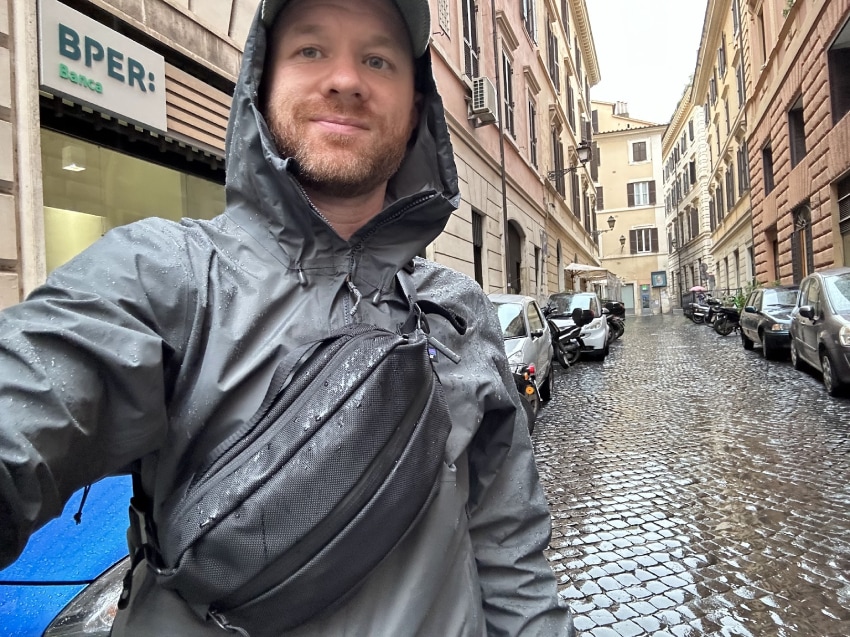
- Jackets and Rainwear: Seasonal travel dictates jacket choices. A lightweight, packable rain jacket (e.g., from Patagonia, Arc’teryx) is crucial for unpredictable European weather. For cooler periods, a light insulated jacket (e.g., down or synthetic puff jacket) or a versatile softshell can provide warmth without excessive bulk. The ability to layer these pieces is central to adapting to diverse conditions.
- Miscellaneous Clothing Items: This category includes a sleep shirt or light pajamas for comfort in shared accommodations, a stylish scarf for both warmth and fashion (especially for women), and a swimsuit if water activities are planned.
Essential Travel Accessories: Enhancing Functionality and Security
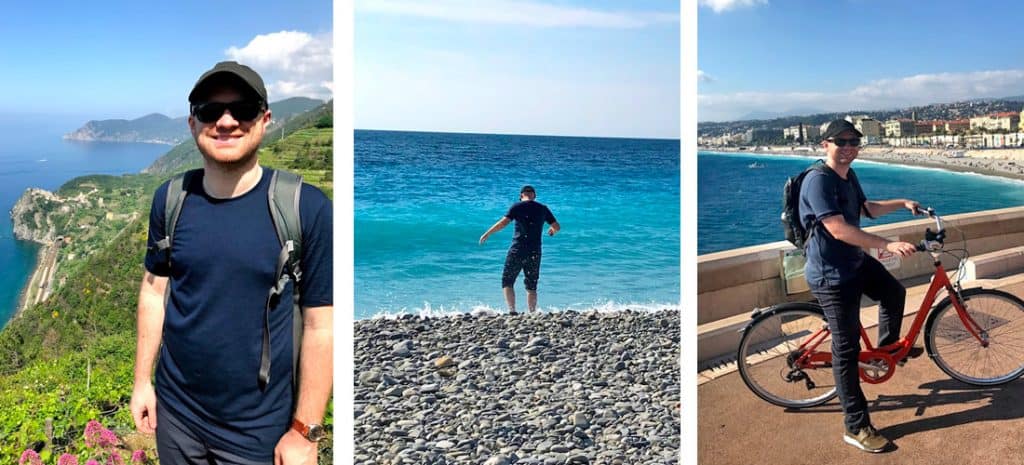
Beyond clothing, a selection of specialized travel accessories significantly enhances the backpacking experience.
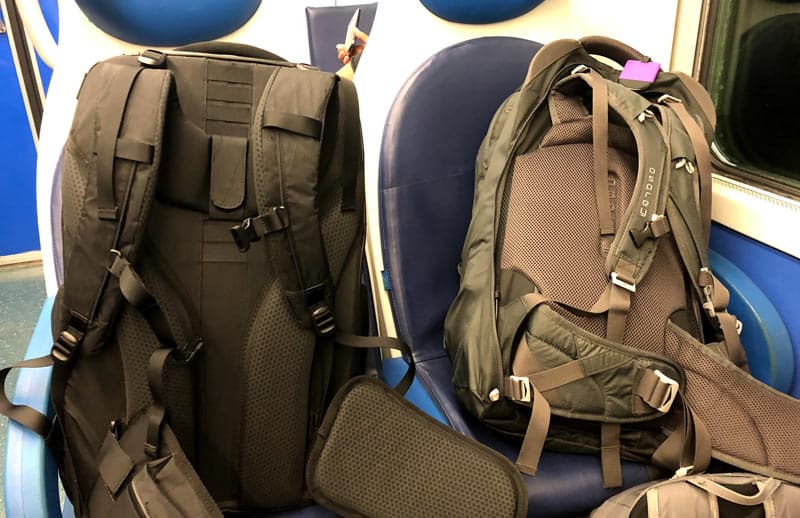
- Travel Backpack (40-50L): The foundation of any backpacking trip. A well-fitted, comfortable backpack with a capacity of 40-50 liters is generally ideal for carry-on compliance. Features like front-loading access, a padded hip belt, and durable materials are critical. Popular choices include the Osprey Farpoint/Fairview, Tortuga Outbreaker, and Deuter ACT Lite.
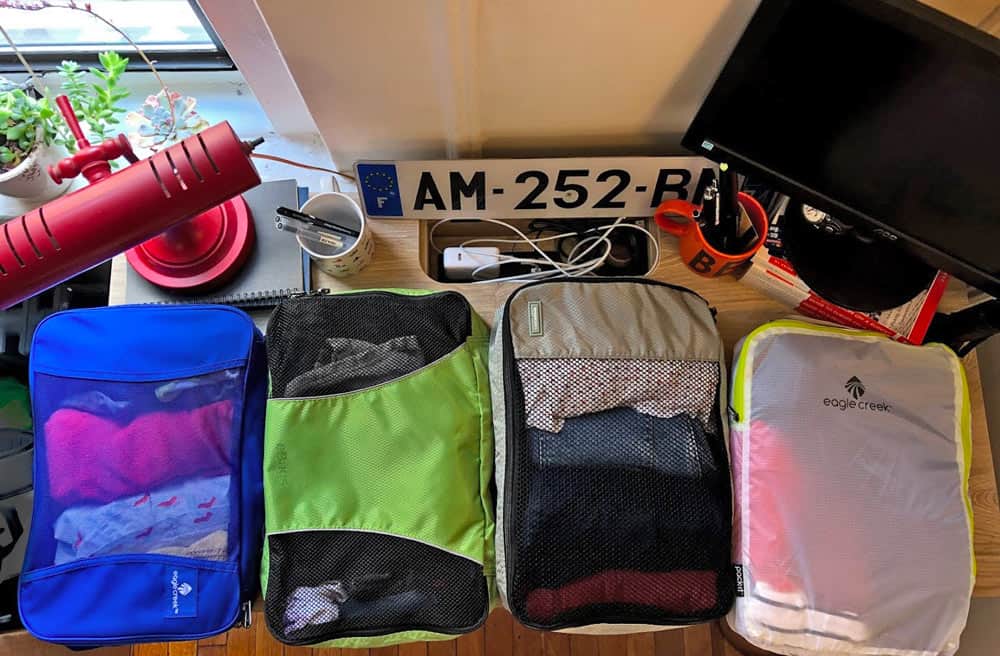
- Packing Cubes: These organizational marvels compartmentalize clothing, reduce wrinkles, and compress items, making it easier to locate specific articles without disrupting the entire pack. Brands like Eagle Creek, Osprey, and Peak Design offer various sizes and compression features.
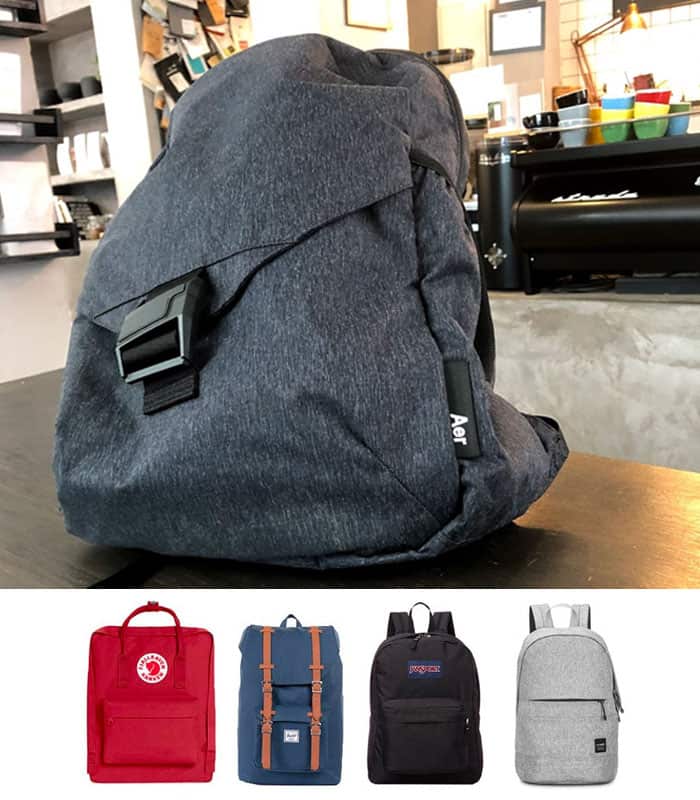
- Travel Daypack (15-25L): A smaller, packable backpack for daily excursions, carrying essentials like a camera, water bottle, and rain jacket. It should ideally fold or compress to fit within the main backpack on travel days.
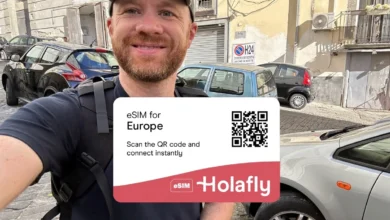
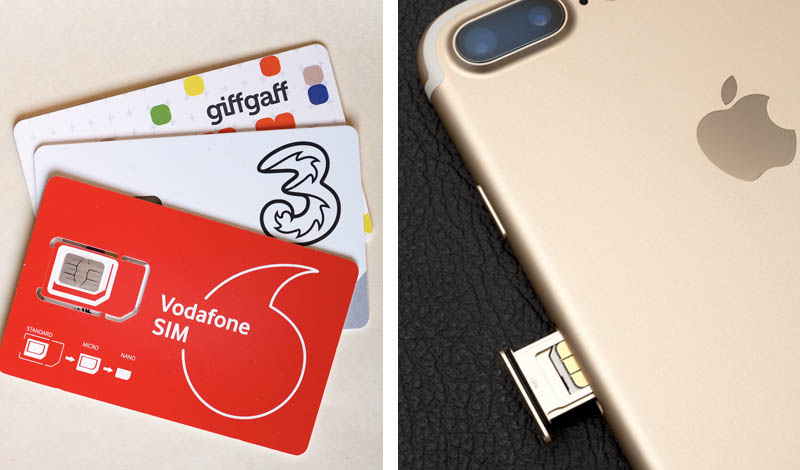
- eSIM Data Plan: For cost-effective and reliable mobile connectivity, an eSIM (embedded SIM) or local SIM card is highly recommended over expensive international roaming plans. Providers like SimOptions or Holafly offer competitive data packages, crucial for navigation, communication, and accessing travel information. This represents a significant cost saving, often reducing daily mobile data expenses from $10-$15 to $3-$5.
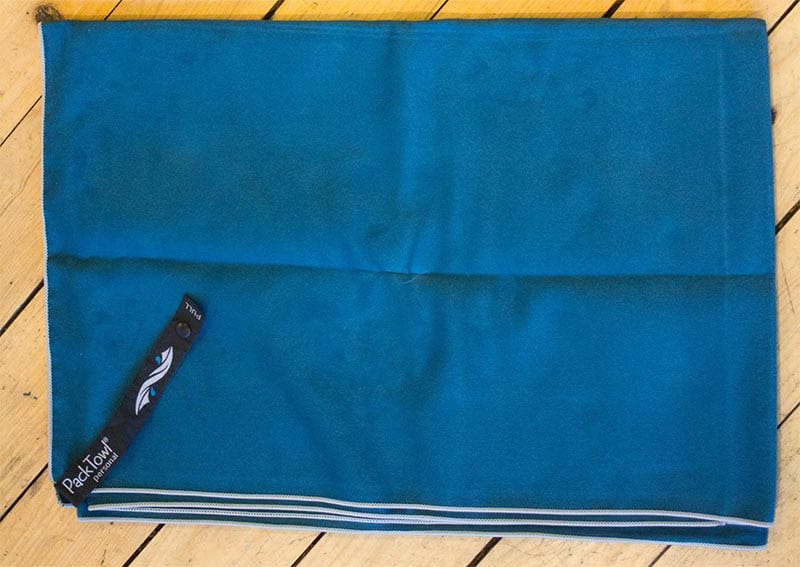
- Travel Towel: A quick-drying microfiber travel towel is indispensable, especially for hostel stays. Unlike traditional cotton towels, they absorb large amounts of water and dry rapidly, preventing musty odors in the backpack.
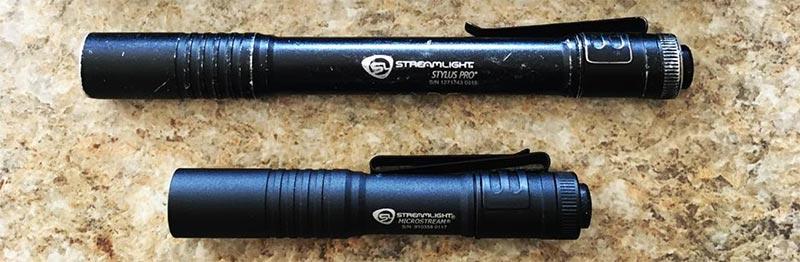
- Small Flashlight/Headlamp: Useful for navigating dark hostel dorms without disturbing others, or for dimly lit streets.
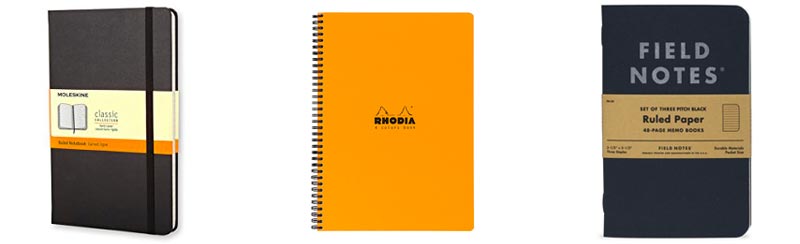
- Notebooks: For jotting down directions, recommendations, personal reflections, or budget tracking. Moleskine or Field Notes are popular for their portability and durability.
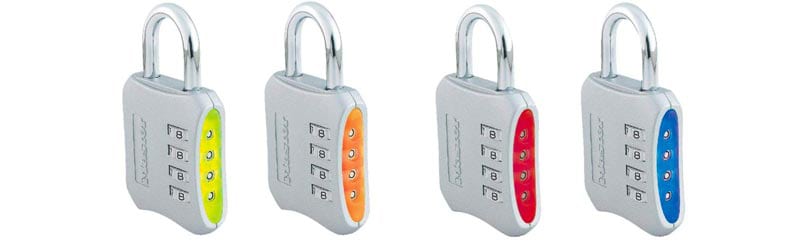
- Padlock & Retractable Cable Lock: Essential for securing lockers in hostels and for attaching luggage to fixed objects during transit, deterring opportunistic theft. TSA-approved combination locks are practical.
- Travel Sleep Sheet/Sleep Sack: For travelers concerned about hostel linen cleanliness, a lightweight cotton or silk sleep sheet provides a personal barrier. Silk versions offer superior comfort, warmth, and packability.
- Earplugs & Eye Mask: Crucial for improving sleep quality in noisy hostels, trains, or planes, offering respite from light and sound disturbances.
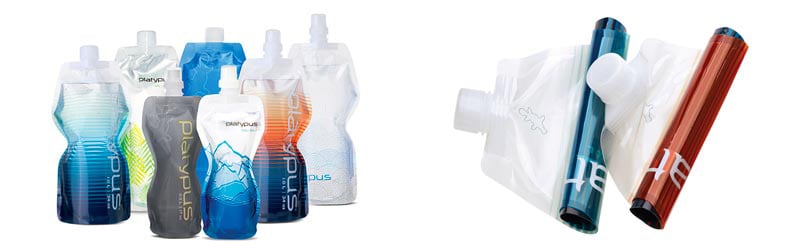
- Reusable Water Bottle: A sustainable and cost-saving item. Flexible bottles like the Platypus Soft Bottle save space when empty.
- Travel Utensils: A compact set of reusable utensils, such as a titanium spork or plastic set, is handy for picnics and self-catering, reducing reliance on disposable options.
- Toothbrush Cover/Sanitizer: To maintain hygiene in varied travel environments.
- Digital Luggage Scale: A small, portable scale helps prevent unexpected overweight baggage fees at the airport.
- Photocopies of Important Documents: Digital copies (stored on cloud services and emailed to oneself) and physical photocopies of passports, visas, and other critical documents are vital for emergencies.
- Ziploc Bags (Multiple Sizes): Indispensable for separating dirty laundry, wet items, or organizing liquids to prevent leaks.
- Money Belt/Anti-Theft Wallet: For enhanced security of valuables, particularly cash and credit cards, in areas prone to pickpocketing. While some travelers prefer not to wear them, they offer an additional layer of protection.
- Collapsible Umbrella: A compact umbrella is a lightweight solution for unexpected rain showers.
- Laundry Supplies: A small amount of concentrated laundry soap, a universal sink stopper, and a lightweight travel clothesline facilitate hand-washing and quick drying of clothes.
- Lint Roller: To maintain a tidy appearance, especially with dark clothing.
- Guidebooks/Phrasebooks: Digital versions on an e-reader or tablet are space-saving. A small physical phrasebook can be useful for learning basic local expressions.
Electronics: Powering Your Journey
Modern travel is increasingly reliant on electronics, necessitating careful consideration of charging solutions.
- Outlet Plug Adapters: Continental Europe primarily uses Type F (Schuko) or Type C plugs, while the UK uses Type G. A universal adapter or a few specific Type C/F adapters for mainland Europe and a Type G for the UK are essential. High-end electronics like phones and laptops are typically dual-voltage, meaning they only require a plug adapter, not a voltage converter.
- Travel Power Strip: Hostels and older hotels often have limited electrical outlets. A compact power strip with USB ports allows multiple devices to charge simultaneously from a single adapter.
- Portable Phone Charger (Power Bank): Indispensable for keeping smartphones charged throughout the day, especially with heavy use of navigation apps, cameras, and social media.
- Tablet or E-reader: A tablet offers entertainment and utility without the bulk of a laptop. An e-reader like an Amazon Kindle is perfect for consuming books and digital guidebooks on long journeys.
- Headphones: Wireless earbuds (e.g., Apple AirPods) offer convenience, while a cheap wired pair can be useful for in-flight entertainment systems.
Health and Hygiene: Travel Toiletries
Minimizing liquids is key to reducing weight and complying with carry-on restrictions. Travelers should prioritize travel-sized versions of essential toiletries or plan to purchase items locally.
- Basics: Toothbrush, toothpaste, floss, razor, shaving cream, small comb/brush, soap/body wash, shampoo, conditioner, deodorant.
- Personal Care: Lip balm with SPF, sunscreen, insect repellent (if applicable), hand sanitizer, feminine hygiene products, basic first-aid kit (band-aids, pain relievers, antiseptic wipes), prescription medications (with copies of prescriptions).
- Optional: Nail clippers, small mirror, moisturizer, hair ties.
Travel Insurance: A Non-Negotiable Investment
While not a physical item to pack, travel insurance is an indispensable component of travel preparedness. It provides a crucial safety net against unforeseen events such as medical emergencies, lost luggage, trip cancellations, or personal liability. Companies like World Nomads are popular among backpackers for their comprehensive coverage options tailored to adventurous travel. Understanding the policy details, including coverage for activities and medical conditions, is vital before departure.
Items to Exclude: The Art of Discarding
A common mistake is packing items that are either unnecessary or easily acquired. These include:
- Full-sized toiletries: Heavy and often exceeding liquid limits.
- Excessive clothing: Laundry facilities are readily available.
- Multiple pairs of shoes: Beyond two versatile pairs, most are superfluous.
- Heavy books/guidebooks: Digital alternatives are lighter and more convenient.
- High-value jewelry or irreplaceable items: Increased risk of loss or theft.
- Large, bulky towels: Travel towels are more practical.
- Voltage converters: Most modern electronics are dual-voltage, requiring only a plug adapter.
- Hiking boots (unless specific, intense hiking is planned): Bulky and unnecessary for urban exploration.
Conclusion: Empowering the Savvy European Backpacker
Embracing the principles of strategic and lightweight packing transforms the European backpacking experience from a logistical challenge into an uninhibited adventure. By adhering to the 20-22 pound guideline, making deliberate choices about versatile clothing, leveraging essential accessories and electronics, and prioritizing travel insurance, individuals can navigate Europe with greater ease, confidence, and enjoyment. This thoughtful approach minimizes stress, enhances mobility, safeguards finances, and ultimately allows travelers to fully engage with the rich tapestry of cultures, histories, and landscapes that define a European journey.