Beyond the Shore: A Comprehensive Guide to the Dual-Nation Caribbean Island of St. Maarten and St. Martin

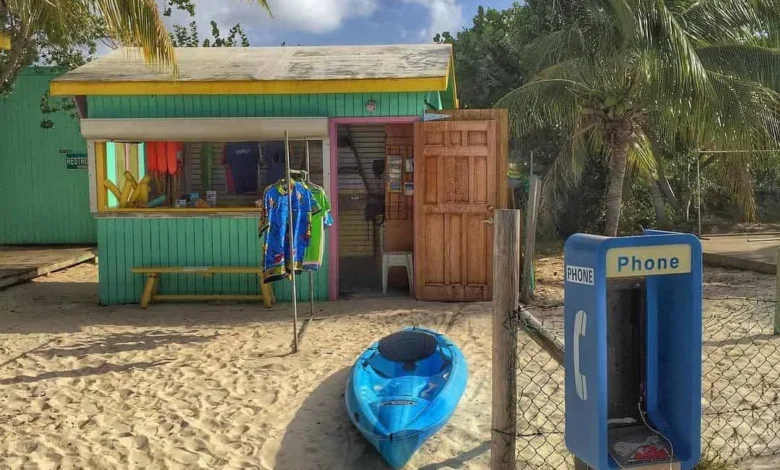
The Caribbean island of St. Maarten and St. Martin, a unique 34-square-mile territory divided between the Kingdom of the Netherlands and the French Republic, remains one of the most culturally complex destinations in the Caribbean. With a history of colonial partition dating back to the 1648 Treaty of Concordia, the island functions today as a singular tourism entity despite its distinct political management. While the island is renowned for its white-sand beaches, it serves as a critical economic hub in the Lesser Antilles, hosting approximately 3.7 million visitors annually.

Historical Context and Political Governance
The island’s status as a dual-nation territory is a product of centuries of European power struggles. The southern portion, Sint Maarten, is an autonomous country within the Kingdom of the Netherlands, characterized by a more Americanized, commercialized tourism infrastructure. The northern portion, Saint Martin, is an Overseas Collectivity of France, which integrates it directly into the French administrative system.
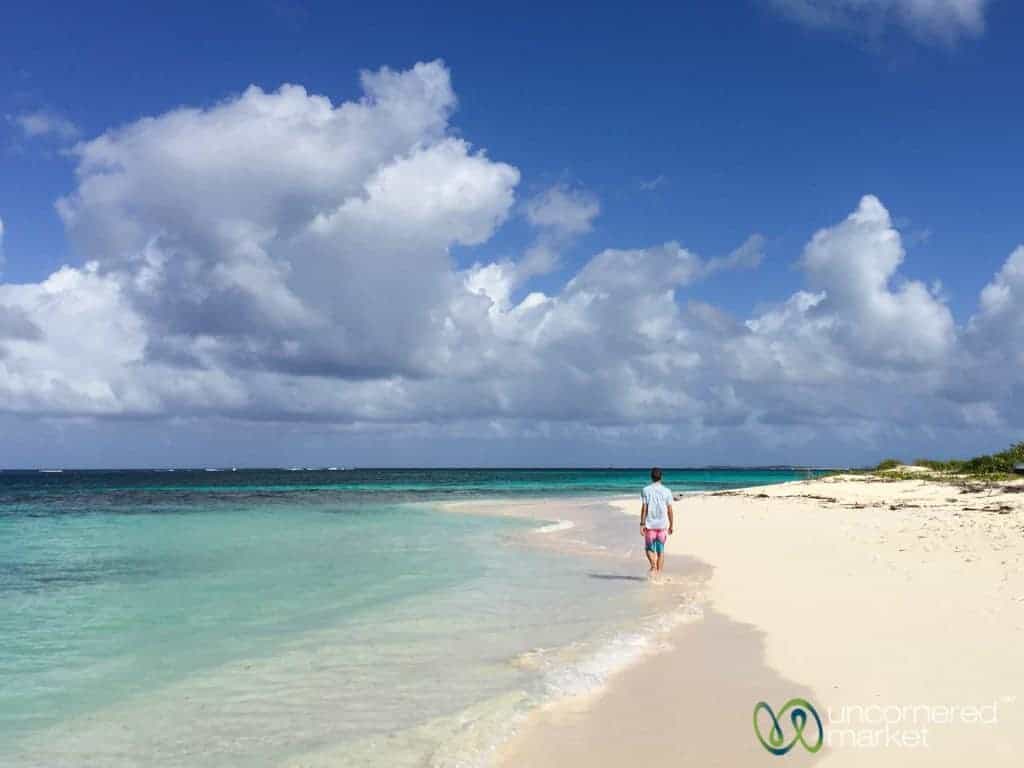
This division is not merely geopolitical but deeply impacts the island’s development. The French side, bound by European Union regulations, maintains stricter zoning laws and a focus on preservation, while the Dutch side has historically prioritized rapid infrastructure development and large-scale hospitality projects. This divergence creates a unique travel dynamic where a single road trip can shift from Dutch-style casinos and nightlife to French-influenced culinary districts and boutique aesthetics.

Economic Impact and Tourism Infrastructure
The island’s economy is overwhelmingly dependent on the tourism and maritime sectors. Following the devastation caused by Hurricane Luis in 1995, which destroyed nearly 90% of the island’s infrastructure, the territory underwent an aggressive reconstruction phase. This process led to the modernization of the Princess Juliana International Airport (SXM), which has become famous for its proximity to Maho Bay, where incoming jets fly at extremely low altitudes over public beaches.

Data indicates that the island’s tourism ecosystem is highly sensitive to external shocks. As observed following the 2017 Atlantic hurricane season, when Hurricane Irma caused catastrophic damage, the island’s ability to rebound is tied to international transit and cruise industry partnerships. Current logistical operations rely heavily on the Dutch side’s deep-water port, which accommodates some of the world’s largest cruise ships, and the French side’s smaller regional airport, L’Espérance, which facilitates inter-island connectivity.
Chronology of Regional Significance
- 1648: The Treaty of Concordia is signed, establishing the border between the French and Dutch sectors, which remains one of the oldest peaceful borders in the world.
- 1995: Hurricane Luis causes near-total destruction of island infrastructure, forcing a complete redesign of building codes and tourism strategy.
- 2017: Hurricane Irma hits the island as a Category 5 storm, leading to extensive structural damage and a multi-year recovery effort.
- 2024: The island reports full restoration of tourism services, with a renewed emphasis on "off-the-beaten-path" exploration to combat the issues of over-tourism in primary hotspots.
Diversifying the Visitor Experience
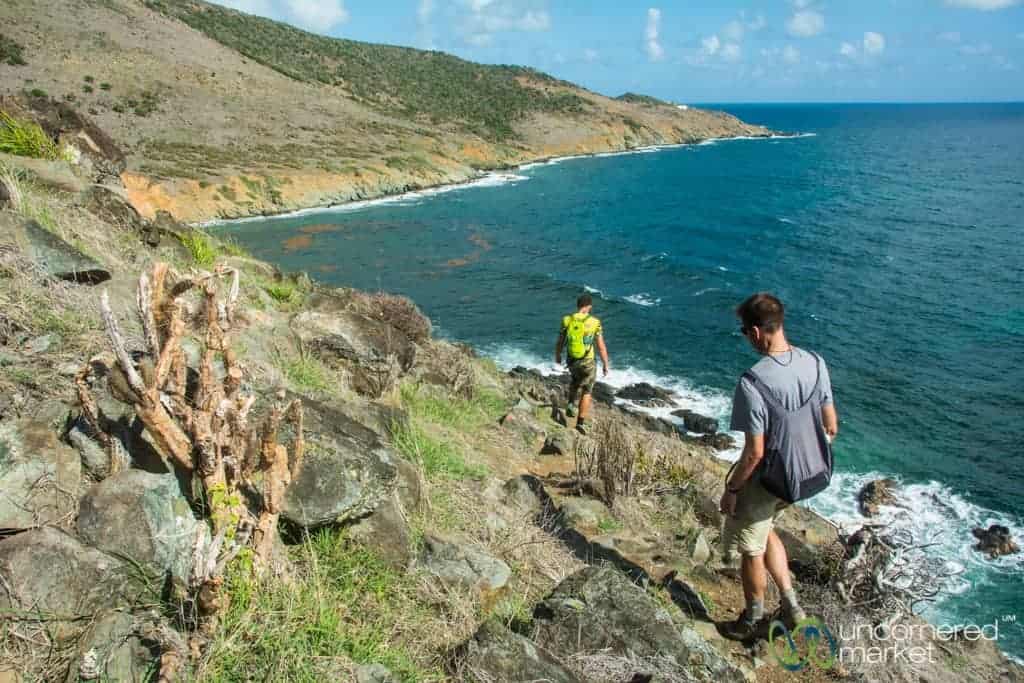
Recognizing that reliance on beach-based tourism leaves the local economy vulnerable, regional tourism boards have shifted their marketing focus toward adventure and cultural heritage. Key initiatives include the promotion of the "Sentier des Froussards" hiking trails, historical bicycle tours of the Philipsburg backstreets, and the preservation of artisanal industries like local rum production.
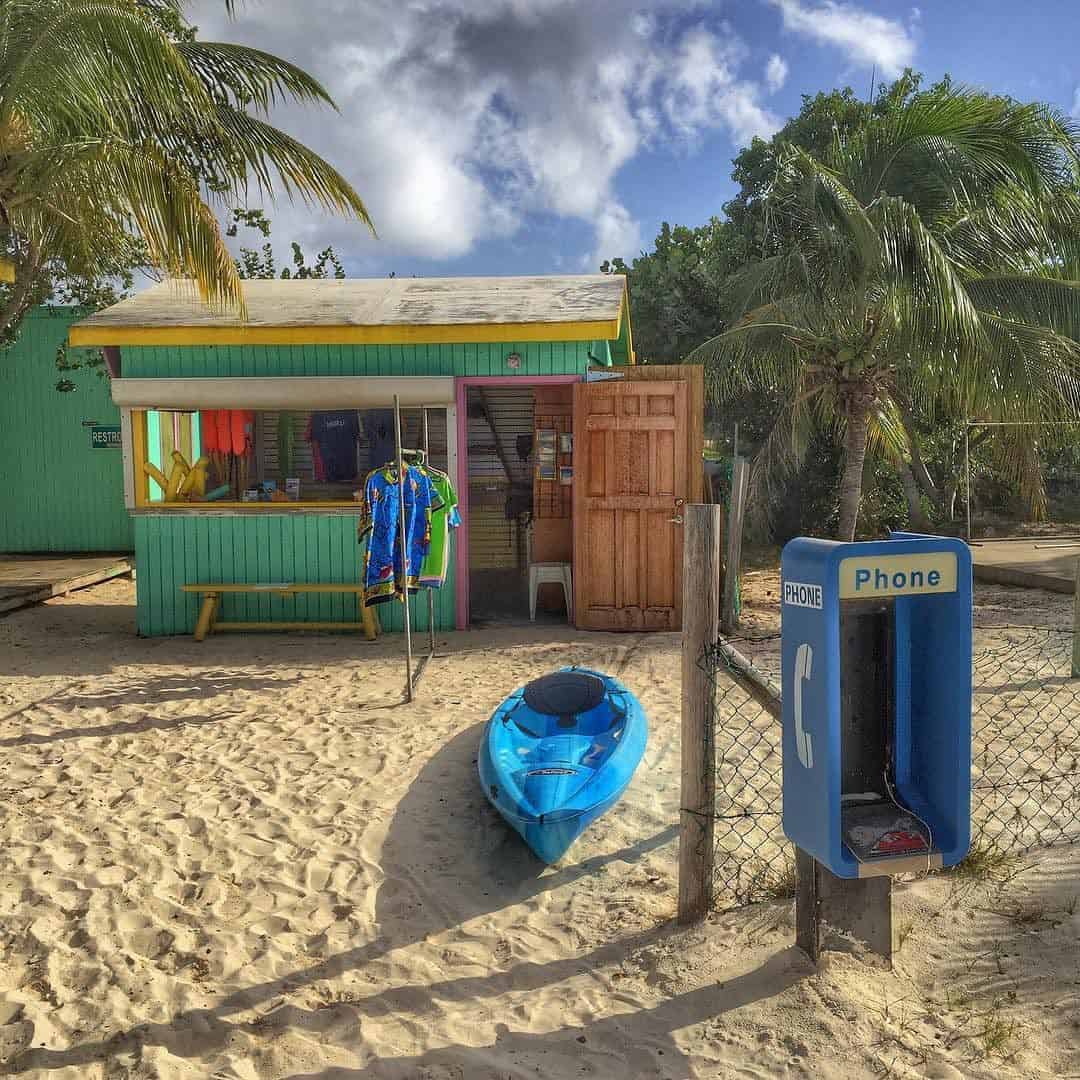
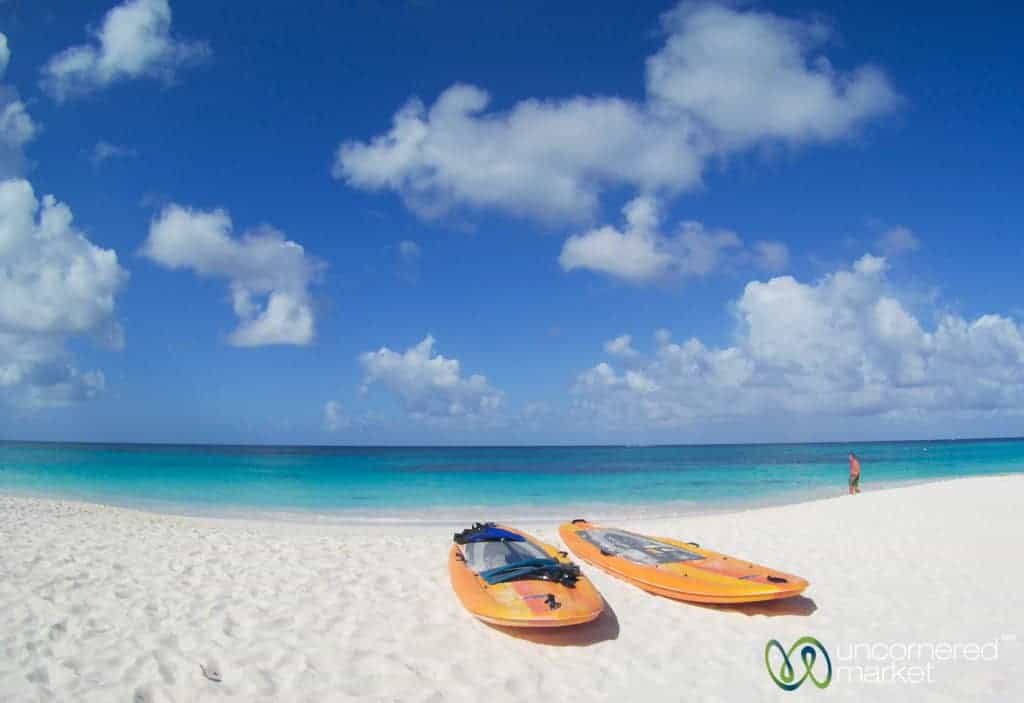
Adventure tourism has become a vital sub-sector. The 12-Metre Challenge, for instance, utilizes retired America’s Cup racing yachts to provide visitors with a high-stakes maritime experience, moving the needle away from passive leisure to participatory sport. Similarly, the growth of marine-based activities, such as kayaking in the Simpson Bay lagoon or scuba diving off the nearby island of Saba, serves to disperse the dense crowds found at Maho Bay and Orient Bay.
Official Perspectives on Sustainable Growth
Local officials have noted that the challenge for the next decade is balancing the influx of cruise ship day-trippers with the preservation of local residential life. The contrast between the "front-facing" tourism districts, such as the shopping-heavy Front Street in Philipsburg, and the quieter, traditional residential areas of the French side, remains a point of management concern.

Statements from regional development agencies emphasize a shift toward high-value, longer-stay tourism. By encouraging visitors to rent vehicles and explore beyond the cruise port, the local government aims to distribute economic benefits to smaller businesses, such as those found in Grand Case or Simpson Bay. This strategy also aims to mitigate the environmental impact of concentrated tourism, which has historically threatened the island’s mangrove forests and coral reef health.

Analytical Impact of Dual-Jurisdiction Logistics
The dual-jurisdiction model presents both benefits and complexities for the visitor. From a regulatory standpoint, the absence of physical border controls allows for the seamless movement of people, yet it requires visitors to be mindful of currency and legal shifts. The Dutch side operates primarily in U.S. Dollars, whereas the French side utilizes the Euro, though both currencies are widely accepted island-wide.

The integration of telecommunications and transport remains a hurdle. Mobile roaming services frequently drop when crossing the border, and traffic congestion between the French and Dutch sectors is a persistent issue. Analysts suggest that for the island to continue growing as a premier destination, infrastructure investment must focus on cross-border traffic management and unified digital connectivity.

Practical Considerations for Modern Travelers
For those planning an excursion, the following logistical framework is recommended:
- Transportation: A rental car remains the most effective way to traverse the 34 square miles. While taxi services are abundant, they are optimized for short-haul trips between hotels and cruise terminals.
- Connectivity: Travelers should be prepared for the border-induced roaming gaps. Purchasing a local SIM card (such as TelCell) is viable for the Dutch side, but it will not bridge the gap into the French territory.
- Dining and Culture: The culinary divide is a defining feature of the island. While the Dutch side offers a globalized menu reflecting the island’s diverse population, the French side, specifically "Restaurant Row" in Grand Case, provides a European-standard gastronomic experience.
- Safety and Environment: As a tropical environment, the island is prone to extreme weather events. Visitors are advised to monitor the EHAS (Electronic Health Authorization System) and local meteorological updates, particularly during the hurricane season, which runs from June to November.
Future Outlook
The island of St. Maarten and St. Martin is currently in a state of transition. By leveraging its unique position as a dual-nation hub, the territory is attempting to redefine itself not just as a cruise stopover, but as a multi-day destination for adventure seekers and cultural enthusiasts. As the island continues to modernize its hospitality sector—seen in the recent high-end renovations of properties like the Morgan Resort—it maintains a delicate balance between its colonial past and its contemporary, globally-facing future.

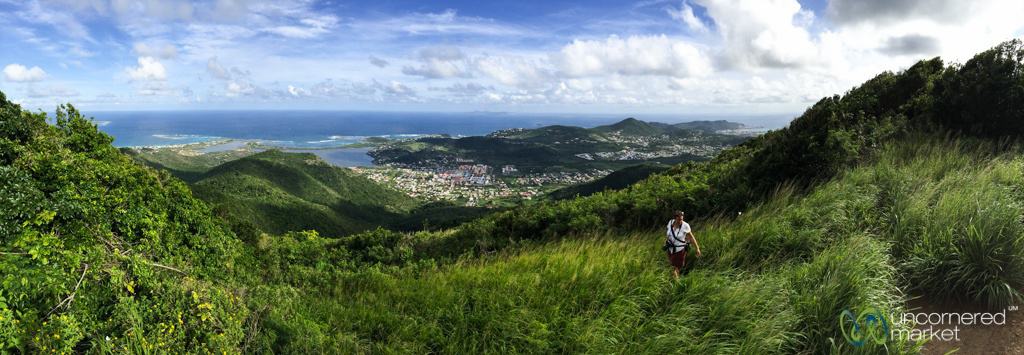
The key to navigating this island effectively lies in recognizing that it is not a monolithic destination. It is a collection of distinct experiences: the high-octane atmosphere of the runway at Maho Bay, the rugged, untamed beauty of the northern coastline, the historic remnants of 17th-century colonial conflict at Fort Amsterdam, and the quiet, sun-drenched solitude of the smaller coves. For the objective observer, the island stands as a testament to the resilience of Caribbean tourism, proving that even after the most severe environmental disruptions, a destination can adapt, evolve, and retain its unique cultural character.