Beyond the Monuments: How Osaka and Modern Tourism Are Redefining the Japanese Travel Experience

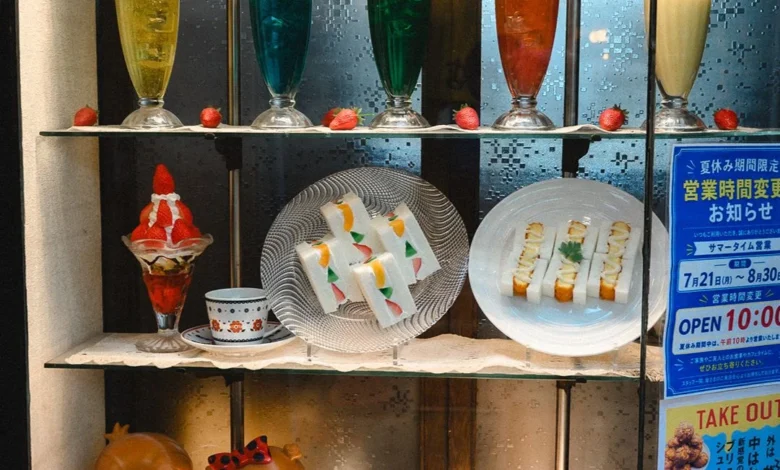
The evolution of contemporary international tourism has prompted a quiet yet profound shift in how travelers perceive and experience global destinations. Rather than prioritizing the methodical curation of checklist monuments, UNESCO World Heritage Sites, and standardized postcard viewpoints, a growing segment of travelers is seeking the unvarnished cultural fabric of a city—its subcultures, culinary traditions, and interpersonal dynamics. This shifting paradigm in global mobility is exemplified in Japan’s third-largest city, Osaka, where a newly launched neighborhood excursion highlights a travel philosophy grounded in human connection rather than architectural spectacles.
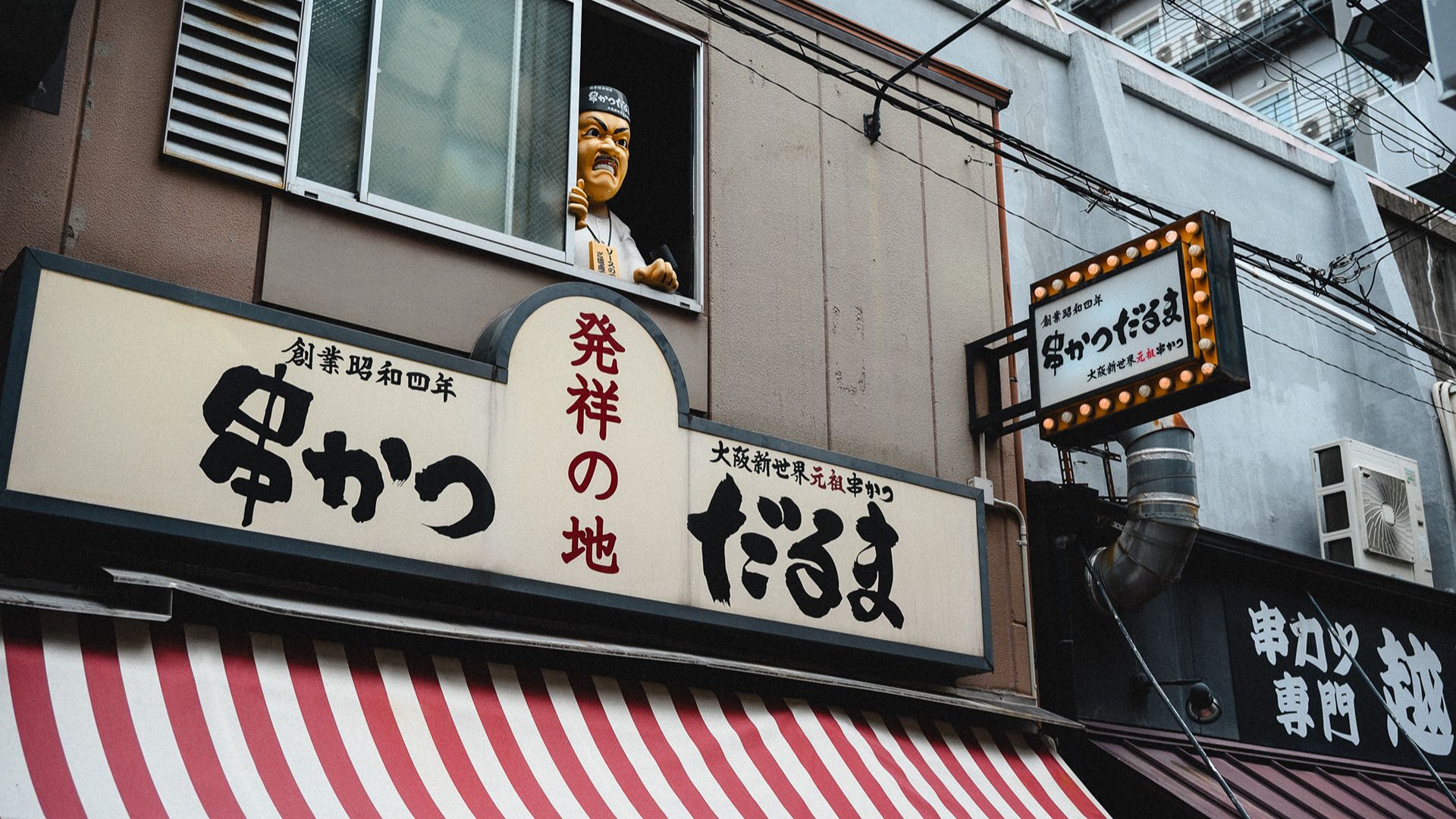
While neighboring Kyoto draws millions annually with its pristine imperial palaces and ancient Shinto shrines, and Tokyo commands attention with its futuristic vertical architecture, Osaka occupies a unique and paradoxical position in Japan’s tourism landscape. Despite housing few globally recognized historical monoliths outside of Osaka Castle and the Kaiyukan Aquarium, Osaka consistently ranks among the nation’s most visited and beloved urban destinations. This enduring appeal has catalyzed a reexamination of what draws visitors to the Kansai region’s economic and cultural engine.
The Changing Landscape of Modern Travel
The modern traveler’s growing fatigue with homogenized, hyper-curated itineraries has created a fertile market for experiential tourism. Industry data indicates an increasing preference for immersion over observation. Travelers are moving away from passive sightseeing toward localized engagement, opting to understand a destination through its socioeconomic history, grassroots commerce, and everyday community spaces.
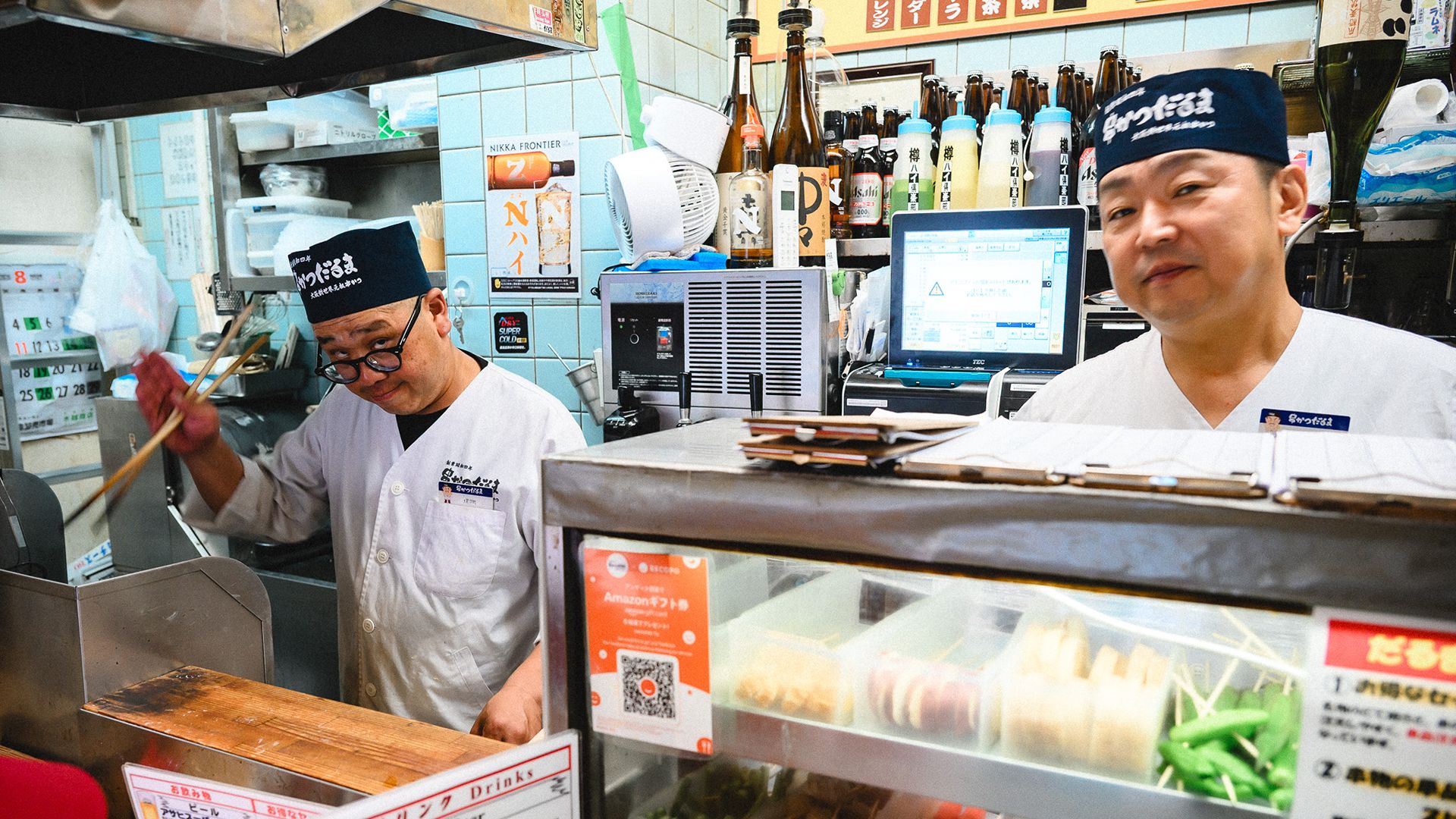
This behavioral pivot aligns seamlessly with Osaka’s inherent identity. Historically recognized as tenka no daidokoro—the nation’s kitchen—the city’s primary cultural currency is not found behind glass museum cases, but within its bustling food markets, post-war alleys, and interactive entertainment districts. Guided by local experts from organizations such as Intrepid Urban Adventures, travelers are increasingly accessing these subterranean layers of urban life, trading traditional landmarks for neighborhoods rich in working-class heritage and subcultural depth.
Chronology and Evolution: Tracing Osaka’s Urban Identity
To comprehend Osaka’s contemporary social landscape, one must examine its complex urban chronology, which spans over a millennium of shifting economic and political prominence. Nearly 1,300 years ago, the area served briefly as Japan’s imperial capital under Emperor Tenmu. Throughout subsequent centuries, its strategic geographic position at the delta of the Yodo River transformed it into a critical domestic and international trade hub, ultimately serving as a logistical stronghold for the feudal warlords who unified Japan.

The 20th century brought rapid industrialization and distinct urban planning experiments, most notably the establishment of the Shinsekai district in 1912. Designed as a utopian model neighborhood drawing architectural inspiration from early 20th-century New York City and Paris, Shinsekai featured Japan’s first amusement park and the iconic Tsutenkaku Tower. However, the district’s fortunes shifted dramatically in the decades following the Second World War. Plagued by economic decline and a rise in organized crime, Shinsekai transitioned into a marginalized red-light district, largely avoided by mainstream tourists and affluent locals alike.
In recent decades, however, a concerted municipal and grassroots effort has rehabilitated the area. Today, Shinsekai bridges its turbulent past with a vibrant present, characterized by retro neon aesthetics, traditional izakaya standing bars, and vintage arcades that preserve late-Showa era nostalgia.

Economic and Social Pillars: Dining, Commerce, and Community
Osaka’s cultural distinctiveness is deeply rooted in its working-class history, particularly through its culinary contributions. Emerging in the early decades of the 20th century as quick, affordable sustenance for day laborers, dishes such as kushikatsu (deep-fried skewered meats and vegetables), takoyaki (octopus-filled batter balls), and okonomiyaki (savory cabbage pancakes) have since evolved into culinary staples of the region.
At establishments like Kushikatsu Daruma—founded in the Shinsekai district nearly a century ago—these culinary traditions are preserved alongside strict dining etiquette, such as the universal prohibition against double-dipping skewers into communal sauce bowls. This unpretentious approach to dining reflects the broader character of Osaka’s residents, who maintain a reputation throughout Japan for their directness, warmth, and self-deprecating humor. Unlike the formalized, often solitary dining experiences found in corporate districts of Tokyo, Osakan culinary culture emphasizes interactive dialogue between patrons and chefs, fostering an environment of communal inclusion.

This pragmatism extends into the city’s commercial geography. Osaka’s traditional shotengai (covered shopping arcades) and historical markets, such as Kuromon Market, continue to function as neighborhood hubs where locals trade daily provisions, fresh sashimi, and regional specialties at accessible prices. Similarly, the Den Den Town district—Osaka’s historical counterpart to Tokyo’s Akihabara—illustrates the city’s embrace of modern subcultures, serving as a prominent nexus for otaku culture, vintage electronics, and collectible pop-culture artifacts.
Broader Implications for the Global Tourism Industry
The rising popularity of neighborhood-focused urban exploration in Osaka points to a broader structural adjustment within the international travel sector. Overtourism in primary heritage hubs across Europe and Asia has accelerated the search for secondary destinations and alternative methodologies of engagement. Cities that lack conventional monumental architecture are discovering new economic viability by marketing their social history, culinary authenticity, and intangible cultural heritage.

Industry analysts suggest that this trend benefits local economies more equitably by decentralizing tourist traffic away from congested heritage sites and distributing expenditures directly to independent vendors, neighborhood artisans, and local tour operators. Furthermore, experiential itineraries that prioritize historical context and human interaction help mitigate the depersonalization often associated with mass tourism.
Ultimately, the enduring appeal of Osaka demonstrates that contemporary travelers are increasingly valuing emotional and cultural resonance over passive consumption. By focusing on the unpolished realities of working-class neighborhoods, historical preservation of community spaces, and unscripted human encounters, destinations like Osaka offer a viable blueprint for the future of sustainable, community-integrated global tourism.