Cultivating Change: How an Urban Farming Collective in Rome is Revolutionizing Italian Agriculture and Empowering Young Growers

On the sun-drenched outskirts of Rome, a dedicated collective of agricultural reformers is quietly redefining the future of sustainable farming. Known as Cooperativa Coraggio, this cooperative has transformed a neglected, legally contested tract of land into a thriving, 22-hectare organic agricultural enterprise. Their efforts are doing more than simply supplying Rome’s top-tier culinary establishments with hyper-local, zero-mile produce; they are establishing a pioneering legal and operational blueprint for a new generation of Italian farmers facing systemic barriers to land ownership.
The initiative intersects modern regenerative agriculture, social inclusion, and progressive urban tourism. Through a partnership with global adventure travel operator Intrepid Travel and its philanthropic arm, the Intrepid Foundation, the cooperative has opened its gates to international travelers, bridging the gap between conscious tourism and grassroots environmental activism. As Italy and the broader European Union grapple with agricultural aging, climate volatility, and urban sprawl, the model forged at the Borghetto San Carlo Estate offers critical insights into localized climate resilience and youth-driven economic revitalization.
From Grassroots Vision to Legal Landmark: A Chronology of the Borghetto San Carlo Estate
The origins of Cooperativa Coraggio trace back to 2011, when co-founder Giacomo Lepri and a cohort of 17 peers—comprising agricultural workers, professional chefs, and hospitality staff—recognized the severe environmental and economic shortcomings of contemporary food supply chains. Witnessing firsthand the degradation caused by industrial agriculture, industrial food transport, and centralized distribution networks, the group resolved to establish a localized, ecologically sound alternative.
Securing physical land proved to be a monumental obstacle. For four years, the collective searched for a viable location near the Italian capital. Their breakthrough arrived with the Borghetto San Carlo Estate, a parcel of land originally designated for commercial development, including a proposed housing project and a shopping mall. Prior to construction, archaeological surveys uncovered significant historical remains beneath the soil, triggering Italian heritage preservation laws that mandate the transfer of such archaeologically significant terrain to public ownership.
In many instances across Italy, reclaimed public lands fall into prolonged legal limbo, becoming abandoned sites vulnerable to vandalism, illegal dumping, and urban decay. Rather than allowing the Borghetto San Carlo Estate to suffer this fate, Lepri and his colleagues initiated a protracted legal challenge against municipal authorities. In 2015, the collective successfully petitioned the courts for the right to rehabilitate the property, transforming it into a functioning organic farm.
This legal victory transcended local success; it established a vital judicial and administrative precedent. Impressed by the viability and community-oriented nature of the project, Rome’s municipal government instituted a formal public tender process designed to entrust public lands to reliable entities capable of executing sustainable initiatives. This policy shift effectively democratized access to agriculture, ensuring that land acquisition was no longer exclusively reserved for individuals or corporations with substantial capital backing.

The ripple effects of this precedent were immediate. In subsequent municipal rounds, young agriculturalists secured substantial tracts of land across the Lazio region. Notably, a 21-year-old farmer, Daniel Burrai, was awarded 33 hectares within Rome’s Marcigliana Nature Reserve to establish organic farming operations and community allotments. Concurrently, a young family acquired 70 hectares north of Rome to launch a large-scale regenerative grazing project raising cattle, sheep, and hens. Ultimately, the framework pioneered at Borghetto San Carlo contributed to the structural shaping of a national land-access initiative that has since replicated similar programs across approximately 900 Italian municipalities.
Adopting Agroecology and Climate Resilience
Operating an expansive organic farm on the outskirts of a major metropolis presents distinct operational challenges, none more acute than water scarcity. Unlike the vast majority of agricultural estates in the region, the Borghetto San Carlo Estate lacks an independent subterranean water well. Rather than resorting to high-intensity irrigation or demanding costly municipal water infrastructure, the cooperative leveraged the limitation to drive agroecological innovation.
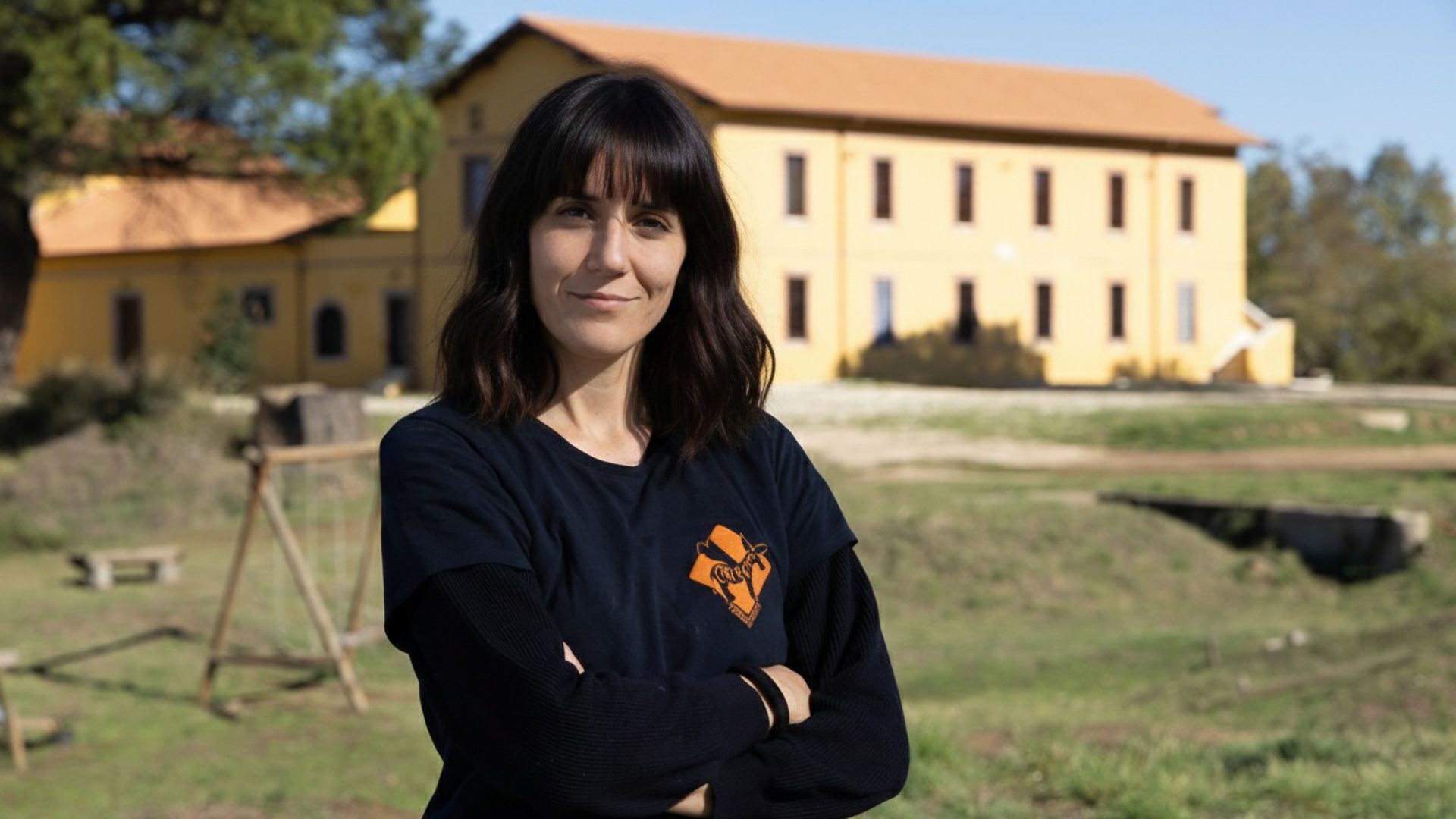
Alessia Mazzu, an environmental science graduate who transitioned from a temporary two-week placement to a permanent leadership role at the co-op, highlights the adaptability required to farm in a rapidly warming Mediterranean climate.
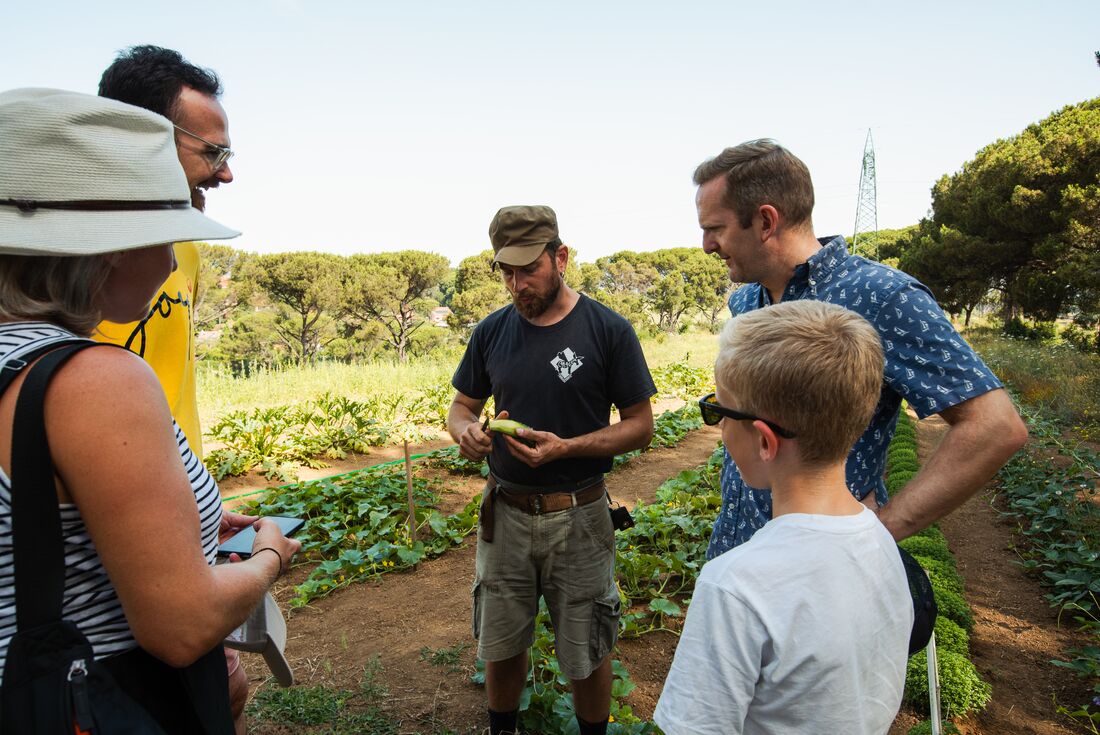
"At first, it was not a good surprise to find there was no water source," Mazzu explains. "Instead of thinking, ‘Okay, we have to find water and dig everywhere we can,’ we decided to adapt. We researched which plants could work with the dry and increasingly hot climate."
This philosophy led the team to source ancient, resilient heirloom crop varieties, most notably the siccagno tomato. Originating from the arid, mountainous terrain of Sicily, these drought-resistant tomatoes thrive on minimal moisture. Supported by a network of rainwater harvesting tanks, the plants receive approximately a single glass of water per week—a fraction of the resource expenditure demanded by conventional commercial tomato varieties. Furthermore, the cooperative is exploring advanced atmospheric water capture methods, such as fog nets, to further insulate their yields against meteorological volatility.
The farm’s broader methodology relies strictly on biodiversity and natural soil regeneration rather than chemical intervention. Cultivating seasonal vegetables, cereals, legumes, an orchard, and an olive grove, the co-op deliberately avoids synthetic fertilizers and pesticides, prioritizing soil health and long-term ecological balance over short-term yield maximization.
Economic Integration and Social Inclusion
Cooperativa Coraggio operates as an integral component of Rome’s localized green economy, functioning as a vital supplier to regional businesses. The estate currently provides organic produce to five local retail shops and four high-profile dining establishments, including two pizzerias operated by internationally acclaimed chef Gabriel Bonci and another owned by one of his former apprentices. By shortening the supply chain between producer and consumer, the co-op reduces the carbon footprint associated with urban food distribution while stimulating consumer demand for sustainable agricultural goods.
Beyond commercial output, the cooperative functions as a social enterprise. The permanent staff comprises six local farmers alongside dedicated training programs for four agricultural interns. Crucially, the organization collaborates with local social services to provide specialized agricultural therapy and skills development programs for individuals with intellectual disabilities, fostering an inclusive workplace model that merges vocational training with community health initiatives.
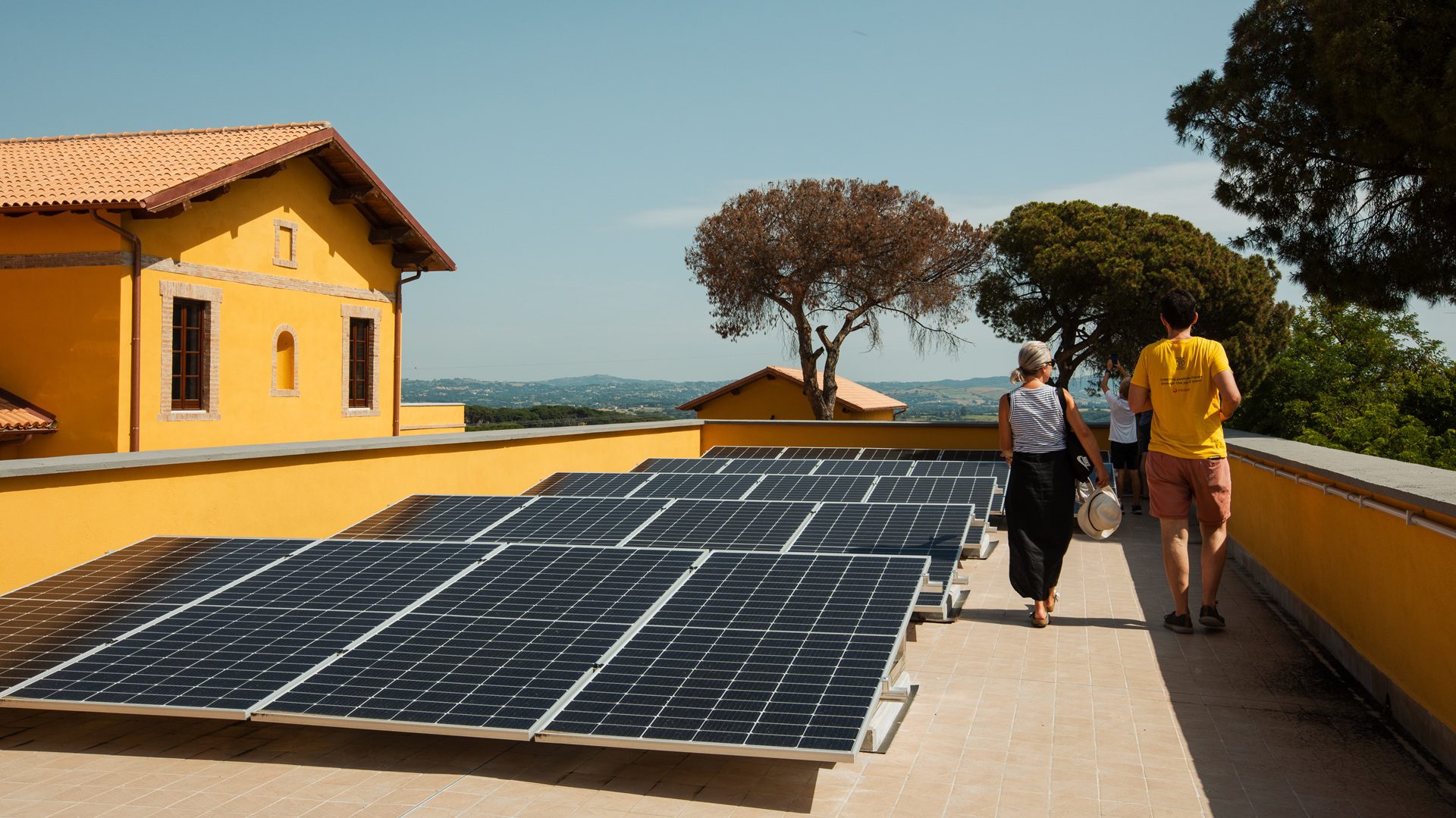
The financial foundation of these social programs has been bolstered significantly through international partnerships. In 2023, Cooperativa Coraggio became an official partner of the Intrepid Foundation, the non-profit wing of Intrepid Travel. Since the partnership’s inception, the foundation has channeled more than AUD 194,000 to the co-op through matched traveler donations. Additionally, the cooperative was awarded a AUD 50,000 impact grant, which funded the installation of solar-powered hot water systems for a newly constructed on-site hostel. This facility is designed to house international volunteers and students seeking immersive education in agroecology and sustainable farm management.
Implications for European Sustainable Agriculture

The trajectory of Cooperativa Coraggio offers valuable analytical insights for agricultural policymakers across Europe. The European Union’s Common Agricultural Policy (CAP) has faced persistent criticism for failing to adequately support young farmers, who routinely cite prohibitive land prices, bureaucratic friction, and capital acquisition hurdles as insurmountable barriers to entry.
By demonstrating that abandoned public lands can be successfully converted into economically viable, ecologically regenerative enterprises through community-led litigation and municipal cooperation, the Roman collective presents a scalable public-private administrative model. When local governments proactively liberate idle municipal real estate for agroecological initiatives, they simultaneously address urban decay, youth unemployment, food security, and climate adaptation.
Looking forward, Giacomo Lepri and his team envision the Borghetto San Carlo Estate evolving into a comprehensive regional agroecological hub. Plans are currently underway to expand educational outreach, establish on-site food processing infrastructure, and create a permanent community gathering space centered around sustainable food systems.
As groups of international travelers gather around wooden picnic tables in the Roman countryside to prepare meals from the very soil beneath their feet, the broader significance of the cooperative’s journey becomes clear. What began as an improbable venture by 17 idealistic friends has matured into an institutional pillar of modern Italian agriculture—proving that with institutional reform, ecological stewardship, and community resilience, even the most improbable visions can take root and thrive.