Ionian vs Aegean sailing: Calm coves or Meltemi days choosing between the Ionian and the Aegean

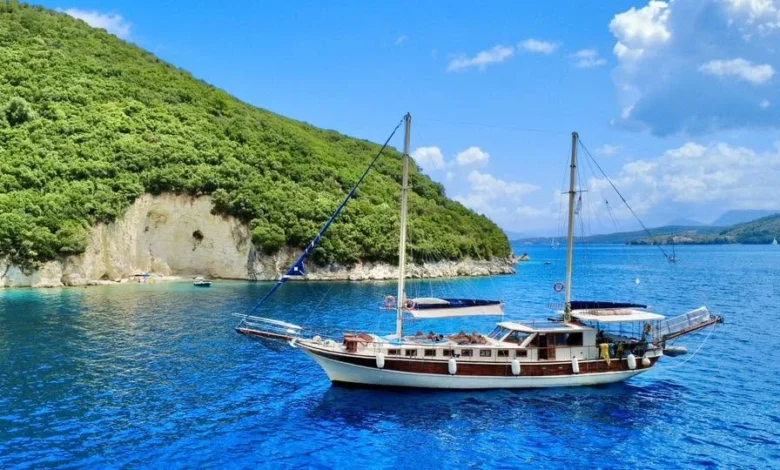
The decision to embark on a sailing holiday in Greece requires a fundamental choice between two distinct maritime regions: the Ionian Sea, situated to the west of the mainland, and the Aegean Sea, which lies to the east. While both destinations offer access to world-class coastal beauty, they present vastly different environments regarding wind patterns, topography, and the logistical nature of the sailing experience. Understanding these differences is essential for travelers, particularly those considering a gulet—a traditional wooden sailing vessel—where the itinerary is often dictated by the prevailing weather conditions.
Geographical and Climatic Distinctions
The Ionian Sea is characterized by its relative consistency and sheltered geography. Spanning the route from Corfu in the north down to Zante, this region is defined by lush, mountainous terrain and emerald-hued waters. The primary meteorological feature of the Ionian is the maistro, a mild north-westerly wind that typically emerges in late morning. It generally maintains a steady force of 3 to 5 on the Beaufort scale, peaking in the afternoon before dissipating by evening. This pattern ensures calm, predictable nights at anchor, making the Ionian an ideal environment for first-time sailors or those who prefer a more relaxed pace.
In contrast, the Aegean is a more dynamic, complex region, often categorized into three distinct sub-areas: the Cyclades, the Dodecanese, and the Northern Aegean. The landscape here is markedly different, characterized by arid, rocky coastlines, iconic white-washed architecture, and expansive horizons. The defining challenge of the Aegean is the meltemi, a robust, dry northerly wind that dominates the summer months of July and August. During this peak season, the meltemi can reach forces of 6 or 7 on the Beaufort scale, occasionally persisting for several days. While these winds are a challenge, they also serve to moderate the intense summer heat, and the proximity of islands in the Dodecanese often provides sufficient natural shelter to mitigate the impact on smaller vessels.
The Evolution of the Greek Gulet Holiday
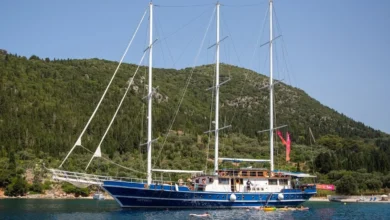
The popularity of the gulet as a tourism vessel in Greece has grown steadily over the last decade. Historically utilized for trade and fishing along the Turkish and Greek coasts, these vessels have been repurposed for luxury and leisure cruising. For modern travelers, the "gulet experience" is defined by the presence of a professional crew—a captain, a cook, and deckhands—who manage all technical aspects of navigation and meal preparation. This removes the barrier of entry for travelers who lack maritime certification or experience.
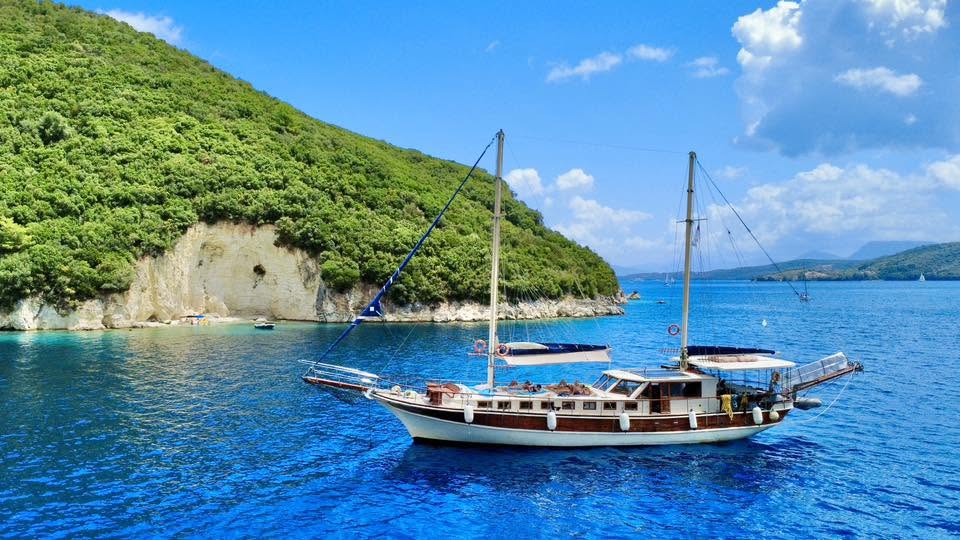
As of late 2026, industry data indicates that competitive pricing for a seven-day excursion remains a significant draw. Entry-level rates for Ionian routes starting from Corfu or Zante begin at approximately £763 per person, though travelers are advised to account for additional mandatory costs, including port fees and national cruise taxes, which can vary by itinerary.
Navigating the Itineraries: A Comparative Analysis
The shape of a typical day on a sailing holiday is dictated by the distance between island chains. In the Ionian, the proximity of islands such as Paxos, Lefkada, Ithaca, and Kefalonia allows for short, manageable transit times. This structure facilitates a routine of morning swimming, short cruising segments, and late afternoon arrival at a harbor village, maximizing leisure time.
Conversely, the Cyclades often require longer, more exposed open-water passages. The route from Athens (Salamina) to islands such as Kea, Syros, and Mykonos involves crossing stretches of sea where the influence of the meltemi is most pronounced. However, the reward for these longer crossings is access to historical landmarks and a more vibrant nightlife. The Dodecanese, stretching from Kos to Rhodes, offers a middle ground; the island chain is dense, allowing for shorter hops similar to the Ionian, but with a significantly higher concentration of UNESCO World Heritage sites, such as the Monastery of Saint John in Patmos and the medieval city of Rhodes.
Strategic Considerations for Prospective Travelers
For travelers, the choice between these regions should be informed by personal tolerance for wind and interest in specific cultural or social experiences.
- For First-Time Sailors: The Ionian is widely considered the superior choice. The predictable nature of the wind and the high density of sheltered bays provide a "gentle" introduction to life on the water.
- For Cultural Enthusiasts: The Dodecanese offers an unmatched density of historical sites. Travelers can explore ancient ruins in the morning and anchor in secluded bays by afternoon.
- For Social and Nightlife Seekers: The Cyclades are unparalleled. Islands like Mykonos serve as major hubs for international tourism, offering sophisticated dining and nightlife, though this comes with the trade-off of more challenging sailing conditions.
- For Seasickness Sensitivity: The Ionian is the most recommended region. If travelers must visit the Aegean, booking during the "shoulder season"—specifically May, June, or September—significantly reduces the probability of encountering the high-velocity meltemi.
Industry Standards and Operational Realities
Operators such as "Sail in Greece" emphasize that the primary role of the captain is safety and adaptability. On any given day, the planned itinerary is subject to change based on real-time weather reports. This is a crucial point for potential guests: in the Ionian, route deviations are rare, whereas, in the Aegean during July and August, flexibility is a necessity.
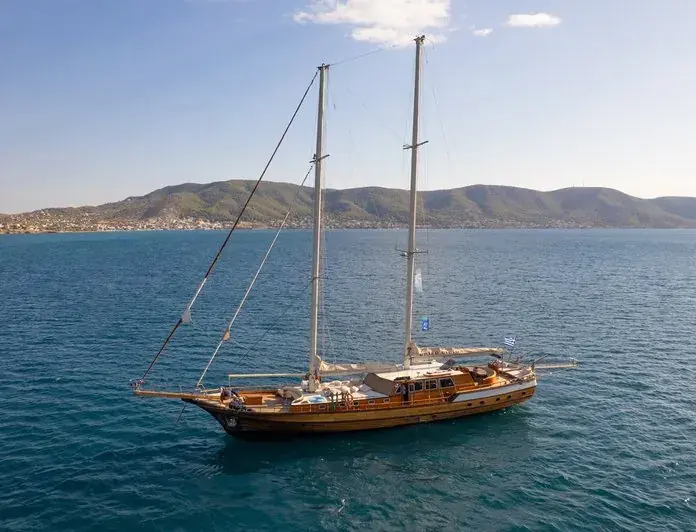
When evaluating potential bookings, prospective guests are encouraged to query operators on the following points:
- The specific area of operations: Ensure the operator clarifies whether the route is in the Cyclades (windier, more exposed) or the Dodecanese (more sheltered).
- Maximum leg length: Ask for the duration of the longest open-water crossing to gauge comfort levels.
- Provisions for adverse weather: Confirm the operator’s protocol for high-wind events.
- Demographic targeting: Many cruises now offer age-specific departures, such as the 18 to 39 demographic cruises, which cater to different social expectations than family-oriented or couple-centric departures.
Broader Implications of Tourism Infrastructure
The development of these sailing routes has had a measurable impact on local economies. By rotating through smaller ports—such as those on Meganisi or Lipsi—these cruises distribute tourism revenue beyond the primary hubs of Athens or Corfu. This "island-hopping" model supports local tavernas, olive oil producers, and small-scale craft artisans, integrating the traveler into the local fabric of the Greek islands.
Furthermore, the rise of the gulet sector has necessitated improvements in port infrastructure. Many of the harbors across the Ionian and Aegean have seen upgrades to water and electricity supply systems to accommodate larger, more modern vessels. However, officials continue to monitor the environmental impact, particularly regarding wastewater management and anchor damage to seagrass meadows, leading to stricter regulations on where and how vessels can moor.
Conclusion
The divergence between Ionian and Aegean sailing is not merely a matter of geography, but a choice between two distinct Mediterranean experiences. The Ionian promises tranquility, consistent climate, and a nature-led itinerary, while the Aegean offers the quintessential Greek experience of history, vibrant culture, and more challenging, rewarding navigation. Whether seeking the quiet coves of the west or the iconic, wind-swept horizons of the east, travelers who align their expectations with the meteorological and geographical realities of these regions are far more likely to have a successful and memorable maritime holiday. Regardless of the region, the foundational element of any gulet cruise remains the expertise of the crew and the ability to remain flexible in the face of the Aegean’s shifting winds or the Ionian’s steady, rhythmic currents.