Navigating the Big Apple: The Definitive Neighborhood and Accommodation Guide for First-Time New York City Visitors

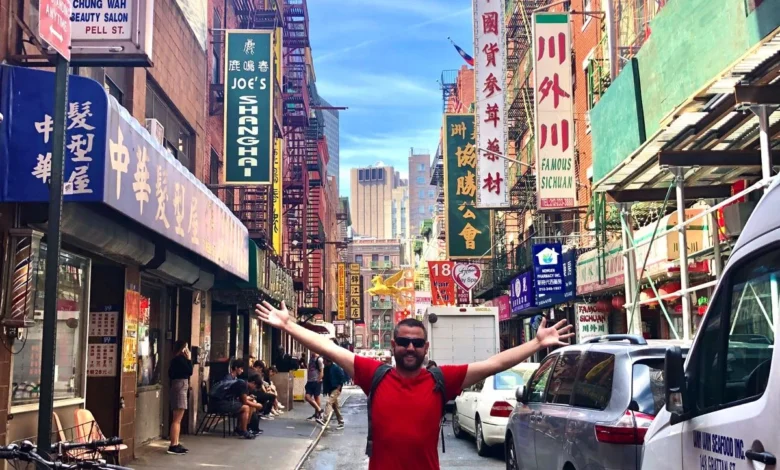
New York City consistently ranks as one of the most visited and complex urban destinations in the world. Comprising five distinct boroughs—Manhattan, Brooklyn, Queens, the Bronx, and Staten Island—the metropolis encompasses dozens of micro-neighborhoods, thousands of lodging properties, and an extensive mass transit grid. For first-time travelers, navigating this logistical landscape can prove formidable. Deciding where to establish a basecamp is often the single most consequential choice of the entire itinerary, directly dictating commute times, daily expenditure, and the breadth of sightseeing opportunities.
Industry data from tourism boards indicates that millions of international and domestic visitors arrive in New York annually, with the vast majority citing sightseeing, culinary exploration, and cultural immersion as primary motivations. Given the sheer scale of the city—spanning over 300 square miles of urban terrain—urban planners and travel experts universally advise strategic lodging choices to maximize efficiency and minimize transit fatigue.

Core Geographical Breakdown: Manhattan vs. Outer Boroughs
For travelers undertaking their inaugural trip to the city, urban logistics heavily favor a Manhattan-centric itinerary. While Brooklyn and Queens boast vibrant cultural scenes, independent boutiques, and comparatively lower accommodation costs, Manhattan remains the epicenter of global tourism.
Manhattan houses the overwhelming majority of internationally recognized architectural landmarks, corporate headquarters, and cultural institutions. Concentrating accommodation within this borough drastically reduces transit times, allowing visitors to transition seamlessly between activities. According to urban mobility studies, visitors staying in central Manhattan spend an average of 40% less daily transit time compared to those commuting from the outer boroughs, translating directly into hours reclaimed for sightseeing.
+-------------------------------------------------------------------------+
|                  FIRST-TIME NYC VISITOR BOROUGH MATRIX                  |
+-------------------+---------------------------+-------------------------+
| Borough           | Primary Advantage         | Recommended For         |
+-------------------+---------------------------+-------------------------+
| Manhattan         | Unrivaled proximity to    | First-time visitors,    |
|                   | major landmarks & transit | short itineraries (<5d) |
+-------------------+---------------------------+-------------------------+
| Brooklyn          | Trendy neighborhoods,     | Repeat visitors,        |
|                   | creative culinary scene   | extended stays (>7d)    |
+-------------------+---------------------------+-------------------------+
| Queens            | Exceptional diversity &   | Cultural immersion,     |
|                   | authentic local dining    | budget-conscious trips  |
+-------------------+---------------------------+-------------------------+
Midtown Manhattan: The Optimal Base for Sightseeing
Within Manhattan itself, micro-location is critical. Midtown Manhattan emerges as the premier zone for visitors prioritizing efficiency and classic urban aesthetics. Bounded roughly by 34th Street to the south and 59th Street to the north, Midtown represents the architectural and infrastructural heartbeat of the city.

The area acts as a central nexus connecting Lower Manhattan’s historical financial district with the expansive green space of Central Park to the north. Visitors residing in Midtown gain immediate, often walking-distance access to a dense concentration of global landmarks, including:
- The Empire State Building
- Grand Central Terminal
- Bryant Park and the New York Public Library
- Fifth Avenue luxury retail corridors
- Rockefeller Center
- Times Square and the Broadway Theater District
Hospitality analysts note that Midtown properties cater heavily to transient leisure travelers, offering robust infrastructure, multilingual concierge services, and immediate proximity to major subway arteries such as lines 4, 5, 6, 7, and the S shuttle.
Case Study in Urban Logistics: The NH Collection New York Madison Avenue
To evaluate lodging dynamics within Midtown, urban analysts frequently point to properties positioned along transit corridors, such as the NH Collection New York Madison Avenue situated at Madison Avenue and East 38th Street. Housed within a historically significant 1923 architectural structure that underwent comprehensive structural and interior modernization prior to its 2021 reopening, the property exemplifies the integration of historic urban preservation with contemporary hospitality standards.

Situated mere blocks from Grand Central Terminal, such locations provide guests with frictionless access to both regional commuter rail networks and municipal subway lines. This strategic positioning mitigates the necessity of utilizing rideshare services—which are frequently subject to traffic congestion and surcharge pricing—thereby streamlining daily transit overhead.
Alternative Options: The Case for Brooklyn and Queens
While Manhattan maintains a definitive edge for first-time arrivals, evaluating the outer boroughs provides valuable context regarding the broader New York metropolitan ecosystem.
Brooklyn: Cool Neighborhoods and Creative Culture
Brooklyn has evolved into a cultural powerhouse, characterized by restored brownstones, converted industrial warehouses, and a thriving artisanal food movement. Neighborhoods such as DUMBO (Down Under the Manhattan Overpass), Brooklyn Heights, and Williamsburg attract travelers seeking a less frantic, more neighborhood-centric ambiance.

- DUMBO and Brooklyn Heights: Ideal for visitors wishing to combine sightseeing with waterfront access, offering pedestrian pathways across the iconic Brooklyn Bridge and panoramic vistas of the Lower Manhattan skyline.
- Williamsburg: Best suited for travelers prioritizing nightlife, independent music venues, and contemporary culinary concepts.
However, transit from deep within Brooklyn into upper Manhattan or specialized museum districts can easily consume 45 to 60 minutes each way, presenting a logistical hurdle for abbreviated itineraries.
Queens: Culinary Diversity and Local Authenticity
Queens stands as one of the most ethnically diverse urban areas in the world. For culinary enthusiasts, neighborhoods like Astoria, Flushing, and Jackson Heights offer unmatched global gastronomy, ranging from authentic Greek tavernas to regional Chinese and South Asian culinary hubs.
- Long Island City: Positioned directly across the East River from Midtown, Long Island City offers high-density residential and hotel developments with rapid subway access into Manhattan, alongside lower average nightly room rates.
Despite these advantages, lodging deep within Queens introduces substantial daily transit friction for itineraries focused primarily on Manhattan-based cultural institutions and landmarks.

Chronological Sightseeing Framework for Manhattan
To maximize a standard three-to-five-day New York itinerary, travel logistics experts recommend segmenting Manhattan geographically. A structured approach ensures comprehensive coverage without inducing severe physical fatigue.
Day 1: Midtown and Central Core
- Morning: Arrive in Midtown; explore the Beaux-Arts architecture of Grand Central Terminal and the reading rooms of the New York Public Library adjacent to Bryant Park.
- Afternoon: Ascend the Empire State Building or Rockefeller Center’s Top of the Rock for panoramic geographical orientation. Walk the luxury retail corridors of Fifth Avenue.
- Evening: Experience the illumination and kinetic energy of Times Square followed by a performance in the Broadway Theater District.
Day 2: Chelsea, The High Line, and West Side
- Morning: Tour the historic public spaces of Chelsea Market, a massive urban food hall housed within a former Nabisco factory complex.
- Afternoon: Access The High Line, an internationally acclaimed example of adaptive reuse architecture transforming an abandoned elevated freight rail line into a 1.45-mile-long public park featuring site-specific art installations and specialized flora.
- Evening: Conclude near Hudson Yards or Madison Square Garden for dining and contemporary urban architecture.
Day 3: Lower Manhattan and Financial District
- Morning: Begin at Battery Park for maritime views toward the Statue of Liberty and Ellis Island. Walk north along Broadway to view the Charging Bull sculpture and historic Trinity Church.
- Afternoon: Pay respects at the 9/11 Memorial and Museum situated within the World Trade Center complex. Transition eastward into Chinatown and Little Italy for regional culinary exploration, noting historic institutions such as Joe’s Shanghai for traditional soup dumplings.
- Evening: Walk across the pedestrian deck of the Brooklyn Bridge at sunset to capture skyline photography before returning to Manhattan.
Economic and Practical Implications
Evaluating hotel expenditure versus time expenditure is a vital analytical step for trip planning. While outer-borough accommodations may yield nominal nightly savings, the hidden costs manifest in elevated transit fares, increased utilization of commercial ride-hailing apps, and diminished leisure time resulting from extended daily commutes.
Furthermore, urban infrastructure experts emphasize that New York’s pedestrian nature requires physical resilience. The average visitor logs between 8 and 12 miles of walking per day navigating subway turnstiles, multi-level transit hubs, and long urban blocks. Residing in a centrally located Midtown base allows travelers the operational flexibility to return to their lodging midday to rest, refresh, or deposit purchases, significantly enhancing overall travel comfort.

Summary and Strategic Recommendations
For travelers planning an inaugural visit to New York City—particularly those with constrained timeframes of under a week—establishing a hotel base in Midtown Manhattan remains the benchmark recommendation. This strategic positioning optimizes access to world-class cultural institutions, minimizes transit friction, and immerses the visitor in the quintessential architectural and cultural landscape of the metropolis.
Travelers embarking on subsequent visits or extended stays exceeding seven days are encouraged to expand their horizons into the diverse micro-neighborhoods of Brooklyn and Queens to experience the broader socio-cultural tapestry of the city. Regardless of the chosen basecamp, meticulous route planning and appropriate footwear remain absolute prerequisites for navigating North America’s most dynamic urban environment successfully.