
The landscape of global air travel in 2026 has become increasingly defined by extreme price fluctuations, leaving many travelers struggling to navigate a market characterized by erratic shifts. Driven by a volatile combination of fluctuating jet fuel costs, labor market adjustments within the aviation sector, and the legacy of post-pandemic demand surges, the cost of flying has become notoriously difficult to predict. While certain routes have seen price hikes that deter leisure travelers, a paradoxical trend has emerged: select international corridors are experiencing significant fare reductions, sometimes plummeting by as much as 35% within a single quarter.
For the average consumer, tracking these shifts manually is an impossible task. The sheer volume of data—comprising millions of daily fare changes across thousands of routes—has necessitated a transition toward automated, data-driven platforms. Tools such as Dollar Flight Club have stepped into this void, evolving from simple alert systems into sophisticated, algorithmic search engines designed to identify price anomalies that deviate from historical averages.

The Mechanism of Price Volatility in 2026
To understand why flight prices are so unpredictable in 2026, one must look at the structural changes in the airline industry. Major carriers are currently balancing thin profit margins against rising operational costs. When fuel prices spike, airlines often pull back on capacity or adjust dynamic pricing models to recover costs. Conversely, when a specific route underperforms or when an airline experiences an unexpected surge in available seat miles, they rely on rapid, temporary price drops to fill inventory.
These "flash deals" are rarely advertised through traditional consumer-facing channels. Instead, they appear and disappear in the background of airline reservation systems. Platforms that monitor these fluctuations rely on real-time data scraping to identify when a price falls below a statistically significant threshold. Unlike standard search engines like Google Flights or Skyscanner—which are designed for users with fixed dates and destinations—these monitoring services focus on predictive value, alerting users to price drops before the general public notices the trend.
Chronology of Recent Platform Advancements
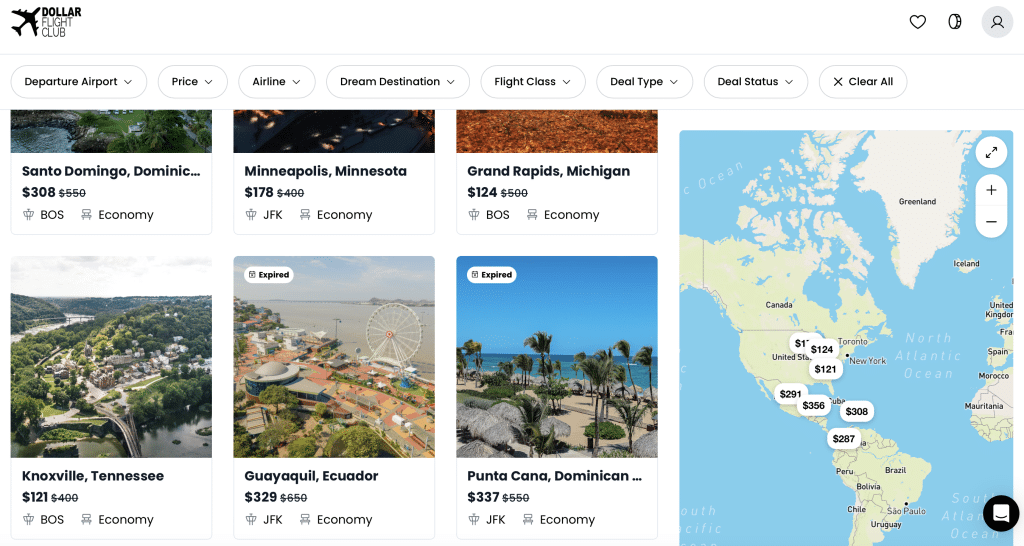
As of April 20, 2026, the industry saw a significant pivot in how these monitoring services operate. Following a period of rapid membership growth, service providers began integrating high-level data visualization to improve the user experience. The recent rollout of interactive mapping tools and granular search filters represents a shift toward "destination-agnostic" planning.
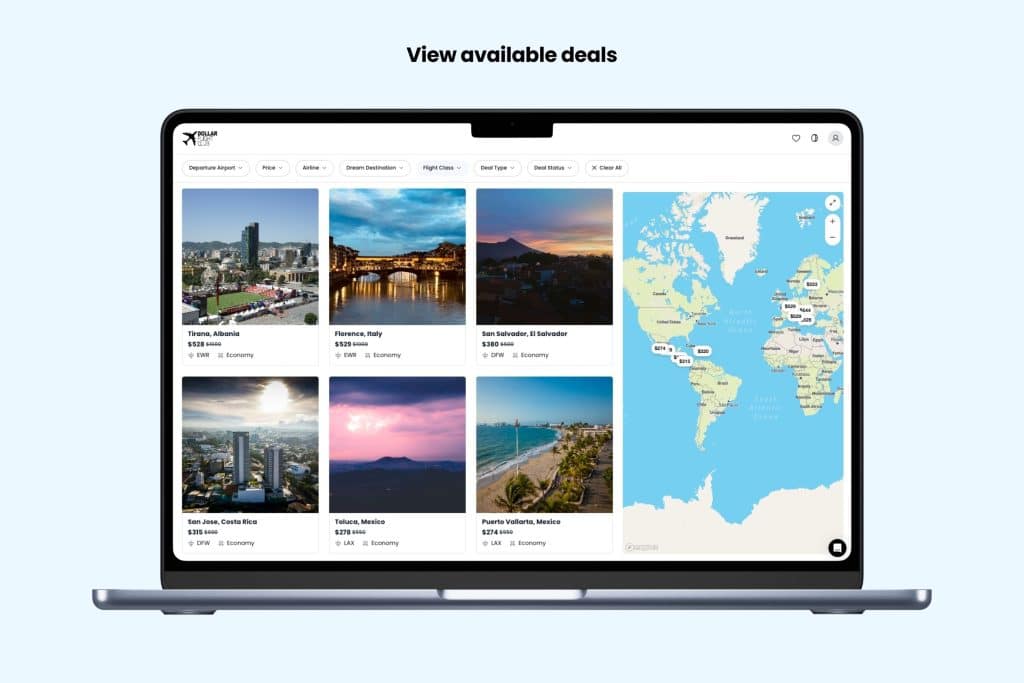
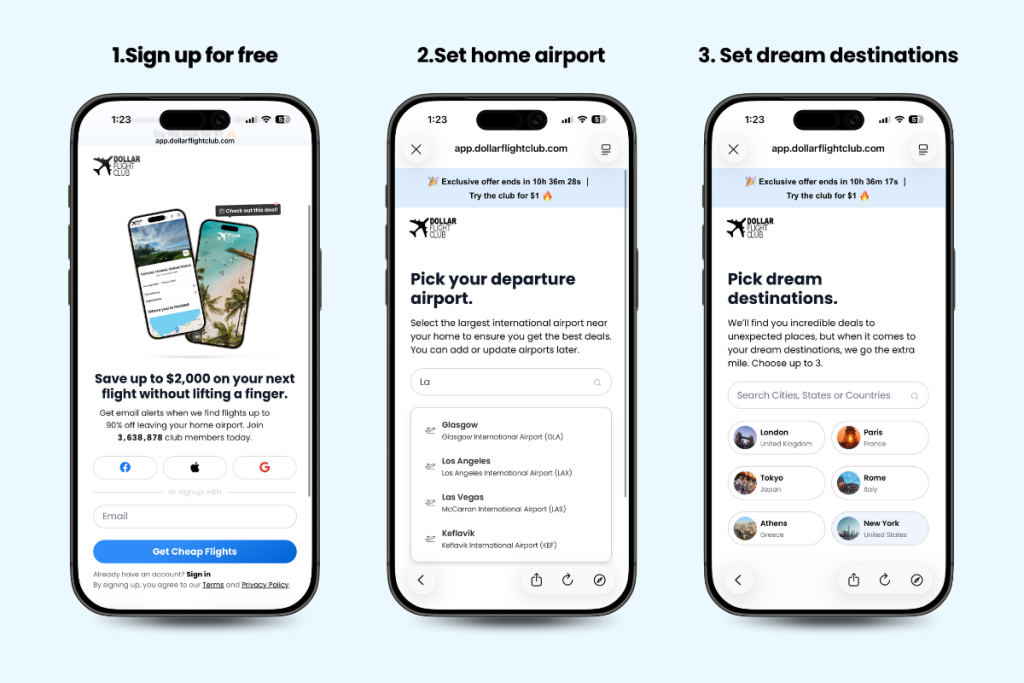
In this new model, a user no longer needs to search for a specific flight path. Instead, they can input their home airport and a desired price ceiling, allowing the system to populate a map with available deals globally. This shift aligns with the growing trend of "flexible travel," where the destination is secondary to the accessibility and value of the transit. By providing historical context for these prices, these platforms allow users to make informed decisions about whether a deal is a genuine bargain or merely a seasonal adjustment.
Data-Driven Savings and Economic Impact
The financial impact of these tools on the consumer sector is measurable. Current industry reports indicate that platforms like Dollar Flight Club have facilitated millions of dollars in consumer savings during the first four months of 2026 alone. By aggregating data for over 3.5 million members, these services are proving that when consumers are empowered with real-time, actionable data, they can bypass the inflated pricing structures typical of peak travel seasons.
The savings are often driven by "mistake fares" or strategic capacity dumping by major alliances. For instance, a route between a major European hub and an East Asian capital might see a 40% reduction for a two-week window due to an airline’s attempt to establish market share on a new route. When users are alerted to these windows, they can capture value that would otherwise be inaccessible. Projections for the remainder of 2026 suggest that as these platforms continue to refine their machine learning models, the total estimated savings for users could exceed $20 million annually.
Strategic Implications for the Global Traveler
For the modern traveler, the reliance on these automated tools carries several implications. First, it requires a high degree of flexibility. The most significant price drops almost always occur outside of traditional holiday windows and peak travel periods. Users who can adjust their travel dates by even a few days often find the greatest savings.
Second, the "personal scout" approach—whereby a system learns a user’s preferences and geographic proximity to various airports—reduces the "search fatigue" associated with travel planning. By narrowing the noise of the global aviation market to a curated list of relevant opportunities, the process of booking a trip becomes less about hunting and more about reacting to high-value opportunities.
Furthermore, the integration of supplementary travel data, such as local activity suggestions, neighborhood insights, and partner perks, suggests that the flight-tracking sector is evolving into a comprehensive travel planning ecosystem. By providing context—such as the best time of year to visit a destination or an "affordability rating"—these platforms are helping travelers understand the total cost of a trip beyond the initial airfare.

Challenges and Future Outlook
Despite the benefits, there are clear limitations to this model. Travelers with rigid schedules or those tied to specific, high-demand destinations remain at the mercy of standard market pricing. Furthermore, the reliance on third-party alerts means that a user must be prepared to act quickly; the most aggressive deals are often snapped up within hours of being identified by the monitoring software.
As the industry moves through the remainder of 2026, the competition between these monitoring platforms will likely intensify. We can expect to see deeper integration with AI-driven travel assistants that not only find the cheapest flight but also suggest hotel accommodations and ground transportation that align with the discounted flight window.
For the aviation industry, these platforms represent a double-edged sword. While they help airlines maintain high load factors by filling seats that would otherwise go empty, they also force carriers to be more transparent with their pricing strategies. As more consumers adopt these tools, the traditional "price-discrimination" model—where airlines charge the highest possible price to the last-minute business traveler—becomes harder to sustain.
Ultimately, the democratization of flight data through these platforms is reshaping the travel industry. By moving away from the "search and book" paradigm toward a "discover and act" model, travelers are finding that the world is more accessible than it has been in years. While the market remains volatile, the tools to navigate that volatility have never been more robust, offering a clear path to significant savings for those willing to adapt their travel habits to the rhythms of the global market.