Milos, an island of breathtaking beauty in the Cyclades, has long captivated both locals and discerning international travelers with its unparalleled picturesque landscapes and rich historical tapestry. Unlike some of its more internationally renowned counterparts, Milos offers an authentic Greek island experience, characterized by stunning geological formations, pristine beaches, and charming traditional villages. Its allure is undeniable, making it a perennially cherished destination.

Accessing this Cycladic treasure is straightforward, despite the absence of direct international flights. Travelers typically reach Milos via super-fast ferry services from major hubs like Mykonos or Santorini, or through convenient connecting flights from Athens. This accessibility ensures that visitors can focus their attention on immersing themselves in the island’s captivating coastline and savoring its renowned Greek cuisine. The following outlines the premier attractions and experiences awaiting those who venture to Milos.

Sarakiniko Beach: A Lunar Landscape on Earth
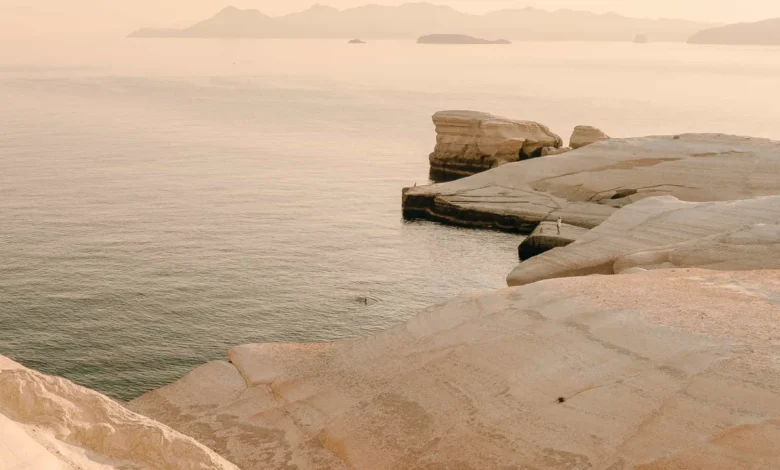
Nestled on the northern coast of Milos, a short drive from the main port town of Adamantas, lies Sarakiniko Beach, a truly unique geological wonder. Far from a conventional sandy beach, Sarakiniko presents a dramatic, moon-like landscape sculpted from gleaming white volcanic rock. Over millennia, the relentless forces of wind and sea have carved these soft tuff formations into an otherworldly spectacle of intricate coves, tunnels, and natural archways, creating an iconic and highly photogenic coastline.

The stark white cliffs, juxtaposed against the deep turquoise of the Aegean Sea, provide an unforgettable setting for swimming, sunbathing, and exploration. The calm, crystal-clear waters invite visitors to discover hidden nooks and submerged caves, making it a favored spot for snorkeling and underwater photography. Due to its striking appearance, Sarakiniko has become one of Milos’s most popular attractions, drawing visitors keen to witness its surreal beauty.

Practical considerations for a visit to Sarakiniko are essential. The highly reflective white rock amplifies UV radiation, particularly during summer months, necessitating ample sunblock (SPF), wide-brimmed hats, and protective clothing. Furthermore, the area is largely undeveloped, with minimal amenities. Visitors should come prepared with sufficient water, snacks, and towels to ensure a comfortable and enjoyable day amidst this extraordinary natural landscape.

Immersive Milos Boat Tours
Exploring Milos from the sea offers a unique perspective on its rugged beauty, a perspective that truly underscores the island’s volcanic origins and intricate coastline. Boat tours are widely considered one of the best ways to discover the island’s hidden gems, many of which are inaccessible by land. The island’s numerous sea caves, secluded coves, and striking rock formations, particularly around its southern and western shores, are best experienced on a maritime excursion.

Milos’s boat tour market offers a range of options, from small group excursions to fully private charters with experienced skippers, often at more competitive prices than on larger, more commercialized Cycladic islands like Mykonos or Santorini. These tours typically navigate the island’s perimeter, providing opportunities to explore iconic sites such as Kleftiko and Sykia Cave.

A full-day private boat tour, accommodating up to eight people, is a popular choice, allowing for a personalized itinerary that might include multiple swimming stops in the warm Aegean waters. Such tours often feature a traditional Greek lunch served onboard, complete with local beverages, offering a six-hour journey of discovery and relaxation along Milos’s stunning coastline. Given the high demand, particularly during peak summer months, securing boat tour bookings well in advance of arrival in Milos is strongly recommended to ensure availability.

Plaka Town: The Island’s Historic Capital
Perched on a hillside overlooking the Aegean, Plaka serves as the charming capital of Milos, offering a captivating blend of Cycladic architecture, historical sites, and panoramic views. Located just a short 10-minute inland drive from Adamantas, Plaka provides a delightful contrast to the island’s coastal allure, with its labyrinthine alleys, whitewashed houses, and vibrant bougainvillea.

A leisurely stroll through Plaka reveals its rich heritage. Key historical landmarks include the iconic Panagia Korfiatissa church, renowned for its stunning sunset vistas, and the Panagia Thalassitra church, often admired from the commanding heights of The Venetian Castle (Kastro) of Milos. The Kastro itself is a significant historical site, inviting visitors to delve into the island’s long and varied past, learning about the various empires and cultures that have shaped Milos over centuries. Its strategic location atop the highest point in Plaka offers unparalleled panoramic views of the entire island and the surrounding sea.

Plaka’s culinary scene is equally inviting. For a traditional lunchtime experience, Vlahos is a local favorite, celebrated for serving some of the best souvlaki in town, alongside expertly grilled meats and fresh fish. As evening approaches, Kyra Milos offers a wonderful alfresco dining experience, where guests can enjoy exquisite cuisine against the backdrop of a spectacular sunset, making it one of the island’s top spots for a memorable dinner.

Mandrakia: A Postcard-Perfect Fishing Hamlet
Mandrakia, often described as one of Milos’s most enchanting small villages, epitomizes the island’s authentic fishing village charm. Comprising a mere handful of buildings, its diminutive size only adds to its intimate and picturesque appeal. Strategically located in close proximity to Sarakiniko Beach, Mandrakia serves as an ideal stop for those exploring the northern coast.

The village’s centuries-old fishing harbor is a visual delight, particularly at sunset, when the fading light bathes the colorful "syrmata" (traditional boat garages carved into the rock, with brightly painted doors) in a warm glow. This unique architectural feature, found in several coastal settlements on Milos, highlights the island’s deep connection to the sea.

Mandrakia also boasts exceptional culinary offerings, with traditional Greek tavernas lining the cliff sides. Medusa Milos stands out as a highly recommended establishment, cherished for its authentic atmosphere, warm hospitality, and, notably, some of the finest sea bass in Greece. The establishment’s decades-long independent operation speaks to its enduring quality and local appeal. A gentle stroll along Mandrakia Beach, though more a historic harbor than a sprawling sandy bay, provides a perfect complement to a meal, allowing visitors to soak in the tranquil coastal ambiance.

Cave and Beach of Papafragas: Nature’s Dramatic Artistry
Further along Milos’s northern coastline, Paralia Papafragkas offers another spectacular display of the island’s natural beauty. This site encompasses a breathtaking, albeit very small, sandy beach nestled within a dramatic geological setting. The area is characterized by towering cliffs, intricate sea caves, and a narrow inlet of dazzling turquoise waters, creating conditions ideal for crystal-clear swimming. Its untouched, cinematic beauty makes it a truly memorable destination.

While the beach itself is charming, the primary draw of Paralia Papafragkas lies in its remarkable caves and cliffs, which invite exploration along the coastline. These formations, sculpted by volcanic activity and subsequent erosion, provide a stunning backdrop for photography and offer glimpses into Milos’s geological past.

Visitors should be aware that due to its limited size, the beach can become quite crowded during peak hours, potentially diminishing the sense of secluded beauty. For those seeking a more expansive shoreline experience, Milos offers numerous other magnificent beaches. Pollonia Beach on the northeastern tip provides ample space and amenities, while Agia Kiriaki Beach, located on the island’s southern coast, is a personal favorite for its generous size and serene atmosphere, ideal for a full day of relaxation by the Aegean Sea.

For luxury accommodation in Adamas, the Solus Suites Hotel offers an exquisite experience, particularly its suites featuring private pools, providing easy access to both Greek tavernas and the island’s vibrant port life.

Firopotamos: A Quaint Coastal Village
Just a short distance up the coast from Mandrakia, Firopotamos stands as another exquisite shoreline village, a true gem for visitors exploring Milos by car. The island’s road network, particularly for a smaller Greek island, is generally well-maintained, facilitating easy access to such charming locales.

Firopotamos is distinguished by its picturesque harbor, adorned with the characteristic syrmata, and a tranquil beach that invites visitors for a refreshing dip. The village’s serene atmosphere makes it an ideal spot for a relaxed afternoon. The Church of Agios Nikolaos, a quaint and historically significant edifice, is a focal point within the tiny village, offering a glimpse into local religious architecture and community life.

A small beach bar at Paralia Firopotamos provides a convenient spot to enjoy a frappe or a light snack, perfectly complementing an afternoon of swimming and leisurely exploration of the old fishing village. Firopotamos beautifully encapsulates the understated charm and natural beauty that define Milos.

Klima Beach: The Charm of Syrmata and Ancient History
Adjacent to the site of the ancient theatre of Milos, the village of Klima offers one of the most distinctive waterfront experiences on the island. Klima is not characterized by vast sandy expanses but by its iconic "syrmata" – colorful, two-story boathouses with residences above, built directly into the rock face along the shore. These whitewashed houses, with their vibrant doors, create an incredibly picturesque scene that has become synonymous with Milos’s unique coastal identity.

A visit to Klima is an opportunity to appreciate this traditional Cycladic architecture and the enduring fishing culture of the island. For a delightful culinary experience, Astakas Café, situated directly in Klima, is renowned for its impeccably fresh grilled shrimp, perfectly paired with a crisp Greek white wine.

For those seeking a more elevated dining experience with breathtaking views, Barriello, located just a two-minute drive up the mountain from Klima, offers spectacular dinner vistas, particularly at sunset. The restaurant’s roasted lamb is highly praised for its tenderness and flavor, making it a superb choice for an evening meal while enjoying the panoramic scenery. The juxtaposition of Klima’s ancient theatre, its traditional syrmata, and the delightful dining options makes it a must-visit destination.

Adamas / Adamantas: The Bustling Heart of Milos
Adamas, or Adamantas, serves as the primary port and largest town on Milos, acting as the main gateway for visitors arriving by ferry. This bustling waterfront town is a vibrant hub offering a wealth of amenities, including a diverse array of restaurants, cozy cafes, and pleasant beaches such as Lagada Beach. It represents the modern face of Milos, while still retaining elements of traditional Greek island life.

A stroll along the promenade in Adamas reveals a lively atmosphere, with numerous establishments catering to both locals and tourists. Among these, O! Hamos! stands out as one of the most celebrated family-run restaurants on the island. Renowned for its incredible, authentic Greek cuisine, O! Hamos! offers a traditional taverna ambiance, complete with charming courtyards for evening dining. Its handwritten menus and generous portions of homemade tzatziki and other classic dishes provide a truly immersive culinary experience, reflecting the island’s rich gastronomic heritage.

For those with an interest in the island’s industrial past, the relatively small Milos Mining Museum provides insight into the island’s extensive mining history, showcasing artifacts collected over centuries. While fascinating for history enthusiasts, it may be a more niche attraction for general tourists.

As the day winds down, Akri Bar offers a sophisticated setting for sundowners. This cozy cocktail spot is perfect for enjoying the evening ambiance and is known for staying open late. Their "Night Cucumber" cocktail is particularly recommended for its refreshing qualities, providing a perfect end to a day of exploration. Adamas seamlessly blends practicality with pleasure, making it a crucial and enjoyable stop on any Milos itinerary.

Kleftiko Bay: The Pirates’ Lair and Natural Sculptures
Kleftiko, situated on the southwestern coast of Milos, is arguably one of the island’s most iconic and visually stunning coastal areas. Its name, derived from the Greek word "kleftis" (pirate), hints at its historical use as a hideout for pirates due to its intricate network of sea caves and towering white rock formations. Visiting Kleftiko by boat is not merely an option but an essential experience, as much of its dramatic beauty is inaccessible by land.

The bay is characterized by its colossal white volcanic rocks, crystal-clear emerald waters, and a series of magnificent sea caves and natural arches. These geological marvels provide exceptional opportunities for swimming, snorkeling, and diving, allowing visitors to explore underwater passages and discover vibrant marine life. The clarity of the water often allows visibility of the seabed from considerable depths, adding to the magic of the experience.

Boat tours from Adamantas or other points around Milos frequently include Kleftiko as a highlight, enabling passengers to get up close to these natural sculptures and even swim into some of the larger caves. The unique interplay of light and water within the caves creates an ethereal glow, making it a paradise for photographers. Planning ahead and booking a boat tour is crucial to fully appreciate the extraordinary beauty and secluded nature of Kleftiko Bay.

Cave of Sykia: A Hidden Maritime Gem
Located on the rugged western side of Milos, the Cave of Sykia represents another spectacular facet of the island’s wild natural beauty. This impressive sea cave, unique for its collapsed roof, allows natural light to flood into its interior, creating a mesmerizing play of light on the turquoise waters within. The absence of a conventional beach inside and the dramatic entrance make it a distinctive natural wonder.

Sykia Cave is primarily accessed by boat, with many catamaran tours and private charters including it in their itineraries, often in conjunction with Kleftiko. Approaching the cave by sea allows visitors to fully appreciate its scale and the intricate rock formations that guard its entrance. The calm waters inside are perfect for swimming and snorkeling, offering an intimate encounter with Milos’s geological marvels.

For the adventurous, it is possible to hike to a viewpoint overlooking the cave, though this route is described as arduous and suitable only for experienced hikers. The path can be challenging, with uneven terrain and steep descents, emphasizing that the safer and more popular option remains exploration by boat. Sykia Cave offers a testament to Milos’s untamed natural landscape and its allure for those seeking adventure and natural beauty.

Tsigrado Beach: An Adventurous Descent to Seclusion
For travelers seeking a truly private and secluded beach experience on Milos, Tsigrado Beach on the southern coast presents an enticing, albeit challenging, option. What makes Tsigrado stand apart is its infamous access: a series of precarious wooden ladders and ropes that descend a steep, narrow rock crevice. This unique entry method, while adding an element of adventure, requires caution and is not suitable for those with a fear of heights or mobility issues.

Upon successfully navigating the descent, visitors are rewarded with a pristine sandy cove, framed by dramatic cliffs and lapped by exceptionally clear, calm, and inviting waters. The seclusion offered by its difficult access means Tsigrado often feels less crowded than other beaches, especially outside of peak hours. It’s an ideal spot for sunbathing, swimming, and enjoying the tranquility of a truly untouched Cycladic bay.

For those who prefer to bypass the ladders, Tsigrado Beach is also accessible by sea. Boat tours often stop nearby, allowing passengers to swim ashore, or a dedicated kayak tour offers a unique and less daunting way to reach its private shores. Regardless of the chosen method, Tsigrado provides a memorable experience for those willing to embrace a little adventure for the sake of unparalleled natural beauty.

The Catacombs of Milos: A Journey into Early Christian History
Delving into the profound human history of Milos, the Catacombs of Milos offer a fascinating glimpse into early Christian life on the island, dating back almost 2,000 years. These ancient underground burial chambers are among the most significant early Christian monuments in Greece and one of the three most important in the world, alongside those in Rome and the Holy Land.

The catacombs served as a clandestine burial ground and a place of worship for early Christians during periods of Roman persecution. Visitors can explore a section of these extensive subterranean passages, observing the rock-cut tombs (arcosolia) and learning about the rituals and beliefs of the community that once utilized them. This archaeological site provides a tangible connection to the island’s ancient inhabitants and their spiritual practices, offering a unique timestamp of life two millennia ago.

To fully appreciate the historical context and significance of the Catacombs, a guided cultural tour of Milos is highly recommended. Such tours often combine visits to key archaeological sites, providing a comprehensive understanding of the island’s rich past, from its early Christian communities to its Roman influences.

Ancient Theatre of Milos: Echoes of Hellenistic and Roman Grandeur
Situated not far from the Catacombs of Milos, the Ancient Theatre of Milos stands as a remarkably well-preserved testament to the island’s Hellenistic and Roman heritage. This open-air theatre, with its commanding views of Klima village and the Aegean Sea, is an impressive archaeological site that offers a powerful connection to Milos’s classical past.

Originally constructed by the Hellenes and later expanded and renovated by the Romans, the theatre once hosted dramatic performances and public gatherings. Its marble seating and strategic hillside location highlight the architectural sophistication of the ancient civilizations that flourished on Milos. The site is notable for its excellent state of preservation, allowing visitors to walk among the tiers where ancient audiences once sat, imagining the spectacles that unfolded there.

Entry to the Ancient Theatre is free, making it an accessible and enriching historical attraction. However, visitors should be prepared for the conditions, particularly on hot days. The site offers minimal shade, necessitating ample water, hats, and high SPF sun protection. Exploring this ancient amphitheater provides valuable insight into the cultural life and architectural prowess of Hellenistic and Roman Milos, making it an essential stop for history enthusiasts.

Milos, with its unique volcanic landscapes, vibrant traditional villages, rich archaeological sites, and stunning coastline, continues to grow in popularity as a premier Cycladic destination. Its blend of natural wonders, historical depth, and authentic Greek charm offers a compelling experience for every traveler. The island’s strategic efforts to manage its growing tourism while preserving its distinctive character will be key to its continued appeal as a cherished gem of the Aegean.