The global travel industry is witnessing a significant transformation as veteran digital content creators pivot from traditional social media influence toward professionalized roles in niche expedition sectors. This shift is most prominent in the polar regions—the Arctic and Antarctica—where the demand for expert-led, environmentally conscious travel has surged. As the tourism landscape recovers and evolves in the post-pandemic era, a new model of "expert-guided travel" is emerging, blending the storytelling capabilities of seasoned travelers with the technical rigors of maritime expedition work. This transition highlights a broader trend within the creator economy: a move away from high-volume "hustle" culture in favor of specialized, community-focused roles that emphasize environmental stewardship and authentic regional expertise.
The Logistics of Arctic Accessibility and the Expedition Model
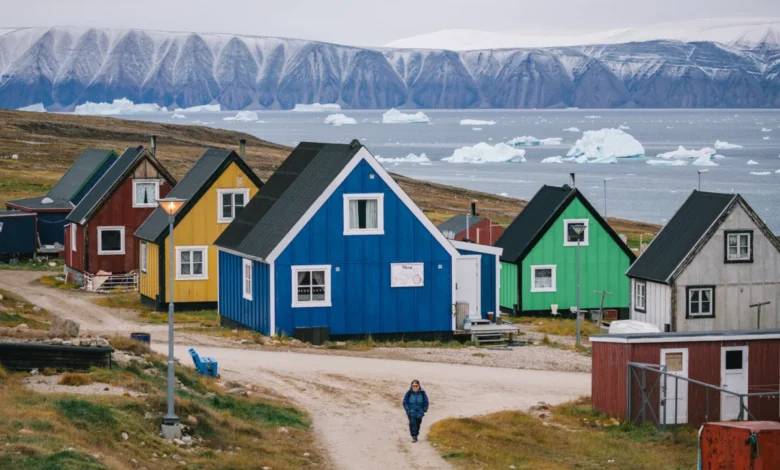
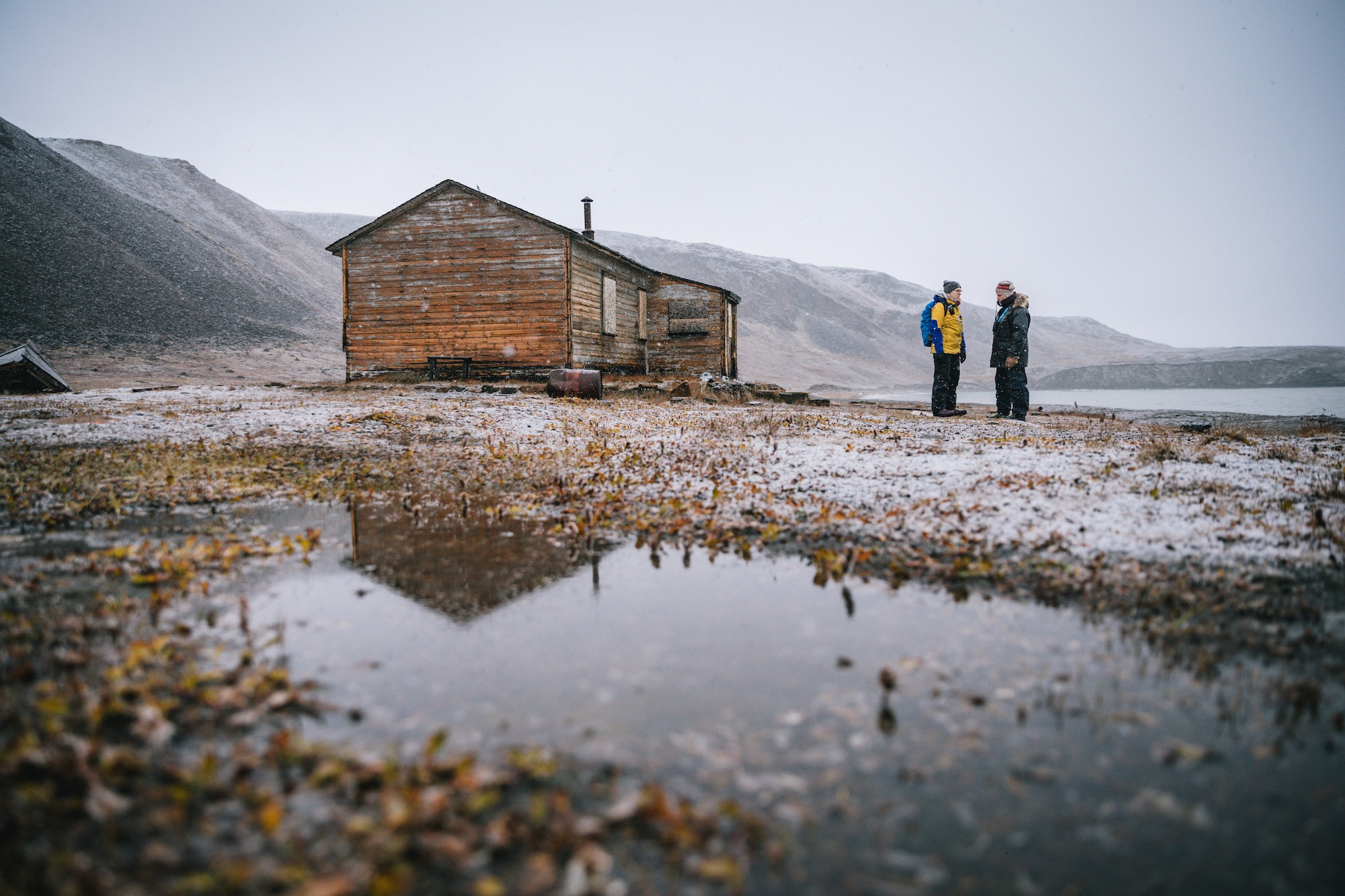
The Arctic remains one of the most geographically and logistically challenging regions for tourism. Unlike traditional cruise destinations, the high North is governed by the cyclical patterns of sea ice, which effectively seal off the region for the majority of the year. The window for maritime access is limited to a brief summer period, typically from late June to September, when rising temperatures facilitate enough ice melt to allow ice-strengthened vessels to navigate the Northwest Passage, the coast of Greenland, and the Canadian Arctic Archipelago.
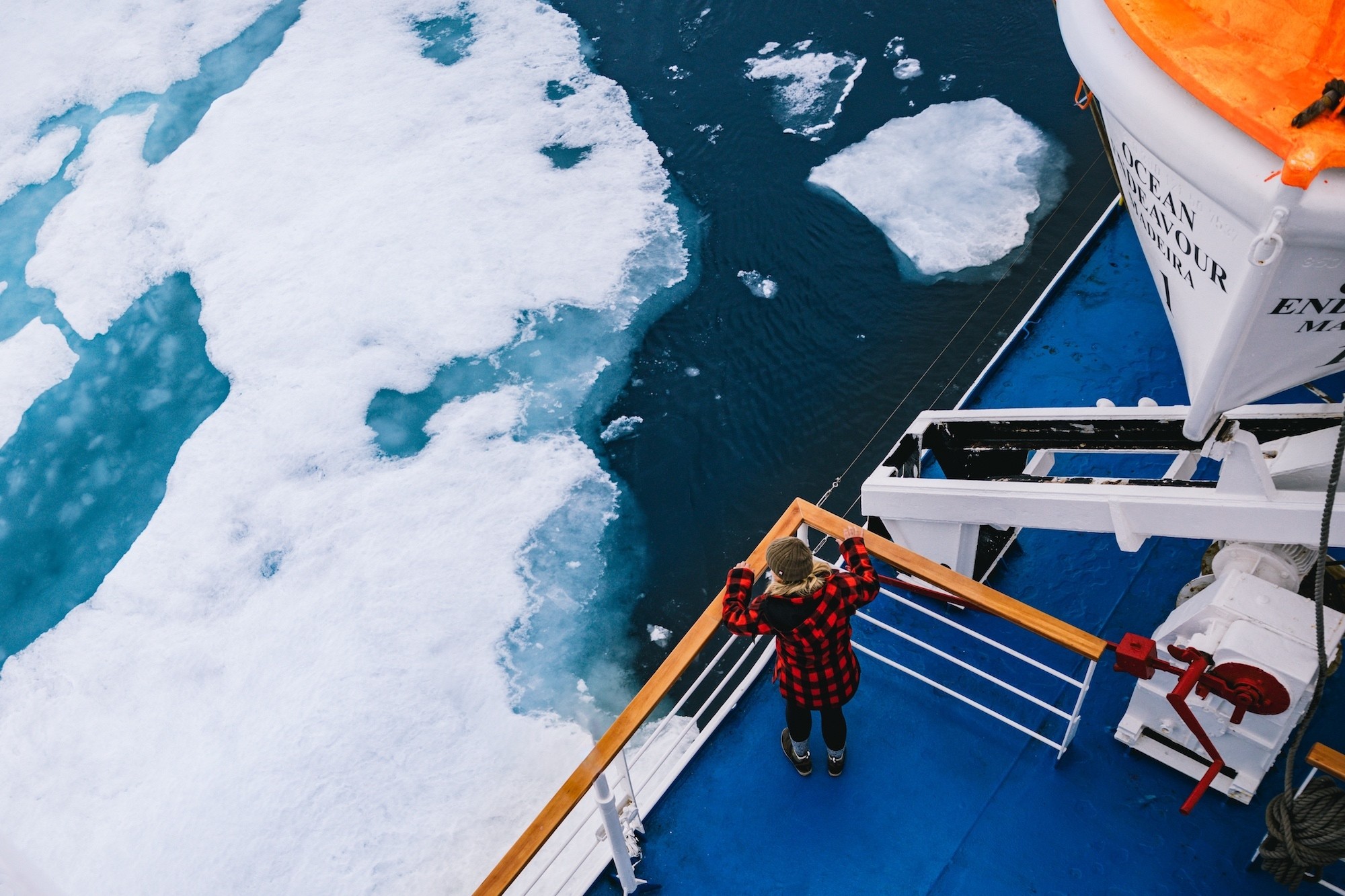
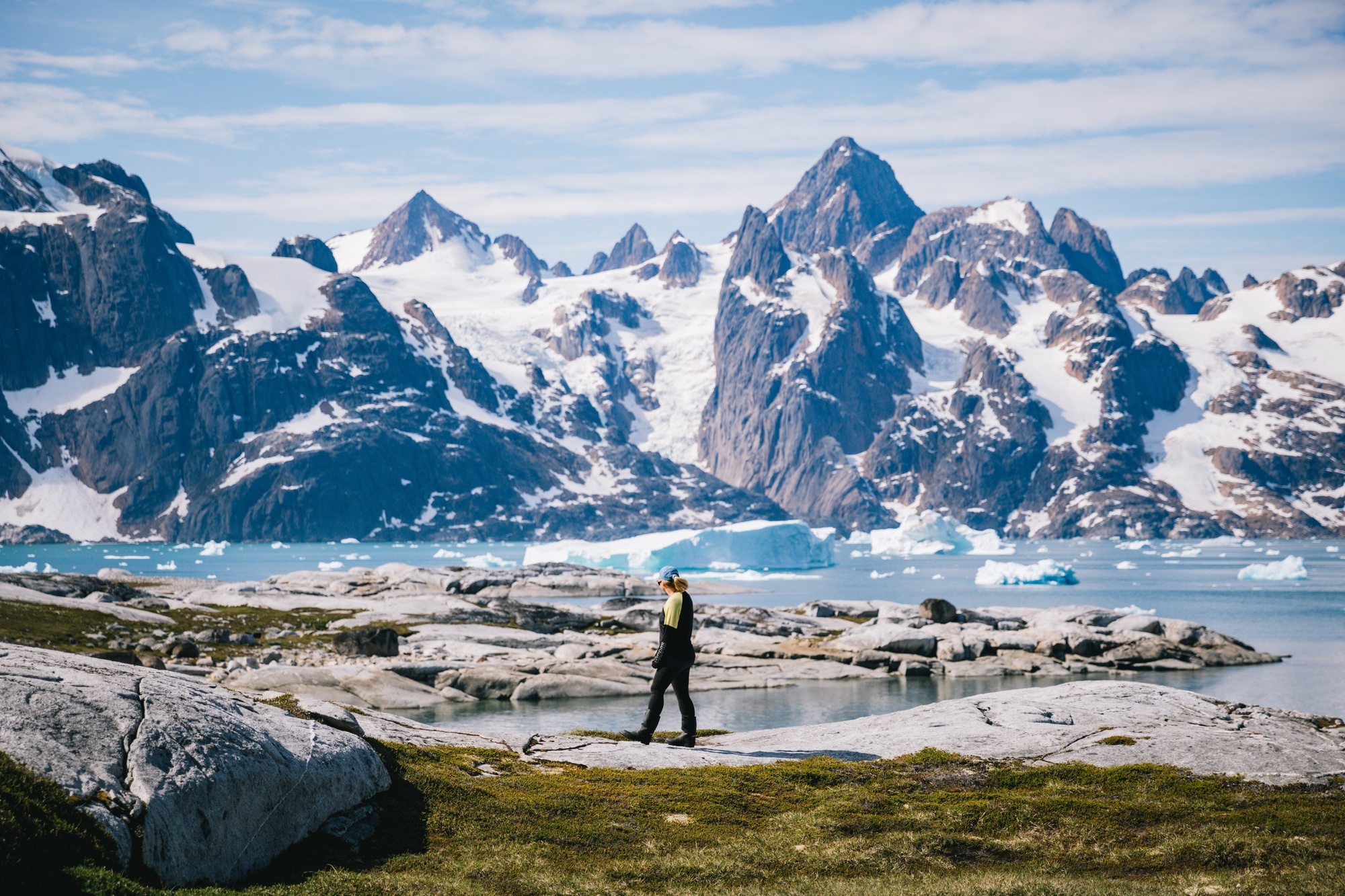
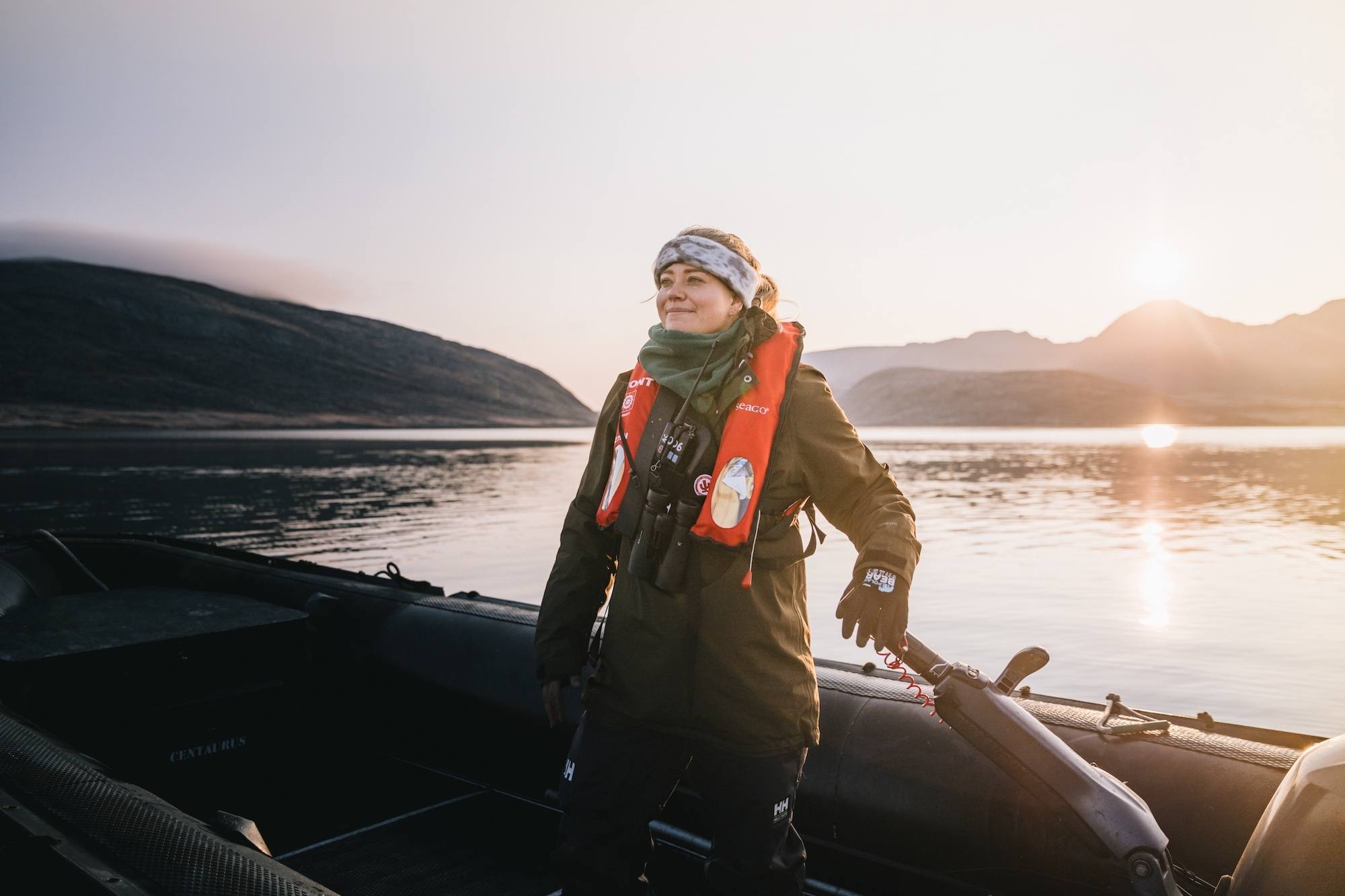
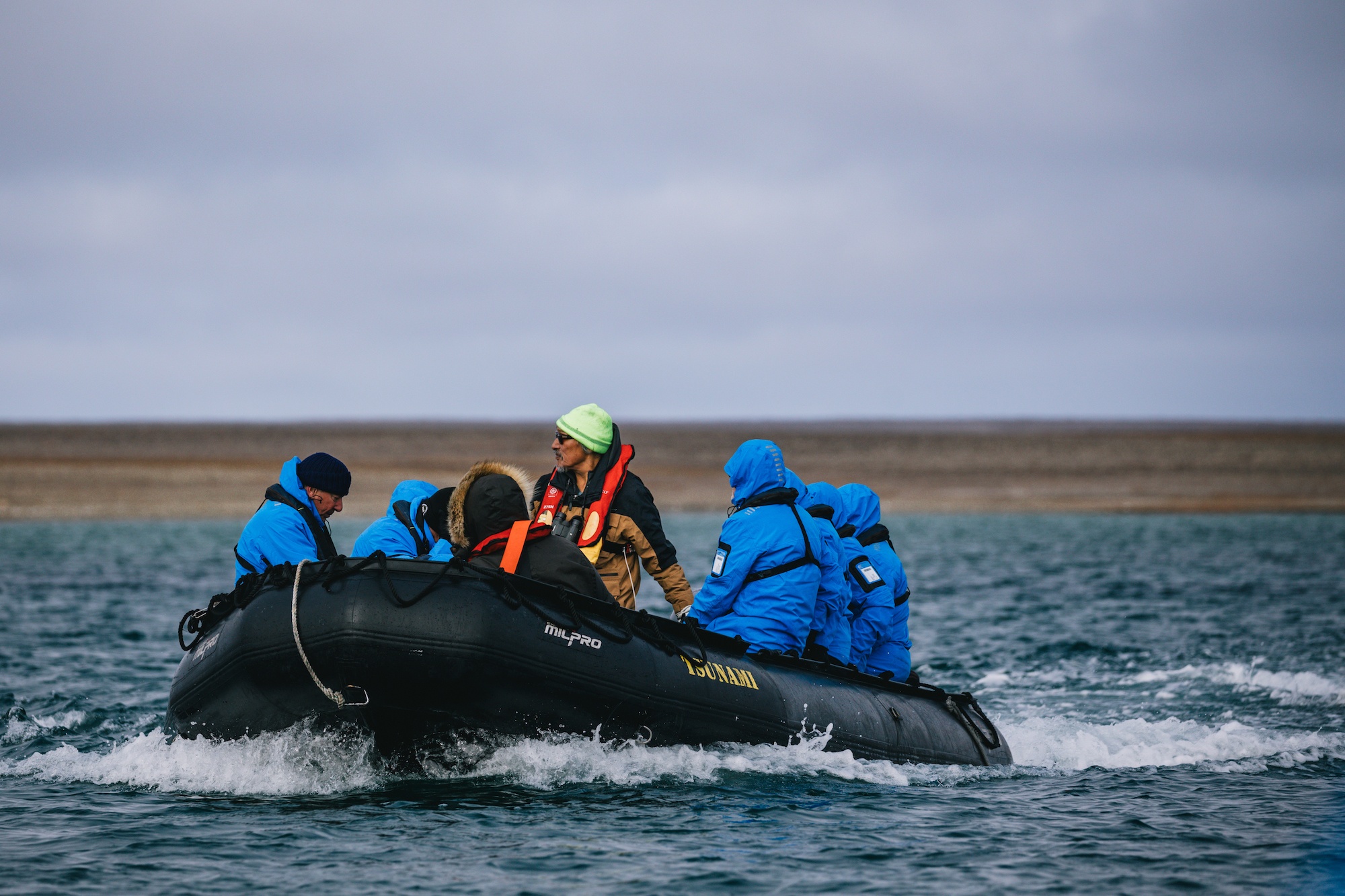
Because infrastructure in these remote areas is minimal, the expedition ship has become the primary and most efficient vehicle for exploration. These vessels serve as self-contained hubs that provide transport, accommodation, and safety in environments where traditional hotels and roads do not exist. In regions like Nunavut or the fjords of Eastern Greenland, travel is conducted via small planes, snowmobiles in winter, or Zodiacs—heavy-duty inflatable boats—during the summer months. The reliance on these specialized craft necessitates a highly skilled workforce of expedition guides who possess a range of certifications, from small boat handling and polar bear monitoring to wilderness first aid and regional historical knowledge.
The Changing Profile of the Travel Professional
For over a decade, the travel industry was dominated by the "influencer" model, characterized by high-frequency content production, brand partnerships, and a focus on aesthetic appeal. However, recent industry reports suggest a growing disillusionment among both creators and consumers regarding this model. Professional travel writers and photographers are increasingly seeking roles that offer deeper integration into the travel experience and more sustainable career paths.

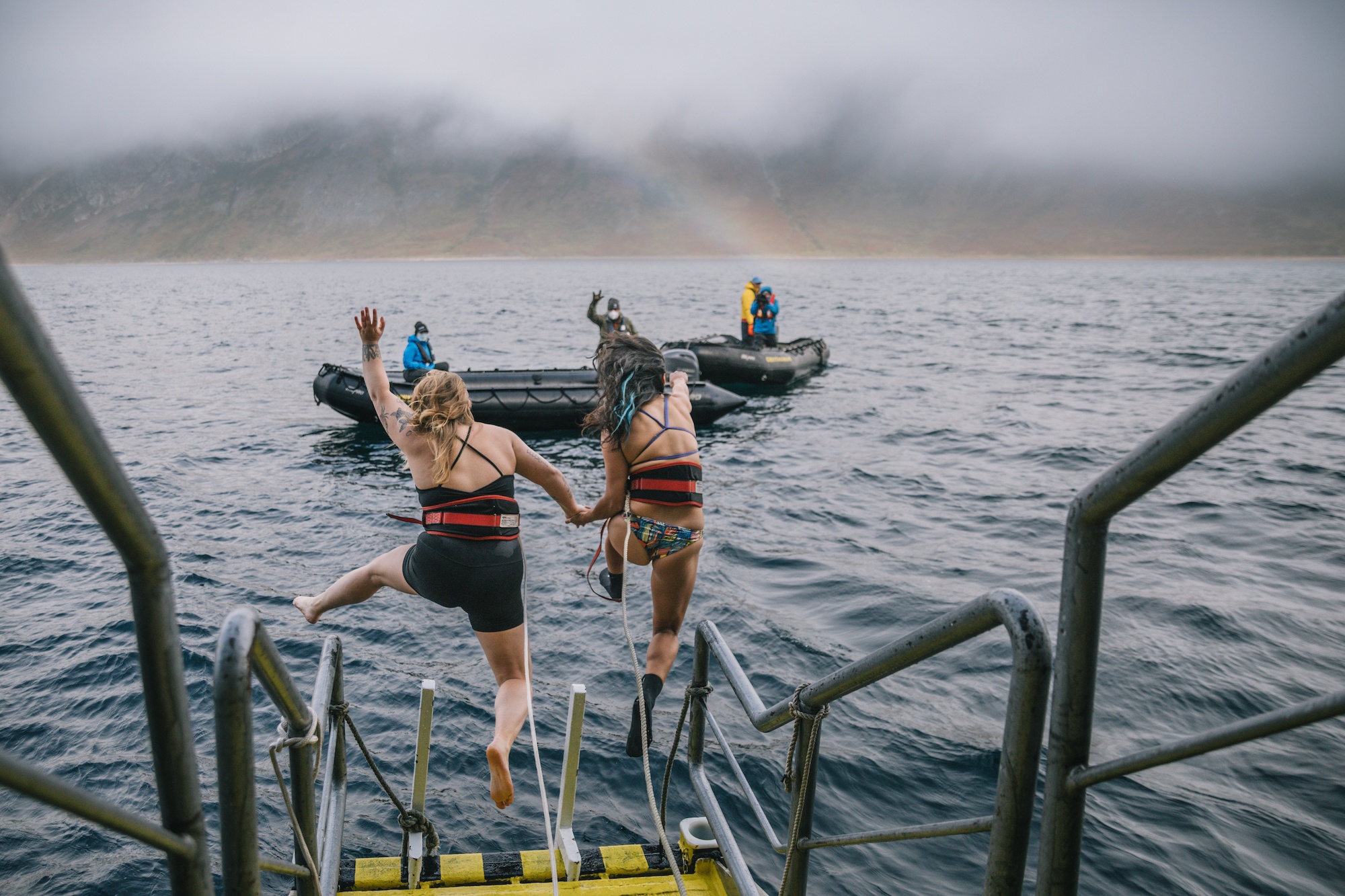
The transition of high-profile creators into expedition guiding represents a professionalization of the travel enthusiast. This role requires spending upwards of six months at sea, often in grueling conditions. The work involves driving Zodiacs through iceberg-laden waters, conducting wildlife watches from the bridge of a ship, and facilitating cultural exchanges with Indigenous communities. This shift is not merely a change in job title but a move toward a "community-centric" professional life. Many expedition companies, such as the family-owned Adventure Canada, prioritize long-term staff retention, creating a "summer camp" atmosphere for both guides and returning passengers. Statistics indicate that loyalty in this sector is exceptionally high, with some operators reporting that nearly 50% of their passengers are repeat travelers, a figure that far exceeds the industry average for standard commercial cruises.
A Chronology of the Shift in Polar Travel
To understand the current state of polar tourism, it is necessary to examine the timeline of its development and the recent pressures that have reshaped it:
- Pre-2010: The Era of Traditional Exploration. Arctic and Antarctic travel were largely reserved for scientific researchers, government personnel, and a very small number of high-net-worth adventurers.
- 2010–2019: The Digital Boom and the Rise of the Influencer. The proliferation of social media platforms led to a surge in visual storytelling. Polar regions became "bucket list" destinations, and the "influencer" became a key marketing tool for cruise lines.
- 2020–2022: Pandemic Disruption. The global health crisis halted the cruise industry entirely. During this period, many travel professionals faced financial instability and "hustle burnout," leading to a period of industry-wide reflection.
- 2023–Present: The Rise of the Specialist. As travel resumed, there was a noticeable shift toward "slow travel" and expert-led expeditions. Professionals who once focused on blogging began pursuing maritime certifications and formal guiding roles, seeking to add tangible value to the passenger experience.
Supporting Data: The Growth of Expedition Cruising
Market analysis from the Association of Arctic Expedition Cruise Operators (AECO) and the International Association of Antarctica Tour Operators (IAATO) shows a steady increase in interest in polar travel. Despite the high costs—trips often range from $10,000 to over $30,000 per person—the expedition cruise market is one of the fastest-growing segments of the tourism industry.
- Vessel Development: Between 2019 and 2023, over 20 new ice-class expedition ships were launched globally, featuring advanced technology such as hybrid propulsion systems to minimize environmental impact.
- Demographic Shifts: While the primary demographic for these trips remains affluent retirees, there is a growing segment of younger professionals (ages 35–50) seeking "transformative travel" experiences that include educational components.
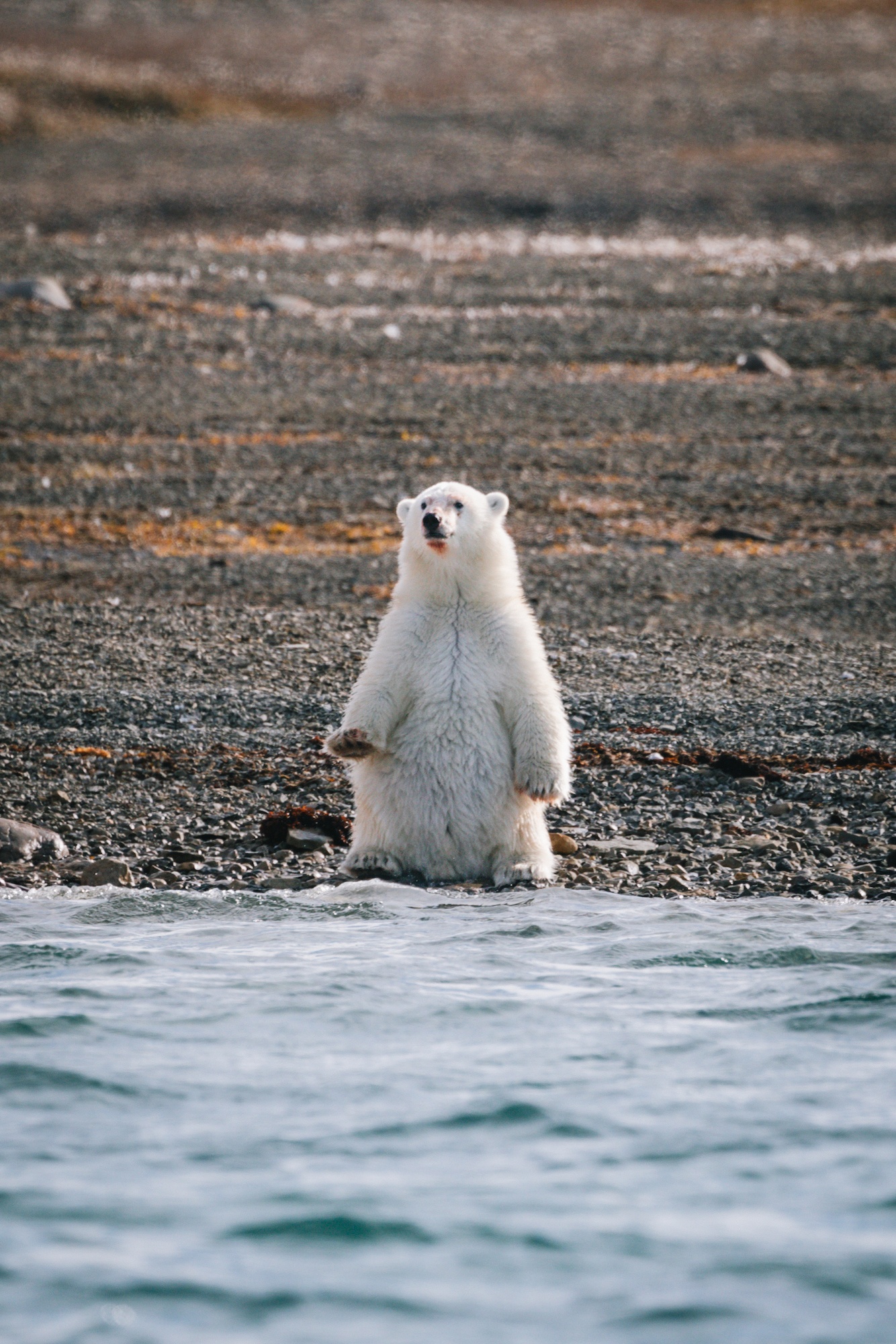
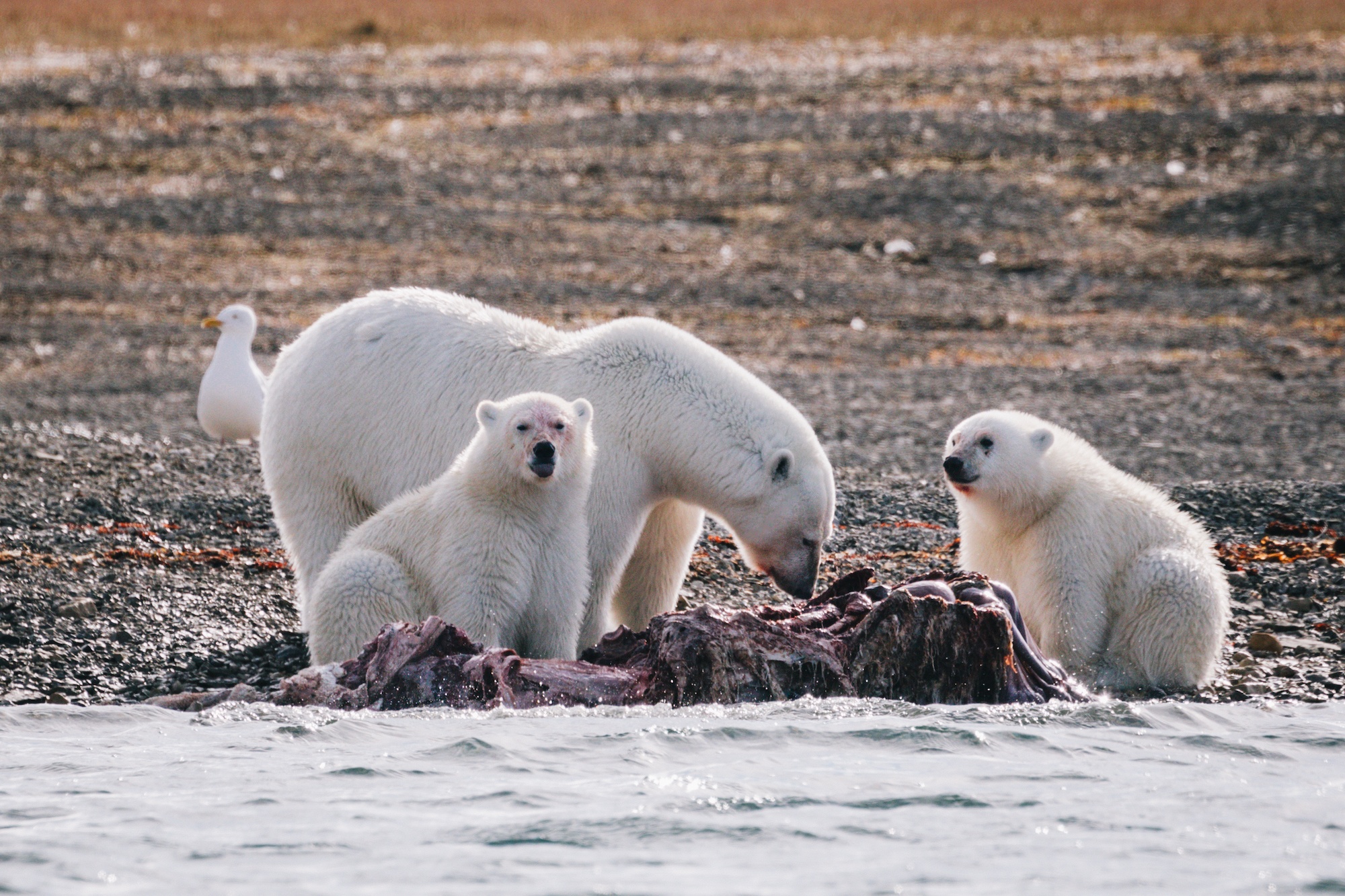
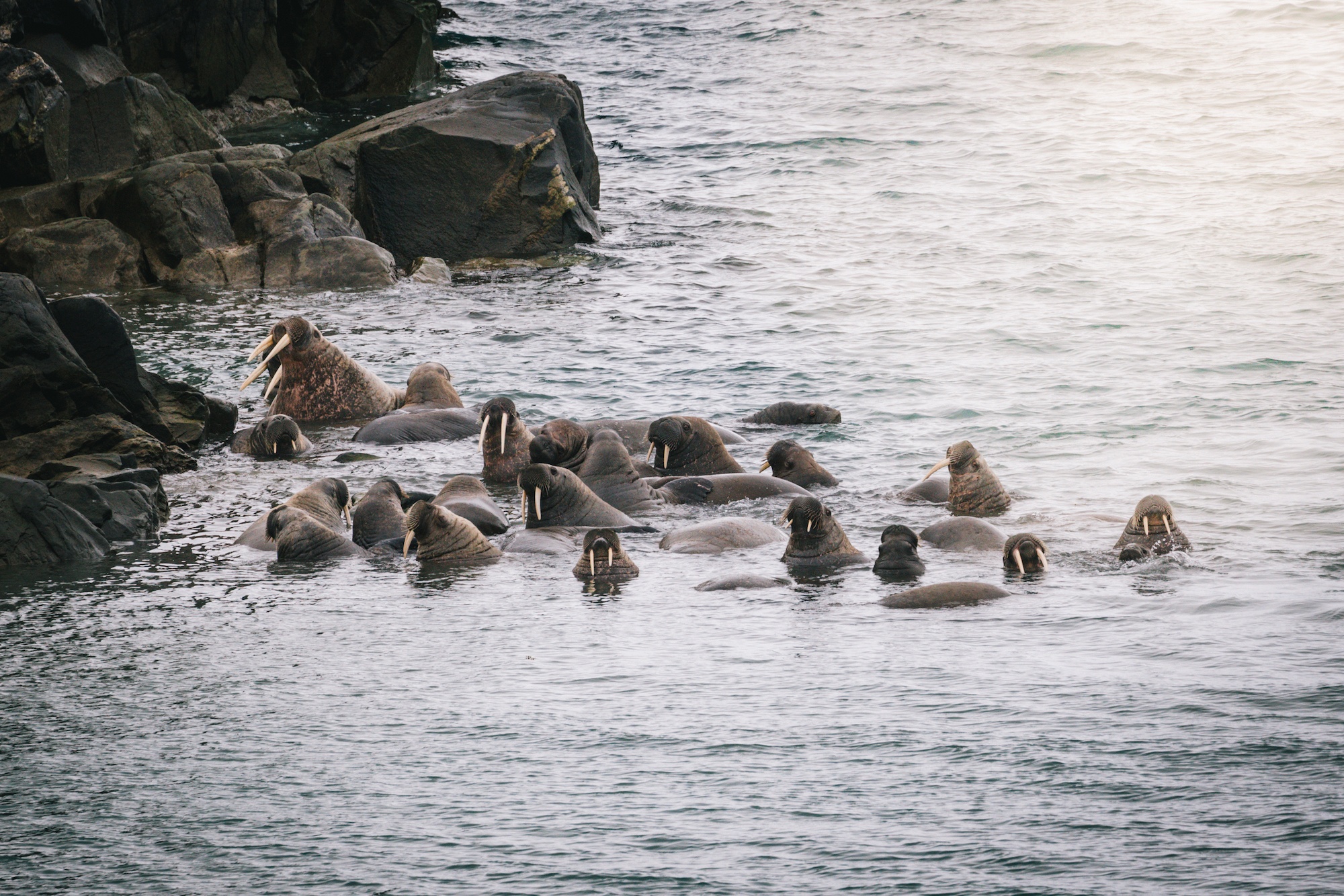
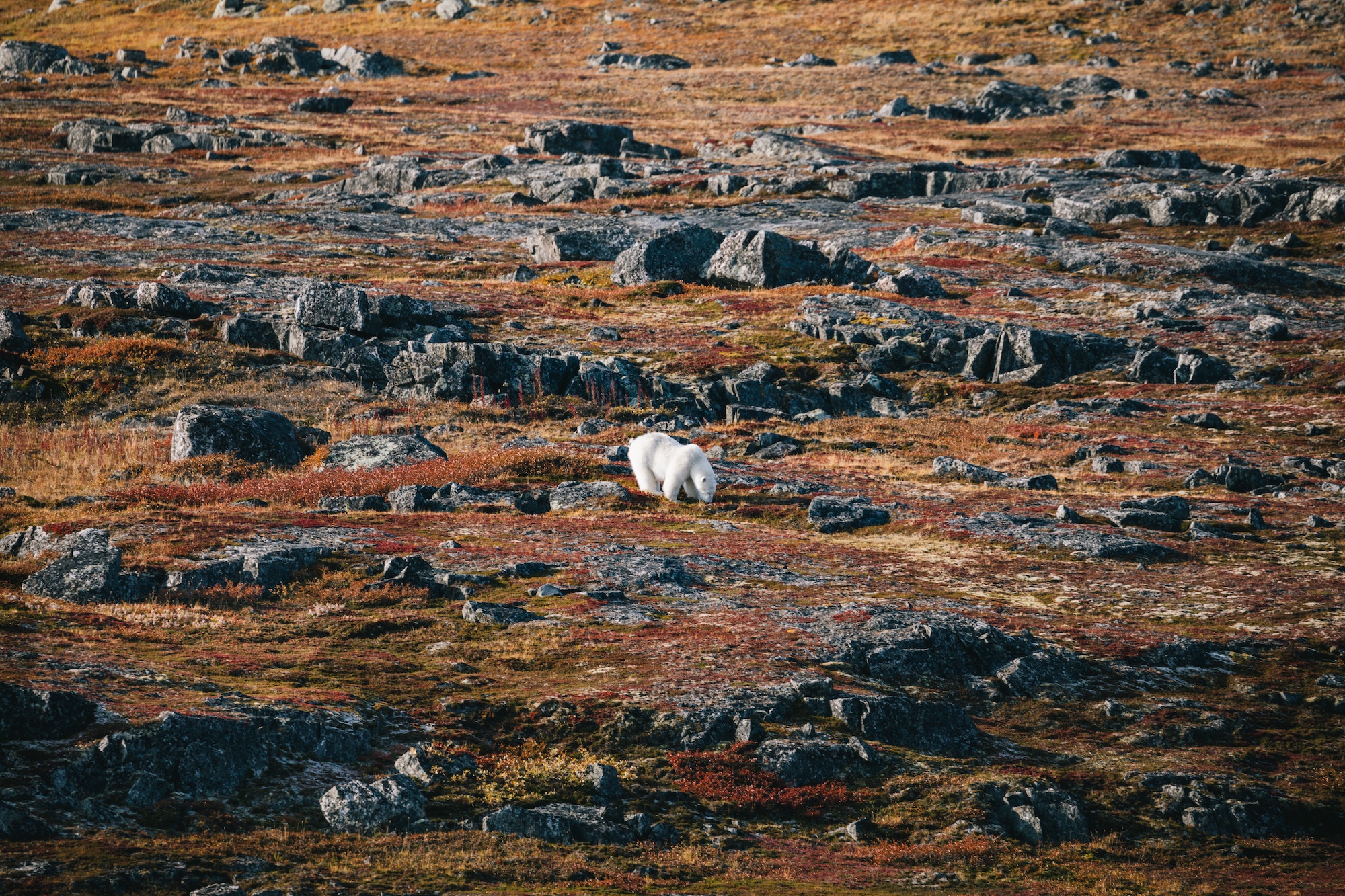
- Wildlife Interest: Wildlife remains the primary draw for Arctic travelers. Observations of polar bears, Atlantic walruses, and various whale species (including bowheads and belugas) are central to the marketing and educational curricula of these voyages.
Environmental Stewardship and the Ambassador Model
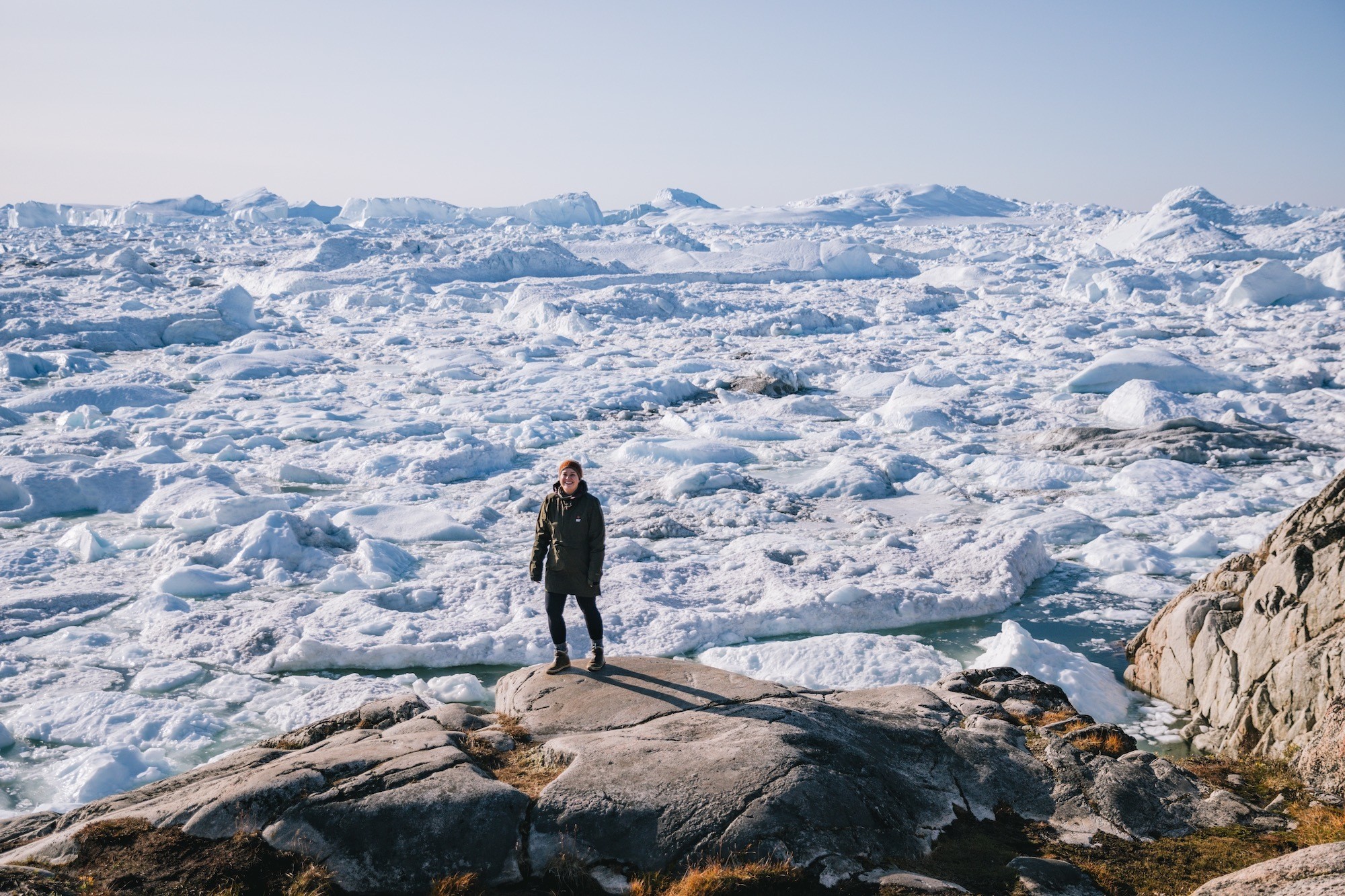
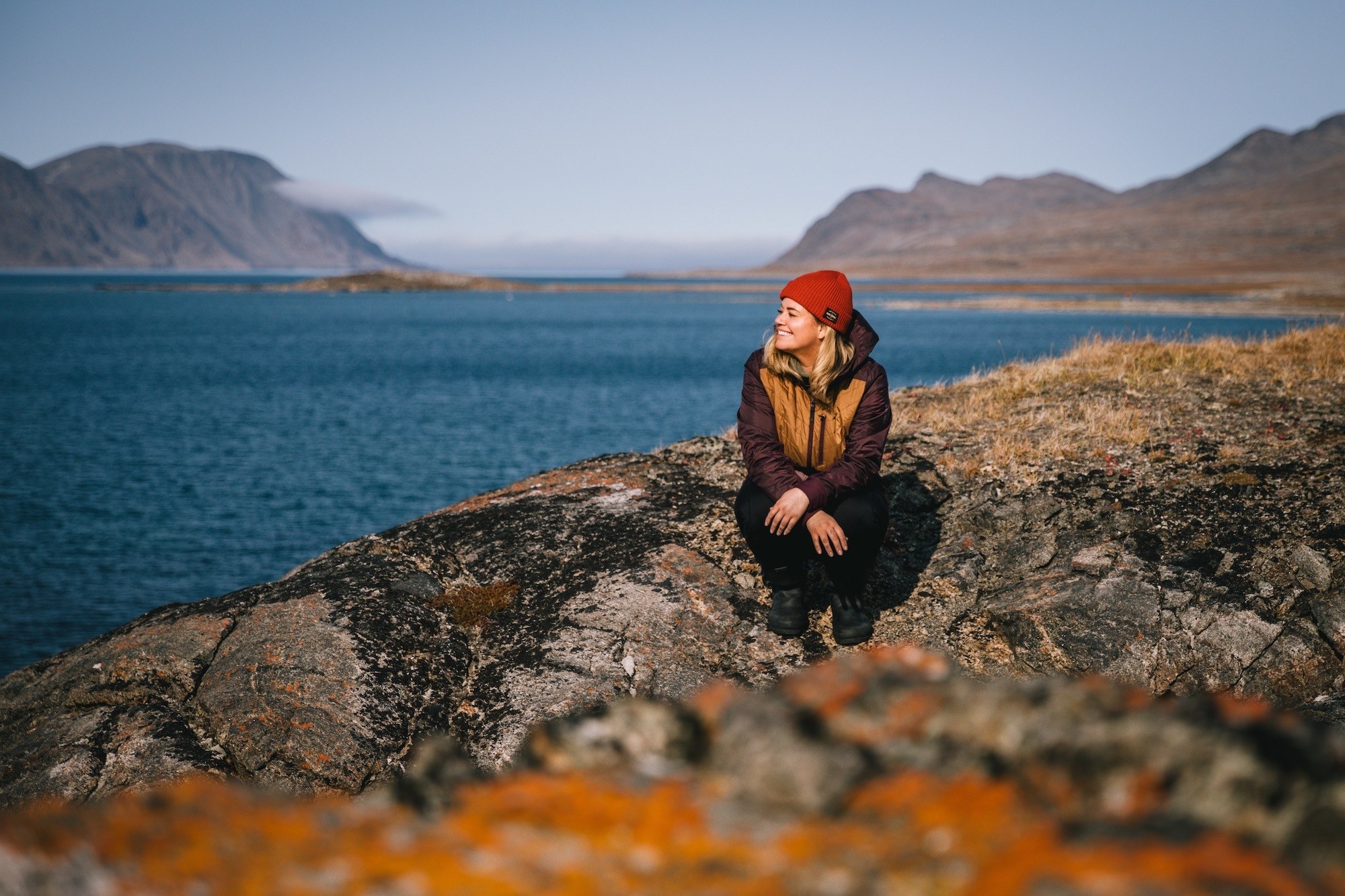
A critical component of modern polar travel is the concept of "ambassadorship." Industry leaders argue that by bringing people to the Arctic and educating them about the fragile ecosystem, they create a global network of advocates for polar conservation. This is particularly relevant as the Arctic is warming nearly four times faster than the rest of the world, leading to rapidly diminishing sea ice and retreating glaciers in Greenland.
Expedition guides play a pivotal role in this educational framework. Their duties extend beyond logistics; they act as interpreters of the landscape. Whether following the historical footsteps of the ill-fated Franklin Expedition on Beechey Island or explaining the geological formations of Greenlandic fjords, guides provide the context necessary to turn a sightseeing trip into a conservation-minded experience. This educational approach is often cited as the primary reason why travelers develop such strong loyalty to specific expedition companies and their staff.
Economic Implications of the Referral-Based Model
The professional transition of travel creators also introduces a new economic model for the industry: the expert-referral system. Moving away from traditional advertising and "sponsored posts," some professionals are now operating as specialized travel consultants or "referral agents." Under this model, experts use their first-hand knowledge to pair travelers with specific itineraries that match their interests—whether that be Inuit art, wildlife photography, or maritime history.
This model benefits all parties: the traveler receives unbiased, expert advice; the operator gains a highly qualified lead; and the consultant earns a commission that supports their creative work and guiding career. This "hands-on" approach is viewed as more authentic and transparent than traditional influencer marketing, as the consultant often serves as a guide on the very trips they recommend.
Broader Impact and Industry Implications
The move toward specialized guiding and expert-led travel has several long-term implications for the tourism sector. First, it raises the bar for "travel expertise." In a world saturated with digital content, consumers are increasingly looking for professionals with "boots on the ground" experience and technical certifications.
Second, it fosters a more sustainable relationship between the tourism industry and the local communities in the Arctic. Companies that emphasize long-term relationships and cultural sensitivity, such as those that hire local Inuit guides and support Northern artists, are better positioned to navigate the complex social and environmental landscapes of the high North.
Finally, this trend signals a maturation of the creator economy. The first generation of travel bloggers is now entering a "senior" phase of their careers, where the value of their work is measured not by "likes" or "followers," but by their ability to facilitate complex, meaningful, and safe experiences in the world’s most remote environments.
Future Outlook for Polar Exploration
As the Arctic continues to change due to climate shifts, the tourism industry will face new challenges. Reduced sea ice may open more routes, but it also creates unpredictable weather patterns and logistical hazards. The role of the expedition guide will become even more critical in ensuring passenger safety and environmental compliance.
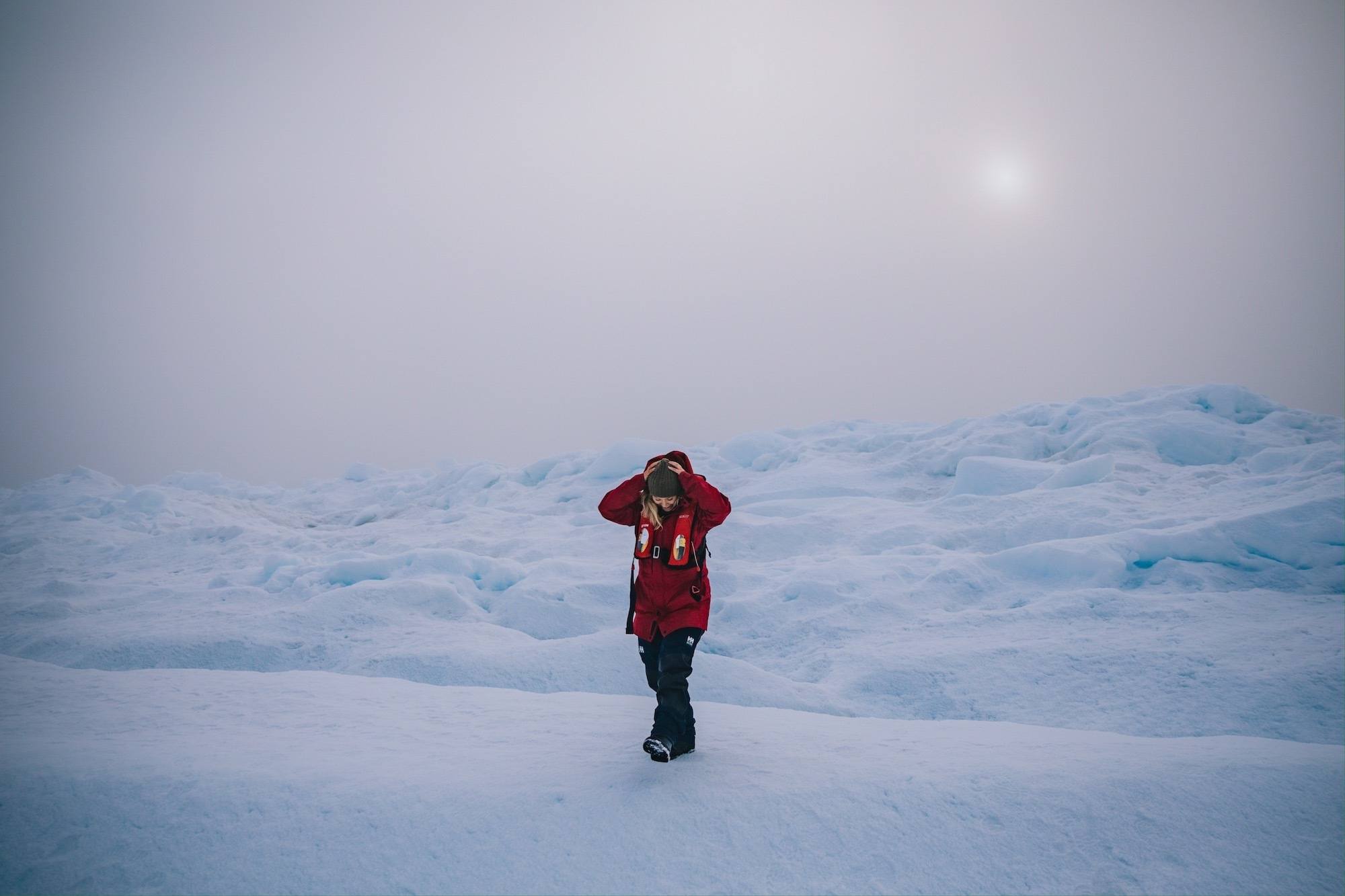
The future of polar travel lies in the balance between accessibility and preservation. By integrating seasoned storytellers and digital experts into the professional guiding workforce, the industry is better equipped to communicate the urgency of polar conservation while providing the high-level expertise that modern adventurers demand. This evolution from "influencer" to "ambassador" represents a promising path forward for both the individuals involved and the fragile environments they seek to protect.