The Comprehensive Guide to Navigating European Rail Travel: Infrastructure, Ticketing Strategies, and Station Logistics

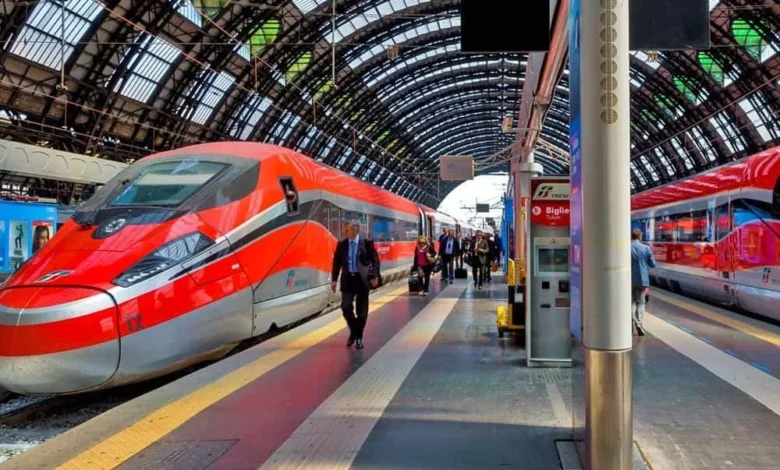
European rail travel remains a foundational pillar of the continent’s transportation infrastructure, facilitating the movement of hundreds of millions of passengers annually between major metropolitan centers, historic towns, and rural destinations. As European railway networks continue to modernize, integrating high-speed corridors with regional commuter lines, understanding the operational mechanics of the system is essential for both domestic and international travelers. Navigating this vast network requires a comprehensive grasp of ticketing economics, digital platforms, station logistics, and onboard protocols.
Historical Context and Network Evolution
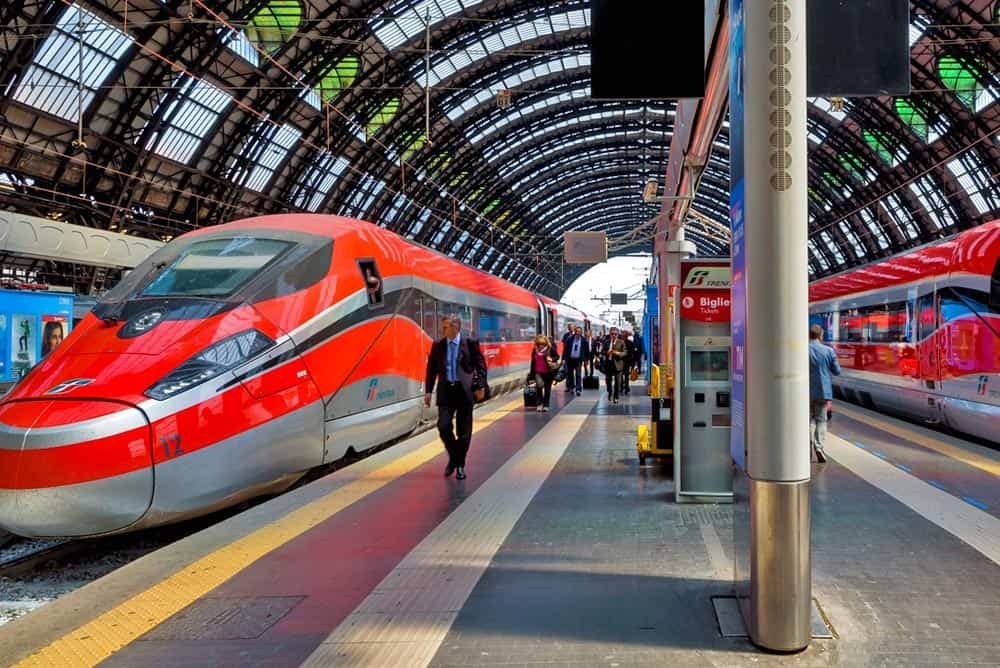
The modern European rail network is the product of nearly two centuries of continuous development, transitioning from fragmented 19th-century steam operations into a highly synchronized, cross-border transit ecosystem. The post-World War II era, followed by the establishment of the European Union, catalyzed standardizations across national borders, eventually giving rise to high-speed marvels like the Eurostar, France’s TGV (Train à Grande Vitesse), Germany’s ICE (Intercity Express), and Spain’s AVE.
Today, this infrastructure connects dozens of independent national rail operators—such as Deutsche Bahn in Germany, SNCF in France, and Trenitalia in Italy—alongside private carriers. The implementation of cross-border alliances and unified ticketing initiatives has transformed international travel, allowing passengers to traverse multiple sovereign states within a single day. However, this decentralization also creates structural complexities, as each national authority maintains distinct operational procedures, pricing models, and validation requirements.
Economic Framework of European Train Fares
A primary challenge for travelers is navigating the dual-pricing structure utilized by European rail operators: fixed-price fares and variable-price fares. Understanding these pricing mechanisms is critical for optimizing travel budgets.
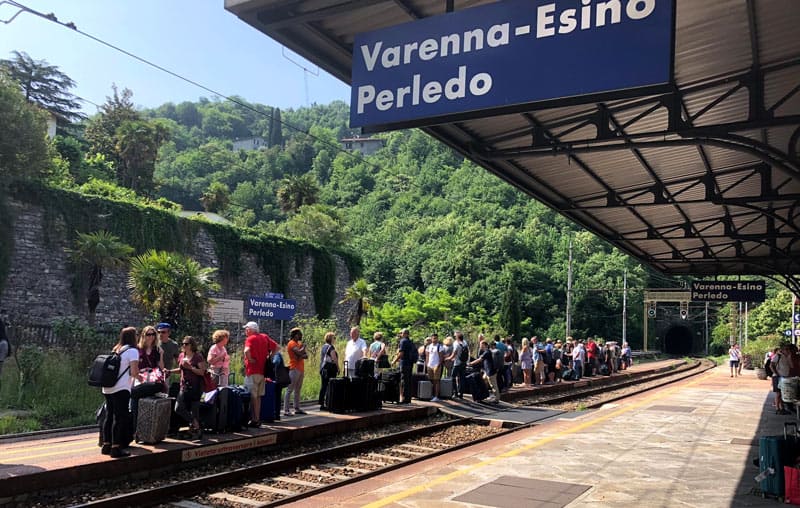
Regional and local trains typically operate on a fixed-price model. In these instances, ticket costs are calculated strictly by distance traveled. Because demand does not influence the price, tickets for regional routes cost the exact same whether purchased six months in advance or minutes before departure at a station kiosk. Furthermore, domestic regional tickets rarely require seat reservations, offering maximum scheduling flexibility.
Conversely, high-speed and long-distance intercity trains utilize variable-price fares. Similar to commercial airline pricing, these tickets fluctuate based on demand, seasonality, day of the week, and how far in advance the purchase is made. Data compiled across major European rail corridors indicates that booking high-speed tickets 60 to 90 days prior to departure can yield savings of up to 60% to 70% compared to last-minute purchases. However, these discounted advance fares are frequently non-refundable and tied to a specific train departure, requiring travelers to balance financial savings against schedule flexibility.
Purchasing Options: Third-Party Platforms Versus National Carriers
When acquiring European rail documentation, passengers generally choose between third-party booking aggregators and official national railway websites.
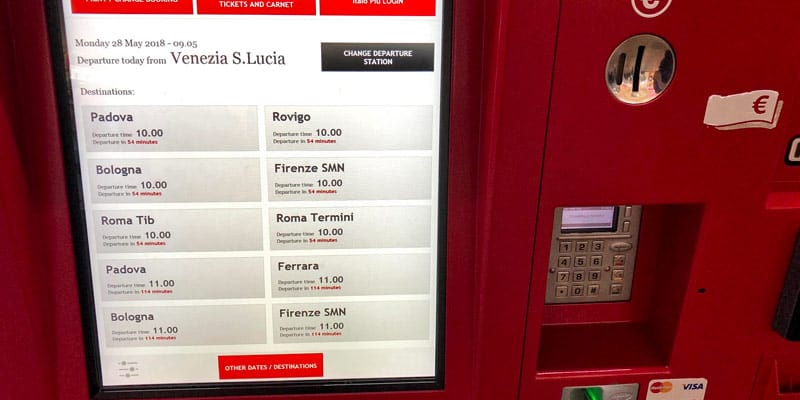
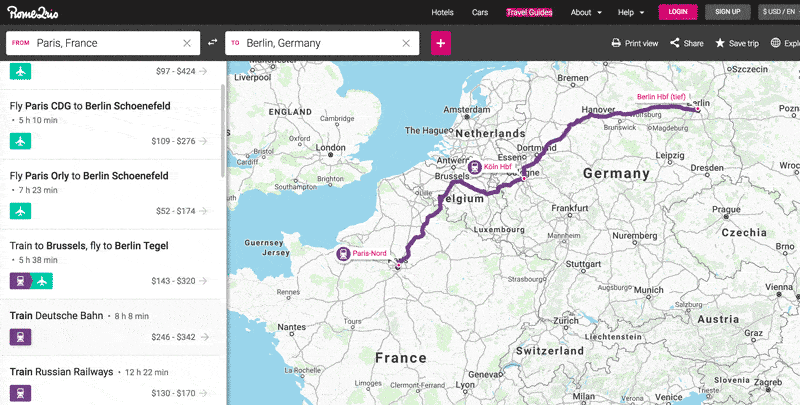
Third-party platforms—such as Omio, Trainline, and Rome2Rio—have gained significant market share due to their user-friendly interfaces, multi-language support, and ability to compare routes across different transport modes (train, bus, and flight). These aggregators streamline the purchasing process by centralizing itineraries that span multiple countries.
Nevertheless, industry experts recommend cross-referencing third-party platforms with official national railway websites (such as Bahn.de for Germany or Trenitalia for Italy). National operators occasionally offer exclusive promotional discounts or flash sales that are not syndicated to external aggregators. For complex multi-city itineraries, platforms like the German Railways (Bahn.de) timetable serve as an invaluable resource, mapping out virtually every train schedule in Europe, even when bookings must be finalized elsewhere.
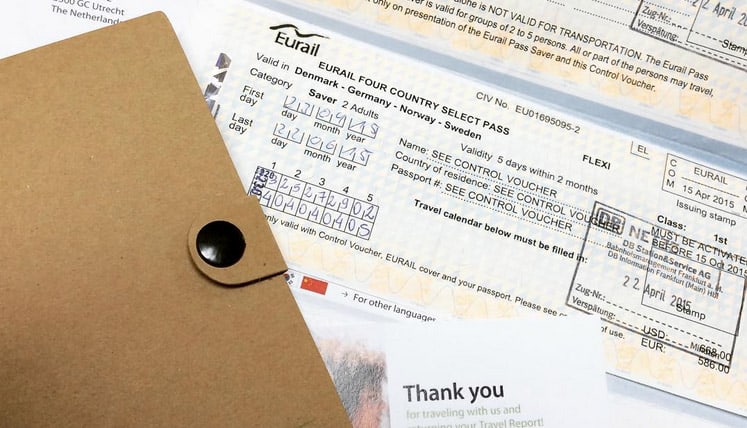
For travelers prioritizing absolute spontaneity, the Eurail Pass—and its country-specific counterparts—offers an alternative model. A Eurail Pass functions as a generalized travel card permitting passage across participating European networks. While passes reduce the administrative burden of purchasing individual tickets, travelers must account for mandatory seat reservation fees on high-speed and international routes, which can add unexpected costs during peak travel seasons.
Station Logistics, Safety, and Onboard Protocols
Arriving at a European train station requires careful preparation, given the sheer scale and architectural complexity of major transport hubs. Major metropolitan areas frequently operate multiple terminal stations; for instance, Paris features six distinct primary stations, while smaller municipalities may house two separate depots. Verifying the correct station and platform in advance prevents missed connections.
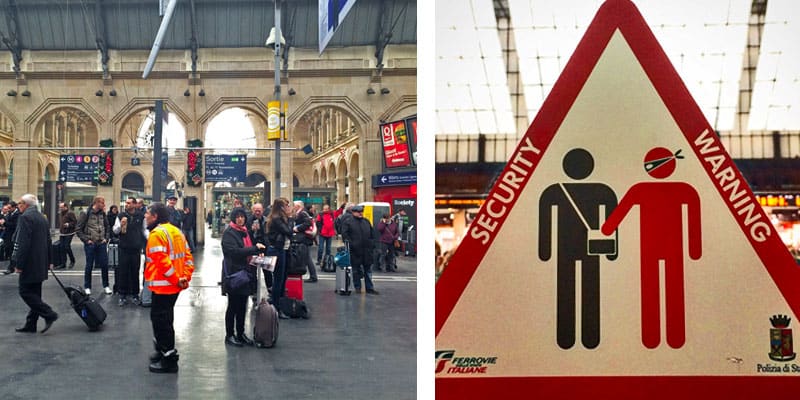
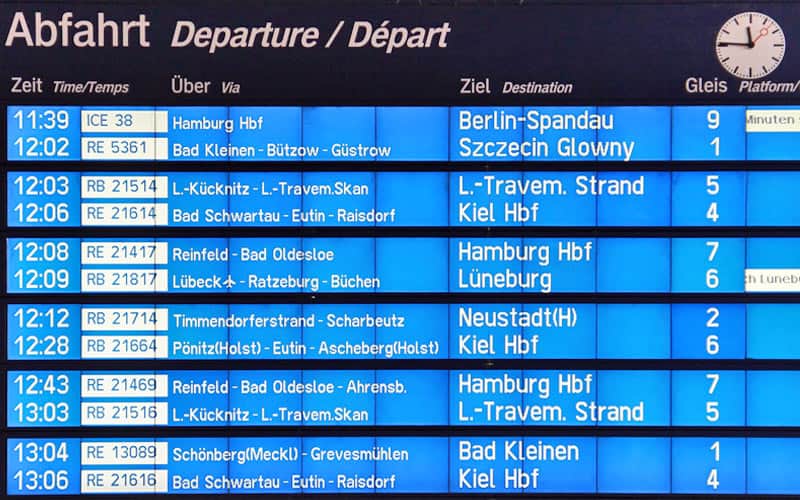
Upon entering a station, passengers must consult central departure boards to verify train numbers, scheduled departure times, and platform assignments. European railway boards frequently withhold platform numbers until 10 to 15 minutes prior to departure, requiring travelers to monitor electronic displays closely.
Physical paper tickets often require validation—stamping the date and time via yellow or blue mechanical boxes located at the head of station platforms—prior to boarding. Failure to validate a physical ticket can result in substantial fines by onboard conductors, who may interpret the omission as an attempt at fare evasion. Conversely, digital and electronic tickets, which are increasingly ubiquitous, do not require physical stamping as they are bound to specific travel windows and verified via QR code by conductors.
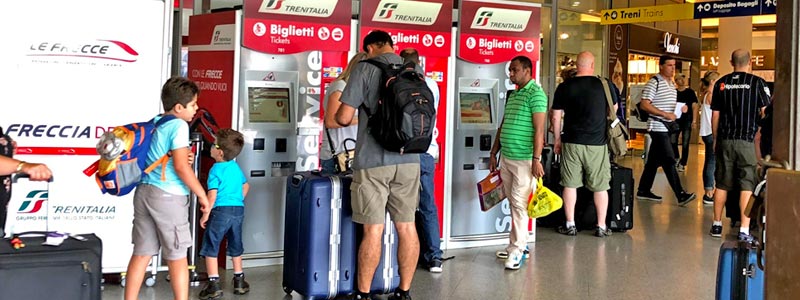
Security and safety remain important considerations within high-traffic transit hubs. Major European train stations are frequently targeted by pickpockets and opportunistic scammers who exploit the confusion of tourists navigating automated ticket kiosks or unfamiliar signage. Travelers are advised to remain vigilant regarding personal belongings and to exercise caution when approached by unsolicited individuals offering assistance at ticket machines.
Once onboard, passengers locate their designated carriage and seat number, which are prominently displayed both on the exterior of the train cars and above individual seats. Luggage storage is accommodated via overhead racks for smaller bags and dedicated floor-level compartments at the ends of carriages for oversized luggage. Onboard conductors typically inspect tickets within 15 to 30 minutes of departure.
Broader Implications and Industry Trends
The ongoing digitalization of European rail travel—marked by the widespread adoption of mobile ticketing, real-time delay tracking applications, and cross-border data integration—has significantly lowered the barrier to entry for international visitors. Furthermore, as governmental bodies across the European Union prioritize green transportation initiatives to combat climate change, rail corridors are experiencing increased public investment aimed at expanding high-speed rail networks and increasing nighttime sleeper train routes.
Ultimately, mastering European rail travel requires a blend of advance logistical planning and situational awareness. By understanding the nuances of variable pricing, utilizing comprehensive scheduling resources, and mastering station navigation, travelers can efficiently harness one of the world’s most sophisticated and historically rich public transit networks.