Outsite Emerges as a Leading Solution for Digital Nomads Seeking Integrated Co-living and Co-working Experiences

The evolving landscape of global employment, profoundly accelerated by recent worldwide events, has solidified remote work as a permanent fixture in many industries. This shift has given rise to a distinct demographic: the digital nomad, individuals who leverage technology to work from any location globally. However, the allure of travel often collides with the practical demands of maintaining professional productivity, presenting significant challenges in finding reliable workspaces, stable internet connectivity, and fostering a sense of community. Addressing these critical needs, platforms like Outsite have emerged as comprehensive solutions, integrating co-living and co-working amenities to cater specifically to this growing segment of the global workforce.
The Genesis of Digital Nomadism and the Remote Work Revolution
Prior to the global pandemic, the concept of digital nomadism, while gaining traction, was often viewed as a niche lifestyle. Early adopters faced numerous hurdles, including inconsistent internet infrastructure, the solitary nature of remote work in unfamiliar environments, and the constant search for suitable, quiet places to focus. The typical scenario involved hunching over a tiny table in a crowded hostel common room or contending with unreliable Wi-Fi in short-term rentals, often leading to frustration and reduced productivity. This precarious balance between exploration and professional commitment was a significant deterrent for many contemplating a location-independent career.
The year 2020, however, marked an undeniable inflection point. The widespread adoption of remote work, initially a necessity, rapidly transformed into a preferred model for many companies and employees alike. Organizations discovered the viability of distributed teams, while individuals embraced the flexibility and improved work-life balance offered by working outside traditional office settings. Data from various sources underscores this transformation: a 2023 report by MBO Partners estimated that the number of American digital nomads reached 17.3 million, a 131% increase since 2019. Furthermore, surveys consistently show that a significant percentage of the global workforce now desires continued remote or hybrid work options, signaling a sustained demand for infrastructure that supports this lifestyle. This paradigm shift created a fertile ground for innovative solutions tailored to the unique requirements of the remote professional on the move.
Outsite’s Pioneering Approach to Integrated Living and Working
Founded in 2015, Outsite positioned itself early as a pioneer in the co-living and co-working space, specifically targeting location-independent entrepreneurs and digital nomads. Its initial vision was modest yet impactful: a single house in Santa Cruz, California, designed to allow individuals to seamlessly combine their passion for surfing with their professional responsibilities. This foundational concept quickly resonated with a burgeoning community of remote workers seeking more than just accommodation – they desired an environment that fostered both productivity and social connection.
Over the past nine years, Outsite has demonstrated remarkable growth and strategic expansion. From its single Californian outpost, the platform has burgeoned into a global network boasting over 50 locations across diverse geographies, including bustling city centers, tranquil beach towns, and serene mountain retreats. This expansion reflects a keen understanding of the varied preferences within the digital nomad community, offering choices that align with different lifestyles and professional needs. The platform now serves over 5,000 members, solidifying its position as a leading provider in the integrated co-living and co-working market.
Operational Framework: A Hybrid Model of Hospitality and Productivity
Outsite’s operational model ingeniously blends the comfort and privacy of a boutique hotel with the functional efficiency and collaborative spirit of a dedicated co-working space. Guests typically book private bedrooms, many of which feature en-suite bathrooms, providing a crucial element of personal space. For those seeking more budget-friendly options, some rooms offer shared bathrooms, usually with only one other occupant, maintaining a higher level of comfort compared to traditional hostels.
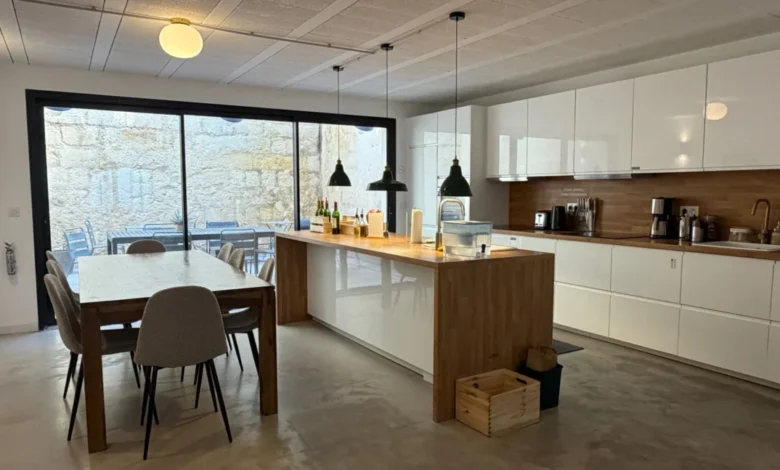
Beyond private accommodations, each Outsite location is meticulously designed with expansive, aesthetically pleasing communal areas. These include fully-equipped chef’s kitchens, far exceeding the capabilities typically found in a standard Airbnb, allowing guests to prepare their own meals and often share culinary experiences. Spacious living rooms, outdoor patios, and in many locations, roof decks or swimming pools, provide ample opportunities for relaxation and informal social interaction.
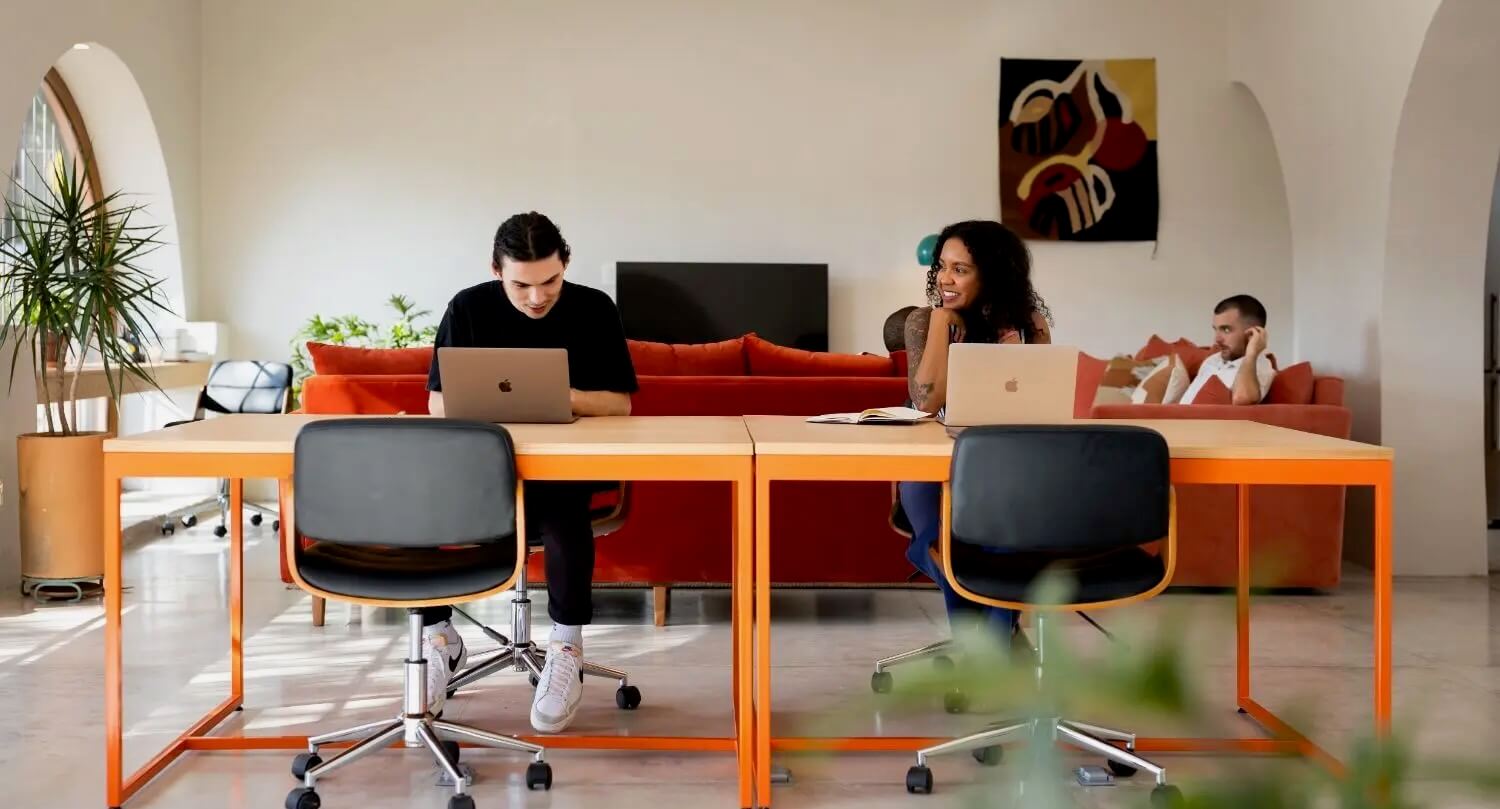
A cornerstone of the Outsite experience is the integrated co-working infrastructure. Every property features a dedicated workspace engineered for optimal productivity. This includes ergonomic chairs, abundant power outlets, external monitors for enhanced workflow, and, crucially, enterprise-grade, high-speed Wi-Fi. This eliminates the uncertainty and time-consuming search for reliable internet, enabling residents to transition seamlessly from morning routines to focused work within minutes. The design prioritizes natural light, biophilic elements like plants, and local art, creating an inspiring and comfortable environment that contrasts sharply with the often-sterile feel of corporate hotels.
Cultivating Community: The Social Fabric of Outsite
A critical differentiator for Outsite, and arguably its most significant value proposition, is its emphasis on community. Remote work, while offering unparalleled freedom, can often lead to feelings of isolation. Outsite actively combats this by fostering a vibrant social atmosphere. Each location is supported by a dedicated Community Manager, who serves as a local resource, providing tips, recommendations, and organizing a diverse calendar of events.
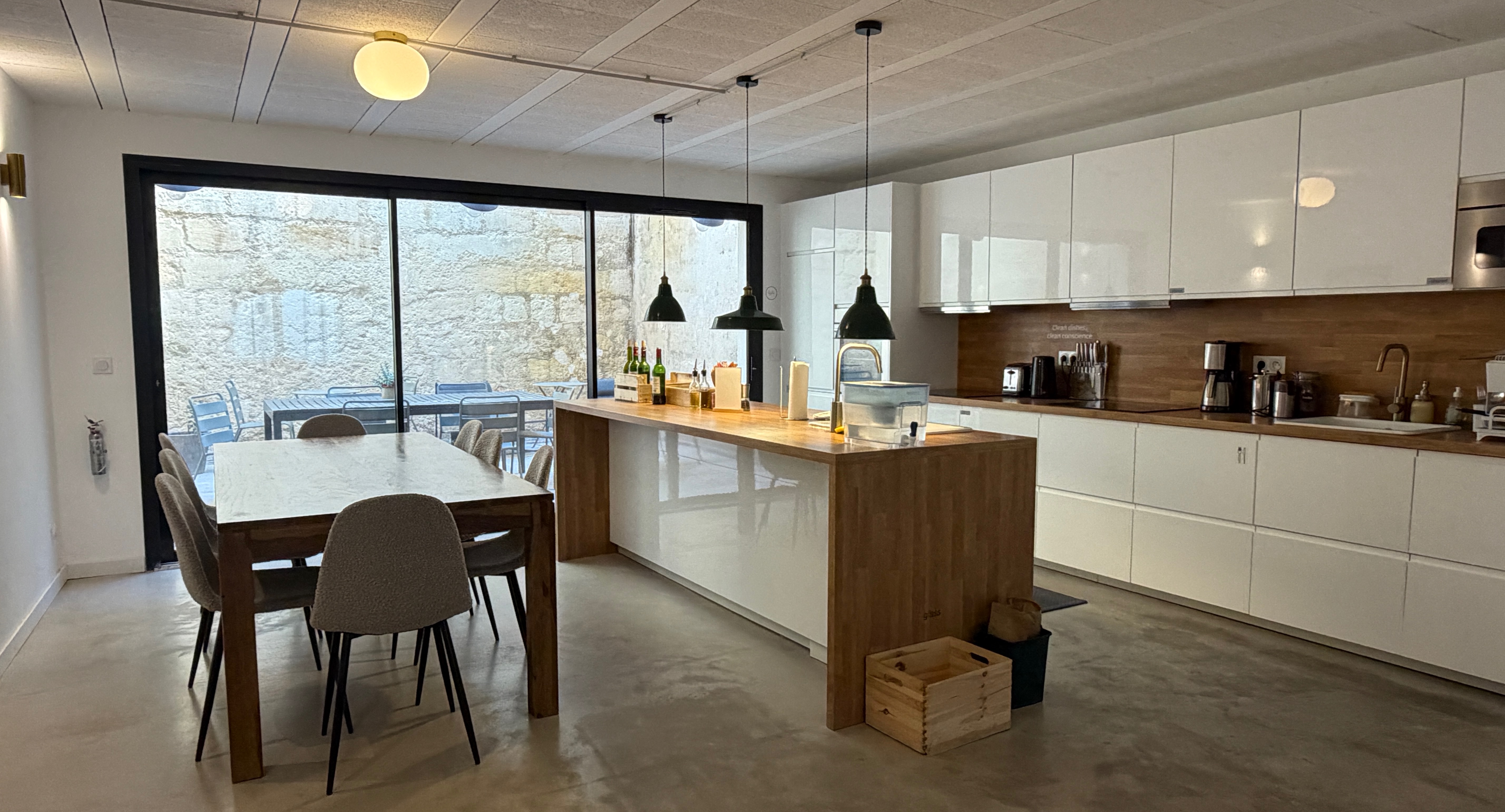
Upon arrival, guests are typically added to a local WhatsApp group, facilitating immediate connection with fellow residents. Weekly events are a staple, ranging from family-style dinners and group weekend excursions to informal gatherings like Friday night tapas crawls and morning yoga sessions. This curated social programming ensures that residents have ample opportunities to meet, connect, and form bonds with like-minded individuals who share similar life experiences and professional challenges. As noted by a recent guest in Bordeaux, "The community manager was an invaluable resource, offering insights into local culture and acting as a bridge for residents to connect, transforming a solitary work trip into a rich social experience." This shared context among residents, all balancing work and travel, creates a unique camaraderie distinct from typical backpacker hostels where priorities often diverge. Most residents opt for extended stays, often two weeks or more, allowing for deeper connections to form.
Membership Benefits and Accessibility
While anyone can book a stay at an Outsite property, the platform offers a tiered membership structure designed to enhance the experience and provide financial advantages for regular users. An annual membership, priced at $199, or a lifetime membership at $499, unlocks a suite of perks. These include access to members-only locations, a complimentary week in new destinations, significant discounts (e.g., 50% off flash sales, 40% off extended stays), and invitations to new member mixers. Furthermore, members gain access to a job and sublets board, along with various lifestyle benefits, adding tangible value for committed digital nomads. For those planning stays beyond a few days, the annual membership often pays for itself rapidly through discounted nightly rates.
The booking process is streamlined through Outsite’s intuitive website, allowing users to filter by destination or desired ambiance (e.g., beach, city, mountains) and book a private room with ease.
Strategic Considerations and Market Position
While Outsite presents a compelling solution, it is important to contextualize its market position. It is not designed as a budget backpacker option. The premium for private rooms, guaranteed high-quality workspaces, and curated community experiences translates to a higher price point than a typical hostel dorm. However, when juxtaposed against the combined cost of a private Airbnb rental and a separate monthly co-working pass in many global cities, Outsite frequently offers a more cost-effective and certainly more integrated solution. This value proposition is particularly attractive for professionals who prioritize comfort, productivity, and social connection.
A practical consideration for prospective residents is the popularity of certain locations. High-demand Outsite properties, such as those in Lisbon during peak summer months or Costa Rica in winter, often book up months in advance. This necessitates forward planning, somewhat tempering the spontaneous nature often associated with digital nomadism, particularly for sought-after destinations.
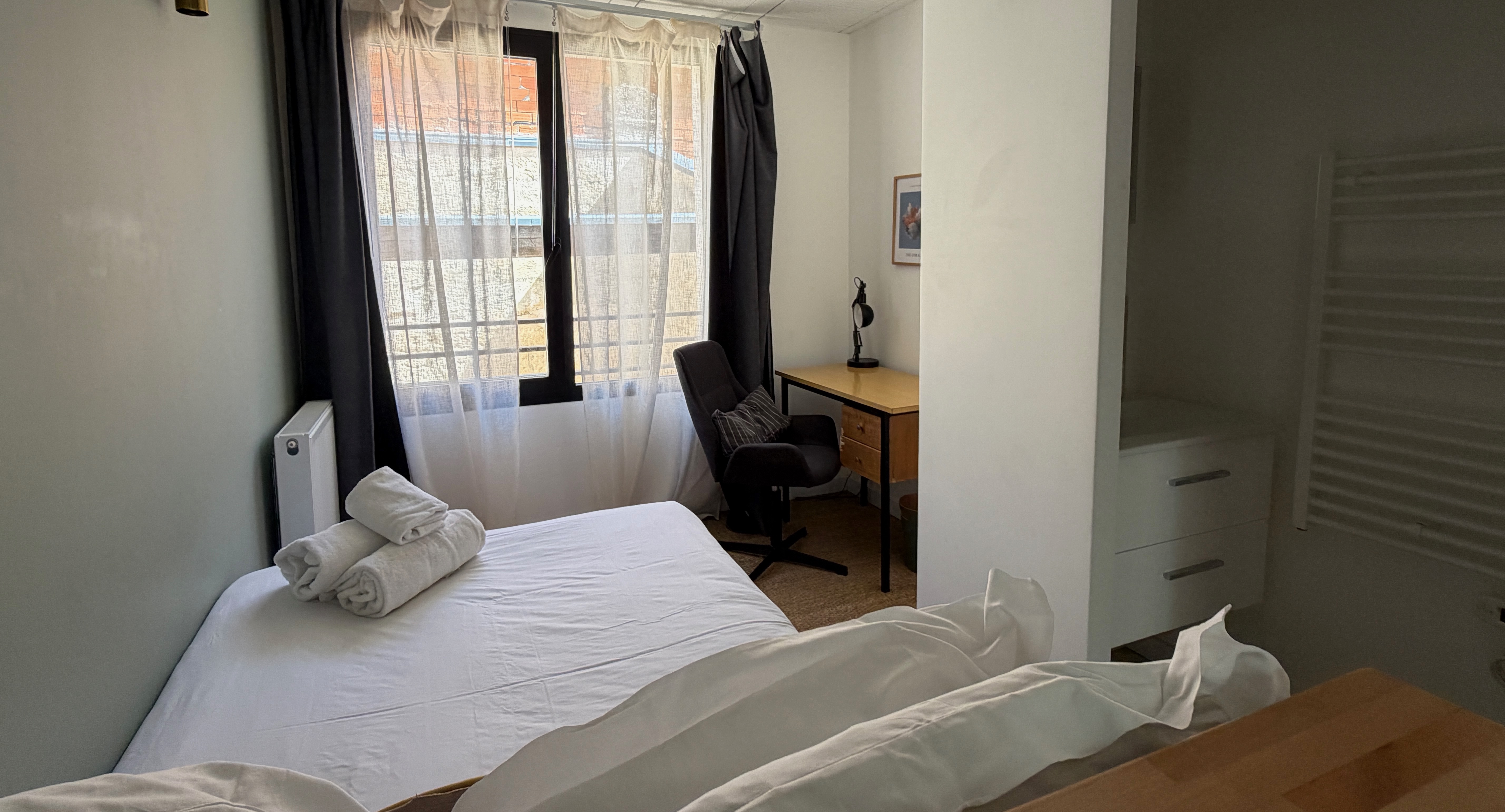
Regarding demographics, Outsite caters predominantly to working professionals in their late 20s, 30s, and 40s, creating an environment that is generally more mature and professionally oriented than the average backpacker hostel. While there is no strict age limit (18+, some 21+ locations), the community ethos aligns with individuals balancing career ambitions with a desire for global exploration. Minimum stay requirements vary, with most locations requiring just two nights, allowing for weekend visits. However, specific locations, particularly in major cities with stringent housing regulations (e.g., New York), may enforce a 30-day minimum stay. Pet policies are generally restrictive due to the shared living environment, prioritizing the comfort and allergy considerations of all guests.
Broader Implications and Future Outlook
Outsite’s success underscores a significant evolution in the hospitality and remote work industries. For digital nomads, it offers a refined solution that minimizes common stressors, allowing for greater focus on both professional development and cultural immersion. The integrated model mitigates the isolation often associated with remote work, providing ready-made social networks and structured opportunities for interaction. This fosters not only personal well-being but also potential professional networking among residents from diverse backgrounds and industries.
For local economies, the presence of Outsite locations can contribute positively by attracting a stable influx of visitors who typically engage in longer stays than traditional tourists. These individuals often integrate more deeply into local communities, supporting local businesses, restaurants, and cultural activities. This provides a more consistent economic impact compared to transient tourism.
The broader co-living and co-working industry can view Outsite as a benchmark for quality and community curation. Its model demonstrates that the demand for hybrid spaces that cater to the modern, location-independent professional is robust and growing. As remote work continues to entrench itself globally, platforms like Outsite will play an increasingly vital role in shaping the future of work and travel, empowering a new generation of professionals to truly live and work from anywhere, without compromising on career progression, comfort, or social fulfillment. The ability to find one’s "tribe" while exploring the world, as evidenced by experiences in locations like Bordeaux, is a powerful testament to the value Outsite provides.
Related posts: