Reinventing the Wilderness: How the Appalachian Trail is Rethinking Shelters and Tent Camping to Save Its Ecosystem

The Appalachian Trail Conservancy (ATC) is spearheading a massive, multi-year paradigm shift in how America’s most famous footpath manages human impact, balancing the historic traditions of long-distance backpacking with modern ecological science.
For decades, the standard experience of tackling the 2,190-mile Appalachian Trail (AT) from Springer Mountain, Georgia, to Mount Katahdin, Maine, relied heavily on a sprawling network of trailside shelters. Built primarily as rustic havens for heavy canvas tents and primitive gear during the 20th century, these structures were frequently placed in flat, low-lying areas directly adjacent to water sources. While these locations offered convenience for early generations of backpackers, they were established long before the advent of modern recreation ecology, Leave No Trace principles, or the contemporary surge in long-distance hiking popularity.
Today, those legacy locations are buckling under unprecedented foot traffic. During peak "bubble season," hundreds of aspiring thru-hikers converge daily on southern landmarks, drastically outstripping shelter capacities that often max out at a dozen people. The resulting ecological footprint has forced land managers, conservation scientists, and volunteer groups to reevaluate the future of the trail’s infrastructure, signaling a definitive move toward sustainable sidehill tent pads, strategic zoning, and, in some cases, the complete removal of decaying historical shelters.
The Hawk Mountain Pilot Project: A Blueprint for Recovery
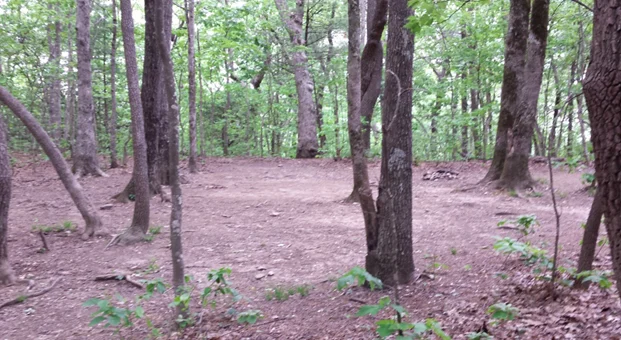
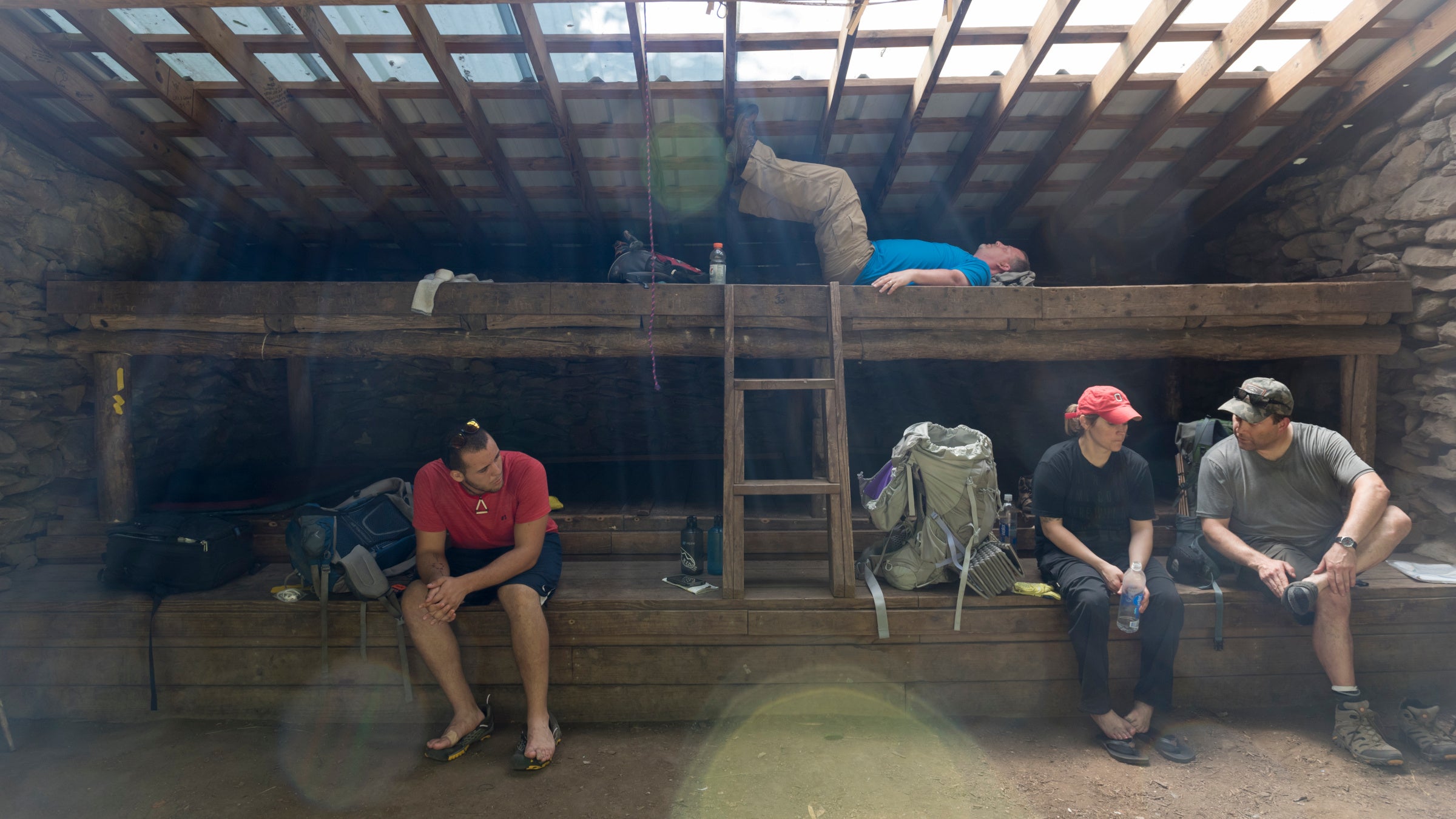
The catalyst for this nationwide trail reckoning began unfolding roughly eight miles north of the AT’s southern terminus at Hawk Mountain Shelter. Moved to its current site in 1993, the shelter quickly became a severe bottleneck. During peak seasons, upwards of 100 would-be thru-hikers flooded the area daily. Because the physical structure could only accommodate 12 people indoors, the remaining trekkers pitched their tents wherever space permitted in the surrounding forest.
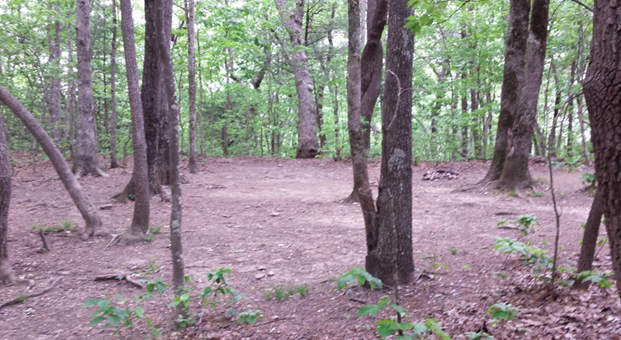
The collective impact of daily foot traffic—from trips to firepits and nearby creeks to the digging of catholes—proved catastrophic for the understory. Stream banks were systematically stripped of vegetation, leaving exposed soil vulnerable to heavy rains and severe erosion. By 2015, the environmental degradation zone surrounding the Hawk Mountain Shelter had ballooned to an alarming four acres.
Morgan Sommerville, the Appalachian Trail Conservancy’s director of visitor use management, remembers the transformation vividly. Having first hiked the trail in the late 1970s, he found the modern degradation jarring. Coming across a massive, denuded patch of earth in the middle of what is supposed to be a pristine wilderness represented the polar opposite of the intended AT experience.
To combat this, Sommerville partnered with the Georgia Appalachian Trail Club, the U.S. Forest Service, and renowned recreation ecologist Jeff Marion in 2015. Marion, a pioneer of the national Leave No Trace campaign, brought empirical research to the table that ultimately underpinned the ATC’s first official sustainable overnight management guidelines in 2007.
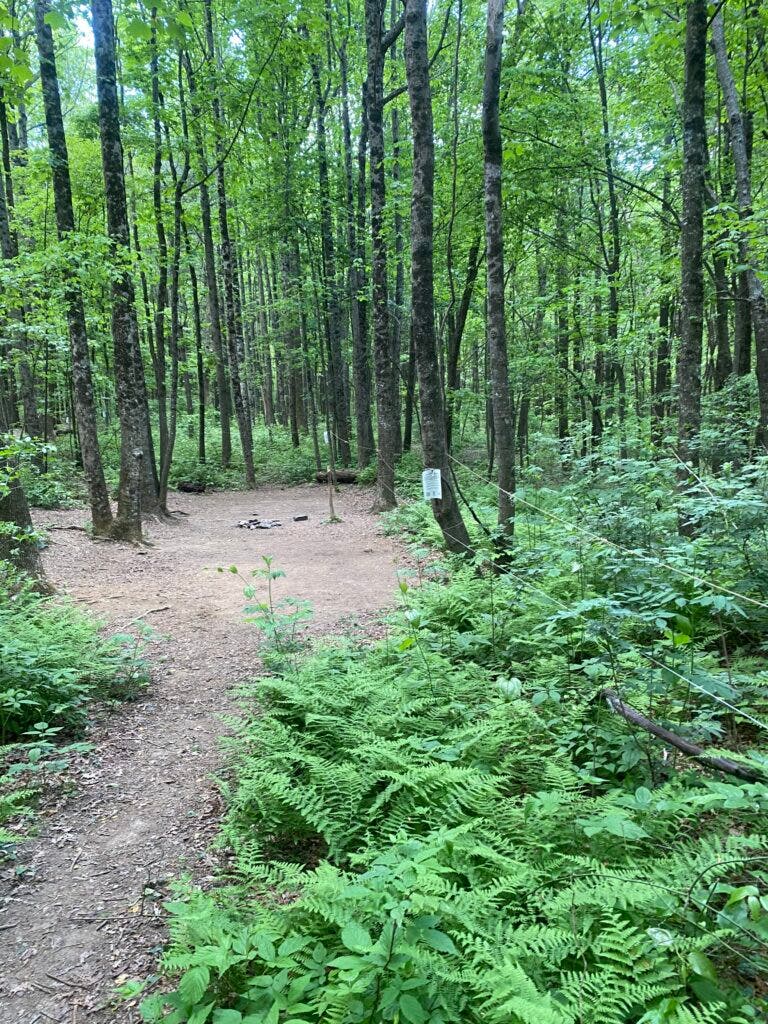
Marion and Sommerville selected Hawk Mountain as a high-profile pilot program to test radical interventions. Beginning in 2016, the management team installed string lines and rope barriers between trees to rope off roughly 3.75 acres of recovering woodlands. Laminated educational cards explained the closure to visitors. To the team’s initial surprise, the hiking community largely respected the boundaries.
Simultaneously, the ATC introduced an online registration system to stagger thru-hiker start times and flatten the curve of daily arrivals. They mandated the use of bear canisters and installed three permanent bear boxes, effectively curbing hiker drift into the surrounding undergrowth in search of food storage solutions.
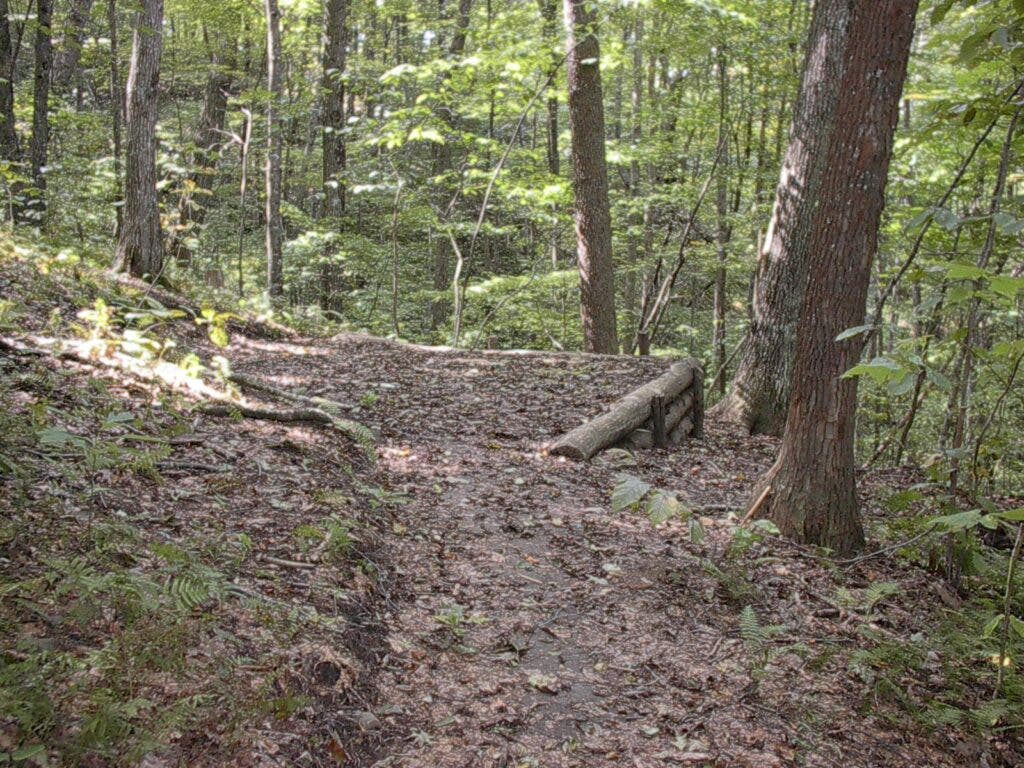
The most transformative engineering feat, however, was the construction of 30 designated, sustainable tent pads carved into steep slopes along a half-mile stretch of trail.
Understanding the Psychology of the Modern Thru-Hiker
According to ATC surveys, thru-hikers utilize physical shelters on average only one out of every four nights. The vast majority express a distinct preference for stealth camping, a habit that historically resulted in the creation of over 5,000 unofficial, user-built tent sites across the entire trail corridor.
Jeff Marion’s core thesis during the Hawk Mountain intervention was that high use does not automatically translate to high ecological damage. Pristine trail treads located just a mile above and below heavily impacted shelters proved that foot traffic itself was not the primary enemy; rather, poor site planning and a lack of clear managerial guidance were to blame.
When backpackers complete a grueling 15- to 20-mile day on the trail, decision fatigue sets in, and they naturally begin scanning the immediate environment for a place to sleep. If they encounter a well-defined, flat platform of earth reinforced by natural logs, human psychology dictates that they will utilize it rather than trampling fresh ground.
By strategically notching tent pads into hillsides with grades of at least 15 percent, the team eliminated the sprawling footprint typical of flat-area campsites. Positioning these pads near a centralized shelter with an established fire pit successfully corralled hiker social gatherings.
The results at Hawk Mountain exceeded expectations. Within four years of the intervention, the active human impact zone shrank from four acres down to roughly a quarter of an acre, allowing the forest understory to stage a remarkable natural recovery.
Scaling the Strategy: McAfee Knob and the Virginia Triple Crown
Buoyed by the success of the Hawk Mountain pilot—and further reinforced by a surge in tent camping preferences during the COVID-19 pandemic—the ATC and its regional management partners began expanding these targeted interventions to other hyper-utilized pinch points along the 2,190-mile route.
One prime candidate was McAfee Knob in Virginia, arguably the most photographed and heavily visited vista on the entire Appalachian Trail. Drawing roughly 60,000 visitors annually, McAfee Knob serves as a crown jewel of the Virginia Triple Crown, but its popularity has inflicted severe collateral damage on nearby infrastructure, notably the Catawba Mountain Shelter.
In response, the Konnarock Trail Crew was deployed to rework and optimize trail treads near the structure. Crews installed erosion-resistant stone stairs to safely guide hikers to and from privies and water sources, while also constructing a dozen new dispersed camping pads to absorb overflow crowds without expanding the site’s environmental footprint.
Torn Down, Not Rebuilt: The Evolution of AT Shelters
While sidehill tent pads are proliferating, the ATC’s approach to aging and structurally compromised shelters has simultaneously shifted toward aggressive attrition. Rather than automatically repairing every rotting lean-to built decades ago, land managers are increasingly opting to remove them entirely or relocate them to more ecologically sound environments.
This strategy has occasionally sparked friction within the traditionalist hiking community, particularly regarding historic structures. In 2023, the decision to tear down the iconic, yet structurally unsafe, red barn at the Overmountain Shelter in the Roan Highlands drew considerable public opposition from hikers who held deep sentimental attachments to the site.
Conversely, the recent removal of the cinderblock lean-to at Cherry Gap—which suffered catastrophic damage during Hurricane Helene—was largely welcomed by the backpacking community. Known for its notoriously dark, damp, and cramped interior, the Cherry Gap site was viewed by most thru-hikers as a prime candidate for an upgrade.
Morgan Sommerville emphasizes that the ATC has no intention of eradicating shelters entirely. Historic stone buildings constructed by the Civilian Conservation Corps—such as the William Brien Memorial Shelter in New York—as well as modern, sustainably engineered structures like Tennessee’s Mountain Falls shelter, will remain core components of the trail infrastructure.
"Shelters are historically linked with the AT experience and they aren’t inherently bad," Sommerville noted. "But most were built with little forethought, and we think that there should be fewer of them as we move forward."
Data-Driven Conservation: Mapping Every Campsite on the Trail
To transition from reactive maintenance to proactive planning, the ATC commissioned a landmark, exhaustive survey of every single campsite along the entire 2,190-mile trail.
Three dedicated teams of thru-hiker alumni were deployed, each assigned a roughly 730-mile corridor of the footpath. Armed with Geographic Information System (GIS) mapping tools, these field researchers physically tallied every established and unofficial campsite, meticulously measuring their exact impact areas.
This ground-level spatial data is currently being synthesized with a comprehensive 2025 AT usage study, which utilized anonymous cellular phone data, satellite imagery, and localized thermal heat maps to calculate real-time visitor volume.
Historically, trail managers relied heavily on anecdotal, firsthand observations to dictate resource allocation. While effective for obvious crisis zones like Hawk Mountain, identifying emergent degradation in more remote or isolated sections of the backcountry remained a matter of chance. By combining precise campsite mapping with macro-level digital mobility data, the ATC can now pinpoint exactly where hikers are sleeping and in what numbers.
A Century-Defining Transformation
As the Appalachian Trail enters its second century of existence, it faces an existential balancing act between accessibility and preservation. The convergence of post-pandemic outdoor recreation booms, accelerating erosion from severe weather events, and aging infrastructure has forced a fundamental reckoning among land stewards.
The ongoing transition—marked by fewer legacy shelters, an expansion of rugged sidehill tent pads, and data-driven campsite management—signals a definitive evolution in wilderness ethics. For modern backpackers navigating the green tunnel of the East, the trail of tomorrow will look markedly different: more structured, better protected, and fundamentally designed to ensure that the wilderness survives the very people who love it most.