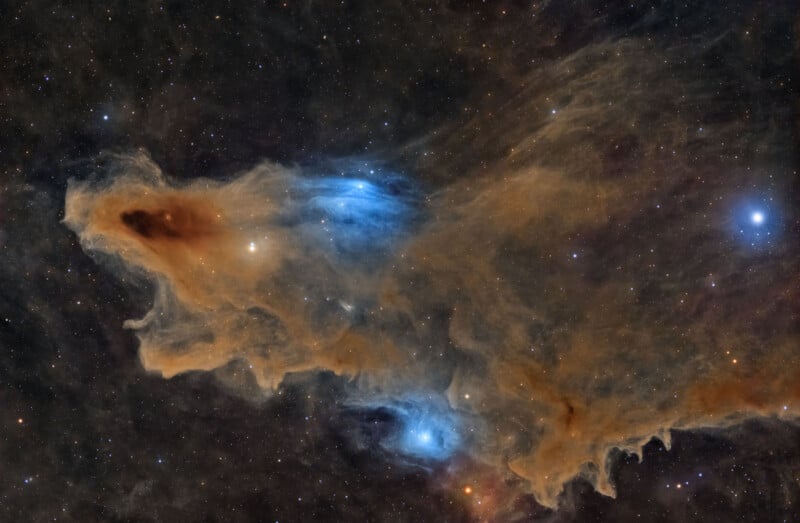
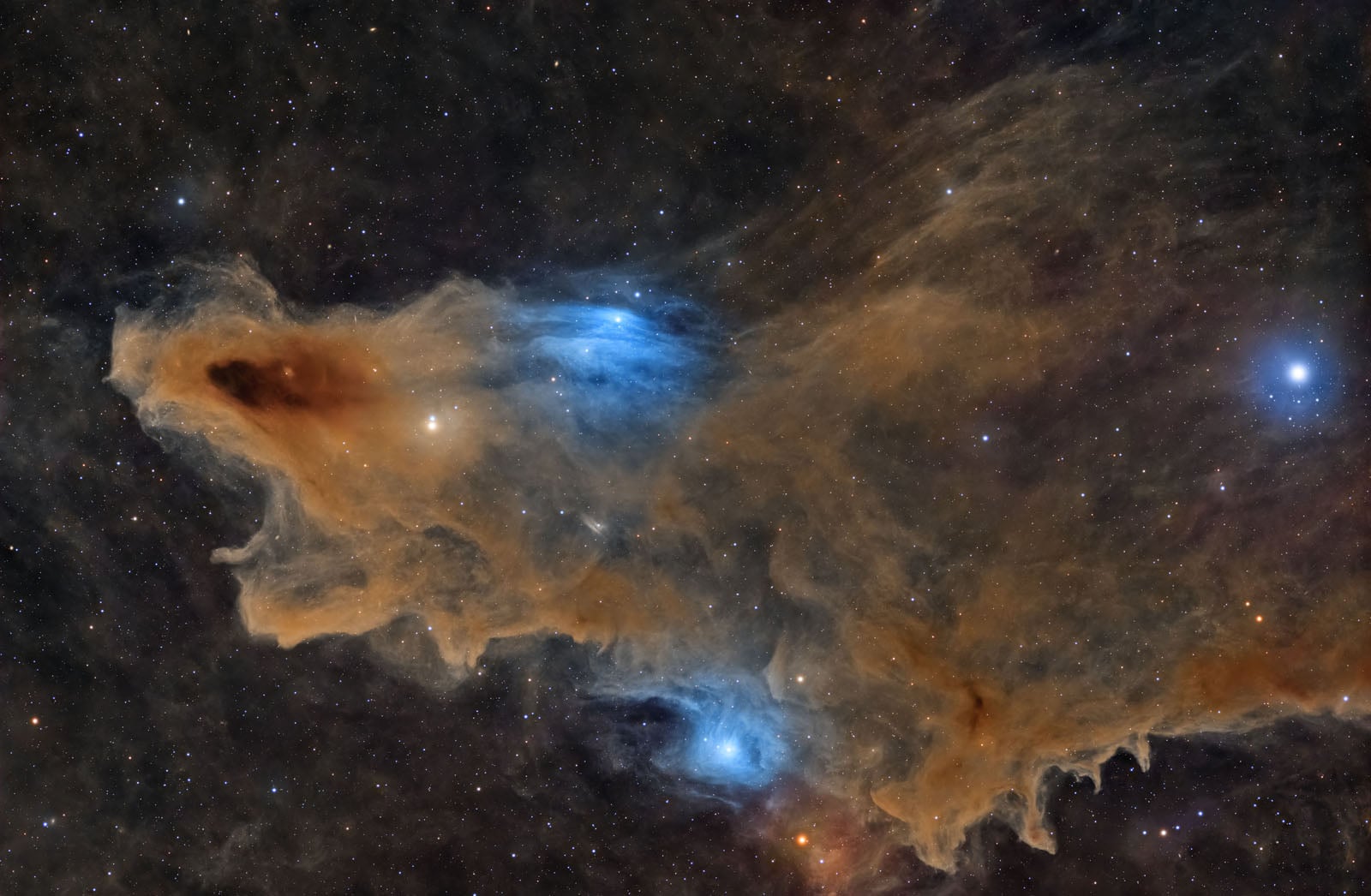
The Royal Observatory Greenwich has officially announced the results of its 18th annual Astronomy Photographer of the Year competition, naming Kuwaiti photographer Ali Alobaidly the overall winner. Alobaidly’s evocative capture of the Shark Nebula, titled The Quiet Predator, secured the prestigious title and a grand prize of £10,000. The competition, widely considered the premier global event for astrophotographers, continues to serve as a benchmark for technical precision, artistic innovation, and the evolving intersection of science and digital imaging.
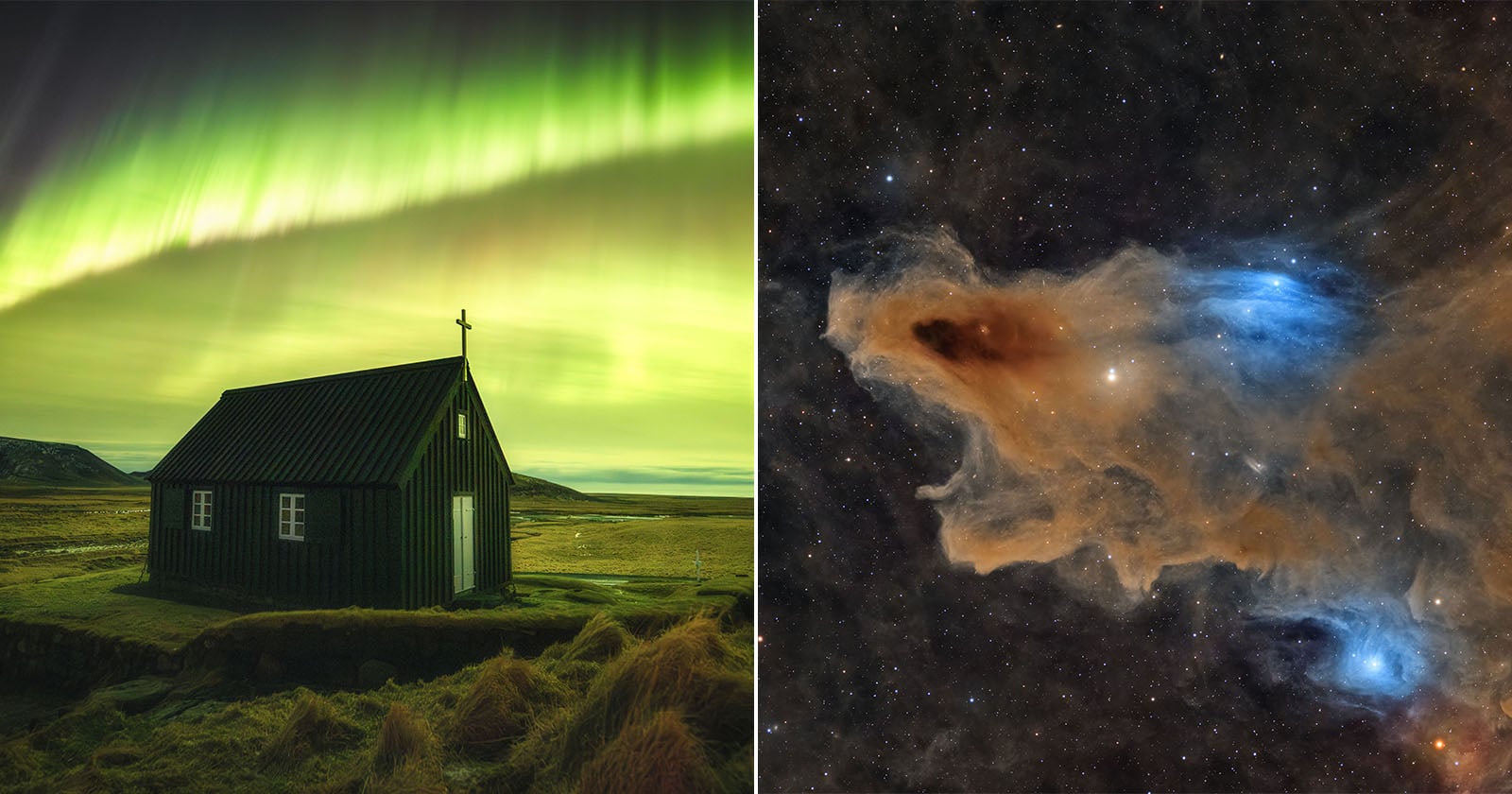
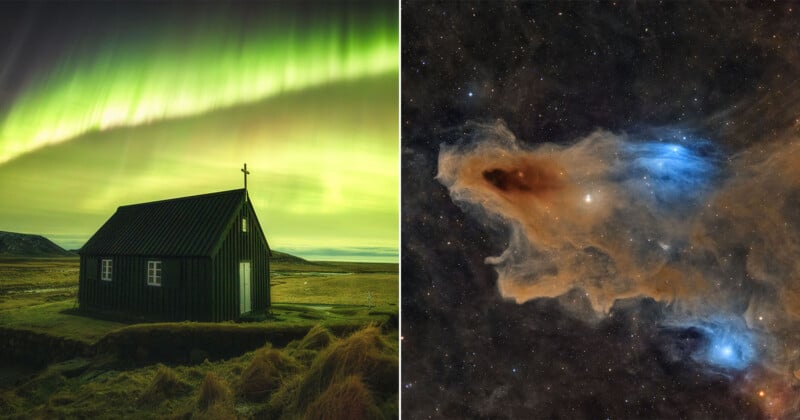
The winning entry, a deep-space photograph of the dark nebula cataloged as LDN 1235, highlights the intricate, dust-filled clouds located approximately 650 light-years away in the constellation Cepheus. The nebula’s unique morphology, which resembles the silhouette of a shark, has long fascinated astronomers, but Alobaidly’s composition distinguishes itself through its exceptional clarity, revealing distant, background galaxies that are typically obscured by the dense, starlight-blocking dust of the region.
A Historic Milestone for Global Astrophotography
Alobaidly’s victory marks a historic moment for the competition, as he becomes the first photographer from Kuwait to claim the overall top prize in the 18-year history of the event. His work was selected by a panel of expert judges from a record-breaking pool of entries submitted by thousands of photographers from around the world.
Steve Marsh, Art Editor at BBC Sky at Night Magazine and a lead judge for the competition, noted the technical rigor required to achieve such a result. "Sometimes a photograph comes alive through its flawless presentation, pin-sharp details, and dynamic contrast of light and dark," Marsh remarked. He emphasized that the ability to resolve detail-rich distant galaxies through the dense dust lanes of a dark nebula demonstrates a sophisticated level of post-processing and equipment mastery.
For Alobaidly, the win is deeply personal. "The juxtaposition of an oceanic predator prowling the skies above the Kuwaiti desert is something I find deeply poetic," he said. He described the image as a bridge between his cultural roots in the desert and his fascination with the infinite nature of the cosmos.
The Growth of the Competition: A Chronological Perspective
Launched nearly two decades ago, the Royal Observatory Greenwich competition has mirrored the rapid technological advancements in amateur astronomy equipment. In its early years, entries were dominated by film and early-generation digital sensors. Today, the competition showcases the output of high-end CMOS sensors, sophisticated equatorial mounts, and advanced stacking software that allows individuals to capture images previously accessible only to professional observatories with massive aperture telescopes.
The 2026 iteration, referred to as the 18th annual cycle, saw a distinct increase in the technical quality of entries across all eight primary categories. These include Stars and Nebulae, Aurorae, Our Moon, Our Sun, People and Space, Planets, Comets, and Asteroids, Skyscapes, and Galaxies. The consistent influx of high-quality submissions has forced the judging panel to refine their criteria, placing an even greater emphasis on the narrative and scientific value of the captured images.
Recognizing Youth Talent and Innovation
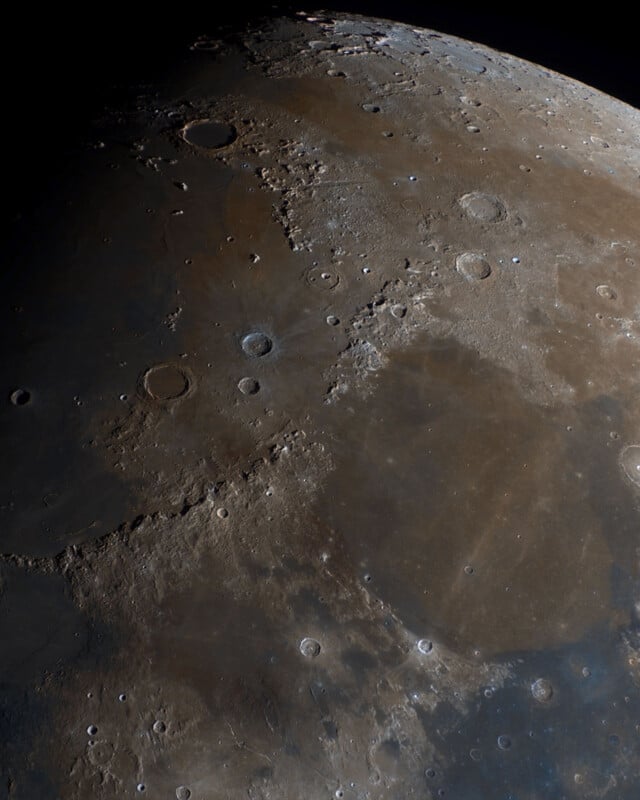
While Alobaidly claimed the top adult prize, the competition also highlighted the emergence of a new generation of talent. The ZWO Young Astronomy Photographer of the Year award was presented to 15-year-old Nikolaos Strimpoulis of Greece for his work, Mineral Moon. The photograph serves as a high-resolution, color-enhanced study of the lunar surface, revealing the subtle chemical variations—represented by distinct hues—that exist across the Moon’s rugged terrain.
The inclusion of the young photographer category is a core tenet of the Royal Observatory’s mission to foster scientific curiosity among youth. By providing a platform for teenage photographers to showcase their work alongside established veterans, the competition encourages the next generation of researchers, engineers, and artists to engage with the night sky.
Category Winners and Specialized Recognition
The competition awarded prize money across multiple tiers, with category winners receiving £1,500, runners-up £500, and highly commended photographers £250. Notable category winners included:
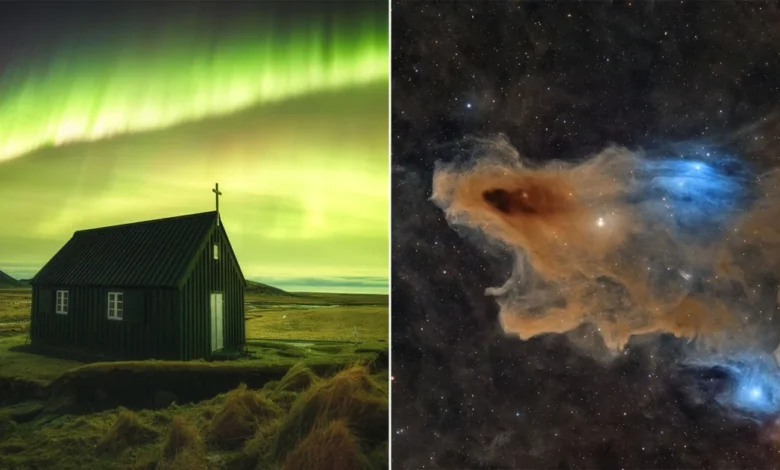
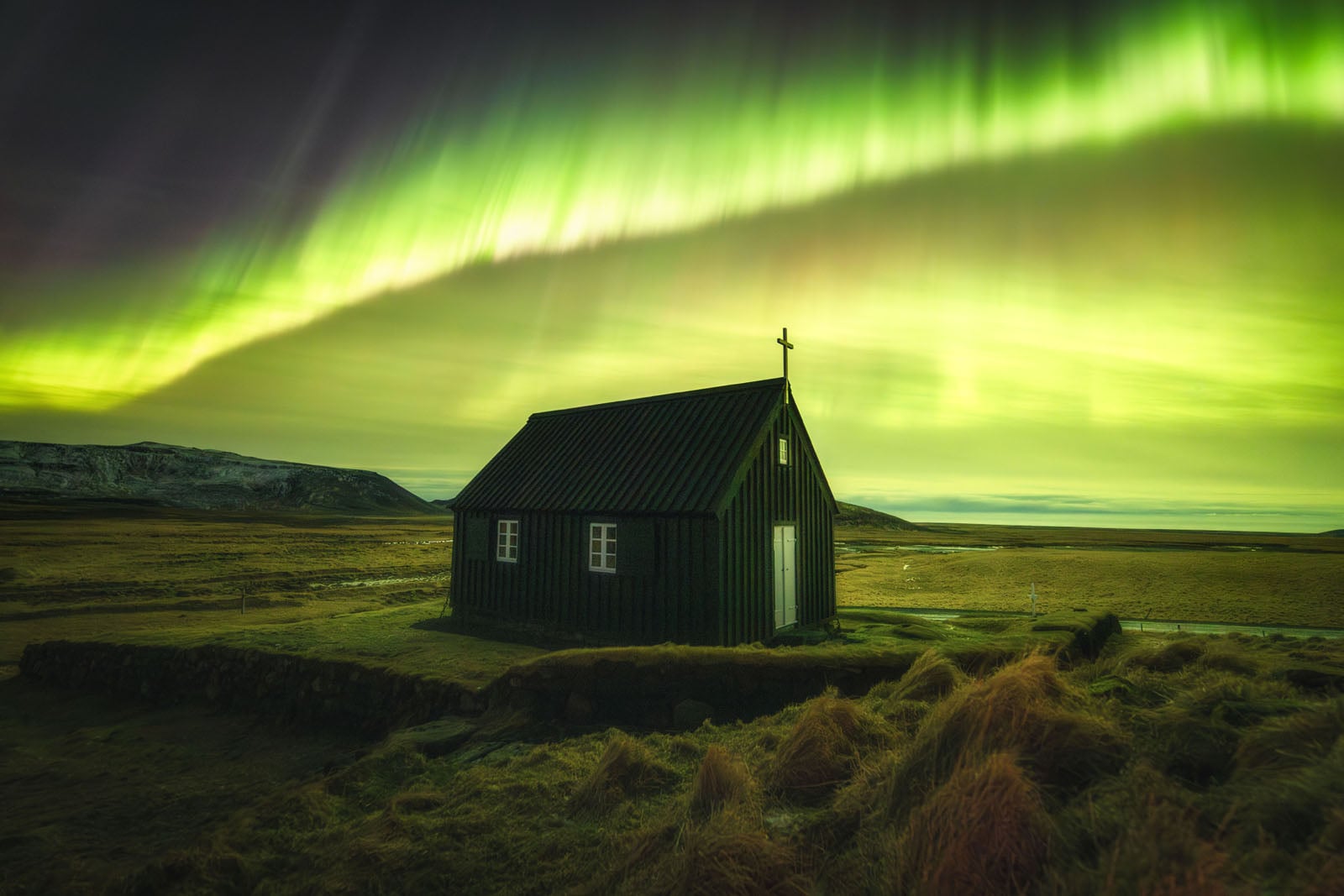
- Aurorae: Radoslav Sviretsov, for his capture of a remote church bathed in the glow of the Northern Lights.
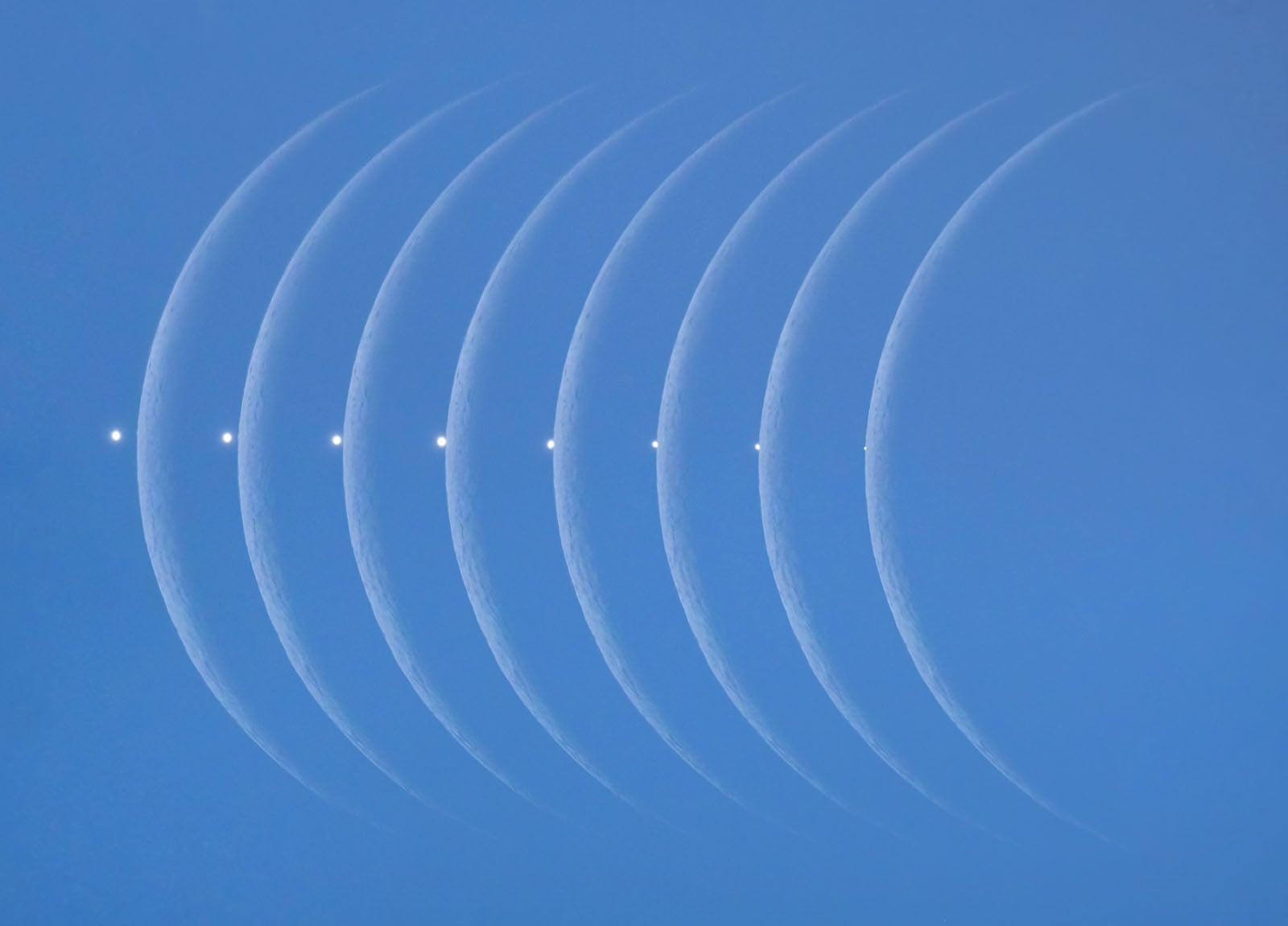
- Our Moon: Petr Horalek, for his sequential capture of planetary occultation.
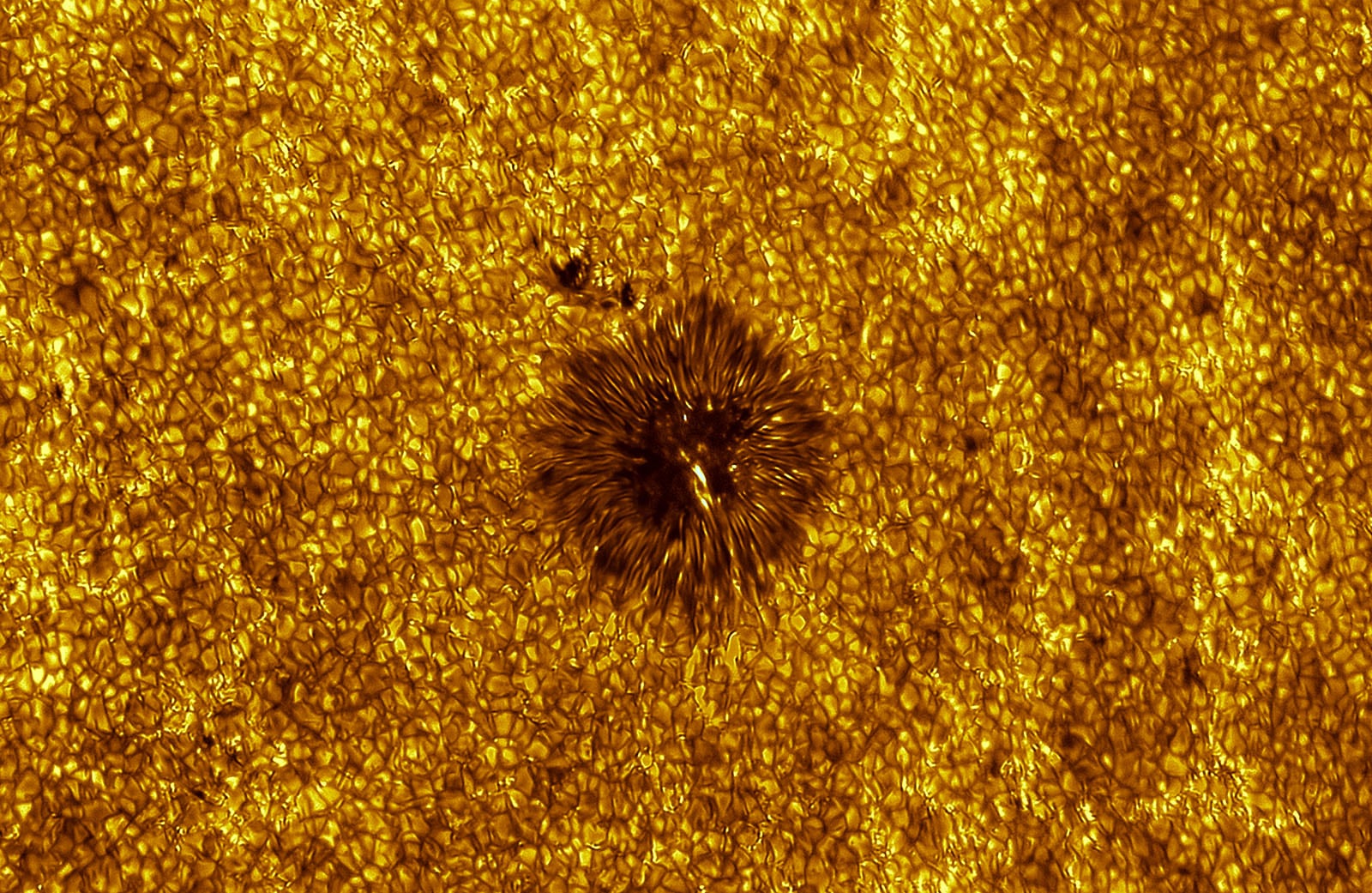
- Our Sun: Miguel Claro, for his detailed analysis of sunspot activity in Active Region 4122.
- People and Space: Max Inwood, for his composition featuring ancient petroglyphs against the backdrop of the Milky Way.
- Planets, Comets, and Asteroids: Tom Williams, for his sharp rendering of the Saturnian system.
- Skyscapes: Stefano Pellegrini, for a long-exposure star trail image featuring baobab trees in Botswana.
- Galaxies: Xinran Li and co-collaborators, for a study of the dust lanes within the elliptical galaxy NGC 4753.
In addition to these categories, the Sir Patrick Moore Prize for Best Newcomer was awarded to Haocheng Zhu for his image of the Crab Nebula, while the Annie Maunder Open Category, which focuses on artistic interpretation, was won by Paweł Paweł.
Scientific and Cultural Implications
The impact of the ZWO Astronomy Photographer of the Year competition extends beyond the prize money and accolades. By documenting celestial events and structures, these photographers often provide valuable visual data that complements formal scientific observations.
Dr. Greg Brown, an astronomer at the Royal Observatory Greenwich and a member of the judging panel, noted that the competition serves as a vital record of the changing night sky. "For a sky that is remarkably unchanging from year to year, the skill and innovation of the entrants means that there is always a wealth of new sights to be seen," Dr. Brown stated. He argued that the democratization of astrophotography has turned the global community into a decentralized network of observers who are capable of monitoring space weather, solar activity, and transient phenomena with increasing frequency and accuracy.
Furthermore, the competition has become a significant cultural event, effectively bringing the wonders of the universe into the mainstream. The decision to exhibit the winning photographs at the National Maritime Museum in London ensures that the images reach a broad audience, helping to demystify complex astronomical subjects and encourage public interest in space exploration.
Looking Forward: The 2026 Exhibition
The winning photographs are scheduled to be displayed at the National Maritime Museum starting September 18, 2026. This exhibition provides the public with a chance to view the images in high resolution, often printed at a scale that allows for the appreciation of subtle details that might be lost on digital screens.
As the competition looks toward its 19th year, the organizers expect that advancements in artificial intelligence-assisted image processing and the increasing availability of orbital imaging data will continue to push the boundaries of what is possible. However, as demonstrated by this year’s winner, the fundamental requirements remain unchanged: patience, precise technical execution, and an artistic vision that can translate the vast, often cold reality of space into something deeply human and relatable.
The success of Ali Alobaidly and his fellow winners serves as a reminder that the night sky remains a canvas for human ambition. Whether through the capture of a distant nebula or the detailed study of our nearest neighbor, these photographers are ensuring that our connection to the stars remains as vibrant and active as the cosmos itself. The 18th annual ZWO Astronomy Photographer of the Year competition stands not just as a contest, but as an enduring testament to the human desire to explore, understand, and share the mysteries of the universe.