Capital One Venture vs. Venture X: A Comprehensive Credit Card Comparison and Analysis


The modern travel rewards landscape is dominated by a few key financial heavyweights, with Capital One holding a commanding share of the everyday spending market. For both novice points collectors and seasoned frequent flyers, selecting the right credit card to optimize daily purchases and travel expenditures is a critical financial decision. Two of the most prominent contenders in this arena are the Capital One Venture Rewards Credit Card and its premium counterpart, the Capital One Venture X Rewards Credit Card. While these two flagship products share a foundational rewards structure and the Capital One miles ecosystem, they serve distinct consumer profiles through varying annual fees, travel benefits, and insurance protections. Evaluating these cards requires a detailed examination of their respective earning structures, annual costs, redemption flexibility, and associated perks to determine which financial instrument offers optimal long-term value.
Understanding the Foundations: Shared Ecosystem and Earning Mechanics
At their core, both the Capital One Venture Rewards Credit Card and the Capital One Venture X Rewards Credit Card operate on a simplified earning principle designed to eliminate the complexity of rotating bonus categories. Both cards feature an unlimited baseline earning rate of 2x Capital One Miles per dollar spent on every purchase, everywhere, without exception. This universal flat-rate structure appeals to consumers who prefer a single-card strategy or wish to avoid calculating which product to use at specific merchant locations.
Furthermore, cardholders of both products gain access to the complete portfolio of more than 15 Capital One airline and hotel transfer partners. This includes major global alliances and loyalty programs such as Air Canada Aeroplan, Air France/KLM Flying Blue, Avianca LifeMiles, British Airways, and Turkish Airlines Miles & Smiles. Transferring miles to these partner programs frequently yields outsized value, allowing travelers to book high-value premium cabin flights or luxury hotel stays that far exceed the nominal cash value of the rewards.

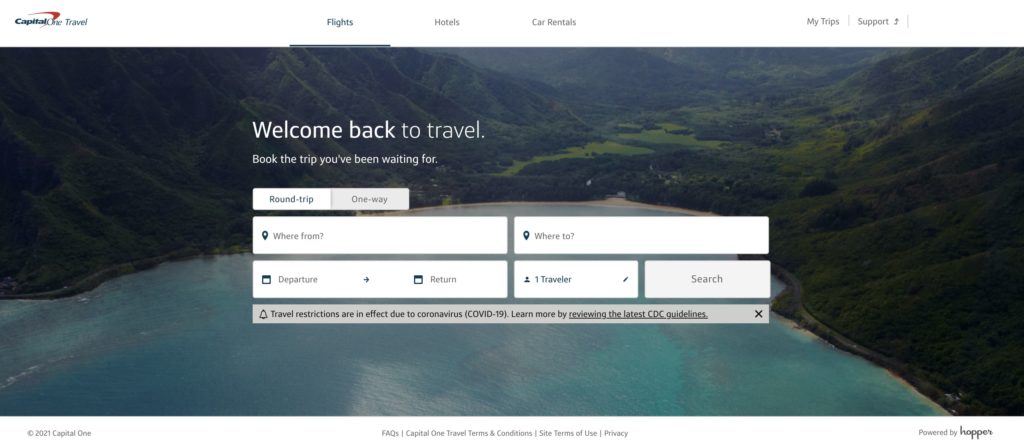
Despite these structural similarities, divergences emerge when examining travel bookings made through the Capital One Travel portal. The standard Venture card offers an elevated 5x miles per dollar on hotels, vacation rentals, and rental cars booked through the portal, but does not provide boosted earnings on flights. Conversely, the premium Venture X rewards portal bookings more aggressively, granting 10x miles per dollar on hotels and rental cars, and 5x miles per dollar on flights and vacation rentals.
Annual Fees and Financial Value Proposition
The most immediate distinction between the two credit cards lies in their annual fee structures, which directly influence the net value a cardholder can expect to realize year over year.
The Capital One Venture Card maintains a modest annual fee of $95, positioning it as an accessible option for cost-conscious consumers who prefer to minimize annual overhead expenses while still accumulating transferable travel rewards.
In contrast, the Capital One Venture X carries a higher annual fee of $395. While this upfront cost places it in the premium credit card category—competing against established products like the Chase Sapphire Reserve and the American Express Platinum Card—the fee is heavily offset by built-in structural credits. Venture X cardholders receive an automatic $300 annual credit for bookings made through the Capital One Travel portal. Additionally, beginning in their second year of card membership, cardholders are awarded a 10,000-mile anniversary bonus, which holds a baseline value of $100 toward travel. When fully utilized, these two recurring benefits reduce the net effective cost of holding the Venture X card below the price point of its lower-tier sibling, effectively neutralizing the higher headline annual fee for active travelers.

Statement Credits and Trusted Traveler Programs
Both credit cards incorporate provisions to offset the cost of expedited security screening programs, offering up to a $120 statement credit every four years to cover the application fee for either Global Entry or TSA PreCheck. This benefit ensures that cardholders can bypass standard security and customs queues when traveling domestically and internationally.
However, the Venture X distinguishes itself significantly through its broader suite of travel and lifestyle credits. Beyond the $300 annual travel portal credit and the 10,000-mile anniversary bonus, the Venture X integrates seamlessly with elite travel programs. Most notably, cardholders receive complimentary Hertz President’s Circle status, the highest tier in the Hertz Gold Plus Rewards program. This elite status grants guaranteed vehicle upgrades, access to exclusive rental selection aisles, counter-skip privileges, and the ability to add an additional driver at no extra charge.
Airport Lounge Access and Evolving Guest Policies
Airport lounge access represents one of the most heavily scrutinized benefits in the premium credit card market, and the distinction between the Venture and Venture X in this category is substantial.
The standard Capital One Venture card does not include complimentary lounge access. Cardholders wishing to enter proprietary Capital One Lounges or Capital One Landings must pay a per-visit fee of $45.
The Capital One Venture X, however, offers robust lounge privileges designed to enhance the pre-flight airport experience. Venture X cardholders receive unlimited, complimentary access to Capital One Lounges—located in major aviation hubs such as Dallas-Fort Worth (DFW), Denver (DEN), Las Vegas (LAS), New York (JFK), and Washington-Dulles (IAD)—as well as the newer hybrid lounge-restaurant concepts known as Capital One Landings, which feature chef-driven dining programs developed in partnership with renowned culinary figures like José Andrés. Additionally, the card includes a standard Priority Pass Select membership, expanding global lounge access to hundreds of participating lounges worldwide.
In response to industry-wide overcrowding and shifting operational costs, Capital One adjusted its guest access policies. Primary Venture X cardholders retain complimentary solo access, but guest entries to Capital One Lounges, Landings, and Priority Pass locations now incur a fee of $45 per adult guest (and $25 for children aged 2 to 17), unless the cardholder achieves a significant spending milestone of $75,000 in a calendar year. Cardholders also have the option to purchase authorized user access for $125 annually, extending lounge privileges to additional cardholders.
Comprehensive Travel Insurance and Protections
When unforeseen disruptions occur during travel, the tier of the credit card used to book the journey dictates the level of financial protection afforded to the consumer. The Venture X operates as a Visa Infinite product, embedding comprehensive insurance coverage that far surpasses the protections offered by the standard Venture card.

The standard Capital One Venture card provides secondary rental car collision damage waiver (CDW) coverage for domestic rentals—meaning claimants must first exhaust their personal auto insurance policies before utilizing the credit card coverage—along with basic lost luggage protection and accidental death coverage. It does not include trip interruption, trip cancellation, or trip delay insurance.
Conversely, the Venture X delivers robust, primary travel insurance protections. When travel is charged to the card, cardholders are covered by primary rental car insurance that protects against theft and collision damage for domestic rentals up to 15 days and international rentals up to 31 days, eliminating the need to file claims through personal auto insurance. Furthermore, the Venture X incorporates trip delay reimbursement, trip cancellation and interruption coverage of up to $2,000 per person for covered events such as illness or severe weather, and comprehensive lost luggage reimbursement. These built-in safety nets provide substantial financial security, reducing the necessity of purchasing separate third-party travel insurance policies.
Strategic Implications and Consumer Decision-Making
Analyzing the structural differences between the Capital One Venture and Venture X reveals two distinct financial products tailored to different consumer habits.
The Capital One Venture Rewards Credit Card is ideally suited for consumers who prioritize low out-of-pocket costs, desire a simple flat-rate rewards structure, and travel infrequently enough that premium perks like airport lounge access and comprehensive insurance policies would go underutilized. Its $95 annual fee is easily managed, and the current welcome offers provide an efficient entry point into the Capital One miles ecosystem.

On the other hand, the Capital One Venture X Rewards Credit Card serves frequent travelers, digital nomads, and consumers who can naturally incorporate the $300 annual travel portal credit and anniversary miles into their yearly routines. For those who utilize airport lounges, rent vehicles regularly, and value the peace of mind provided by primary rental car coverage and trip interruption insurance, the $395 annual fee yields exceptional value.
Ultimately, prospective cardholders must weigh their annual travel frequency, spending habits, and preference for luxury airport amenities against the respective annual fees to determine which Capital One travel card aligns best with their financial and lifestyle goals.