The experience of navigating the winding coastal roads between Paphos and the Akamas Peninsula offers a unique perspective on the Mediterranean’s third-largest island, defined by the scent of pine resin and the freedom of an unscheduled itinerary. Cyprus, an island measuring approximately 240 kilometers from east to west, presents a compact but diverse geography where travelers can transition from UNESCO-listed Roman mosaics to high-altitude mountain forests and secluded beach coves in under an hour. However, the appeal of campervan travel in Cyprus is governed by a strict regulatory framework that distinguishes it from other European destinations. This guide examines the legal requirements, the infrastructure of official campsites, and the practicalities of navigating the island’s road network.
The Regulatory Landscape: Navigating Forestry Laws and Fines
While the prospect of "wild camping" remains a popular concept among van-life enthusiasts, the Republic of Cyprus maintains a firm prohibition against the practice, particularly within its sensitive ecological zones. The Forestry Department of Cyprus issued a critical clarification in August 2025, reiterating that camping in state forests outside of designated, permit-authorized sites is strictly illegal.

The penalties for non-compliance are among the most stringent in the region. Individuals found camping illegally in protected areas, such as the Akamas forest or the Troodos range, face potential imprisonment for up to one year, a fine of up to €5,000, or a combination of both. These measures were reinforced following a recorded spike in unauthorized camping activities during the summer of 2025, which authorities linked to increased environmental degradation and heightened wildfire risks.
The legal stance on fire is even more severe. Lighting a fire within a state forest or within a two-kilometer radius of its boundary—except in designated permanent barbecue pits—carries a maximum sentence of 12 years in prison and fines reaching €100,000. Given that Cyprus experiences prolonged periods of drought and high temperatures, fire enforcement is a matter of national security. The Forestry Department operates a dedicated emergency line (1407) alongside the standard 112 emergency number to report smoke or unauthorized fires.
Comparative Jurisdictions: Distinguishing Cyprus from the Greek Motorhome Ban
A common point of confusion for international travelers involves the "Law 5170/2025" recently enacted in Greece. This legislation introduced a sweeping ban on motorhome camping across the Greek mainland and islands, imposing €300 on-the-spot fines for anyone found sleeping in a parked campervan outside of official sites.
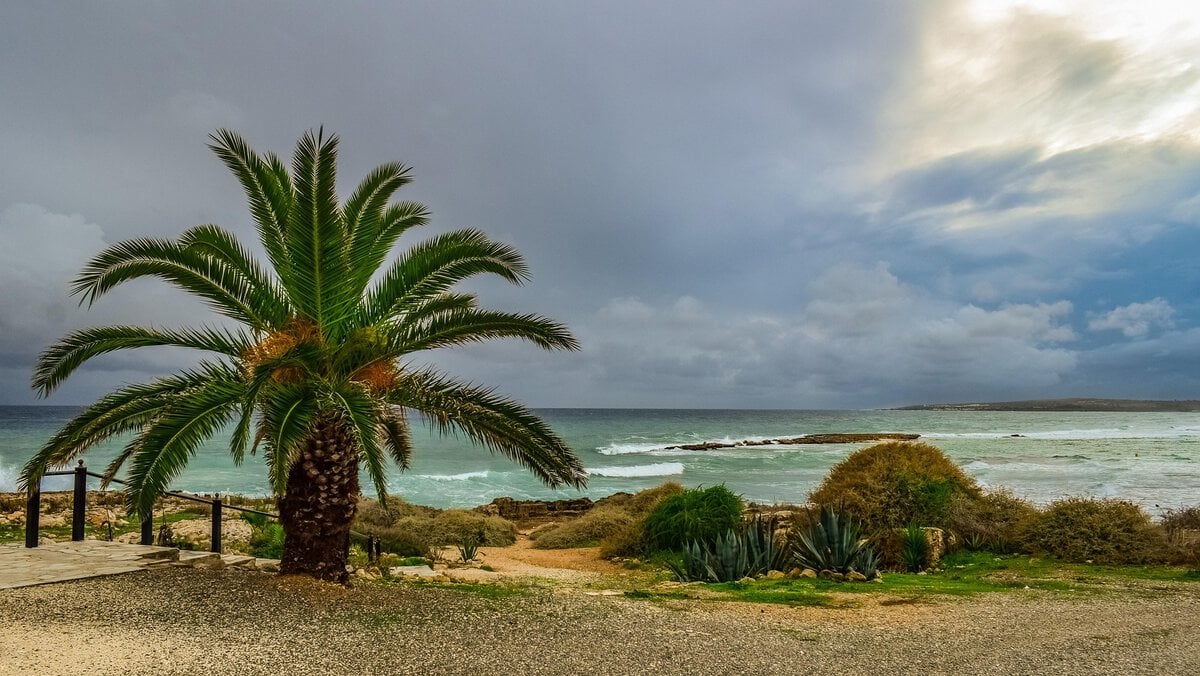
It is a vital distinction for tourists to recognize that this Greek law does not apply to Cyprus. Despite cultural and linguistic ties, Cyprus is a separate sovereign jurisdiction with its own legislative framework. Currently, Cyprus does not have an equivalent blanket ban on overnight parking for motorhomes in non-forest areas. However, this does not grant total freedom; local municipalities often prohibit overnight stays on public beaches or in national parks. While enforcement is generally more relaxed during the "shoulder" season (October to April), July and August see a significant increase in patrols, particularly near popular tourist hubs like Ayia Napa and Protaras.
The Official Campsite Network: Coastal and Mountain Infrastructure
Cyprus operates a modest but strategically placed network of six primary campsites capable of accommodating campervans and caravans. These sites are divided between coastal locations and high-altitude forest retreats, offering distinct seasonal advantages.
Coastal Destinations
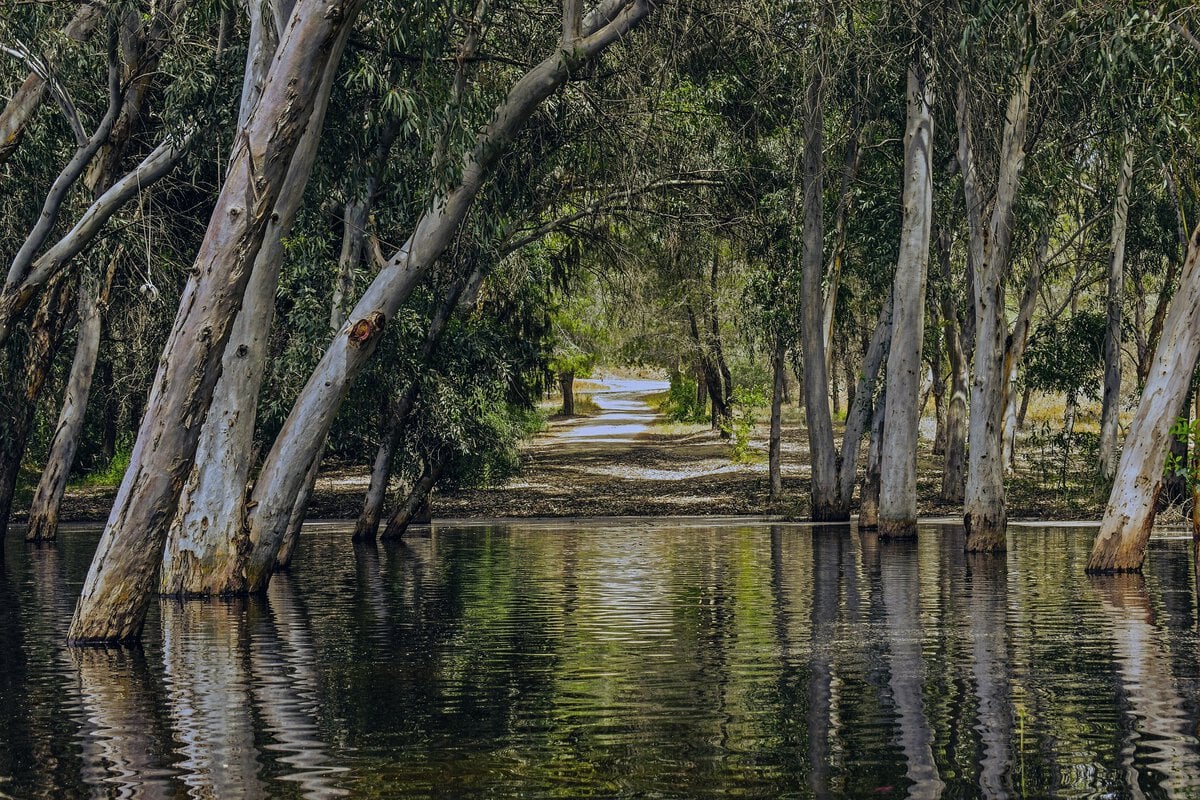
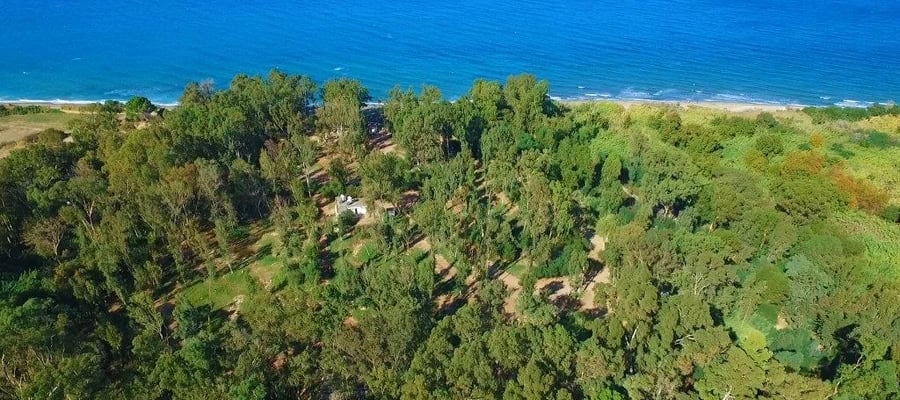
- Polis Chrysochous (Paphos District): Located on the northwest coast within a eucalyptus grove, this site serves as the primary base for exploring the Akamas Peninsula. It accommodates up to 200 units and features proximity to the town center and a lifeguard-patrolled beach. It typically operates from March through October.
- Feggari Camping (Coral Bay): Situated 11 km north of Paphos, this is one of the few privately-run sites that remains open year-round. With a capacity for 47 units, it provides comprehensive amenities including electricity hook-ups and Wi-Fi, making it a preferred choice for winter travelers.
- Governor’s Beach Kalymnos (Limassol District): This is the island’s largest facility, offering 360 pitches. Open year-round, it is characterized by its unique dark volcanic sand and white limestone cliffs. Its location near the A1 motorway makes it a convenient stop for those transiting between Limassol and Nicosia.
Mountain Retreats (Troodos Region)
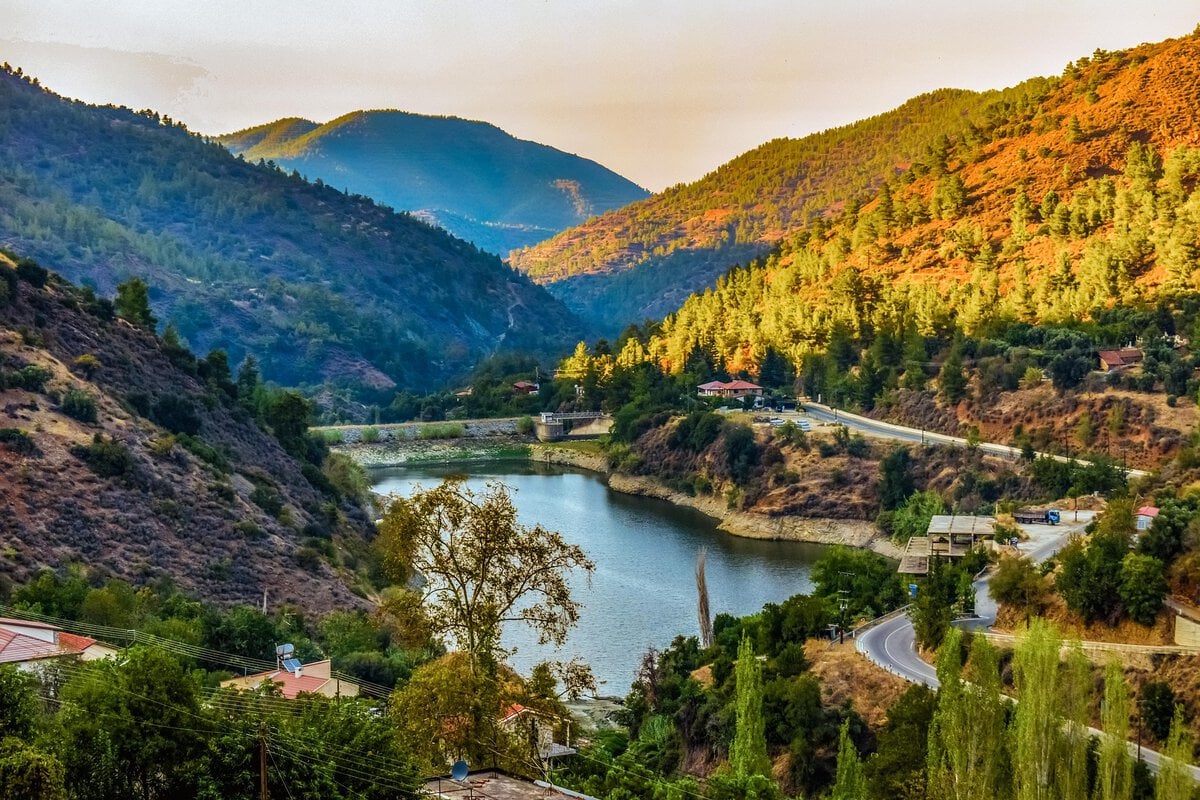
- Platania: Situated at an altitude of 1,100 meters on the Kakopetria–Troodos road, Platania is the most developed forest campsite. It offers extensive facilities including 18 toilet blocks and disabled access. It is a seasonal site, open from May to September, providing a refuge from the coastal heat.
- Kampi tou Kalogyrou: At 1,540 meters, this is the highest campsite in Cyprus. It offers a primitive camping experience with basic toilets and drinking water but no showers. It is favored by those seeking seclusion within the dense pine forests near Prodromos.
- Stavros tis Psokas: Deep within the Paphos forest at 900 meters, this site is accessible primarily via earthen tracks, making it unsuitable for large, heavy motorhomes. It is renowned for its proximity to the enclosure of the Cypriot mouflon (a rare wild sheep) and the majestic Cedar Valley. Uniquely for a mountain site, it remains open year-round.
Operational Logistics: Driving Standards and Infrastructure
Navigating Cyprus by campervan requires an adjustment to local driving customs and infrastructure. As a legacy of British administration, Cyprus is one of the few Mediterranean nations where traffic moves on the left.
Road Conditions and Safety
The island’s motorway network (A-roads) is modern and connects the major cities of Nicosia, Limassol, Larnaca, and Paphos without tolls. However, secondary B-roads and mountain routes can be challenging for larger vehicles. Troodos mountain roads are frequently narrow with sharp, blind bends; standard protocol involves sounding the horn on approach and yielding to uphill traffic.
Speed limits are strictly enforced via a network of fixed and mobile cameras:
- Motorways: 100 km/h (minimum 65 km/h)
- Rural Roads: 80 km/h
- Urban Areas: 50 km/h
Travelers should also be aware of the "Saharan Dust" phenomenon. Several times a year, wind patterns carry dust from the Sahara Desert across the Mediterranean, severely reducing visibility to as little as 50 meters. In such events, drivers are advised to use hazard lights and reduce speed significantly.
Technical Requirements: LPG and Electricity
For campervans requiring Autogas (LPG) for cooking or heating, coverage has improved since its legalization in 2016, though it remains sparse. Major providers like EKO and Petrolina operate autogas pumps in Nicosia, Limassol, and Paphos. Travelers must ensure their vehicles are equipped with direct-fill cylinders (such as Gaslow) featuring an 80% shut-off valve, as manual filling of standard cylinders is prohibited.
Electrical systems in Cyprus utilize the British-style Type G three-pin plug. European travelers with Schuko-wired vans will require industrial-grade adapters to connect to campsite mains.
Environmental and Geopolitical Considerations
The environmental impact of tourism is a growing concern for the Cypriot government. Water scarcity is a persistent issue; while tap water is safe for consumption, its high mineral content leads many to rely on bottled water. Campervan users are urged to use water sparingly and are strictly forbidden from dumping grey water in non-designated areas.
Furthermore, the island remains divided by the United Nations-buffered Green Line. Most campervan rental agreements specifically prohibit crossing into the northern part of the island (the self-declared Turkish Republic of Northern Cyprus). This is primarily due to insurance limitations; southern-registered insurance policies are generally voided once the vehicle crosses a checkpoint. Travelers wishing to visit the north are advised to park their vehicles in Nicosia and cross the Ledra Street pedestrian checkpoint on foot.
Economic Impact and Market Trends
The campervan rental market in Cyprus has seen a steady diversification. Standard 2-berth vans typically start at €79 per day, while fully-equipped family motorhomes can exceed €179 during the peak season. Data suggests that the "shoulder" seasons of April–June and September–October offer the best value, combining lower rental rates with manageable temperatures and higher campsite availability.
The rise in mobile tourism is seen by local economists as a double-edged sword. While it promotes "slow tourism" and directs revenue toward rural mountain villages that often miss out on the "sun and sea" crowd, it puts additional pressure on the island’s limited campsite infrastructure. There are ongoing discussions within the Deputy Ministry of Tourism regarding the expansion of official motorhome service points (similar to the European "Aire" system) to better accommodate the growing number of independent travelers.
Conclusion and Final Recommendations
Traveling Cyprus by campervan offers an unparalleled level of intimacy with the island’s landscape, provided the traveler adheres to the local legal framework. The transition from the heat of the Limassol coast to the cool, thin air of the Troodos mountains represents one of the most dramatic environmental shifts available in such a small geographic area.
To ensure a successful journey, travelers should prioritize booking coastal sites in advance during the summer, maintaining a full fuel tank when entering the Paphos forest, and respecting the strict fire and camping prohibitions that protect the island’s unique biodiversity. By operating within these boundaries, the campervan remains the most versatile tool for discovering the hidden facets of Cyprus beyond its traditional resort boundaries.