Delta Air Lines Expands Premium Footprint with Opening of Second Delta One Lounge at Los Angeles International Airport

Delta Air Lines has officially inaugurated its second Delta One Lounge at Los Angeles International Airport (LAX), marking a significant milestone in the carrier’s multi-billion-dollar investment in the Southern California gateway. The opening of the new facility in Terminal 2 makes Los Angeles the first hub in Delta’s global network to host two of these exclusive, high-tier lounges, surpassing other major hubs such as Atlanta (ATL), Detroit (DTW), Minneapolis-St. Paul (MSP), and Salt Lake City (SLC), which are still awaiting their first Delta One installations. This strategic move underscores the airline’s commitment to capturing the high-yield premium travel market in one of the world’s most competitive aviation landscapes.
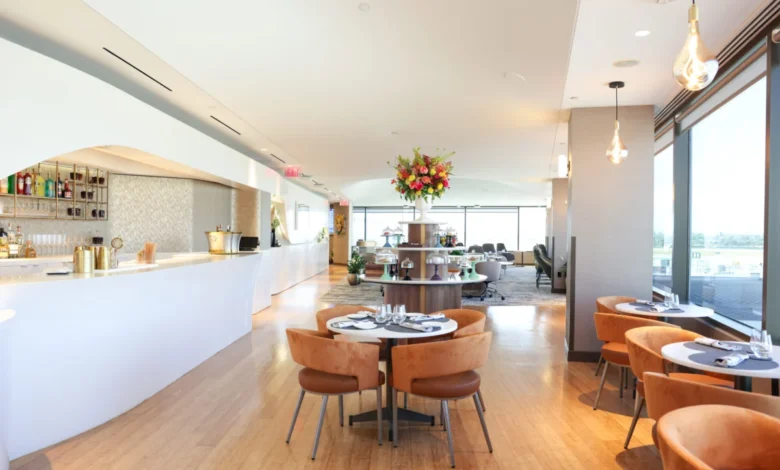
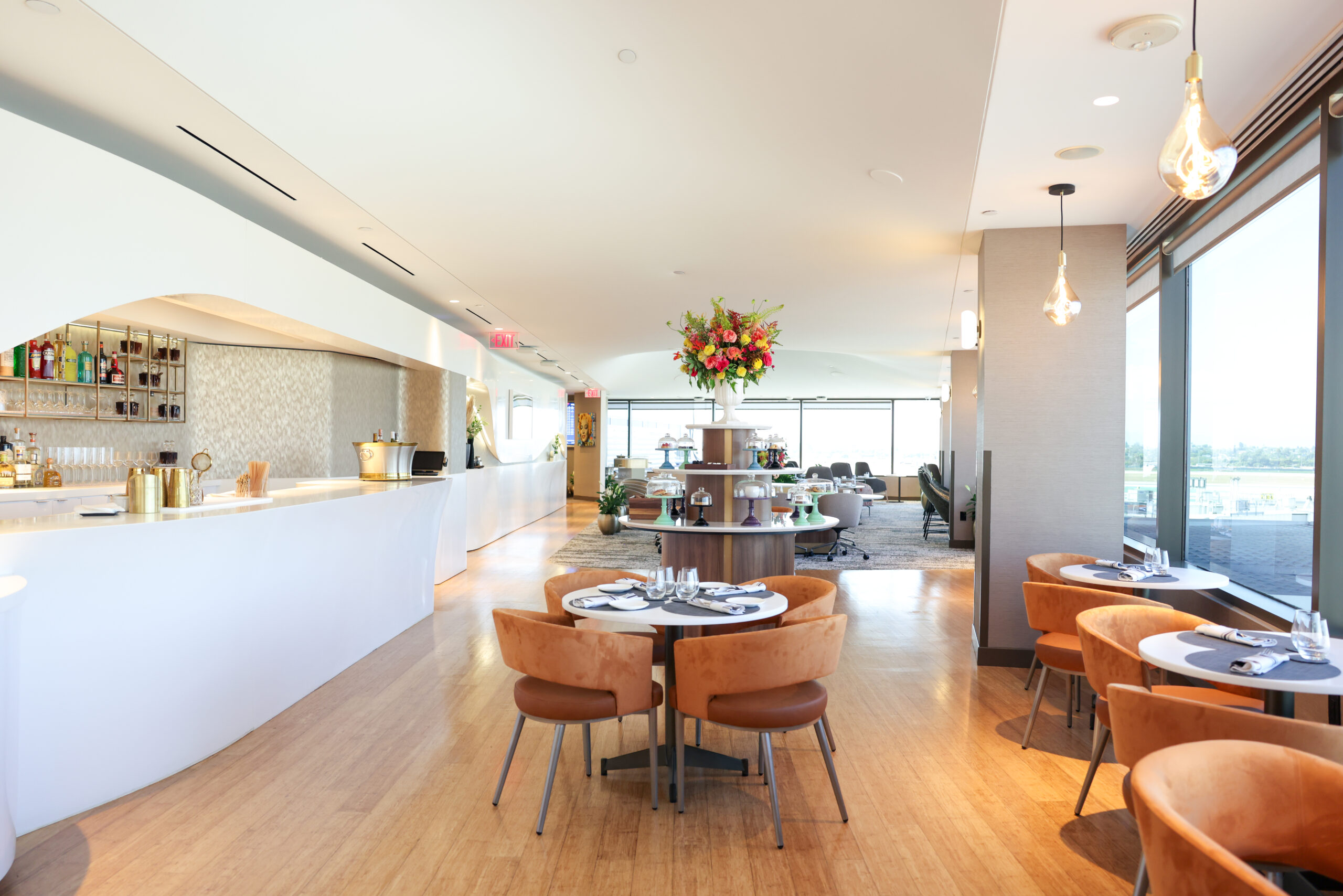
The newly opened Terminal 2 lounge serves as a specialized complement to the existing 10,000-square-foot Delta One Lounge located in Terminal 3. However, the new space is notably more exclusive in scale. Measuring approximately 4,000 square feet, the Terminal 2 location offers a boutique environment with a maximum seating capacity for just 75 guests. Delta’s leadership has characterized the space as an "intimate" and "quiet" retreat, designed specifically to provide a serene atmosphere for travelers seeking a reprieve from the bustling airport environment.
A Focus on High-End Culinary Experiences
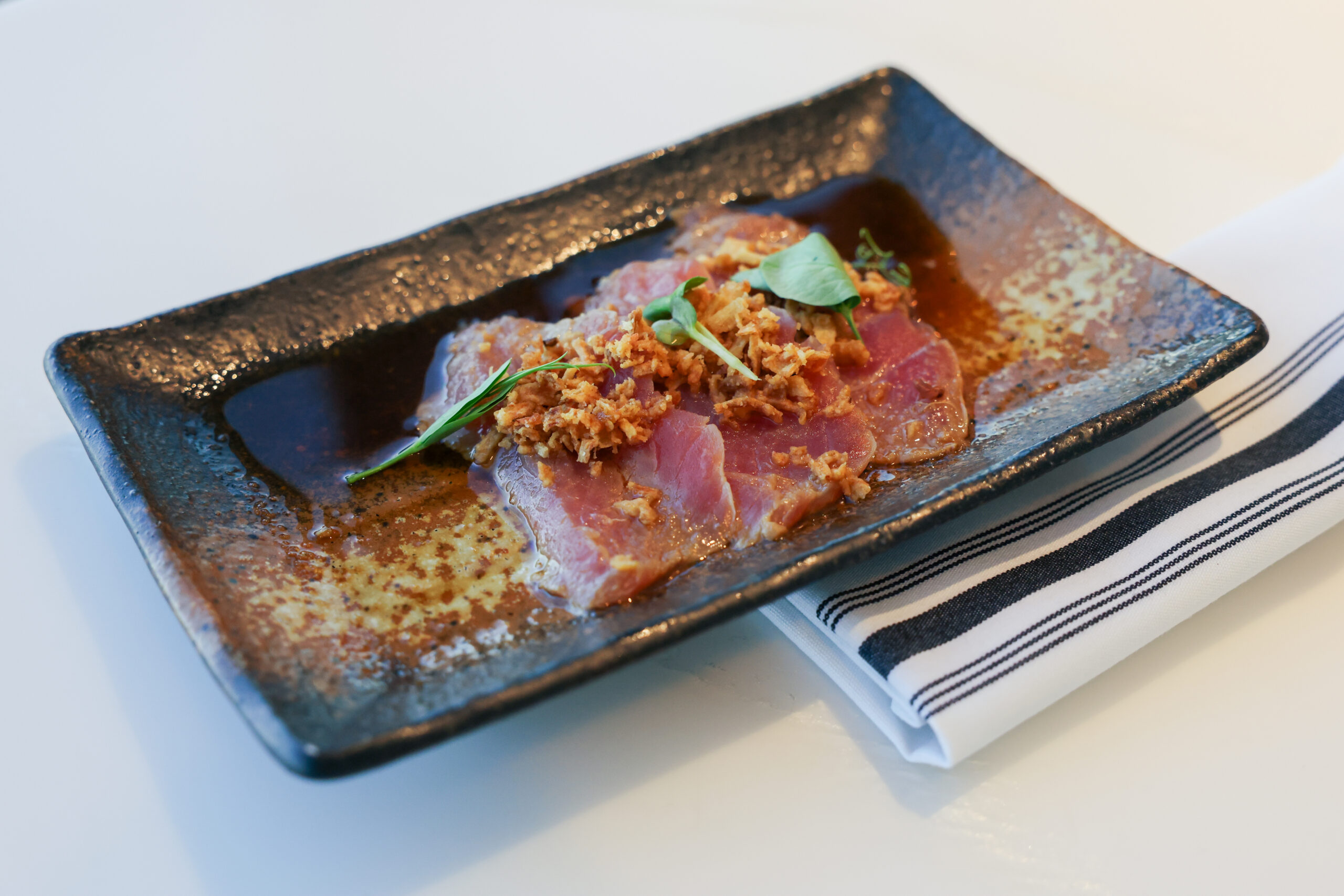
In its official announcement, Delta emphasized that the Terminal 2 lounge prioritizes "all things culinary" over the sprawling amenities found in larger international lounges. The facility features a full-service dining experience that mirrors high-end restaurant standards rather than traditional airport buffet offerings. The menu includes sophisticated options such as fresh sushi, hamachi crudo, and house-made pasta, reflecting a shift toward personalized, made-to-order service.
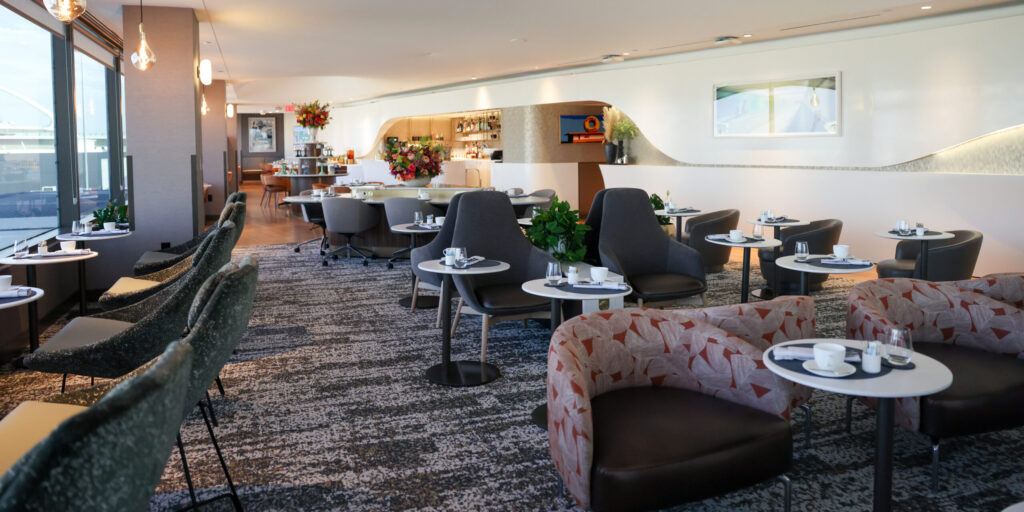
To further ground the experience in the local culture of Los Angeles, Delta has partnered with Sqirl, a renowned local culinary institution, to provide artisanal pastries. The beverage program is equally elevated, featuring handcrafted chocolates and a premium bar staffed by professional mixologists serving signature cocktails. By focusing on high-quality gastronomy, Delta aims to differentiate the Delta One brand from its standard Sky Club offerings, positioning it as a direct competitor to other ultra-premium ground products like United Airlines’ Polaris Lounges and American Airlines’ Flagship First Dining.
Despite its compact footprint, the lounge does not compromise on essential premium utilities. It includes private shower suites, well-appointed restrooms, and an abundance of power outlets and USB ports integrated into the seating areas to accommodate the needs of business travelers.
Logistical Integration and the "Golf Cart" Service
One of the more unique aspects of the Delta One experience at LAX is the seamless transit between terminals. Passengers can utilize the dedicated Delta One check-in facility in Terminal 3, which offers a private entrance and expedited security clearance. Following check-in, the airline provides a dedicated golf cart shuttle service to transport passengers directly to the new Terminal 2 lounge. This white-glove service ensures that the split-terminal operations do not result in an inconvenient experience for the airline’s most valuable customers.
Chronology of the Terminal 2 Overhaul
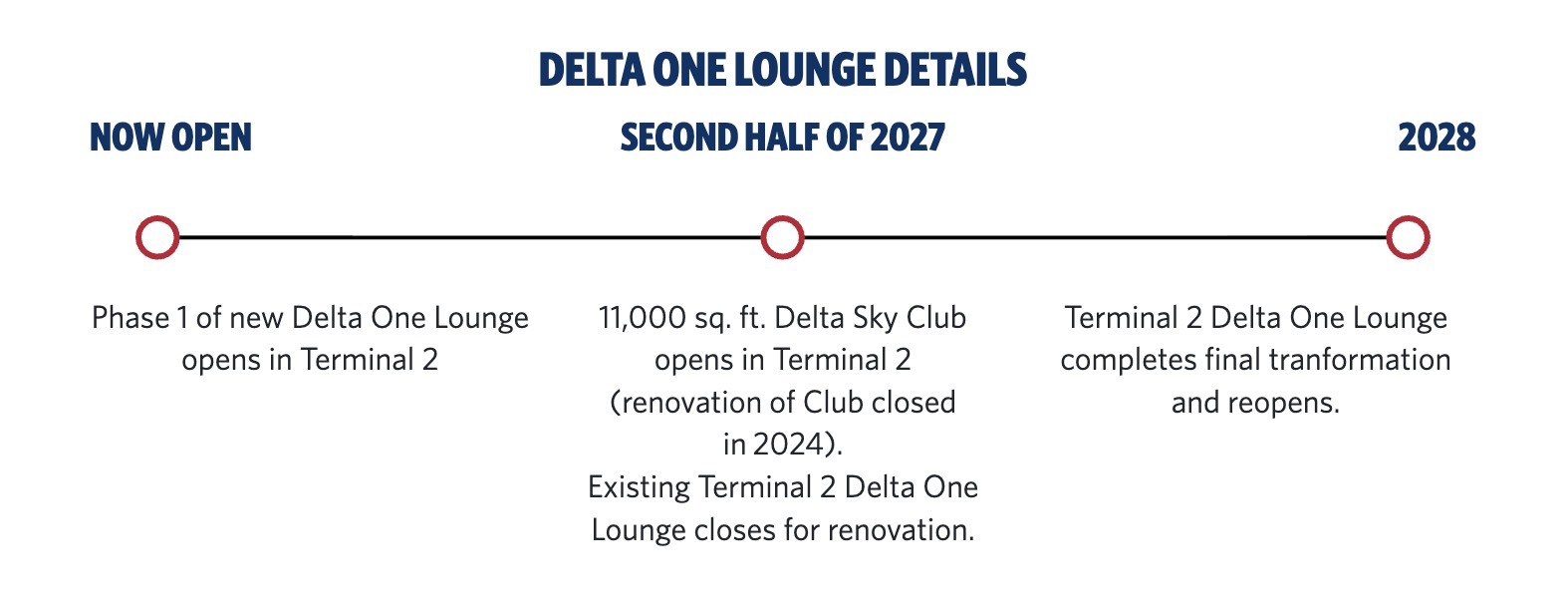
The opening of this 4,000-square-foot space is not the final iteration of Delta’s plans for Terminal 2. Instead, it represents the first phase of a broader, multi-year infrastructure project aimed at modernizing the airline’s footprint at LAX. The timeline for the Terminal 2 lounge evolution is structured as follows:
- Late 2024: Opening of the "intimate" temporary Delta One Lounge in Terminal 2 to provide immediate relief and premium options during construction.
- Late 2025: Reopening of the Terminal 2 Delta Sky Club. This facility was closed in early 2024 for extensive renovations. Once the Sky Club returns to service, the temporary Delta One Lounge opened this week will be decommissioned to make way for further construction.
- 2028: Unveiling of the permanent, full-sized Delta One Lounge in Terminal 2. This flagship facility will offer significantly more space and a wider array of amenities, serving as a cornerstone of Delta’s premium strategy for the next decade.
The 2028 completion date is strategically timed to coincide with the Summer Olympic Games in Los Angeles. Delta, as the official airline of Team USA, expects a massive influx of international premium travelers during the games and is racing to ensure its infrastructure can handle the surge in demand with world-class facilities.
Stringent Access Policies and Market Segmentation
The Delta One Lounge network represents a significant shift in how Delta manages its lounge inventory. Unlike the standard Sky Clubs, which have faced issues with overcrowding in recent years, the Delta One Lounges maintain highly restrictive access policies. The airline has made it clear that these spaces are reserved exclusively for those flying in the highest cabins or those with the highest elite status.
Access is currently limited to the following groups:
- Delta One Passengers: Travelers holding a confirmed Delta One ticket for a same-day international flight or select long-haul domestic routes (such as LAX to JFK).
- Partner Business Class Passengers: Travelers flying in the top business class cabins on departing flights operated by Air France, KLM, Virgin Atlantic, and LATAM.
- Delta 360 Members: The airline’s most exclusive, invitation-only elite tier. These members are granted access when flying in Delta One or when traveling in First Class.
Notably, traditional methods of lounge entry are invalid here. Holders of the American Express Platinum Card or the Delta SkyMiles Reserve American Express Card—who typically enjoy Sky Club access—cannot enter Delta One Lounges unless they meet the ticket class requirements. Furthermore, Delta has stated it will not sell day passes or annual memberships for these lounges. Guest policies are equally strict: only Delta 360 members are permitted to bring guests, and even then, they are limited to two guests at a cost of $100 per person.
One significant benefit for eligible travelers is the removal of the "three-hour rule." While Sky Club guests are generally restricted to entering the lounge within three hours of their flight, Delta One passengers can enjoy the facilities for the duration of their layover or arrive as early as they wish on the day of departure.
Strategic Implications for Delta Air Lines
The expansion at LAX is a centerpiece of Delta’s "premiumization" strategy. In recent financial earnings reports, Delta has highlighted that premium cabin revenue is growing at a faster rate than main cabin revenue. By investing in physical infrastructure that justifies the high price point of Delta One tickets, the airline is attempting to insulate itself from the commoditization of the airline industry.
Los Angeles is a critical theater for this strategy. As a "dual-hub" city where multiple airlines compete for dominance, the ground experience is often the deciding factor for corporate travelers and high-net-worth individuals. By offering two Delta One Lounges, Delta is providing a level of redundancy and convenience that its competitors currently lack at LAX.
Industry analysts suggest that this phased rollout also serves as a "test bed" for Delta’s future lounge concepts. The focus on high-end dining and intimate spaces in the temporary Terminal 2 lounge allows the airline to gather data on passenger preferences before finalizing the designs for the larger permanent lounges in 2028.
Broader Impact on the Aviation Industry
Delta’s move at LAX reflects a broader trend among major U.S. carriers to segment their lounge products. For decades, a single "Admirals Club" or "Sky Club" sufficed for all premium passengers. However, the explosion of credit card-driven lounge access has led to overcrowding, diluting the "exclusive" feel of these spaces.
By creating a "lounge within a lounge" or a separate ultra-premium tier like Delta One, airlines are effectively creating a new product category. This allows them to maintain a high-end sanctuary for their most profitable customers while still providing a tiered service for credit card holders and mid-tier frequent flyers in the standard clubs.
As the 2028 Olympics approach, the aviation infrastructure in Los Angeles will continue to see rapid evolution. Delta’s proactive investment in Terminal 2 ensures that it remains at the forefront of this transformation, setting a new benchmark for domestic and international ground service in the United States. For now, the "tiny" but luxurious Terminal 2 Delta One Lounge stands as a preview of the premium future Delta is building in the City of Angels.