The Dover-Calais Ferry Crossing Guide: Navigating the Premier Gateway to Mainland Europe in 2026

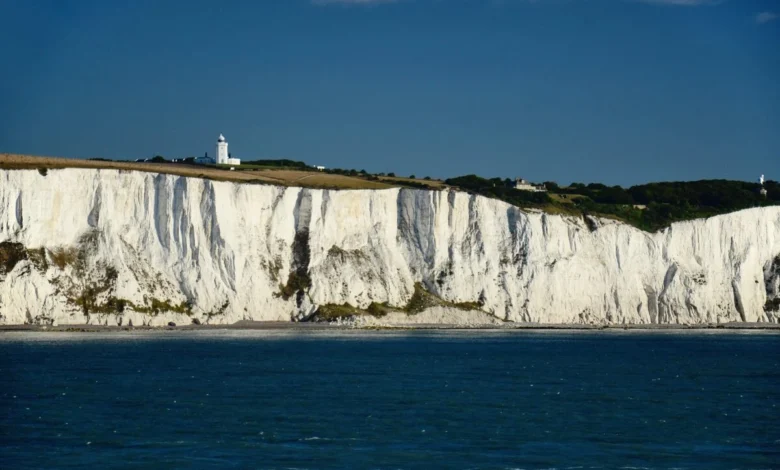
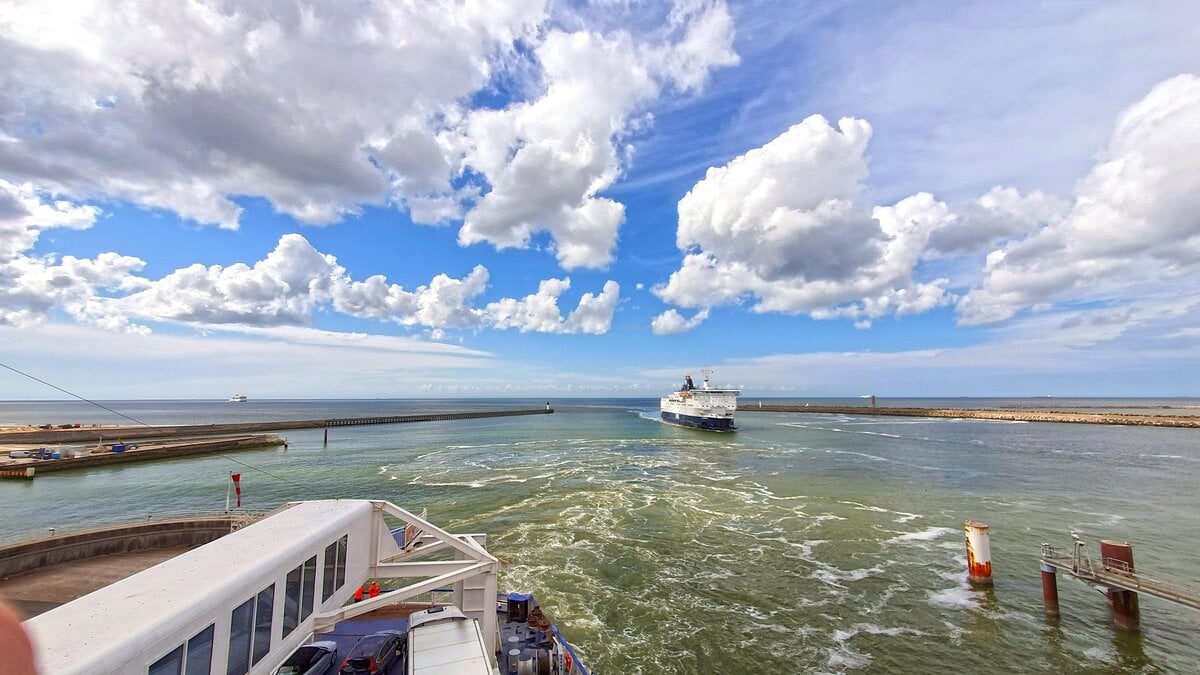
The Dover-Calais ferry route remains the primary artery connecting the United Kingdom to mainland Europe, serving as a critical link for millions of passengers and billions of pounds in trade annually. For travelers planning an overland journey toward Paris, the Benelux nations, or deep into the heart of Germany, the ninety-minute crossing across the Strait of Dover represents the definitive start of the European experience. Unlike the rapid, subterranean transit offered by the Eurotunnel, the ferry provides a human-scale transition, characterized by the receding White Cliffs of Dover and the gradual emergence of the French coastline. As of 2026, the route continues to evolve, balancing traditional maritime hospitality with new digital border requirements and a competitive landscape shaped by three major operators.
The Strategic Importance of the Dover-Calais Link
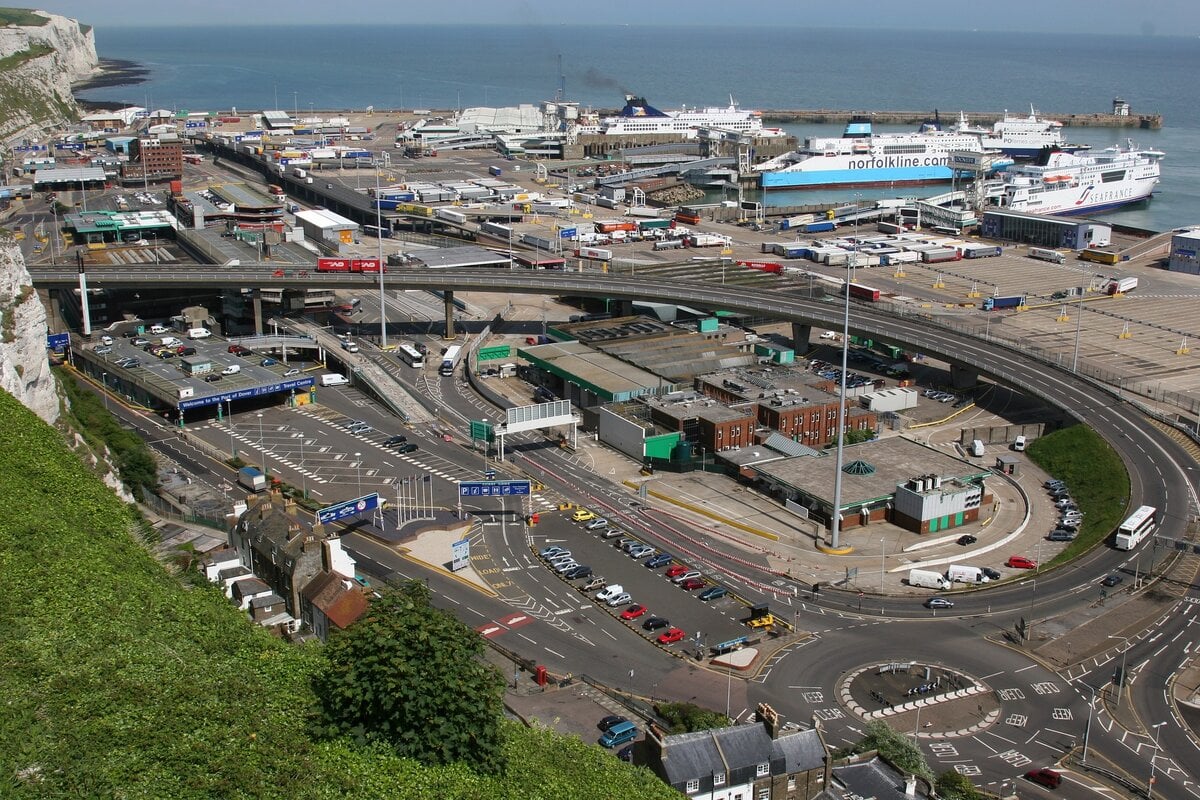
The Short Sea crossing between Dover and Calais is more than a mere convenience; it is a piece of vital international infrastructure. Historically, this 21-mile stretch of the English Channel has been the most contested and celebrated maritime path in Europe. Today, the Port of Dover handles approximately 33% of all UK trade with the European Union. For the leisure traveler, the route offers a frequency of service that few other international crossings can match, with approximately 35 sailings per day operated by DFDS Seaways, P&O Ferries, and Irish Ferries.
The choice of the ferry over the Eurotunnel often hinges on the nature of the trip. While the tunnel is lauded for its 35-minute transit time, the ferry is the preferred choice for those seeking a break from the rigors of driving. It caters specifically to travelers with high-sided vehicles, roof boxes, bicycle racks, or campervans—equipment that can sometimes trigger "size anxiety" in the confined spaces of a train carriage. Furthermore, the ferry environment allows passengers to exit their vehicles, access fresh air on the upper decks, and utilize a range of dining and shopping facilities that transform a logistical necessity into a component of the holiday itself.
The 2026 Border Landscape: Implementing the Entry/Exit System (EES)
The most significant change for travelers in 2026 is the full integration of the European Union’s Entry/Exit System (EES). This digital biometric border system, which began its phased introduction in late 2025, requires non-EU citizens—including British passport holders—to register fingerprints and facial photographs upon their first entry into the Schengen Area.
The Port of Dover operates under "juxtaposed controls," a unique arrangement where French border police (Police Aux Frontières) conduct passport checks on British soil before passengers board the vessel. This system is designed to ensure that once a ferry docks in Calais, passengers can drive straight off the ship and onto the French motorway network without further delay. However, the initial registration for the EES has introduced a new variable into travel timing.
Industry analysts and port authorities suggest that first-time travelers under the EES should budget an additional 30 to 45 minutes beyond the standard 60-minute check-in window. Once a traveler’s biometric data is stored in the system, subsequent crossings are processed with significantly greater speed. The Port of Dover has invested heavily in new infrastructure to accommodate these checks, including dedicated kiosks and lanes designed to minimize bottlenecks during peak periods such as summer holidays and bank weekends.
Operator Profiles and Service Standards
The Dover-Calais route is currently serviced by three major entities, each offering a slightly different value proposition:
DFDS Seaways
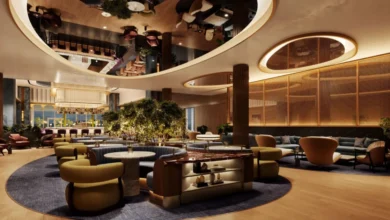
DFDS remains a dominant player, often favored by commercial hauliers and seasoned road-trippers. Their vessels are known for consistent reliability and 24-hour amenities. The "7 Seas" restaurant is a staple of the DFDS experience, providing panoramic views of the Channel alongside a menu of classic hot meals. For those seeking a quieter environment, DFDS offers a Premium Lounge, providing a more secluded space with inclusive refreshments.
P&O Ferries
P&O has recently modernized its fleet with the introduction of "Fusion Class" vessels, such as the P&O Pioneer and P&O Liberté. These are the world’s largest double-ended hybrid ferries, designed to reduce carbon emissions by up to 40% through the use of battery power and heat recovery systems. These ships offer expansive glass walls for maximum visibility of the sea and upgraded "Club Lounge" facilities, reflecting a shift toward a more premium passenger experience.
Irish Ferries
Since entering the Dover-Calais market in 2021, Irish Ferries has introduced a competitive edge to the route. Their presence has increased the total daily capacity and provided travelers with more flexible scheduling. Their service is noted for its efficiency and often provides a cost-effective alternative for budget-conscious travelers and families.
Life Onboard: Amenities and Regulations
Upon boarding, all passengers are required to vacate the car deck for the duration of the crossing. The 90-minute window provides ample time for several activities:
- Dining and Refreshments: From full English breakfasts to artisanal pizzas and vegetarian options, the dining facilities are designed to cater to international tastes. The "Lighthouse Café" across various vessels serves as a hub for coffee and light snacks.
- Duty-Free Shopping: Following the UK’s departure from the European Union, duty-free allowances were reinstated. Travelers can purchase alcohol, tobacco, fragrances, and electronics at prices significantly lower than UK high street rates. Onboard shops are specifically stocked to cater to these allowances, which permit substantial quantities of wine and spirits for personal use.
- Pet Travel: The ferry remains one of the most pet-friendly ways to cross the Channel. Most operators require pets to stay inside the vehicle, but some vessels now offer designated pet-friendly areas or exercise decks. It is essential for travelers to ensure their pets have the correct documentation, including a valid animal health certificate (AHC) or a pet passport accepted by the EU.
- Connectivity: While most vessels offer Wi-Fi, the signal strength can vary in the middle of the Channel. Many travelers find that the 90-minute "digital detox" is a welcome opportunity to enjoy the maritime views.
Strategic Onward Travel from Calais
The Port of Calais serves as the gateway to the European motorway network. The layout of the port allows for immediate access to several major corridors:
The Southern Route to Paris
The drive from Calais to Paris is approximately 293 kilometers (182 miles). Most drivers take the A26 (Autoroute des Anglais) which connects to the A1. The journey typically takes 3 hours. Travelers should be prepared for tolls (péages), which generally cost between €22 and €25 for a standard passenger car.
The Eastern Route to Belgium and the Netherlands
Calais is exceptionally well-positioned for trips to the Benelux region. The A16 motorway leads directly toward the Belgian border. Bruges, often cited as one of Europe’s most beautiful medieval cities, is reachable in approximately 90 minutes. Beyond Belgium, the E40 and connecting motorways provide a seamless path into the Netherlands (Rotterdam and Amsterdam) and Germany (Cologne and the Ruhr region). Notably, Belgian motorways remain toll-free for private cars, making this an economical route for long-distance travel.
The Côte d’Opale and Normandy
For those not in a rush to reach the interior, the D940 coastal road offers a scenic alternative. This route passes through the Côte d’Opale, featuring dramatic cliffs and seaside towns like Boulogne-sur-Mer and Le Touquet-Paris-Plage. Further west lies Normandy, with the historic Mont Saint-Michel approximately five hours away by car.
Economic and Environmental Analysis
The Dover-Calais route is currently undergoing a dual transformation: digital and environmental. The introduction of hybrid vessels by P&O Ferries signals a broader industry trend toward "Green Corridors." Port authorities in both Dover and Calais have committed to ambitious decarbonization targets, aiming to make the Short Sea crossing one of the most sustainable maritime routes in the world by 2030.
Economically, the route remains resilient despite post-Brexit regulatory changes. While the Eurotunnel captures a significant share of the "time-sensitive" market (such as express couriers and business travelers), the ferry operators have successfully captured the "experience-sensitive" market. By focusing on onboard comfort and the restoration of duty-free, the ferry has re-established itself as a leisure destination in its own right.
Practical Considerations for Travelers
To ensure a seamless crossing, travelers are advised to follow a strict logistical checklist:
- Advance Booking: Prices are dynamic and function similarly to airline pricing. Booking several months in advance can result in significant savings, particularly for peak summer travel.
- Passport Validity: Ensure all passports have at least six months of validity remaining and were issued within the last ten years.
- Vehicle Preparation: French law requires certain items to be carried in the vehicle at all times, including a reflective jacket, a warning triangle, and headlamp beam deflectors.
- Insurance and Breakdown Cover: Confirm that your insurance policy covers European driving and consider a breakdown policy that includes European recovery.
- Check-in Times: Arrive at least 60 minutes before departure. During peak periods, the Port of Dover may implement "Operation Brock" or other traffic management systems on the M20/A20 approach roads; checking live traffic apps before departure is essential.
The Dover-Calais ferry crossing remains a testament to the enduring link between Britain and the Continent. By combining historical charm with modern efficiency and navigating the complexities of new border technologies, it continues to serve as the definitive starting point for the great European road trip.