The Annual Cooper’s Hill Cheese-Rolling and Wake: A Deep Dive into England’s Most Dangerous Tradition


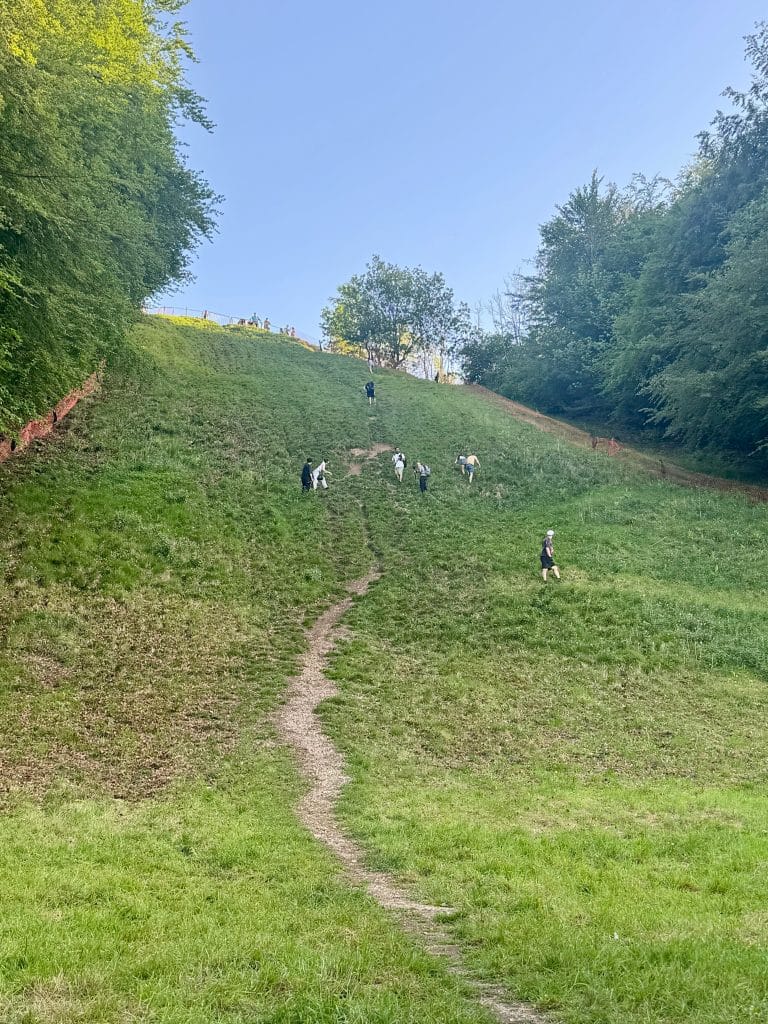
The Cooper’s Hill Cheese-Rolling and Wake, held annually on the Spring Bank Holiday in Gloucestershire, England, stands as one of the most eccentric and perilous sporting traditions in the world. Each year, thousands of spectators and a dedicated group of thrill-seekers descend upon the steep incline of Cooper’s Hill in the village of Brockworth. The event centers on a singular, gravity-defying objective: the pursuit of a seven-pound wheel of Double Gloucester cheese, which is sent hurtling down a gradient so severe that it frequently results in significant injury to participants.
The Historical and Cultural Origins
While the precise origins of the cheese-rolling tradition remain obscured by time, historical consensus suggests it has been practiced for at least two centuries. Local folklore frequently links the event to pagan fertility rites, specifically marking the beginning of summer and the vernal renewal of the landscape. Others suggest it began as a means of establishing grazing rights on the common land. Regardless of its inception, the event has evolved from a local village celebration into an internationally recognized spectacle, cemented in modern pop culture by features in global media and documentary series like Netflix’s We Are The Champions.
The Mechanics of the Race
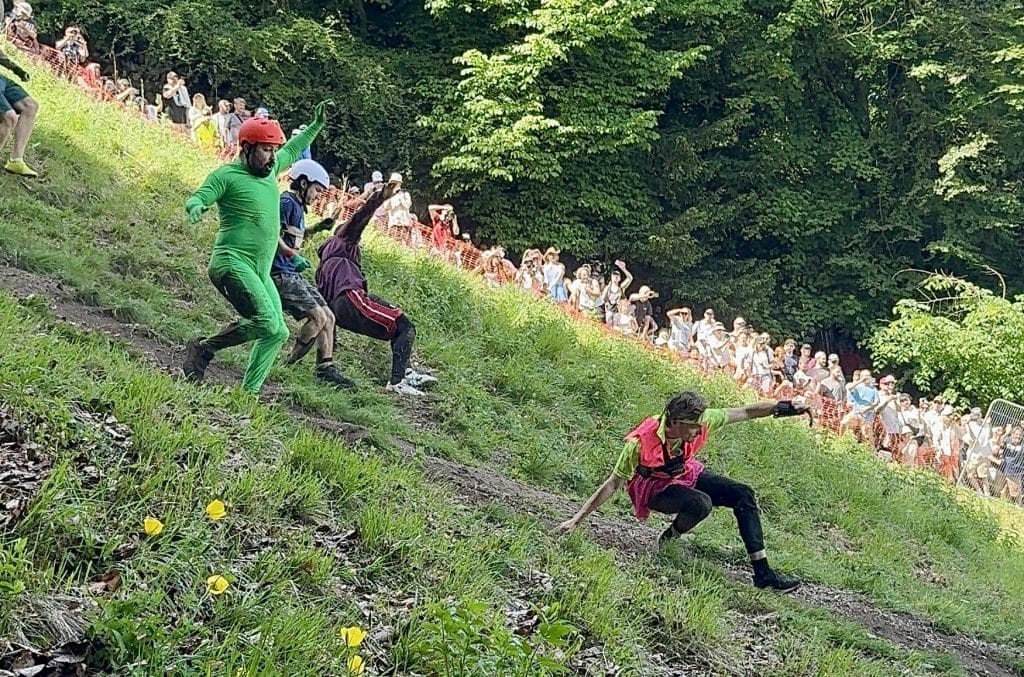
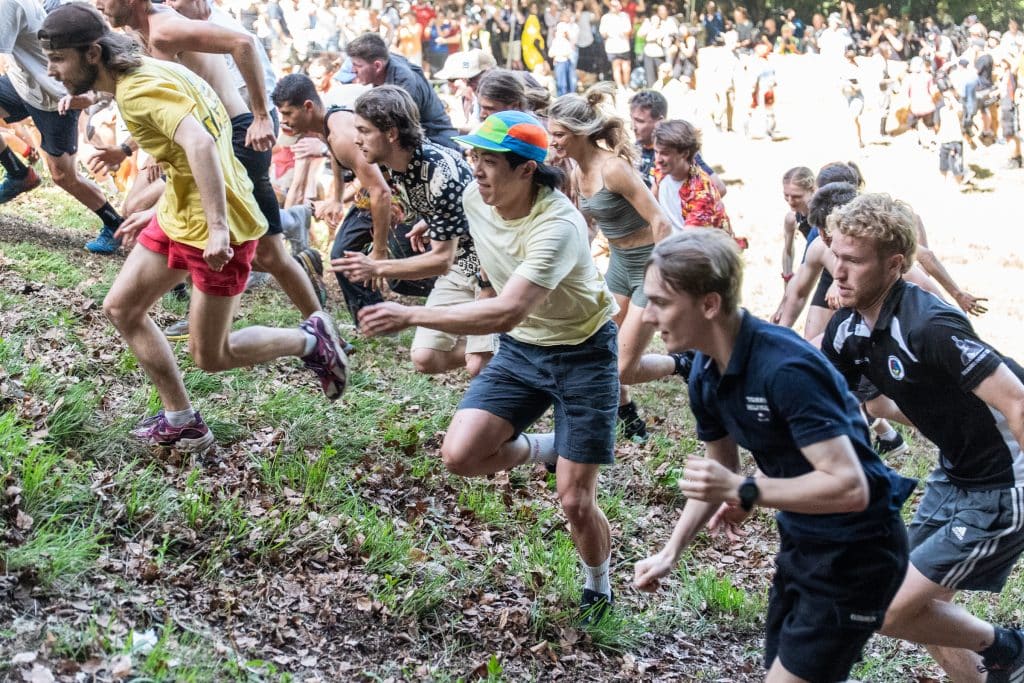
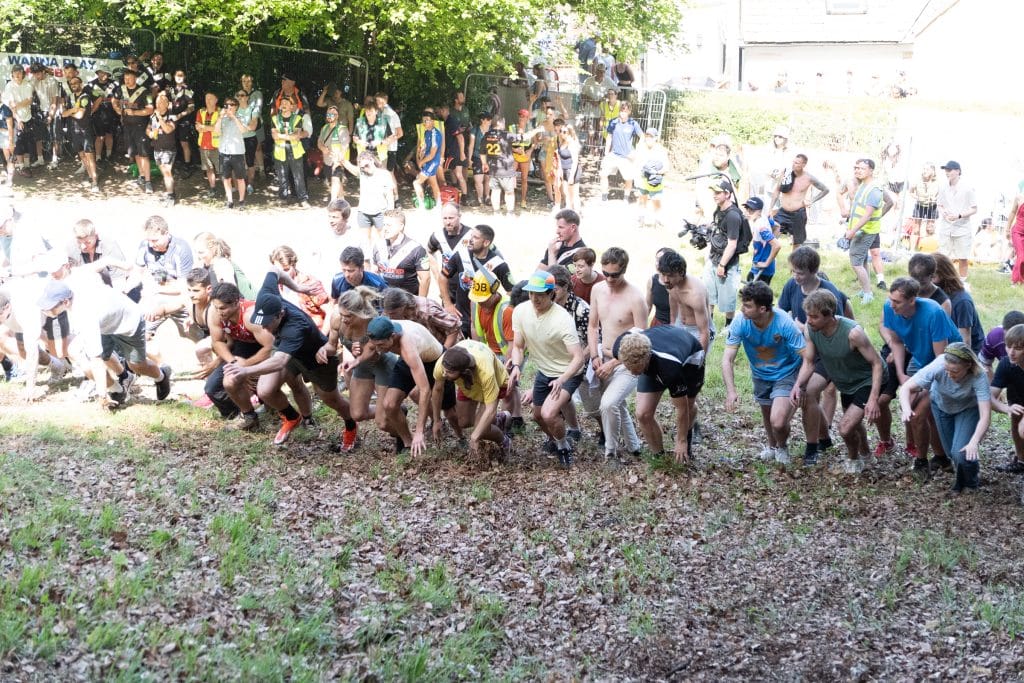
The competition consists of a series of races, typically including three men’s downhill heats, one women’s downhill race, and several uphill races for children and mixed adult groups. The rules are deceptively simple: at the command of the master of ceremonies, a wheel of Double Gloucester cheese is released from the summit. Competitors then attempt to chase the cheese down the incline.
The physics of the event are unforgiving. The cheese, wrapped in protective ribbons, can reach speeds of up to 70 miles per hour, often leaving competitors behind within seconds. The race is rarely won by "catching" the cheese, as that is nearly impossible; rather, it is a race to reach the finish line at the base of the hill. Because the speed of the descent makes stopping impossible, the finish line is manned by local rugby players who act as "catchers," physically stopping the runners to prevent them from careening into the massed crowds.
Safety Concerns and Institutional Status
Despite its immense popularity, the event exists in a state of institutional limbo. Following a series of serious injuries in the late 2000s, the official organization of the event was disbanded. Since 2010, the cheese-rolling has been classified as an unofficial, grassroots gathering.
The lack of an official organizer means there is no formal safety plan or government-sanctioned liability coverage. Emergency services, including land and air ambulances, are frequently deployed to the site to treat fractures, dislocations, and head trauma. In 2025, the strain on local medical infrastructure reached a critical point, with multiple emergency vehicles required to clear the site of injured participants. Local authorities consistently issue warnings to the public, emphasizing that spectators and participants attend entirely at their own risk.
Data and Trends: 2026 Participation
The 2026 iteration of the event saw record-breaking interest, with over 250 prospective racers vying for the 100 available spots across the four main downhill heats. The demographic of the participants has shifted over the years, increasingly drawing international competitors. Notable results in 2026 included:
- Men’s Downhill: German YouTuber Tom Kopke secured his third consecutive victory, narrowly besting local legend Chris Anderson. Anderson, who holds the Guinness World Record with 23 career wins, had emerged from retirement specifically for this year’s competition.
- Women’s Downhill: The race was won by Alix Heugas of France.
- Youth Participation: The Under-10s races were won by William Anderson and Ariadne.
- International Reach: The diversity of winners, including participants from the Netherlands and the United States, underscores the event’s transformation from a regional custom into a global athletic challenge.
Logistical Realities for Spectators
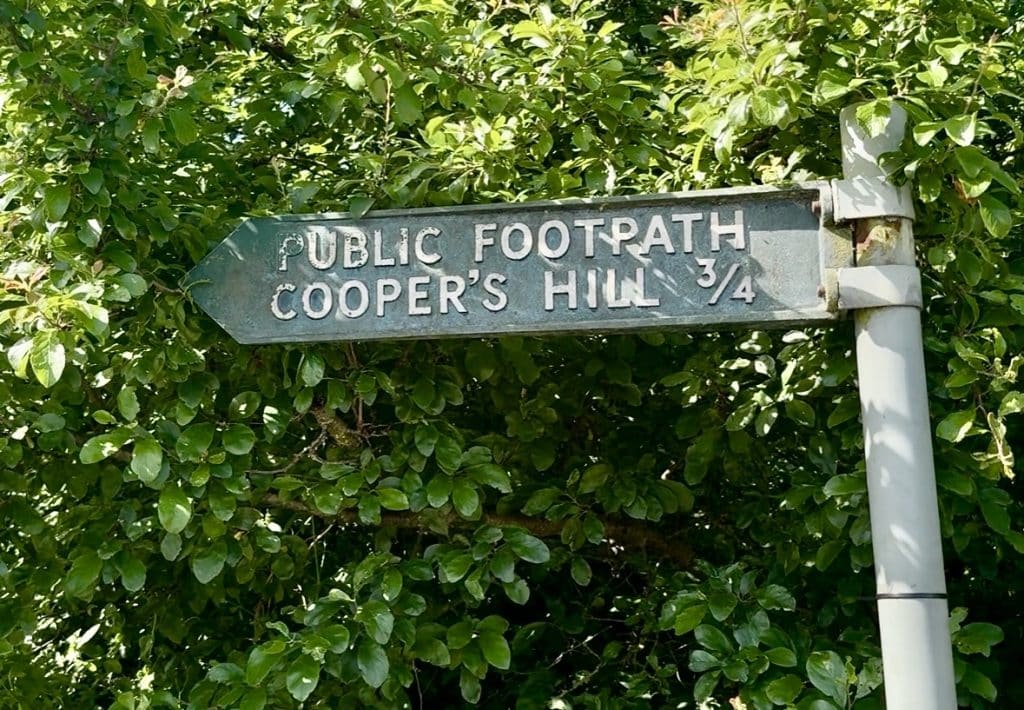
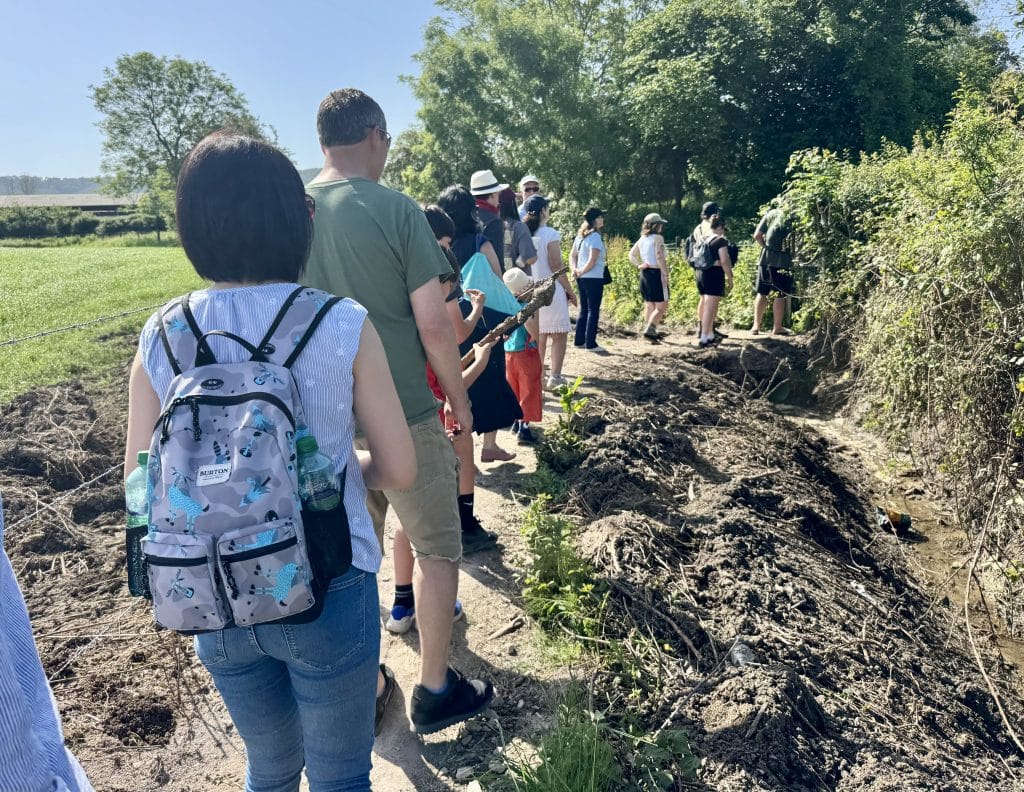
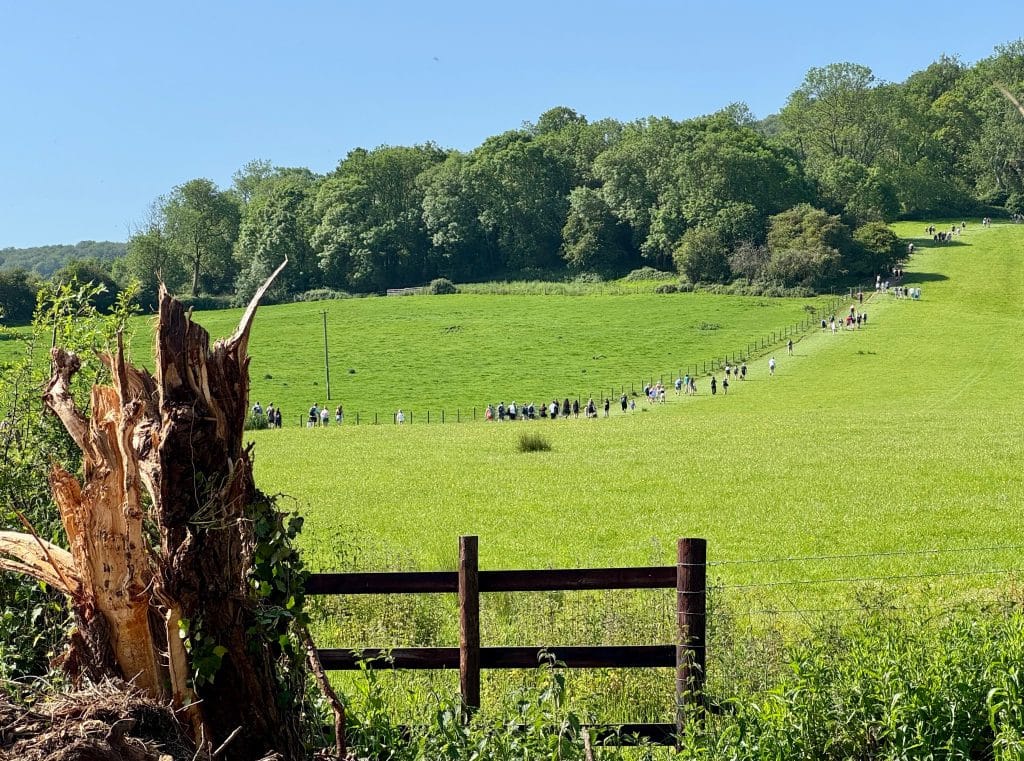
For those intending to witness the event, the logistical requirements are substantial. Cooper’s Hill is not accessible by conventional transit routes. Attendees must navigate a roughly three-quarter-mile trek via the public footpath, which is notoriously difficult to traverse during inclement weather.
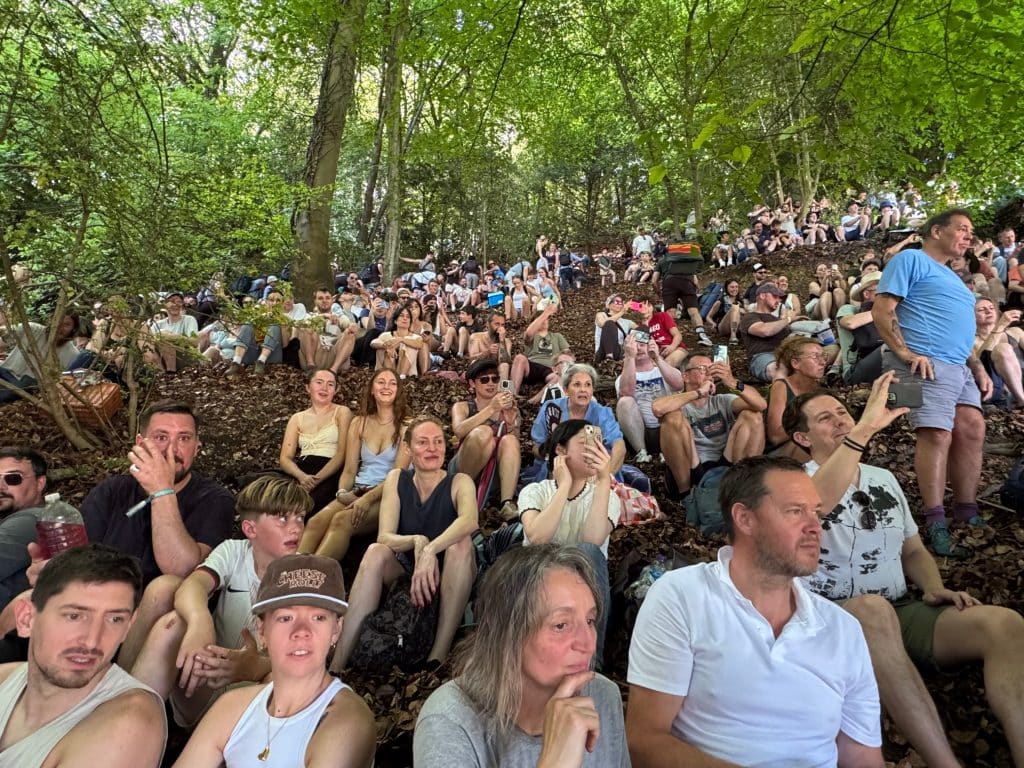
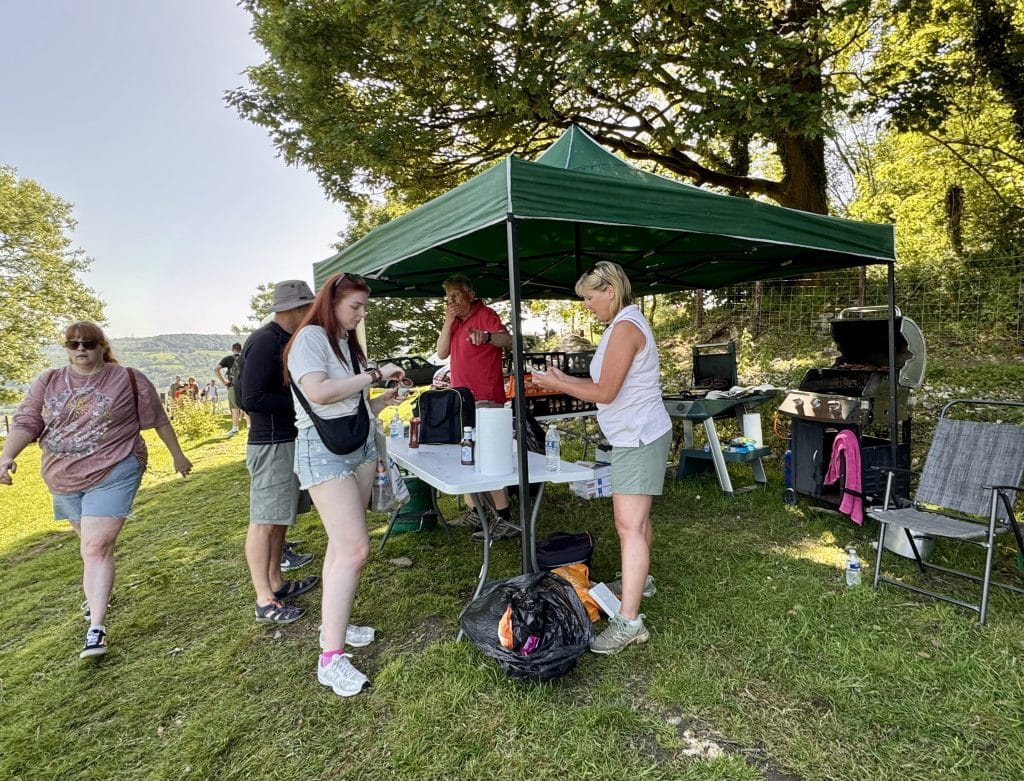
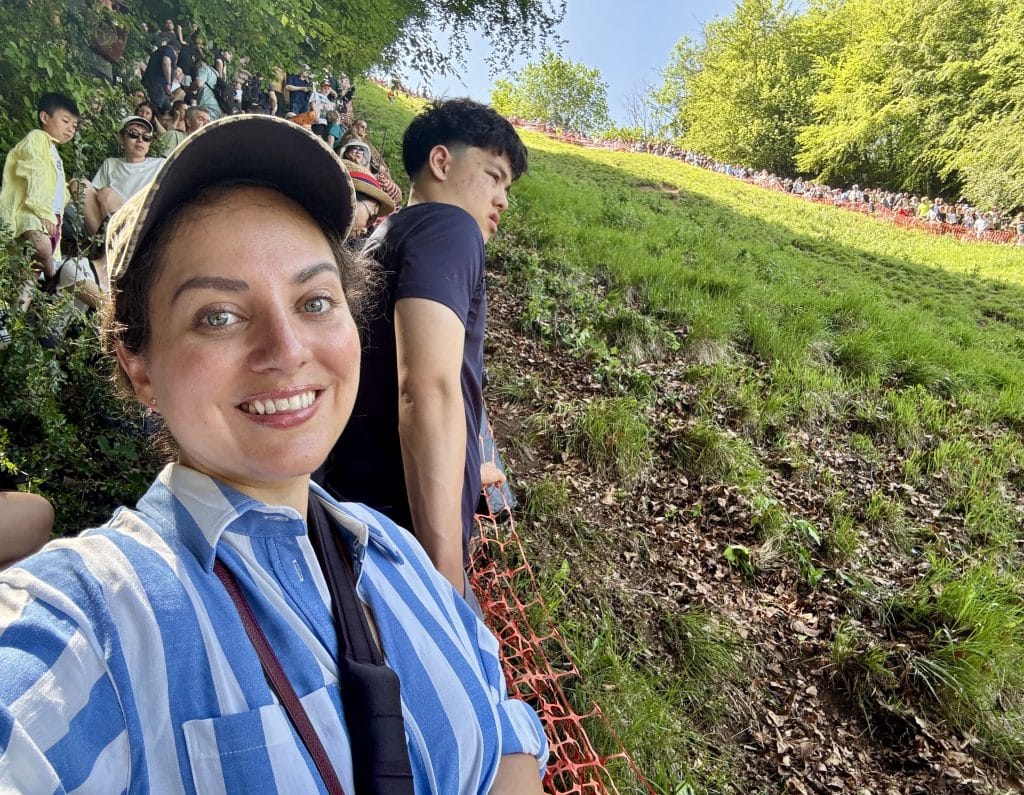
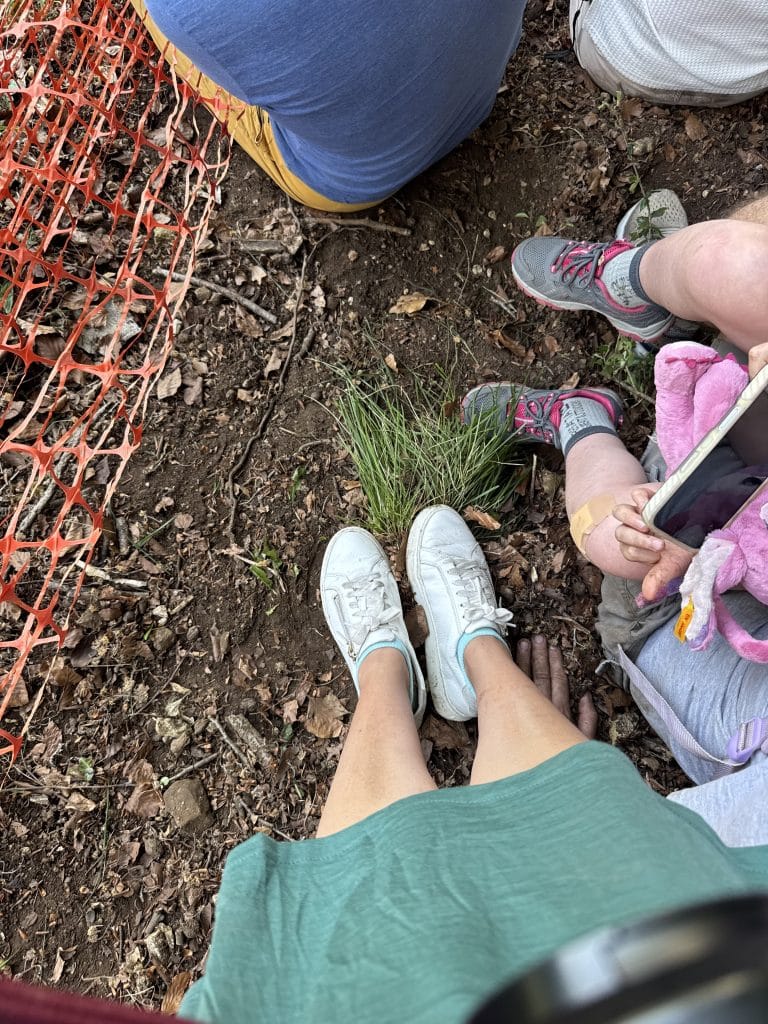
The absence of infrastructure—including permanent toilet facilities, food stalls, and medical stations—requires attendees to be self-sufficient. Furthermore, the terrain is prone to extreme mud, making the climb hazardous. Experts and local guides suggest that the most advantageous vantage points are located toward the base of the hill, where the slope’s curvature allows for a clearer view of the final, often chaotic, moments of the descent.

Photography and Media Challenges
Documenting the cheese-rolling presents a unique set of technical hurdles for photographers. The combination of high-speed movement, unpredictable light conditions on the hillside, and the extreme elevation changes makes standard camera settings ineffective. Professionals recommend shutter speeds of 1/1000 or faster, coupled with high-zoom lenses to maintain distance from the impact zones. The inherent danger to equipment is significant, as the dust, mud, and density of the crowd pose constant threats to gear.
Economic and Community Implications
While the event is technically unofficial, it exerts a significant pull on the local economy. Businesses in nearby towns like Gloucester, Cheltenham, and Shurdington—most notably the Cheese Roller’s Pub—experience a marked increase in patronage during the bank holiday weekend. The pub serves as an unofficial hub for the aftermath, providing a space for both locals and international visitors to discuss the day’s events.
The tribute to local figures like Chris Anderson within these establishments highlights the role the event plays in local identity. However, the disconnect between the town’s pride in the tradition and the concerns of emergency services remains a point of tension. The lack of an official body to manage the crowds or mitigate risk creates a complex dynamic where the tradition is simultaneously celebrated as a cultural treasure and viewed as a public safety liability.
Summary of Experience
The Cooper’s Hill Cheese-Rolling remains a testament to the endurance of tradition, however dangerous or unconventional. For the participants, it represents a test of physical courage and the pursuit of "eternal glory." For the spectators, it is a visceral experience of a fast-vanishing, pre-modern form of competition.
As the 2026 event concluded, the rapid dispersal of the crowd underscored the ephemeral nature of the spectacle. There are no grand ceremonies or trophy presentations; once the final race is run, the crowds simply dissipate, leaving the hill to the local farmers and the silence of the Gloucestershire countryside. For those planning to attend in future years, the recommendation remains consistent: prepare for a rigorous, physically demanding, and potentially hazardous experience that stands as a unique, if perilous, feature of British heritage.