The annual transformation of New England’s landscape into a vibrant tapestry of crimson, gold, and burnt orange is one of the most significant seasonal tourism events in the United States. Each autumn, millions of travelers, colloquially known as "leaf peepers," descend upon the region to witness the senescence of deciduous forests. This migration represents a critical economic engine for states like Vermont, New Hampshire, and Maine, with tourism boards reporting that foliage-related travel contributes hundreds of millions of dollars to the local economy annually. Planning a successful excursion requires precision, as the window for peak coloration is narrow and highly dependent on shifting meteorological conditions.
Meteorological Drivers of Foliage
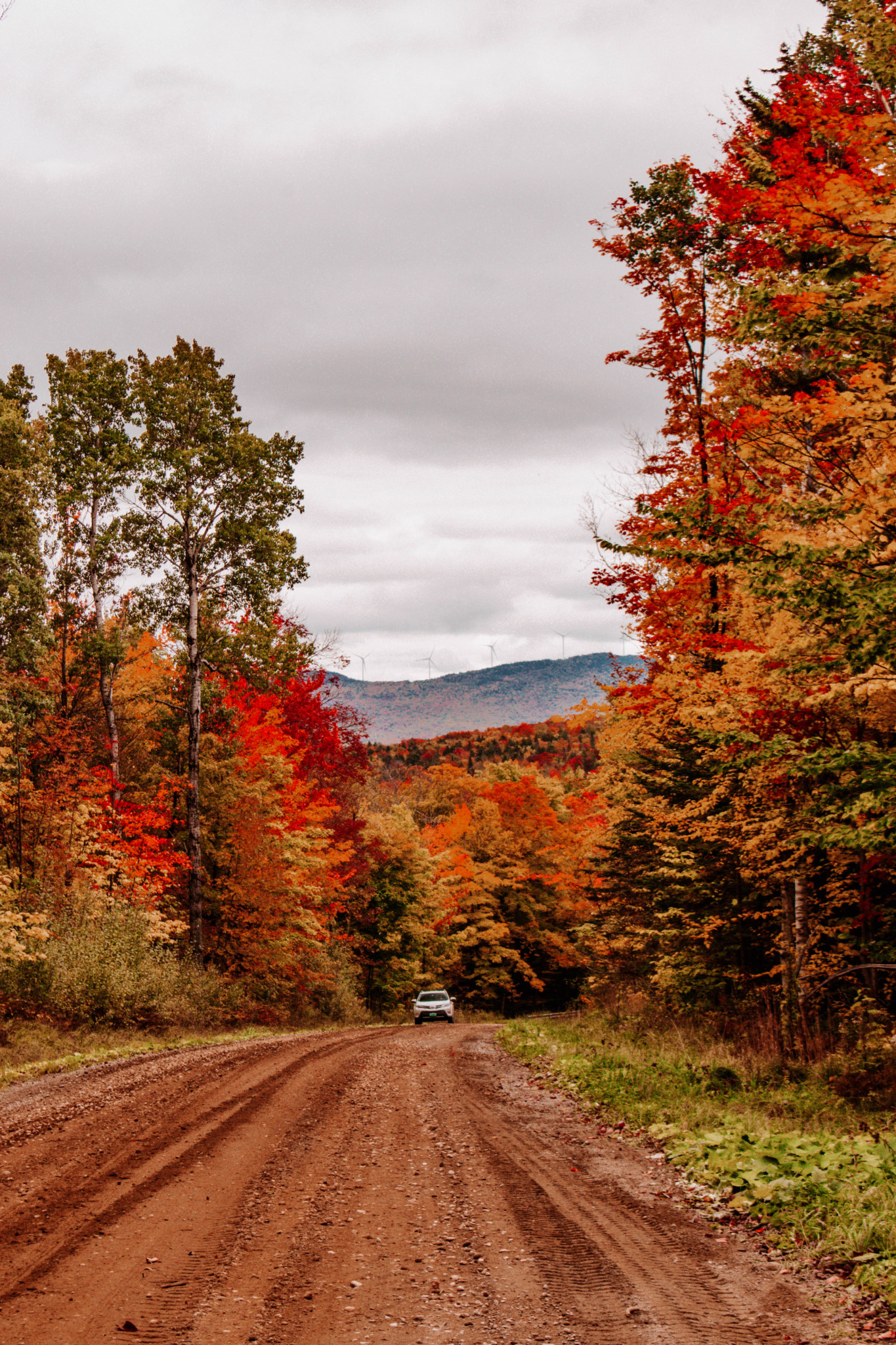
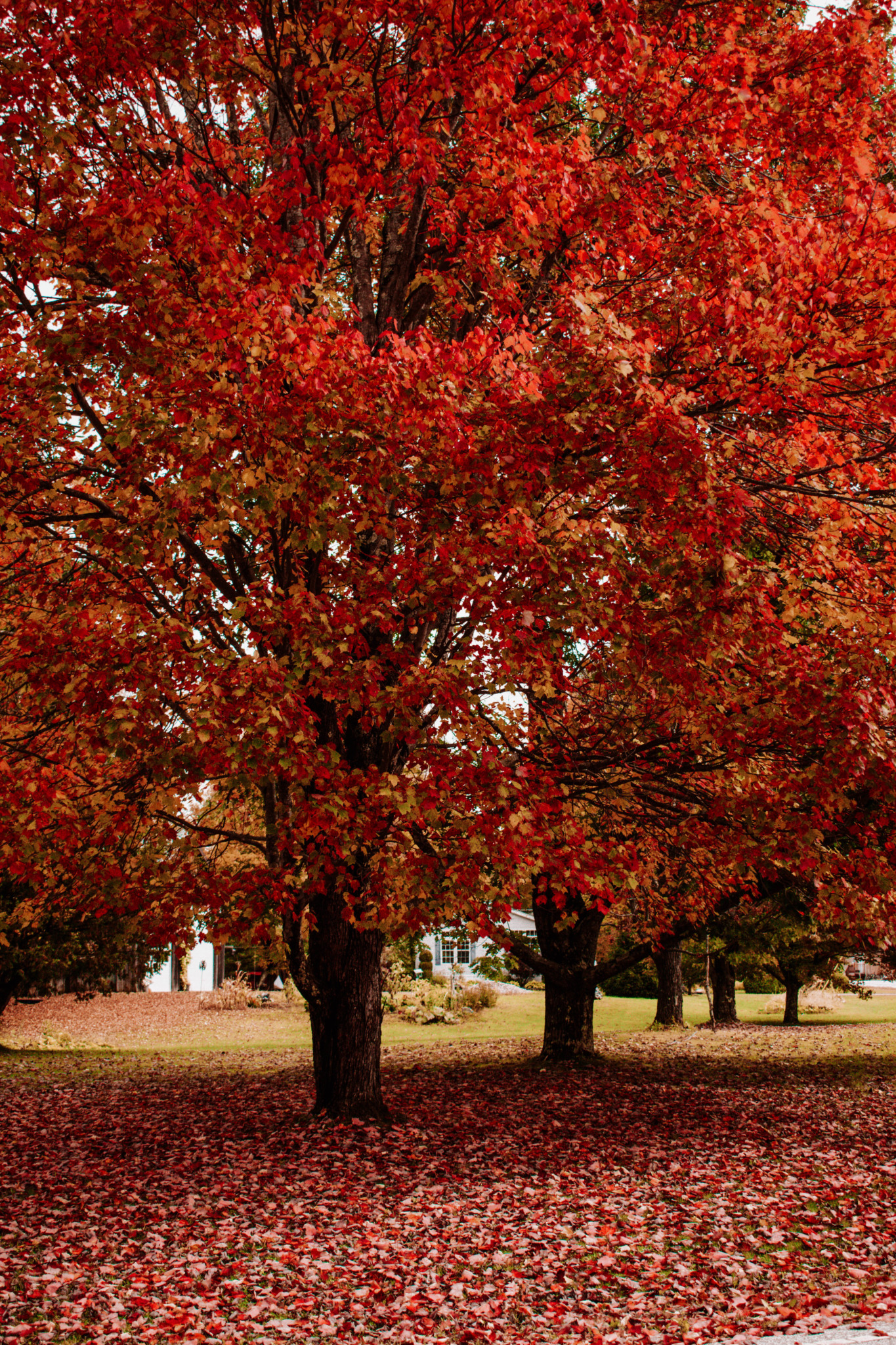
The phenomenon of fall foliage is driven by the chemical composition of leaves and the specific weather patterns of the preceding months. As daylight hours diminish and temperatures drop, trees cease the production of chlorophyll, the pigment responsible for photosynthesis. This decline allows other pigments, such as carotenoids (yellows and oranges) and anthocyanins (reds and purples), to become visible.
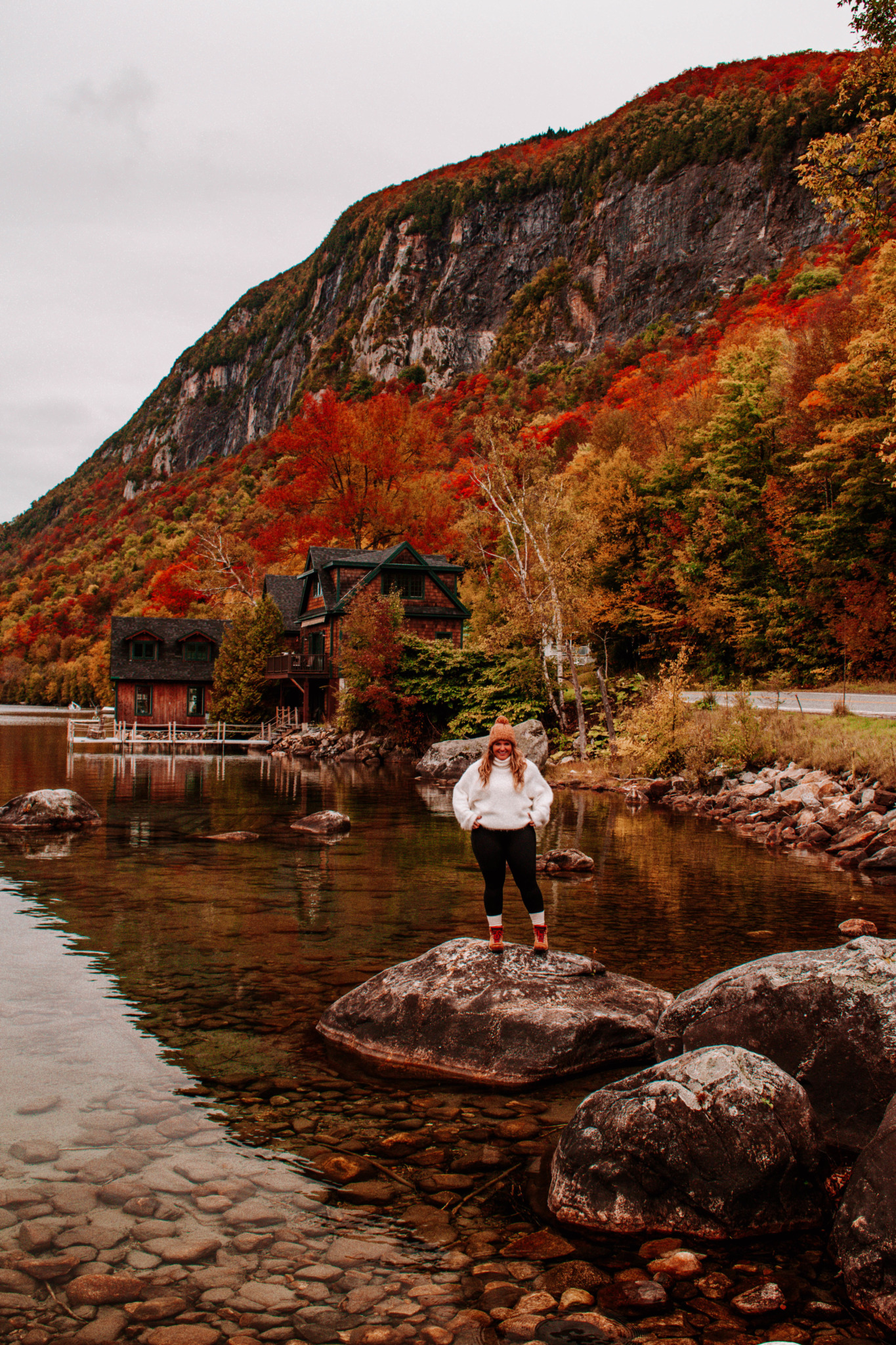
Data from climatologists indicates that the ideal conditions for a "spectacular" season involve warm, sunny days followed by cool—but not freezing—nights during the late summer and early autumn. Drought stress or excessive rainfall during the growing season can lead to muted colors or premature leaf drop, making the timing of any itinerary subject to change. Consequently, visitors are advised to monitor official state-sponsored foliage trackers, such as the New Hampshire Foliage Tracker and the Vermont Foliage Report, which utilize satellite data and ground-level reports to provide real-time updates on color progression.
A Strategic Seven-Day Regional Itinerary
While the region is expansive, a focused seven-day journey starting from the transportation hub of Boston, Massachusetts, allows for a comprehensive exploration of the northern interior’s prime viewing areas.
Days 1–2: New Hampshire’s White Mountains
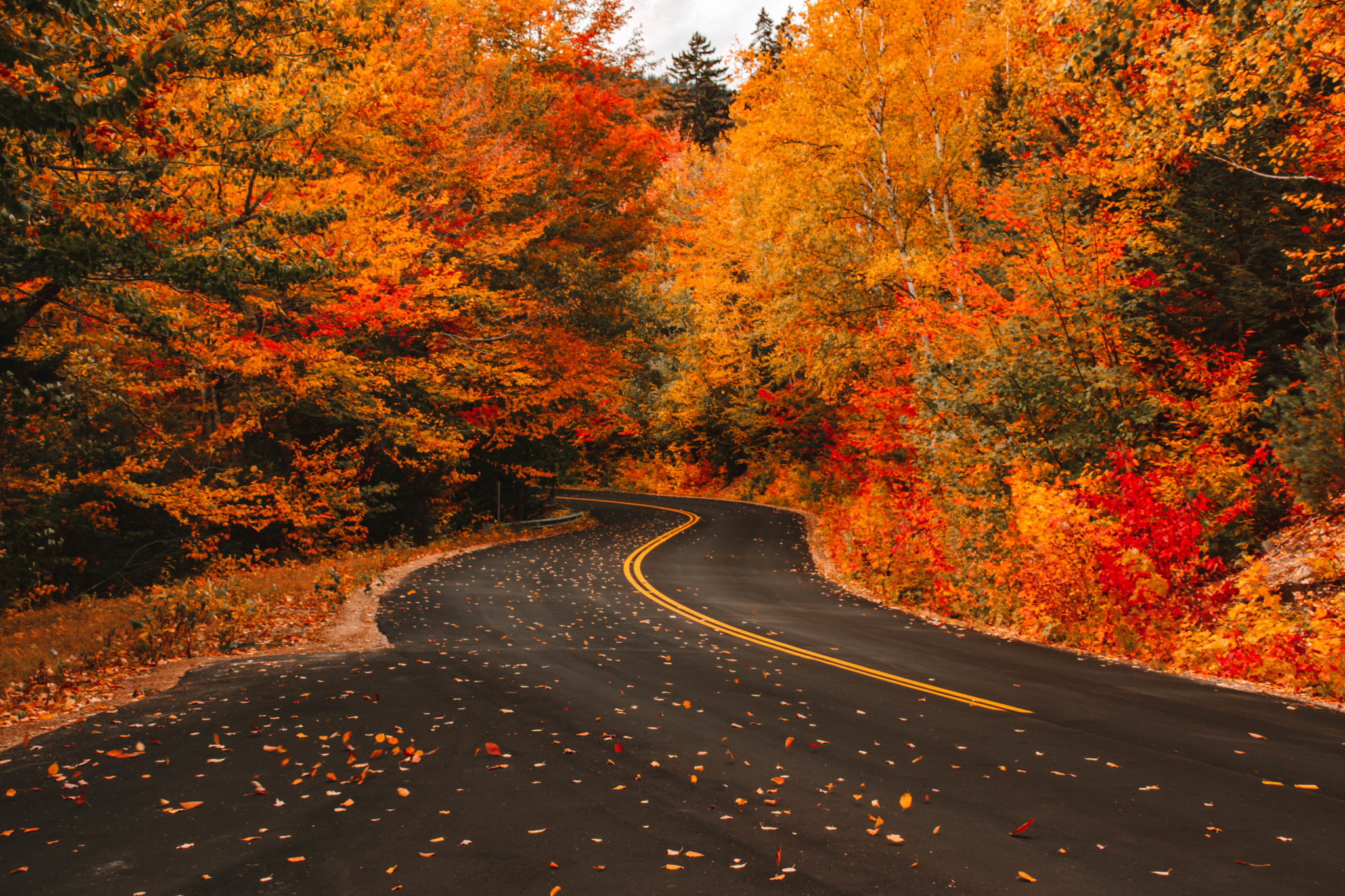
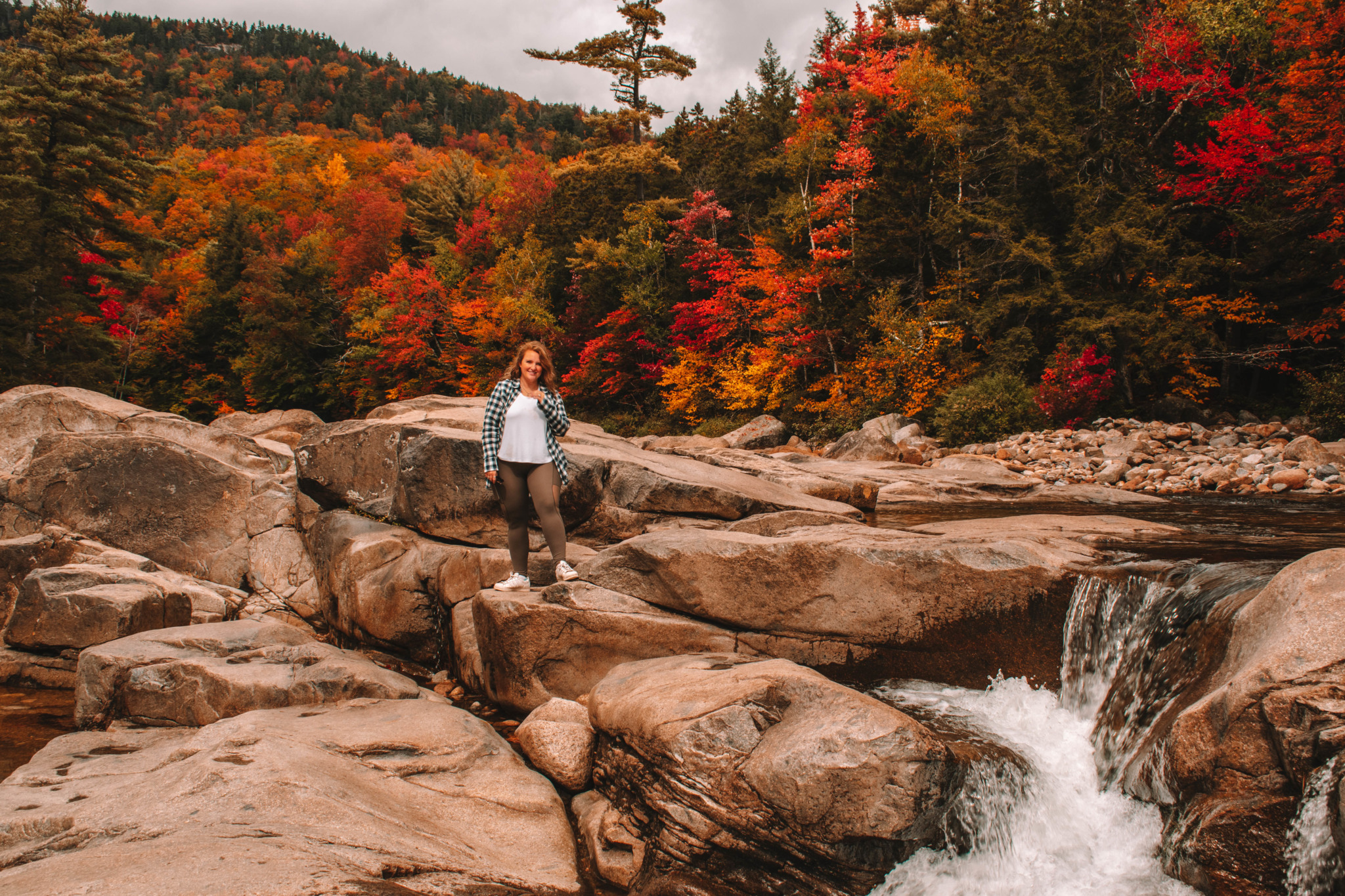
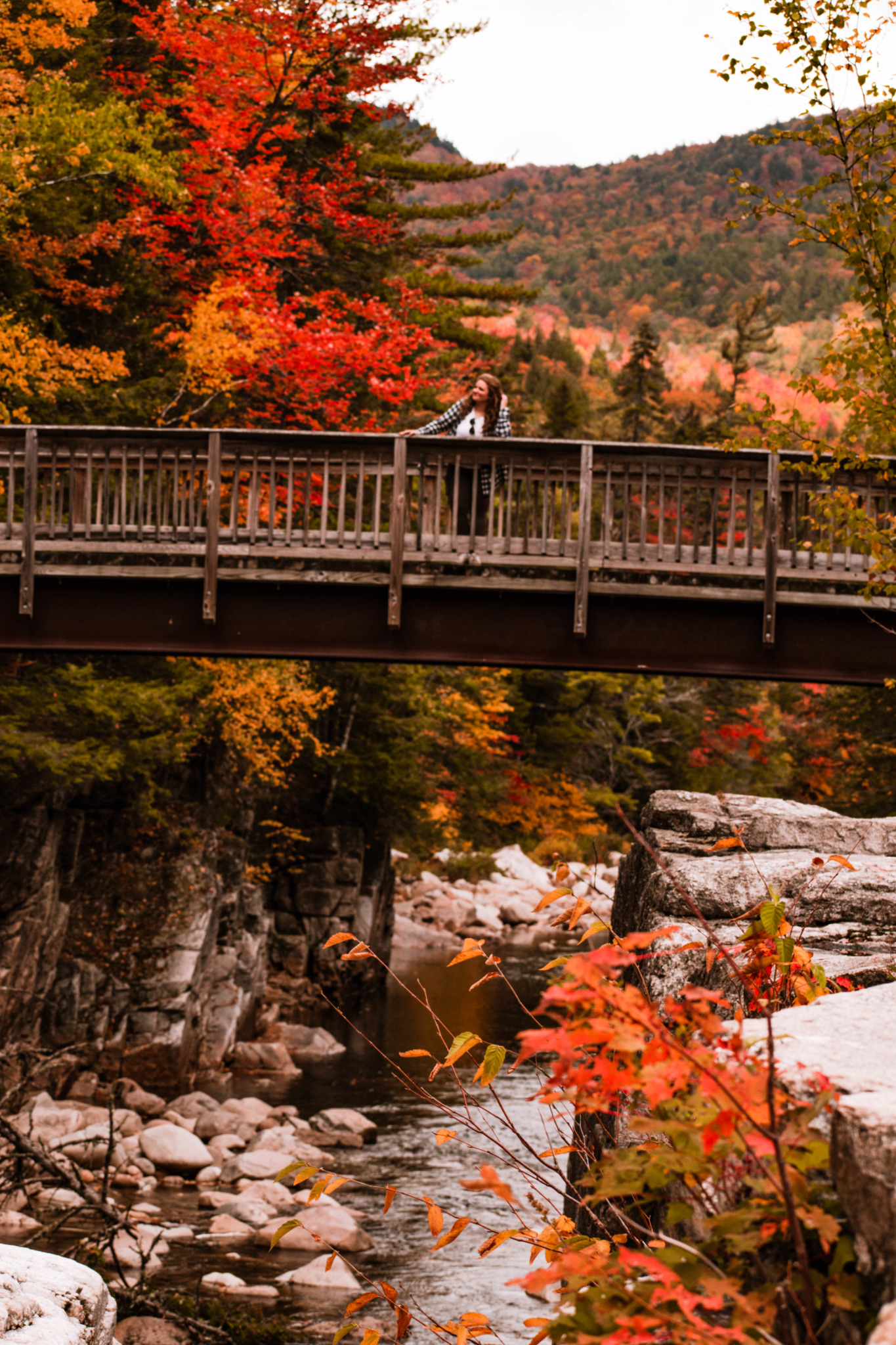
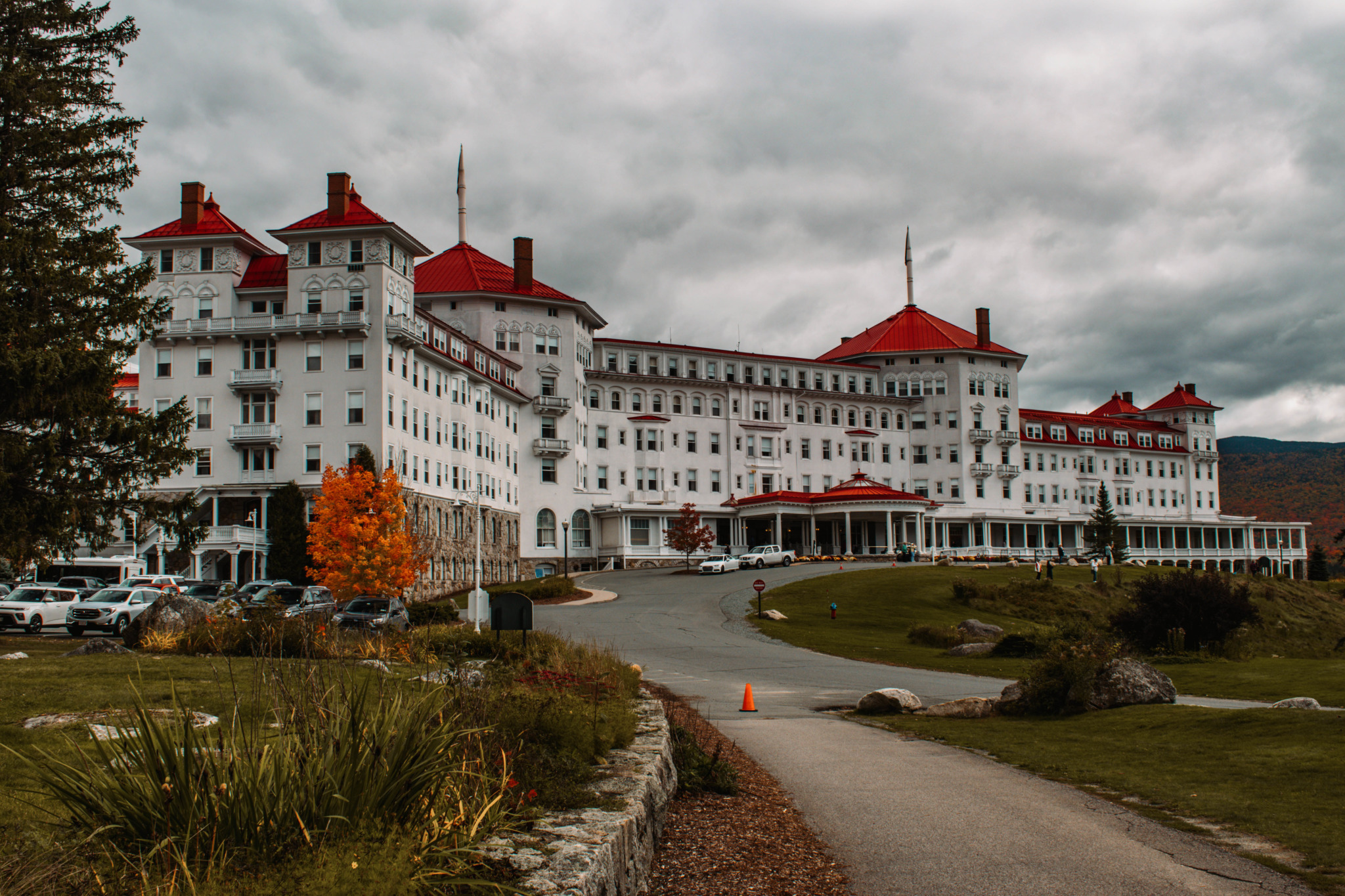
The transit from Boston to the White Mountains covers approximately 150 miles. Travelers frequently prioritize the Kancamagus Highway, a 34-mile stretch of New Hampshire Route 112 that serves as a primary artery for leaf peeping. Known for its high elevation and dense forest canopy, this route provides consistent, high-contrast vistas. Stops at the Lower Falls, the Albany Covered Bridge, and the Sabbaday Falls offer opportunities for closer inspection of the forest floor and riparian corridors. Mount Washington, the highest peak in the Northeast, serves as a focal point for visitors, with the Omni Mount Washington Resort offering a historic, architecturally significant base of operations.
Days 3–5: The Vermont Highlands and Stowe
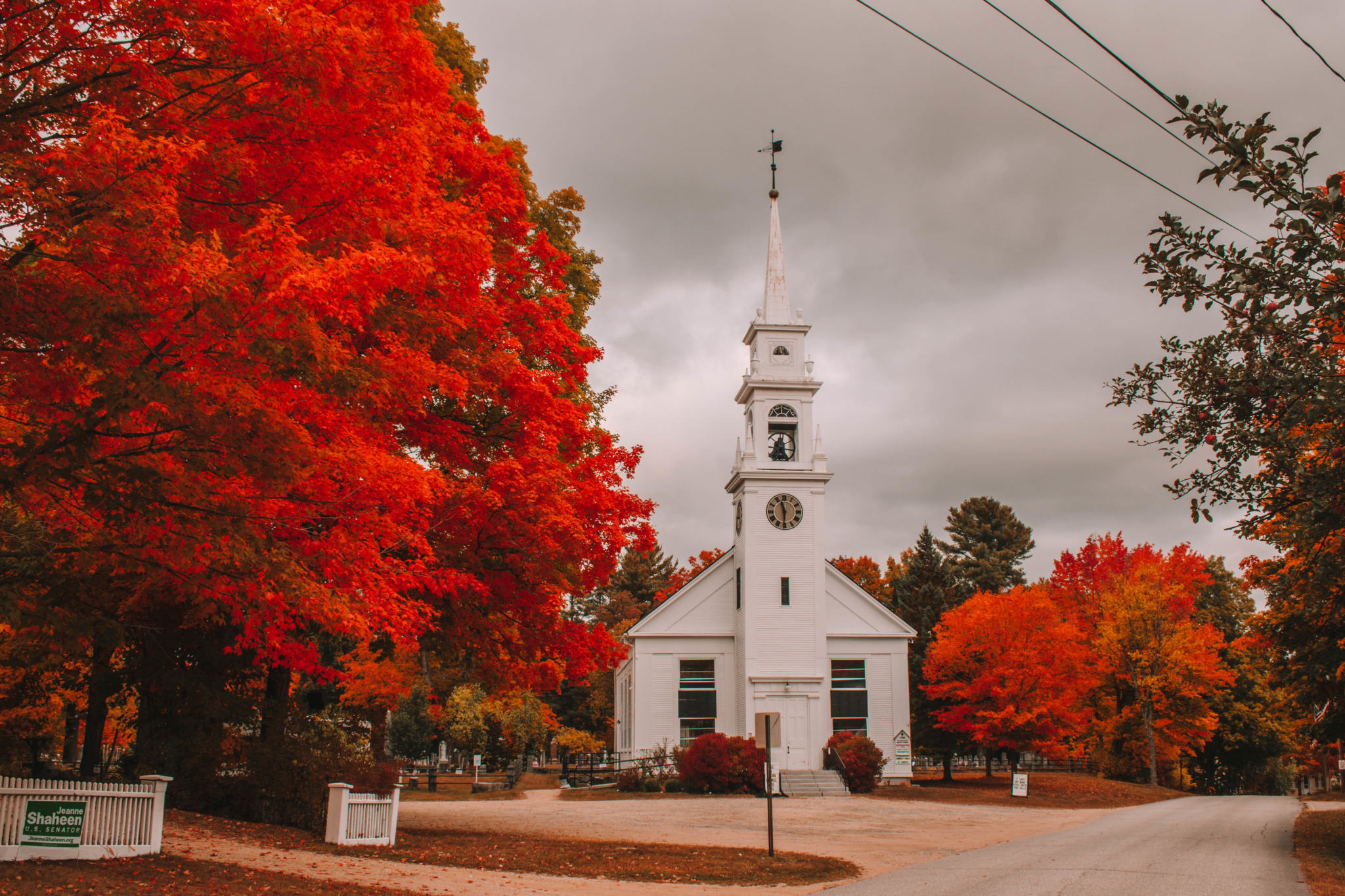
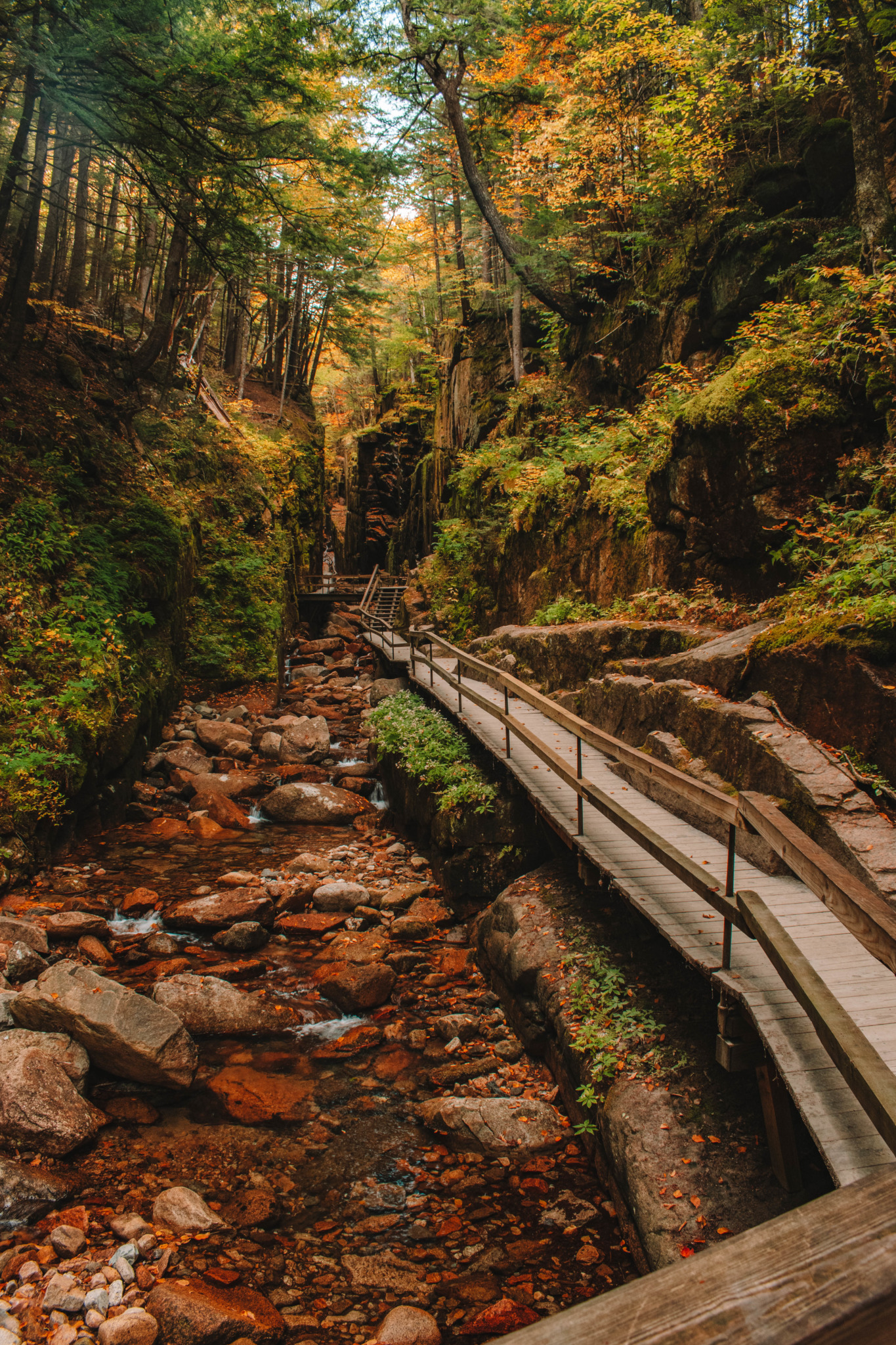
Crossing into Vermont, the itinerary shifts toward the agricultural heartland of the region. Franconia Notch State Park, situated on the border of the two states, provides substantial hiking opportunities, including the Flume Gorge. As travelers move toward Montpelier, the state capital, the focus shifts to the cultural elements of the season, such as the maple sugar industry. Facilities like the Bragg Farm Sugar House offer insights into the production of maple syrup, a quintessential component of the regional economy. The town of Stowe, characterized by its traditional New England architecture, serves as a primary hub. Attractions like the Cold Hollow Cider Mill and the Ben & Jerry’s factory highlight the intersection of regional agriculture and modern tourism.
Days 6–7: Southern Vermont and the Berkshires
The final leg of the journey heads south toward Manchester, Vermont, and eventually into the Berkshires of western Massachusetts. Manchester is noted for its concentration of historic commerce and outdoor retail centers, such as the Orvis flagship store, which reflects the region’s long-standing history of fly fishing and outdoor recreation. The return path to Boston via the Mohawk Trail allows for a final observation of the southern extent of the color shift, concluding the loop in a region noted for its rolling hills and academic institutions.
Economic and Environmental Implications
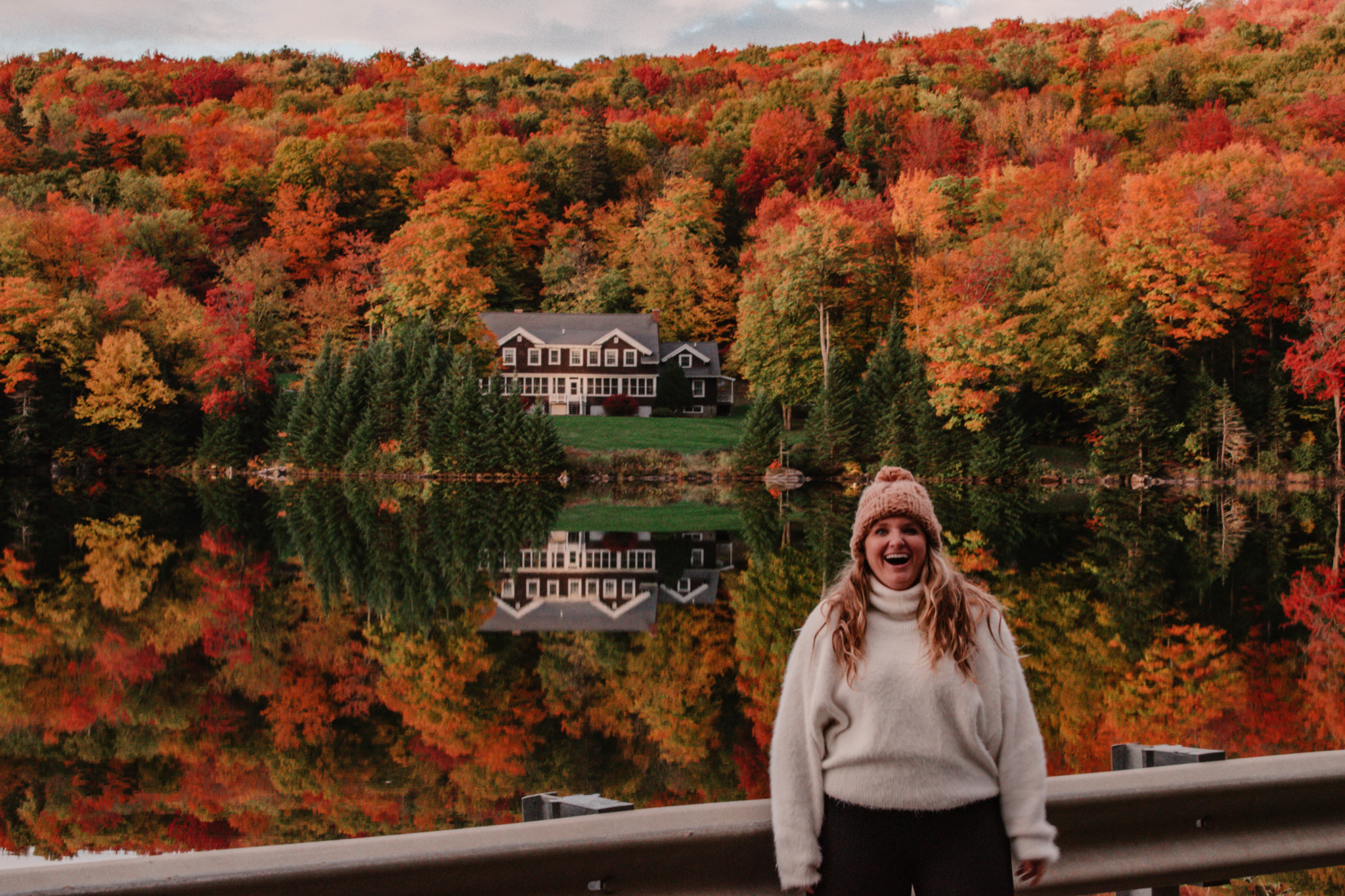
The surge in tourism during October places a unique strain on the infrastructure of small, rural towns. Local authorities often manage increased traffic volumes that exceed the design capacity of narrow, scenic roads. This has led to the implementation of traffic management plans in popular areas, such as the vicinity of "Sleepy Hollow Farm" in Vermont, which has experienced issues related to illegal parking and pedestrian safety due to its popularity on social media platforms.
Furthermore, the regional tourism industry has increasingly emphasized "sustainable leaf peeping." This initiative encourages visitors to support local businesses, respect private property, and utilize designated parking areas to mitigate the environmental impact on fragile ecosystems. Industry analysts note that as climate patterns shift, the timing of peak foliage has shown a trend of occurring later in the year, prompting tourism boards to extend their marketing campaigns into late October to accommodate the changing biological clock of the forests.
Complementary Destinations
For those extending their stay beyond seven days, the coastal region of Maine—specifically Acadia National Park and Bar Harbor—offers a distinct landscape where granite cliffs and maritime flora meet the turning leaves. Salem, Massachusetts, provides an alternative, albeit more urban, experience that capitalizes on the historical and cultural significance of the Halloween season, drawing millions of visitors interested in the city’s colonial history and lore.
In Connecticut, the Litchfield Hills provide a more sedate, pastoral experience. The area is noted for its historic estates and smaller, community-led festivals, such as the Southington Apple Festival. These secondary regions are often less crowded than the northern routes, providing an alternative for travelers seeking a more relaxed pace.
Summary of Best Practices for Visitors
To ensure a successful trip, experts suggest the following:
- Flexibility: Be prepared to adjust travel routes based on the latest foliage reports, as color saturation can vary significantly over a distance of only 20 miles.
- Advance Booking: Accommodations in key hubs like Stowe, North Conway, and Woodstock often sell out months in advance; early reservations are essential.
- Transportation: Renting a vehicle is generally considered a necessity, as public transit does not provide access to the rural scenic drives that define the foliage experience.
- Respect Local Regulations: Many of the most photogenic locations are on private land. Adhering to posted signs and avoiding the blocking of public roads is vital for the continued access to these sites.
As New England’s foliage continues to draw international attention, the region remains a primary study in the intersection of seasonal tourism and environmental stewardship. By balancing the demands of the modern visitor with the preservation of the landscape, the states involved aim to maintain the long-term viability of this cherished autumn tradition.