Exploring the rugged landscapes of Iceland often requires venturing off the paved Ring Road and onto the nation’s extensive network of gravel pathways. While these unpaved routes provide access to some of the country’s most remote waterfalls, volcanic calderas, and dramatic coastal vistas, they also present unique driving challenges that routinely catch international tourists off guard. According to tourism and transportation authorities, navigating Icelandic gravel safely requires a comprehensive understanding of changing road surfaces, unpredictable weather patterns, vehicle preparation, and adequate rental insurance coverage.
The Evolution of Iceland’s Infrastructure and the Reality of Remote Travel
Iceland’s modern infrastructure is shaped by its dramatic geography and sparse population distribution. The vast majority of the island nation’s residents reside in the capital region of Reykjavík and along narrow coastal strips, leaving the volcanic interior largely untamed and underdeveloped. Constructing and maintaining asphalt-paved highways across unstable lava fields, glacial outwash plains, and mountainous terrain involves exorbitant costs and monumental engineering hurdles. Consequently, thousands of kilometers of roadways remain unpaved.

Historically, these gravel tracks served strictly local agricultural and industrial needs. However, the explosive growth of international tourism over the past two decades has transformed these utility paths into primary tourist thoroughfares. Travelers seeking to escape the crowded tour buses frequently rent standard vehicles to access remote sites in the Highlands and the Westfjords. This surge in unaccustomed drivers navigating challenging terrain has prompted safety officials, car rental agencies, and search-and-rescue organizations to issue ongoing warnings regarding the stark differences between driving on international highways and managing Iceland’s volatile gravel tracks.
Analyzing the Surface: Hazards Beyond the Paved Path
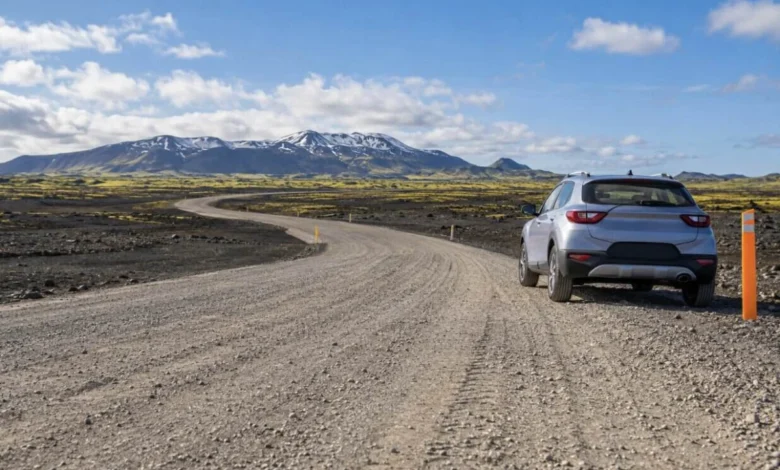
Unlike uniform asphalt surfaces, Icelandic gravel roads are dynamic environments subject to rapid deterioration. Surfaces can transition within mere miles from hard-packed, manageable earth to deeply rutted tracks filled with loose, sharp volcanic stones. These stones pose a severe threat to vehicle undercarriages, windshields, and tires, frequently resulting in punctures or flying-debris damage.
Furthermore, many rural roads feature pronounced "washboard" ridges—rhythmic ripples caused by vehicle tires shifting loose material at speed. These corrugations reduce tire traction, compromise braking efficiency, and induce severe mechanical vibrations that can loosen vehicle components or cause drivers to lose control if they travel too fast. Shoulders along these routes are frequently narrow, soft, or entirely absent, leaving virtually no margin for error should a driver drift off the centerline.

Environmental factors compound these physical road hazards. Dry summer conditions often produce dense plumes of choking dust, blinding motorists following too closely and hiding oncoming traffic around blind hill crests and sharp turns. Conversely, heavy rainfall quickly transforms the loose aggregate into slick, muddy hazards prone to hydroplaning and sliding.
Core Driving Techniques for Unpaved Terrain
Professional driving instructors and local authorities emphasize that mitigating the risks of gravel travel depends on specific behavioral adaptations. Speed management remains the single most critical factor. Stopping distances on loose gravel are significantly longer than on dry pavement, and aggressive braking almost invariably leads to skidding or a complete loss of steering control.
Motorists are advised to reduce their speed well below posted limits when approaching curves, blind summits, and intersections. Smooth inputs—avoiding sudden steering corrections, harsh accelerations, or abrupt braking—allow the vehicle’s tires to maintain maximum contact with the shifting aggregate. Keeping both hands firmly positioned on the steering wheel ensures that drivers can react instantly if the vehicle’s rear end begins to slide. Additionally, illuminating headlights during daylight hours is strongly recommended, ensuring that dust-obscured vehicles remain visible to oncoming traffic.

Weather Volatility and Environmental Challenges
Beyond surface conditions, Iceland’s notoriously volatile weather can instantly elevate a routine drive into a hazardous ordeal. The country’s open coastal plains and exposed interior plateaus are subject to violent windstorms capable of ripping vehicle doors off their hinges or pushing automobiles entirely across lanes of traffic.
Precipitation shifts rapidly from gentle rain to blinding snow or freezing mist, turning unpaved paths into treacherous sheets of ice without warning. Fog and low-hanging clouds regularly descend upon mountain passes, reducing visibility to near zero. Transportation analysts note that a significant percentage of tourist-related traffic accidents occur not due to mechanical failure, but because drivers fail to adapt their speed and travel plans to sudden meteorological deterioration. Emergency services frequently advise travelers to monitor the official Icelandic Meteorological Office website and road condition portals continuously, emphasizing that delaying a trip or pulling over safely is always preferable to risking passage through severe weather.
Vehicle Selection, Preparation, and Insurance Essentials
Selecting the appropriate rental vehicle is a foundational step for any Icelandic road trip. Standard two-wheel-drive city cars are generally unsuited for rough interior tracks, known locally as F-roads, which legally require four-wheel-drive vehicles capable of navigating steep inclines and unbridled river crossings. Attempting to drive an unauthorized vehicle on rough highland tracks can result in catastrophic mechanical failure, voided insurance agreements, and exorbitant towing fees.

Vehicle preparation extends to understanding emergency equipment. Drivers should verify the operational status of the vehicle’s spare tire, jack, and lug wrench before departing urban centers. Due to the sparse distribution of rural settlements, fuel planning is equally critical; letting a fuel tank drop below half capacity in remote regions can leave motorists stranded far from the nearest service station.
Insurance coverage represents one of the most complex and critical aspects of renting a car in Iceland. Standard third-party liability insurance is mandatory, but it typically excludes common hazards associated with unpaved terrain. Rental agencies universally offer specialized supplemental protections, including:
- Gravel Protection (GP): Covers damage to the windshield, headlights, and paintwork caused by stones kicked up by passing vehicles or the driver’s own tires.
- Sand and Ash Protection (SAAP): Protects against the astronomical repair costs associated with volcanic ash storms, which can strip vehicle paint down to the bare metal and etch glass surfaces within minutes.
- Collision Damage Waiver (CDW) and Super Collision Damage Waiver (SCDW): Reduces the renter’s financial liability in the event of an accident, though exclusions often apply to water damage from unbridled river crossings or undercarriage impacts.
Industry experts advise travelers to carefully review rental agreements and select comprehensive coverage packages tailored to their intended itineraries, noting that skipping optional gravel or ash insurance can result in out-of-pocket expenses running into thousands of dollars for minor, accidental damage.

Broader Economic and Safety Implications
The intersection of tourism, infrastructure, and vehicle safety has profound implications for Iceland’s economy and its emergency response network. Tourism serves as a primary pillar of the national economy, bringing in millions of visitors annually. However, the strain placed on rural infrastructure and emergency rescue services by unprepared drivers is a matter of ongoing public debate.
The Icelandic Association for Search and Rescue (ICE-SAR) frequently mobilizes volunteer teams to assist stranded or injured tourists who underestimated the severity of remote weather and road conditions. These operations consume substantial resources and put volunteer lives at risk. In response, municipal authorities, car rental associations, and tourism boards have ramped up educational campaigns, implementing mandatory safety videos at rental counters and deploying real-time digital warning systems across major transit routes.
Ultimately, while Iceland’s gravel roads offer an unrivaled gateway to untouched wilderness, they demand a high degree of respect, careful planning, and conservative driving habits. By prioritizing vehicle suitability, securing comprehensive insurance, and remaining vigilant against the dual threats of rough surfaces and rapid weather shifts, travelers can ensure that their journey through the land of fire and ice remains both safe and unforgettable.