How to Skip the Santorini Cable Car: A Better Start to Your Cruise Day – Travel Dudes

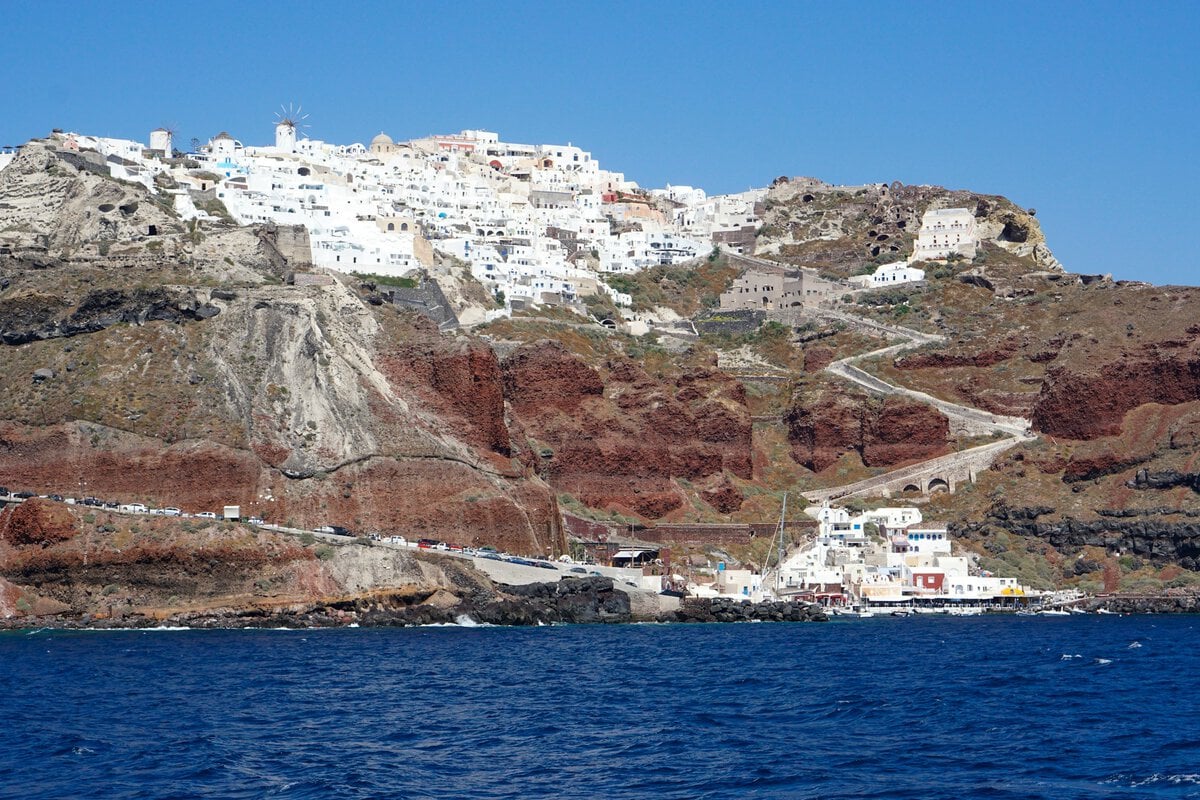
The logistics of a Santorini cruise arrival are unique. Because cruise ships cannot dock directly at the island’s main port due to the depth of the caldera, passengers are transported via tenders—smaller shuttle boats—to the Old Port, known locally as Skala. From this base, the only public transit options are a steep, winding path often navigated by donkeys or on foot, and the cable car, which ascends to the cliffside town of Fira. On days when multiple large cruise liners anchor in the bay, the cable car capacity is frequently overwhelmed. Data from local port authorities suggest that during peak summer months, wait times for the cable car can exceed 60 to 90 minutes, effectively consuming a substantial portion of a passenger’s limited time ashore.
A logistical alternative has emerged, facilitated by private operators such as iGoHellas, which utilizes the caldera’s geography to bypass the congestion. Instead of fighting the crowds for a ticket to Fira, passengers meet local guides at the Old Port and board a private vessel. This transfer carries them across the water to Ammoudi Bay, situated directly below the picturesque village of Oia. This method transforms the transition from a passive, frustrating wait into an active sightseeing excursion, providing a panoramic view of the volcanic cliffs that is inaccessible from the cable car’s narrow trajectory.
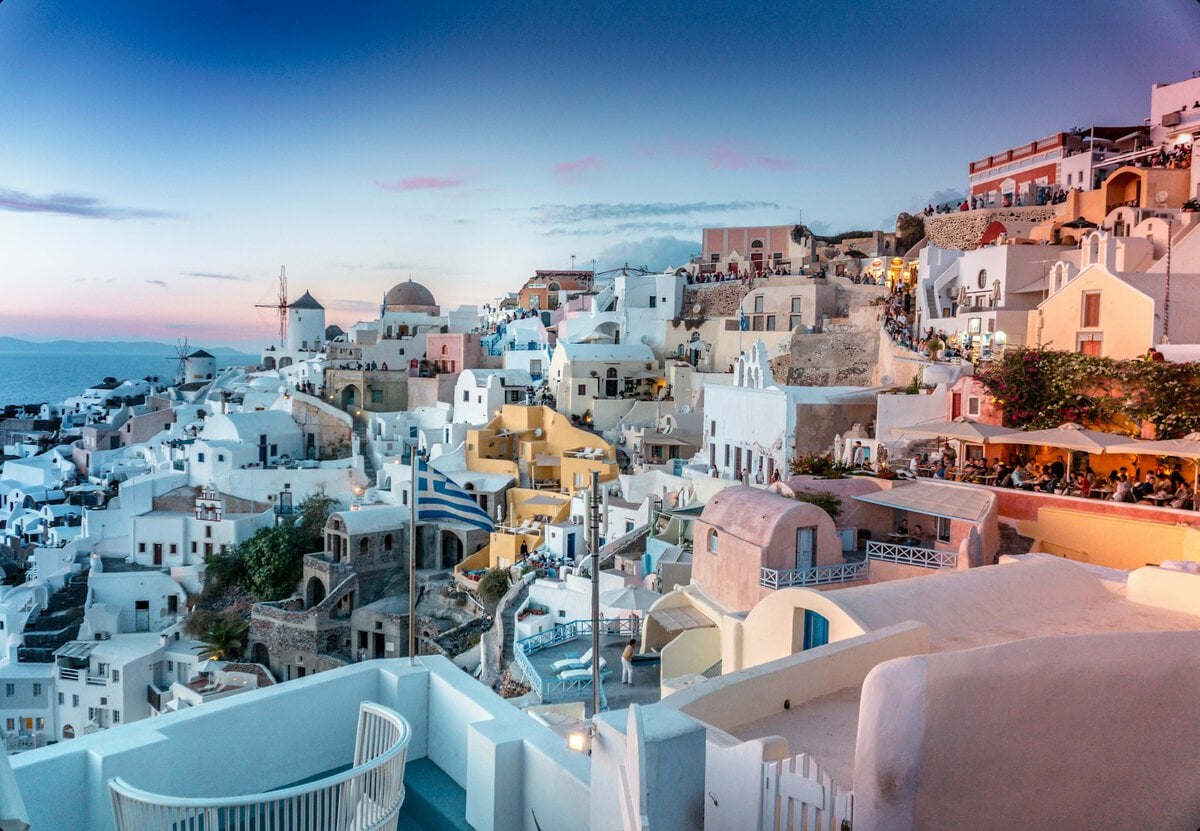
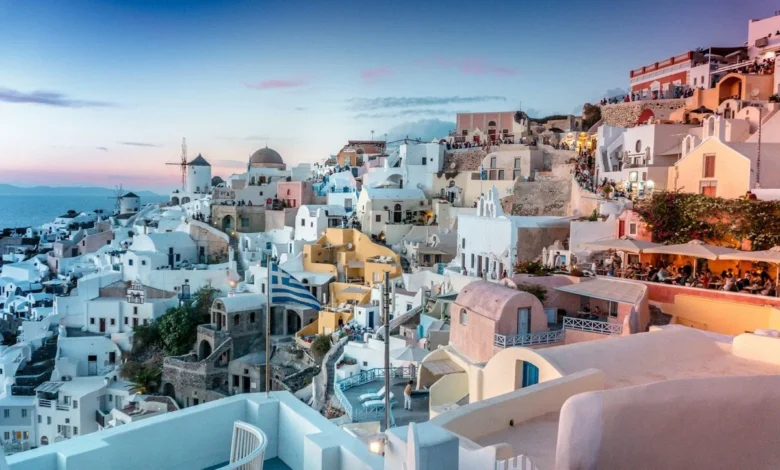
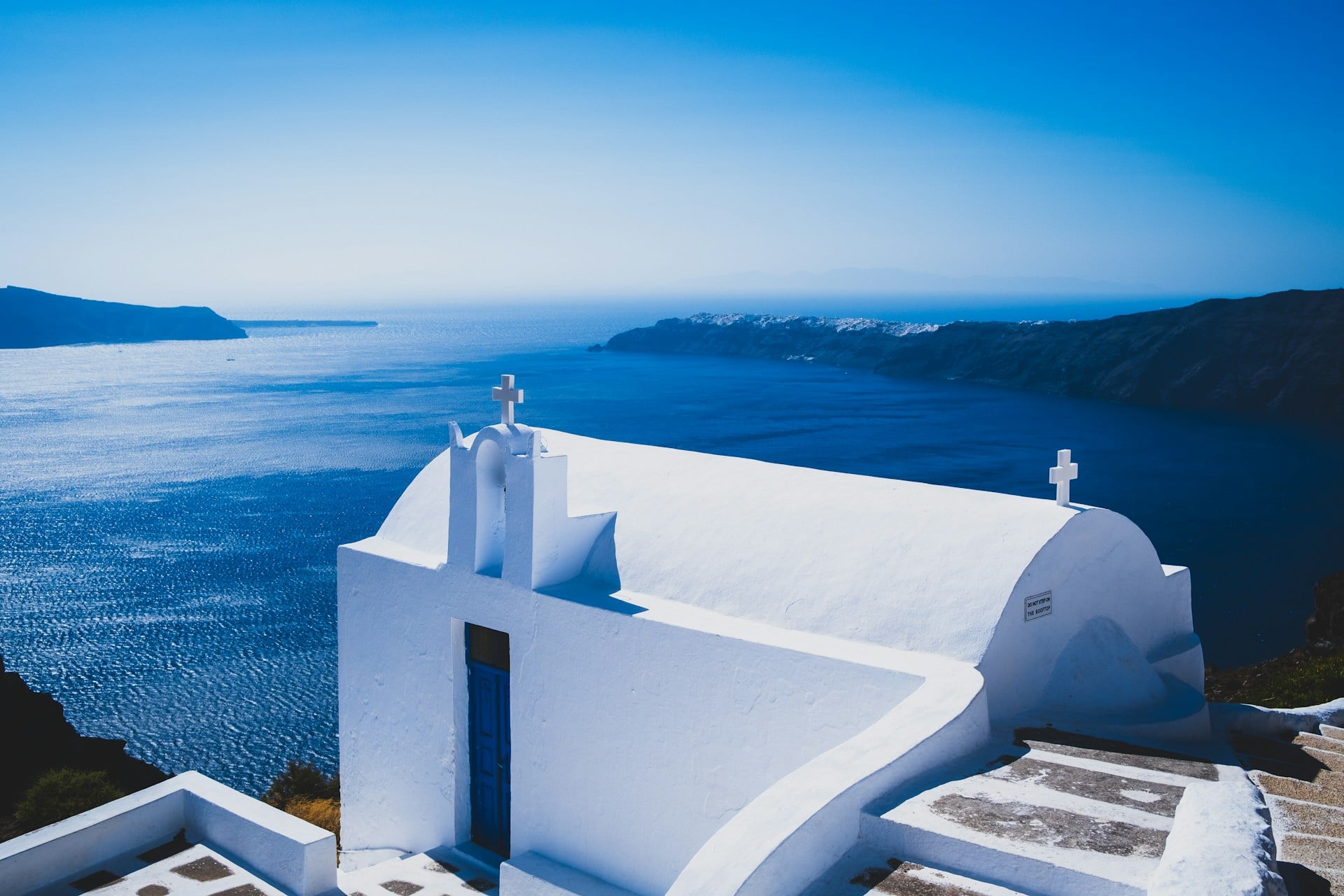
The logistical shift from Fira to Oia as a primary landing point is significant. By arriving at the northern tip of the island, travelers position themselves at the most photographed location in Greece during the early morning hours, effectively beating the surge of tourist traffic that typically flows from Fira toward Oia by bus later in the day. This strategic advantage allows for a more fluid tour experience, enabling visitors to explore the blue-domed churches and narrow pedestrian lanes of Oia before the midday heat and peak crowds intensify.
A 6-hour private sightseeing tour, structured to capitalize on this arrival method, offers a comprehensive itinerary that balances cultural immersion with efficient logistics. Following the arrival at Ammoudi Bay, the journey typically progresses to the village of Firostefani to view the famed Three Bells of Fira, followed by visits to the island’s highest point, Profitis Ilias, which provides a 360-degree vantage of the Aegean. The itinerary often extends to the traditional villages of Megalochori and Emporeio—settlements that offer a deeper, more authentic glimpse into pre-tourism Santorini architecture—before concluding at the unique volcanic sands of the island’s Black Beach.
The economic and temporal implications of these private tours are noteworthy. For the cruise industry, which relies on high-volume passenger satisfaction, the ability to mitigate the "bottleneck" at the Old Port is critical. Independent tour operators argue that by dispersing crowds from the immediate vicinity of the cable car, they alleviate pressure on local infrastructure. Furthermore, the flexibility afforded by private arrangements allows for a "fluid" schedule, which is essential for cruise passengers operating under strict departure deadlines. Unlike fixed-departure bus tours that are beholden to group arrivals, a private guide can adjust the itinerary based on the real-time flow of tourists at major landmarks.
Critics of the current port infrastructure, including local residents and business owners in Fira, have long pointed to the inherent flaws in the single-access point system. The reliance on the cable car has historically meant that if a mechanical failure occurs or if the wind conditions—common in the Cyclades—hinder boat traffic, the entire visitor economy of the island can grind to a halt. While local authorities have discussed various infrastructure upgrades, including potential road expansions or improved tendering systems, these projects are often complicated by the protected status of the caldera and the environmental sensitivity of the cliffside. In the absence of large-scale government intervention, the market has responded with decentralized, private solutions.
The chronological flow of a typical cruise day on Santorini is usually dictated by the ship’s arrival at 8:00 AM and departure by 6:00 PM. By opting for a private boat transfer, a traveler can be off the ship and in the heart of Oia by 9:00 AM, whereas those waiting for the cable car may not reach the caldera rim until 10:30 AM or later. This 90-minute difference is substantial, as it allows for an extra, unhurried stop at a local winery, such as Art Space, or a more extended exploration of the archaeological remains in the southern part of the island.
From a health and safety perspective, the reliance on the cable car during the high season has also raised concerns regarding passenger comfort. The lack of shade and cooling infrastructure in the queueing areas of the Old Port can lead to dehydration and fatigue, particularly for elderly passengers or those with mobility issues. The boat-transfer model offers a more temperate environment, as the journey across the caldera provides natural ventilation and a more relaxed seating arrangement compared to the confined, vertical ascent of the cable car.
However, the cost-benefit analysis of such an arrangement is a primary consideration for the average traveler. While the cable car is an inexpensive, government-regulated transit option, private boat transfers represent a premium investment. For families or small groups, the cost-per-person is higher, yet many argue that the "time value" of a day in port—often limited to less than eight hours—justifies the expenditure. The opportunity cost of standing in a queue for over an hour is effectively the loss of one major cultural site or experience.
In terms of broader impact, the shift toward private, specialized transport mirrors a wider trend in the European cruise industry: the move away from large, "cattle-drive" group excursions toward boutique, personalized shore experiences. This trend is not merely about comfort; it is a direct response to the phenomenon of "over-tourism" in historic sites. By bypassing the central hubs of congestion, visitors can enjoy a more sustainable interaction with the local environment, reducing the density of foot traffic in the most fragile sectors of Fira and Oia.
Ultimately, the choice to skip the cable car is an exercise in time management. The data remains clear: while the cable car is sufficient for off-peak travel, it is insufficient for the modern reality of mega-cruise ship tourism. Passengers arriving on vessels carrying 3,000 to 5,000 guests must acknowledge that the traditional arrival infrastructure is no longer the most efficient path. Whether through private boat charters or pre-booked, specialized shore excursions, the key to a successful day in Santorini lies in circumventing the bottlenecks that have become the defining—and often frustrating—characteristic of the island’s modern maritime entry point. As the cruise industry continues to evolve, the demand for such customized, efficient, and direct-access logistics will likely continue to grow, setting a new standard for how travelers interact with one of the world’s most sought-after destinations.