The Setting and the Challenge
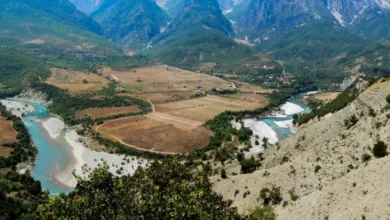
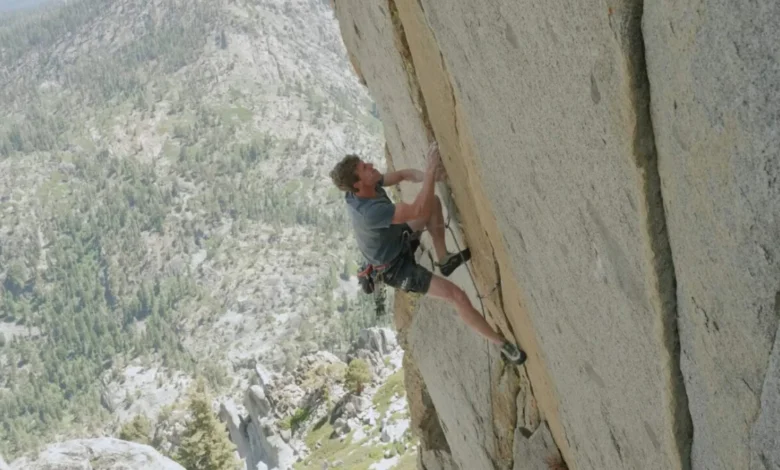
The expedition takes place in an isolated, high-altitude region of the Sierra Nevada, characterized by difficult access and obscure rock formations. Honnold, known for his methodical approach to the world’s most dangerous cliffs, identifies a previously unclimbed or rarely visited crag—a feature he refers to with characteristic nonchalance as “the east face of the whatever.”
The route, later identified in the film as the "East Face of the Plectrum," is graded at 5.13b. In the Yosemite Decimal System, a 5.13b rating indicates a route of significant difficulty, requiring exceptional finger strength, precise footwork, and a high degree of mental fortitude. The path to the crag itself involves strenuous bushwhacking, underscoring the reality that high-end climbing is often as much about physical endurance in the approach as it is about the actual ascent.
Chronology of the Expedition
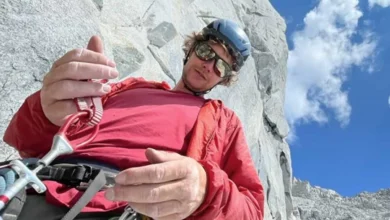
The film documents the day in a linear fashion, beginning with the difficult trek to the base of the formation. Upon arrival, the group wastes no time in assessing the rock face. Honnold takes the lead, demonstrating a fluid, almost rhythmic climbing style that observers often liken to an arachnid’s movement—an observation that draws parallels to Bram Stoker’s descriptions of Dracula’s movements.
As Honnold navigates the line, he provides a technical breakdown of the challenges ahead, noting the “10 moves of extreme pain” required to reach a crucial hold. The finger holds on the East Face of the Plectrum are notably sharp, demanding high skin durability and precise grip.
Following Honnold’s initial ascent, the dynamic shifts to a collaborative effort. Nik Berry takes the first attempt at following the line, encountering the same technical hurdles that Honnold navigated with apparent ease. Carlo Traversi, serving as both climber and director, captures the process from multiple angles, providing the audience with an intimate perspective on the strain and satisfaction of a successful send. The film concludes with a display of spontaneity: after the main objective is completed, Honnold decides to free solo a nearby 5.9 route, the “All-American Finger Crack,” highlighting his perpetual drive for movement and engagement with the rock.
Technical Context and Climbing Standards
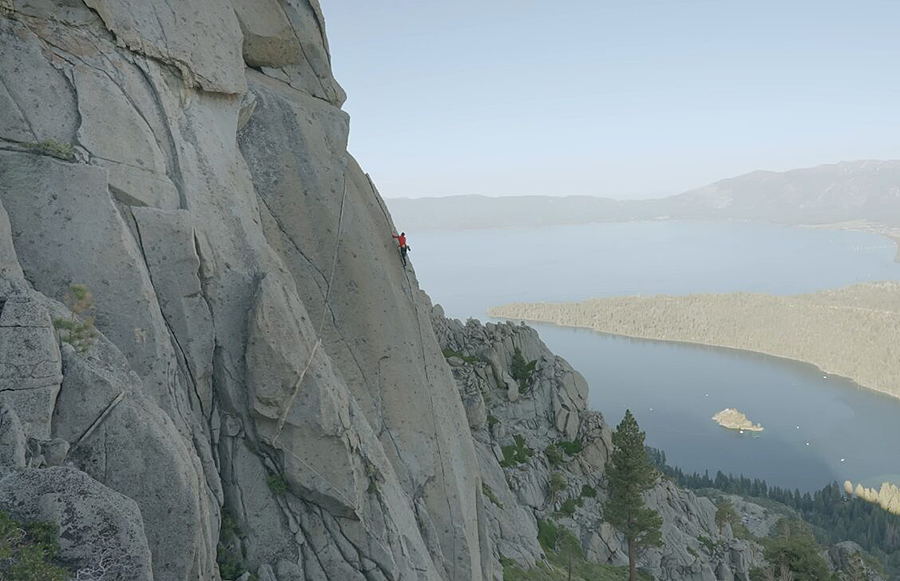
To understand the significance of this excursion, one must consider the environment of Lake Tahoe’s climbing scene. The region is a hotbed for both granite slab climbing and high-quality cracks, yet it remains home to many undocumented or "project" lines that have not seen extensive traffic.
The inclusion of a 5.13b route in a short film is a deliberate choice to highlight the technical ceiling of modern trad climbing. While Honnold is globally recognized for his unroped ascents of massive big walls—most notably the 3,000-foot El Capitan in Yosemite—the documentary emphasizes that his skill set is equally applicable to smaller, high-intensity technical lines. The use of gear, while standard for this type of climbing, adds a layer of complexity that distinguishes this project from his signature free soloing work.
Analysis of Group Dynamics
A notable element of Next Go For Sure is the absence of a traditional hierarchy. Despite Honnold’s global fame and status as an icon in the extreme sports industry, the interactions between him, Traversi, and Berry remain grounded in professional mutual respect.
The film reveals a collaborative environment where critique and encouragement flow in both directions. When Honnold notes his difficulty in reaching a hold while encumbered by climbing gear—a piece of equipment essential for protection but a hindrance to pure movement—he is met with active feedback from his peers. This serves as a reminder that even at the highest levels of the sport, climbing remains a fundamentally social endeavor. The lack of a “teacher-student” dynamic highlights the maturity of the current generation of professional climbers, who prioritize the shared experience of the project over individual ego.
Broader Implications and Industry Impact
The release of this documentary by Black Diamond is part of a larger trend in outdoor media: the move toward shorter, more authentic, and less polished content. By showing the “unpleasant” side of the sport—the bushwhacking, the shredded fingers, and the confusing route names—the production provides a realistic look at the climbing lifestyle.
The naming of the route, "East Face of the Plectrum," has sparked minor discourse within the community regarding the evolution of route nomenclature. As climbing becomes more accessible, the tradition of naming new routes has shifted from the stoic, descriptive names of the mid-20th century to more irreverent or pun-heavy titles. While this is often viewed as a lighthearted evolution, it underscores the need for a more standardized approach to record-keeping in climbing to ensure that new participants can navigate the history and geography of these areas effectively.
Cultural Significance
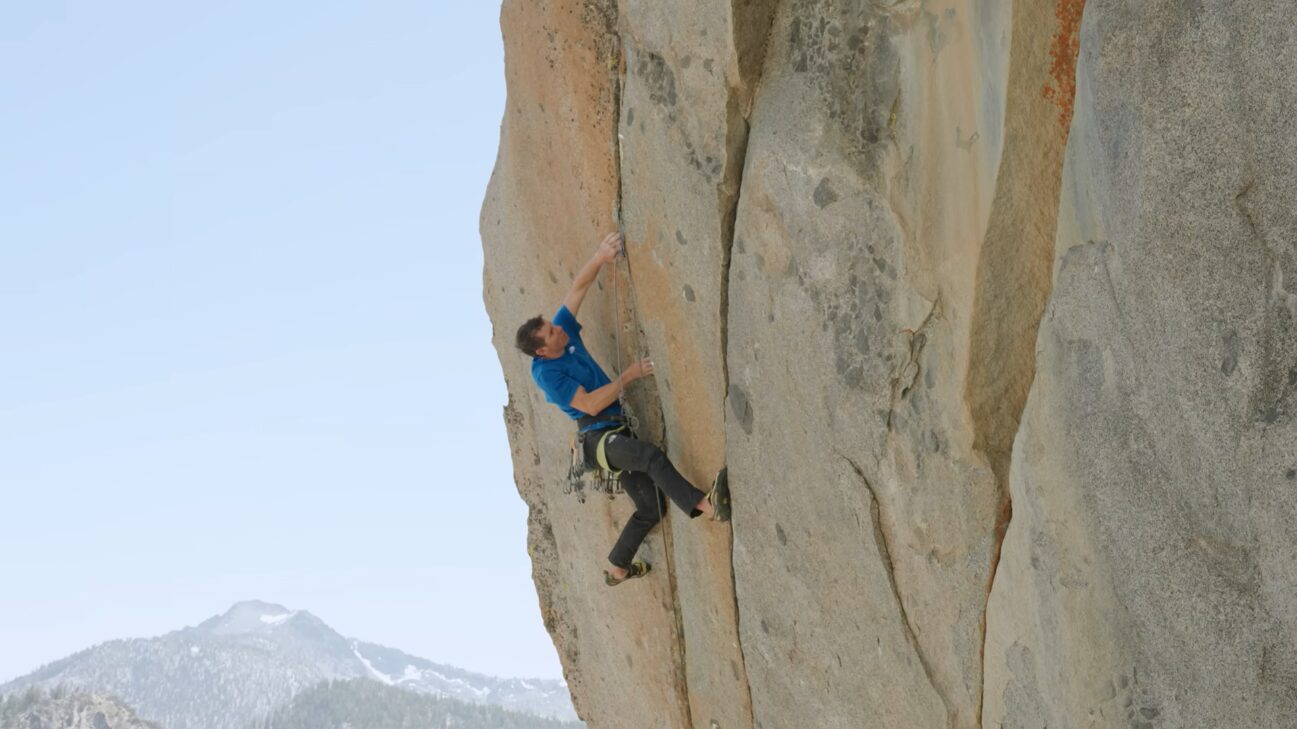
Alex Honnold’s transition from a solitary figure focused on monumental, high-risk soloing to a collaborator in technical, short-form content projects reflects the broader maturation of the professional climbing industry. The sport has moved from the fringes of counter-culture into the mainstream consciousness, thanks in part to the 2018 Academy Award-winning documentary Free Solo.
Next Go For Sure allows the audience to see Honnold in his element—not necessarily in the life-or-death scenarios that define his most famous feats, but in the everyday pursuit of difficult movement. This "weekend warrior" aesthetic, even when performed by professionals, serves to humanize the sport. It reinforces the idea that climbing is not merely about reaching a summit or conquering a mountain, but about the tactical problem-solving and the physical endurance required to master a specific sequence of rock.
Conclusion
As the climbing community continues to grow, documentation of these sessions serves an archival purpose. Each "send," or successful climb of a route, adds a data point to the collective knowledge of the area. The film successfully demonstrates that even within the shadow of a legendary climber, the core appeal of the sport remains unchanged: the challenge of the line, the pain of the hold, and the joy of the summit.
The documentary provides a succinct, high-quality look at the reality of modern climbing. For those interested in the technical aspects of the sport, it offers a glimpse into the physical cost of excellence. For those interested in the culture, it provides a rare, unscripted look at how top-tier athletes interact with one another in the field. By stripping away the high-production spectacle of feature-length films, Next Go For Sure provides a raw, honest window into the world of professional climbing, confirming that the passion for the rock remains the primary driver for athletes like Honnold, Traversi, and Berry.