Beyond the Mist: Unveiling Uganda’s Diverse Ecosystems, Conservation Triumphs, and Deep-Rooted Heritage

Uganda is internationally celebrated as a premier destination for mountain gorilla tracking, yet this landlocked East African nation encompasses an extraordinary spectrum of biodiversity and cultural landscapes far beyond its mist-shrouded rainforests. From the thunderous currents of Murchison Falls and the isolated chimpanzee populations of Kyambura Gorge to the remote wilderness of Kidepo National Park and the ancestral heritage of Bwindi’s Batwa community, the country offers a complex tapestry of wildlife preservation, community-based tourism, and historical resonance.
Natural Splendor and Historical Echoes at Murchison Falls
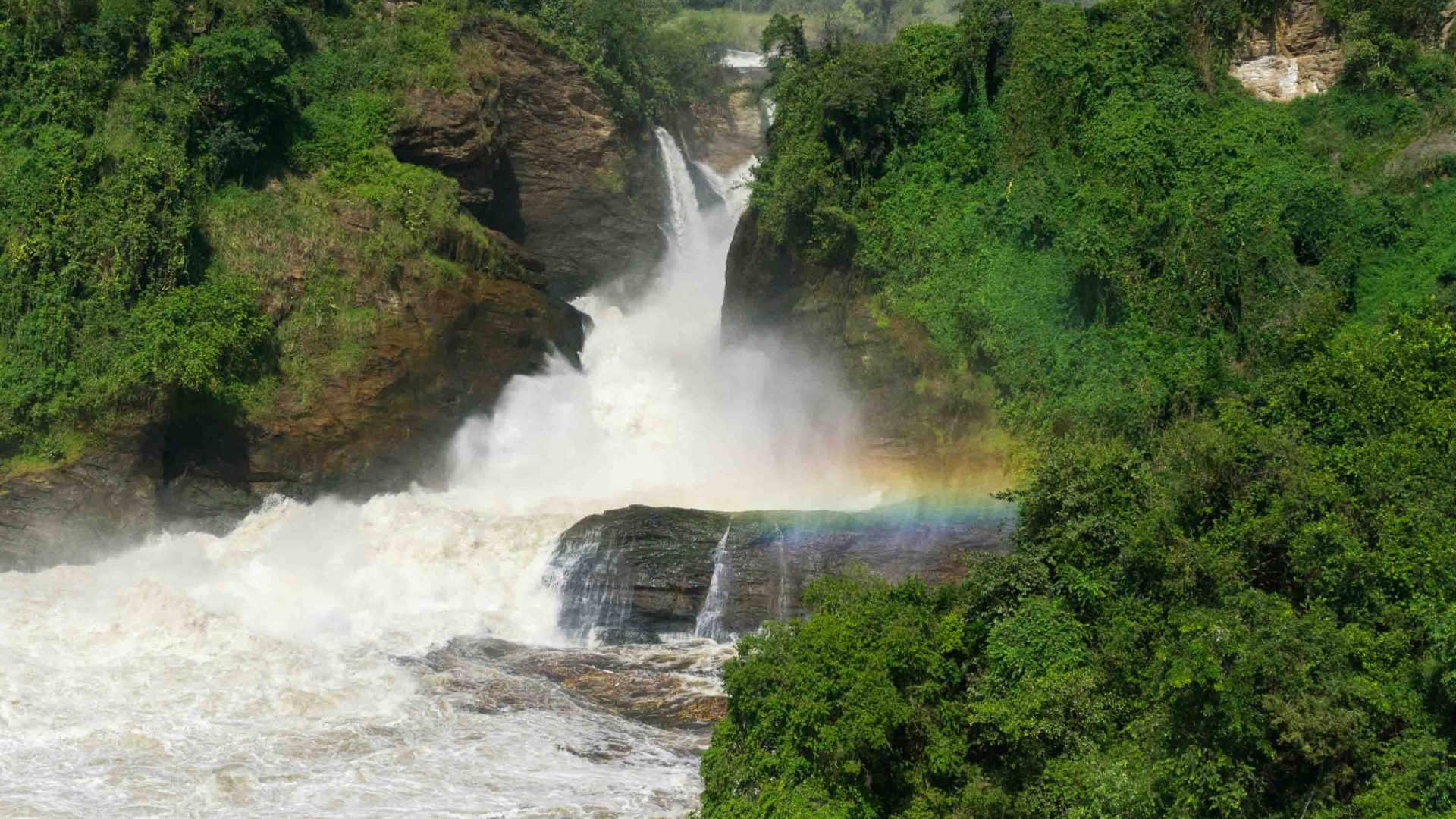
In the northwest of the country, Murchison Falls National Park serves as Uganda’s largest conservation area. At its heart, the Nile River forces approximately 80,000 gallons (roughly 300,000 liters) of water through a narrow chasm measuring just six to seven meters wide before plunging down a dramatic drop. While neither the highest nor the widest waterfall globally, Murchison Falls stands as one of the most powerful geographical forces on the planet.
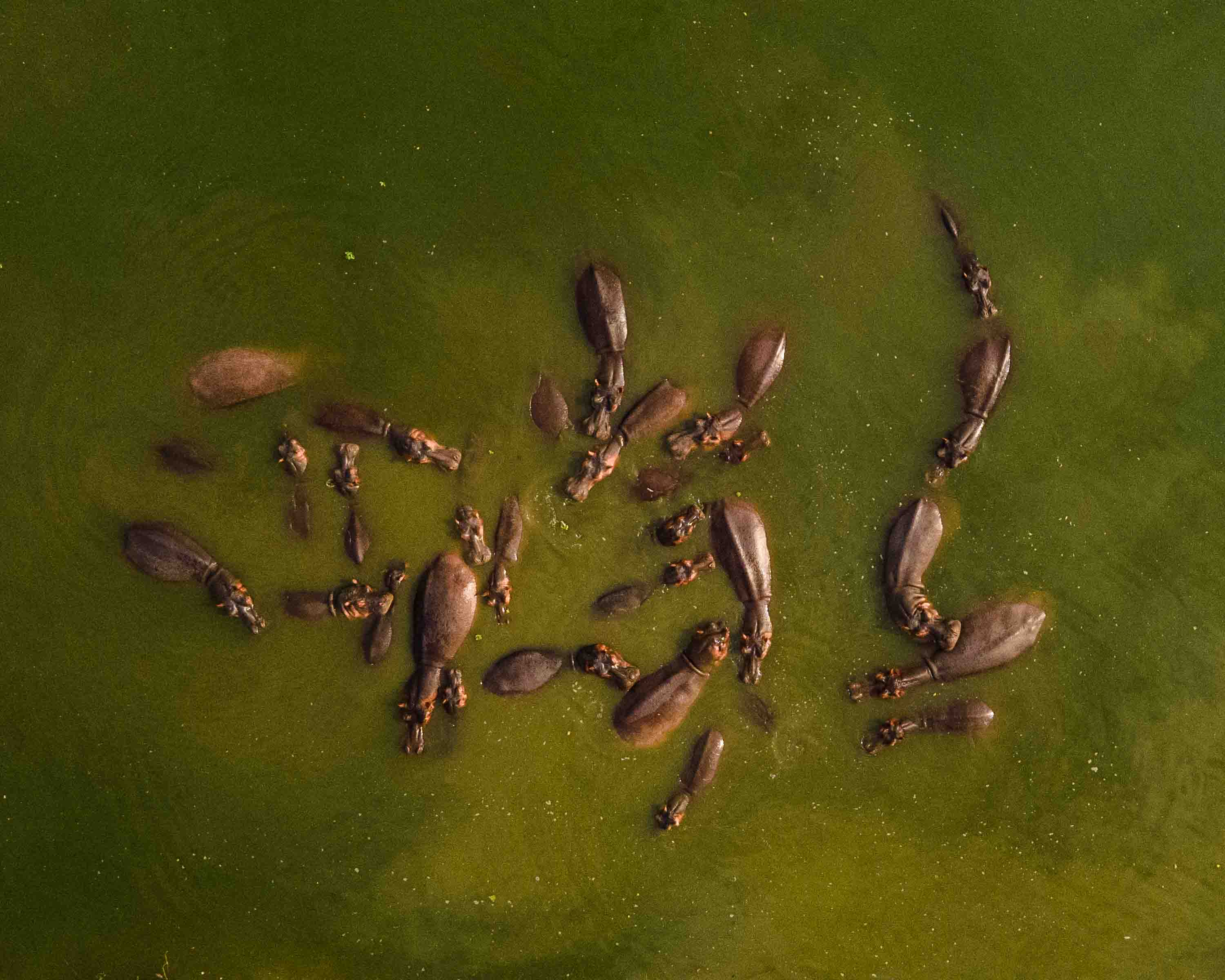
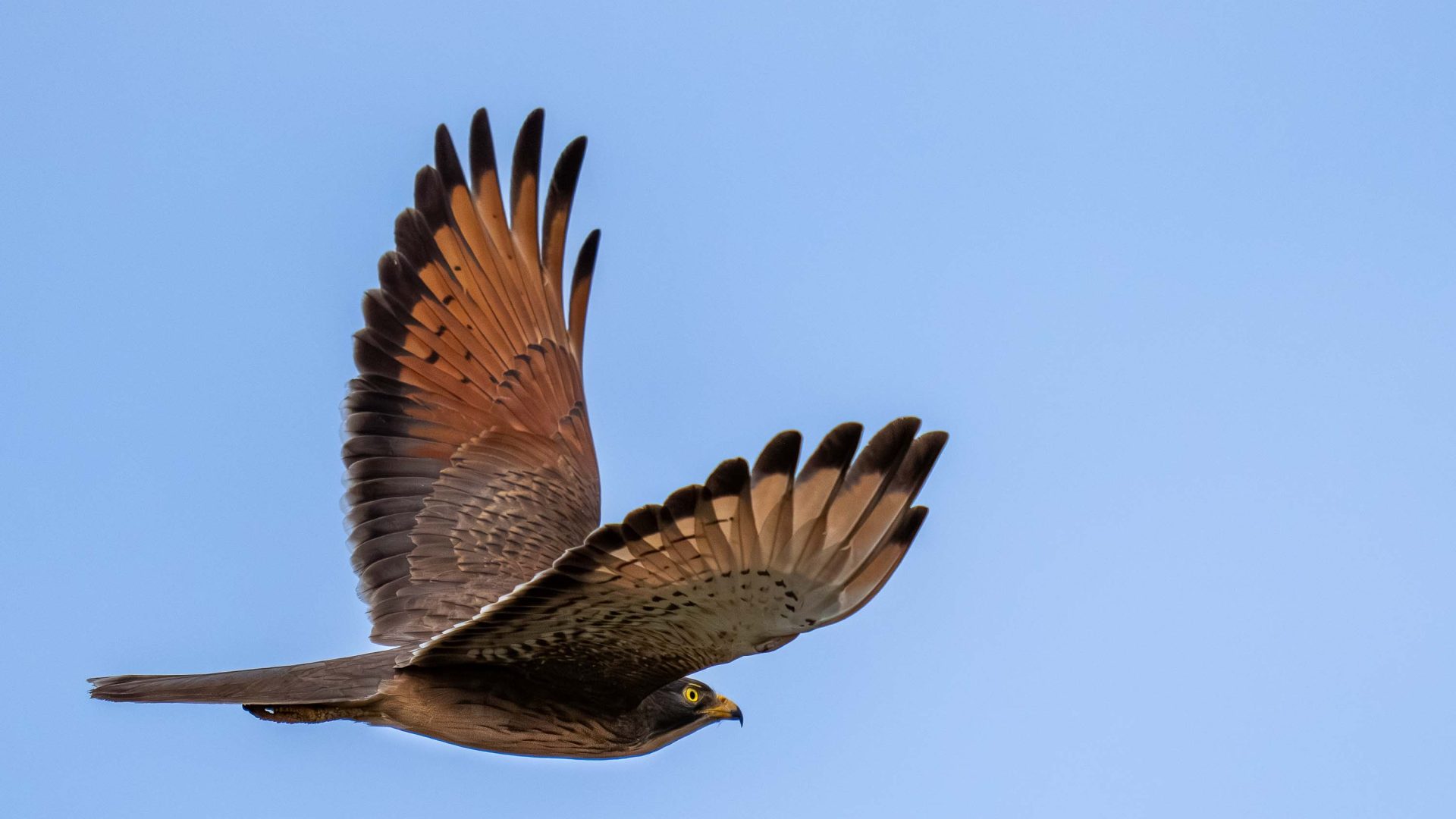
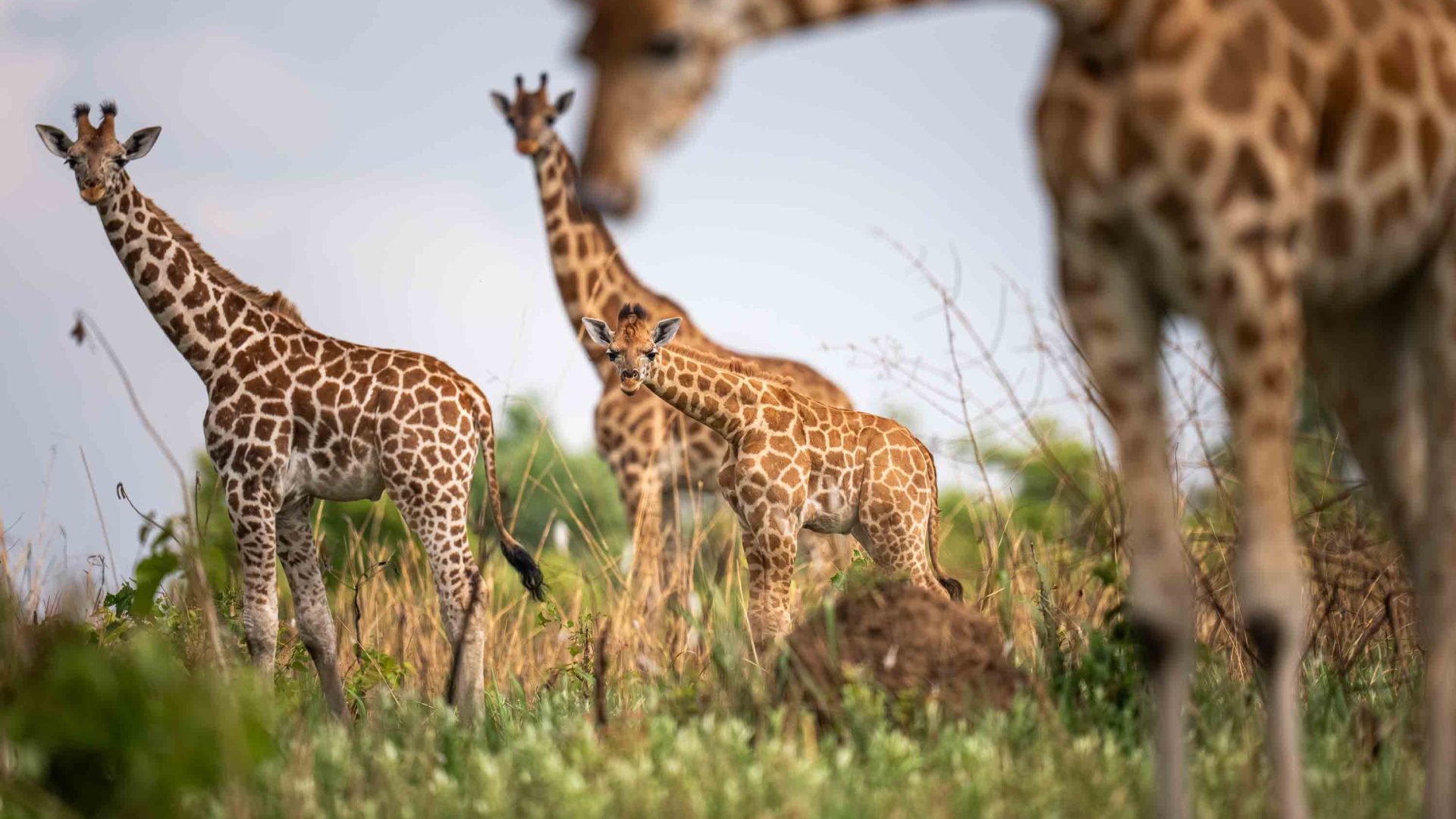
Originally gazetted as a game reserve in 1926 and formally established as a national park in 1952, the protected area spans diverse ecosystems that support an estimated 144 mammal species, 556 bird species, 51 reptiles, and 51 amphibians. Alongside elephants, buffaloes, hippos, and leopards, the park hosts the rare shoebill stork in the Lake Albert Delta and unique populations of Nile lions.

For many travelers, particularly those of the Ugandan-Asian diaspora, the region carries profound historical weight. During the British colonial administration, many Asian families were brought to the protectorate to assist with infrastructure and governance, followed by decades of subsequent migration for economic opportunities. Communities established deep roots in the region until the sweeping Ugandan Asian expulsion of 1972 under dictator Idi Amin. Decades later, descendants of these families return not merely as tourists, but to reconnect with ancestral memories woven into the nation’s geography.
Low-Impact Tourism and Modern Safari Conservation
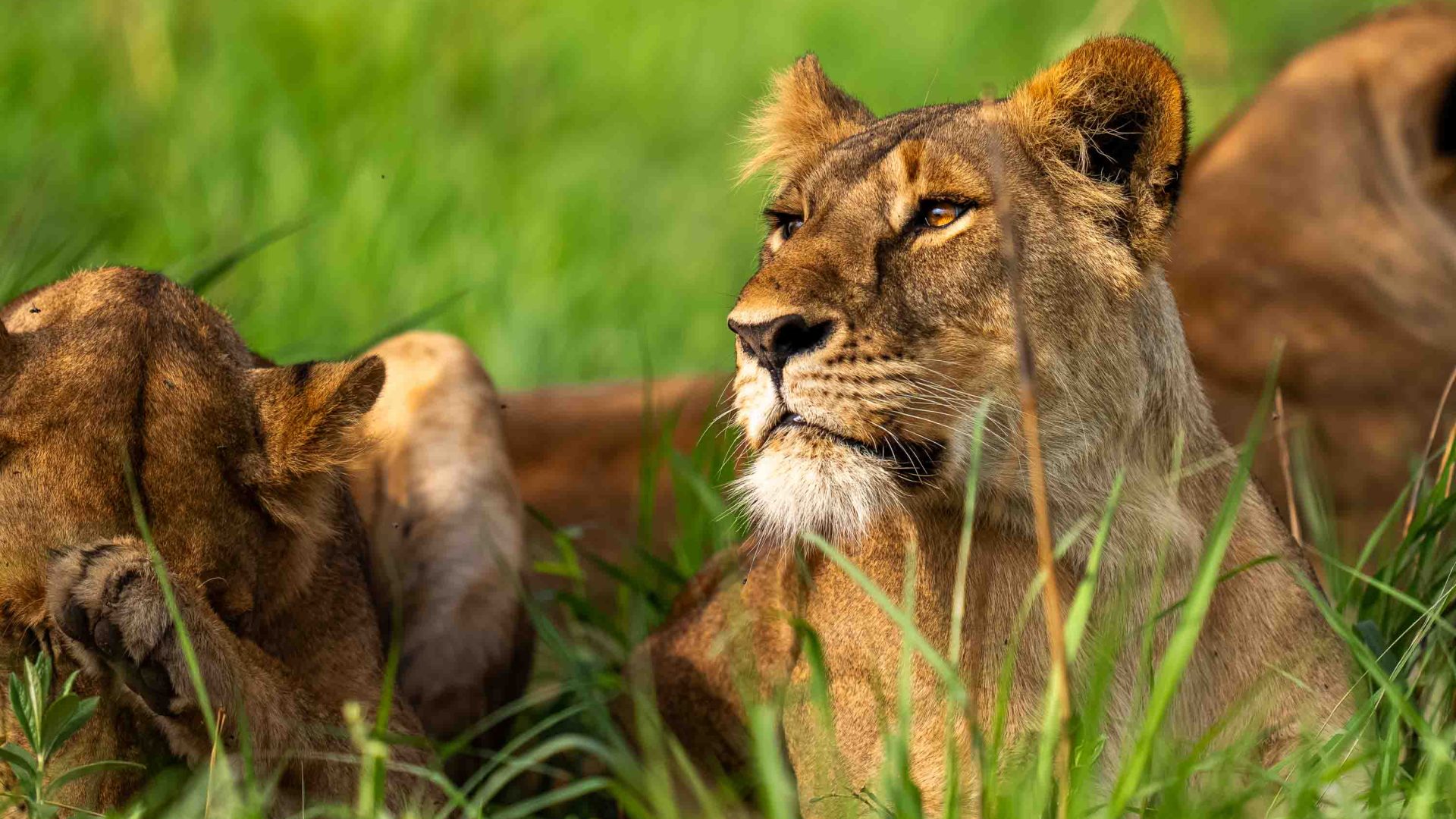
In recent years, the management of Murchison Falls National Park has evolved to incorporate specialized low-impact zones designed to mitigate the environmental pressures of vehicular traffic and high visitor densities. Located approximately 16 miles upstream from the main falls, a newly created 75,000-hectare concession encompasses the Kisangani Plains, providing a protected sanctuary for lion prides and other savannah wildlife.
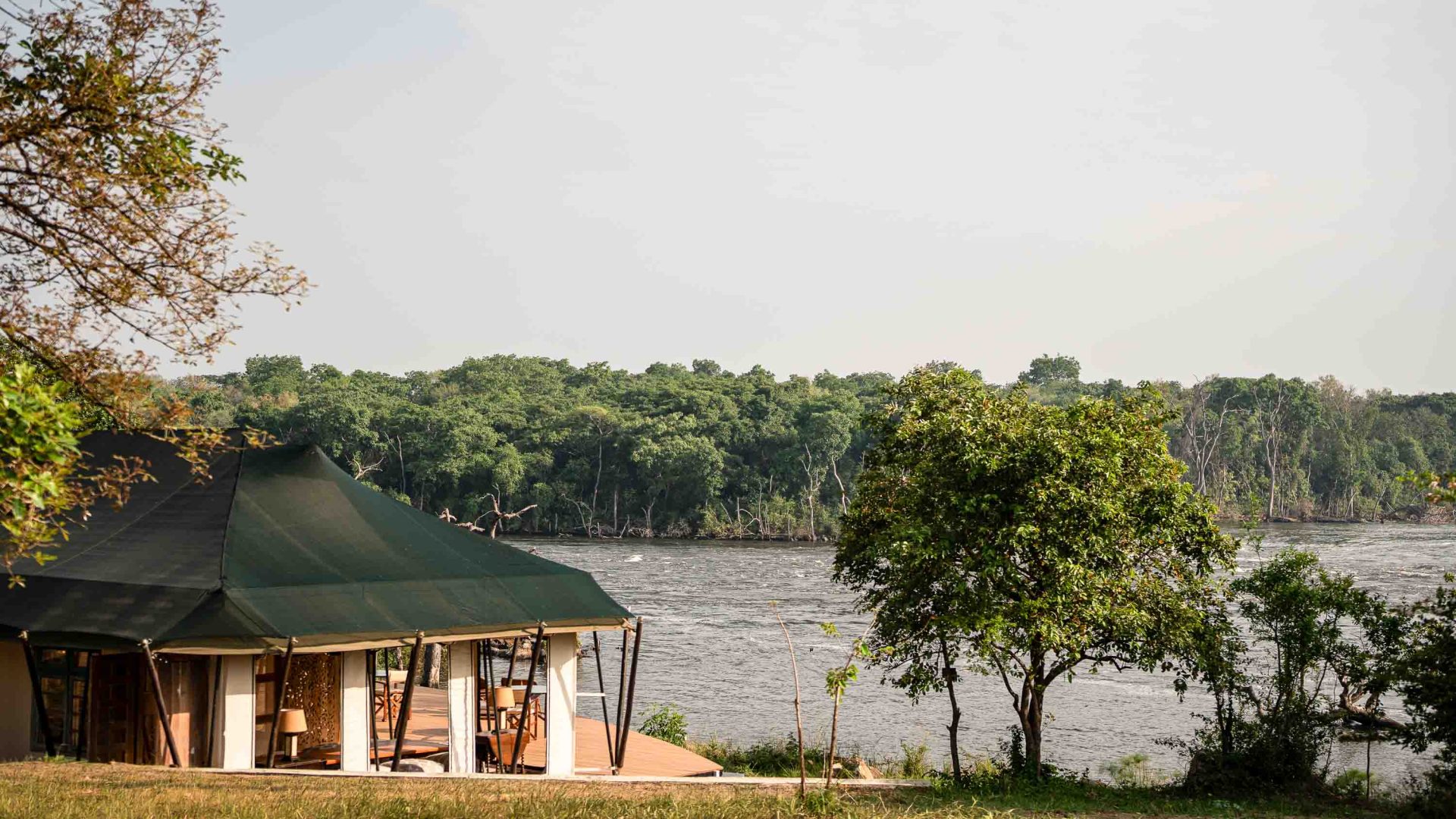
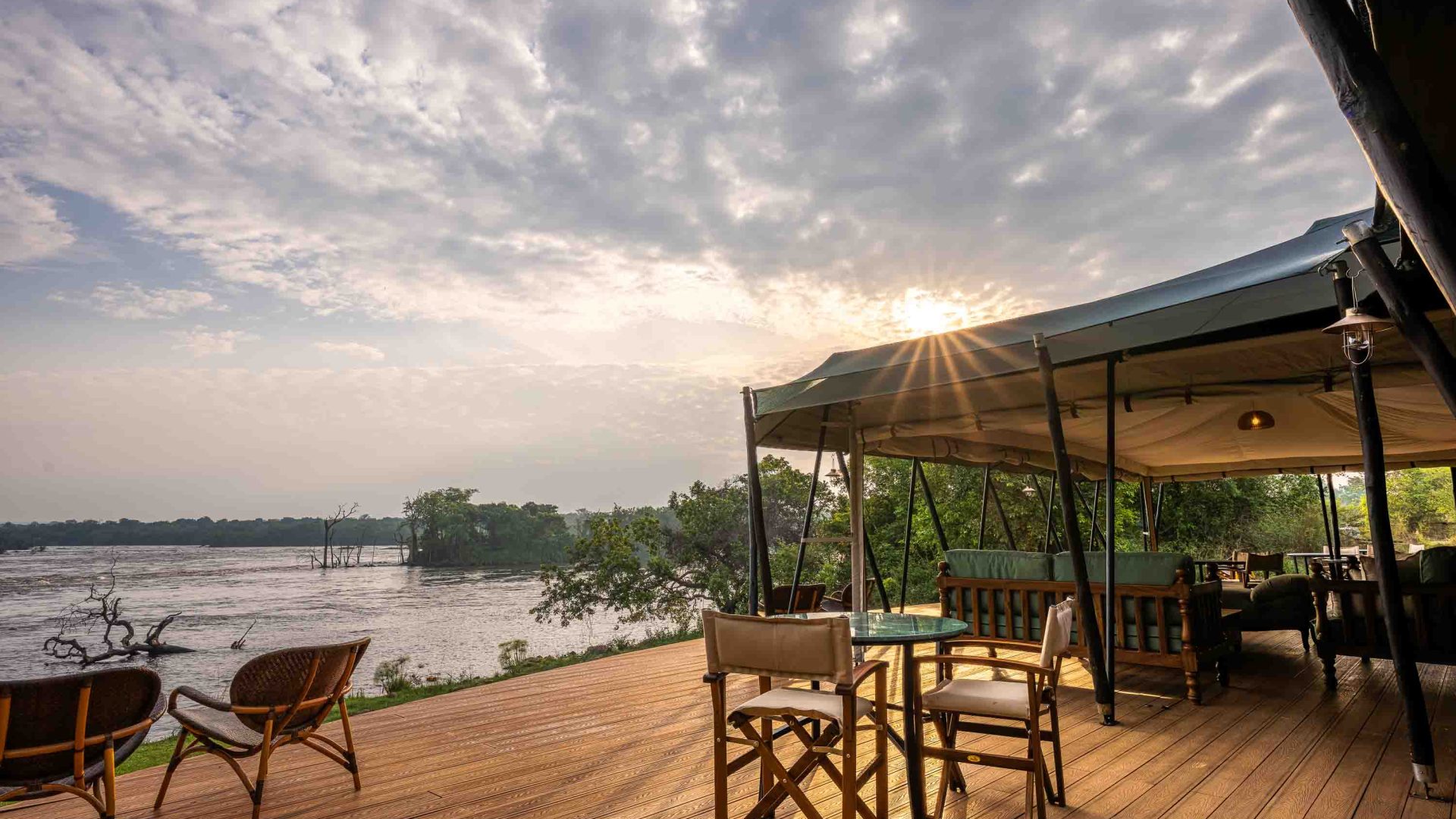
Accommodation infrastructure within this zone has prioritized sustainable design. Properties such as the newly opened Kulu Ora lodge, developed by the all-Ugandan portfolio Wild Places Africa, utilize local materials and labor, featuring canvas-walled suites and elevated decking that minimizes ground disturbance. Founded by Jonathan and Pamela Wright—who themselves fled Uganda in 1972 during the Amin regime and returned in the 1990s—the company integrates environmental stewardship directly into commercial operations. A mandatory conservation levy per guest automatically flows to the Wild Places Conservation Foundation, funding anti-poaching initiatives, ranger outposts, and community water infrastructure, such as boreholes for the semi-nomadic Karamoja cattle herders in the north.
Gastronomy within the safari sector is similarly undergoing a sustainability-driven transformation. Modern lodges increasingly emphasize Afro-fusion cuisine utilizing locally sourced, low-waste ingredients. Head chefs and culinary consultants collaborate to incorporate produce harvested directly from on-site organic gardens, minimizing supply chains and supporting regional agricultural networks.
Expanding Horizons: Kidepo Valley and the Greater Big Five
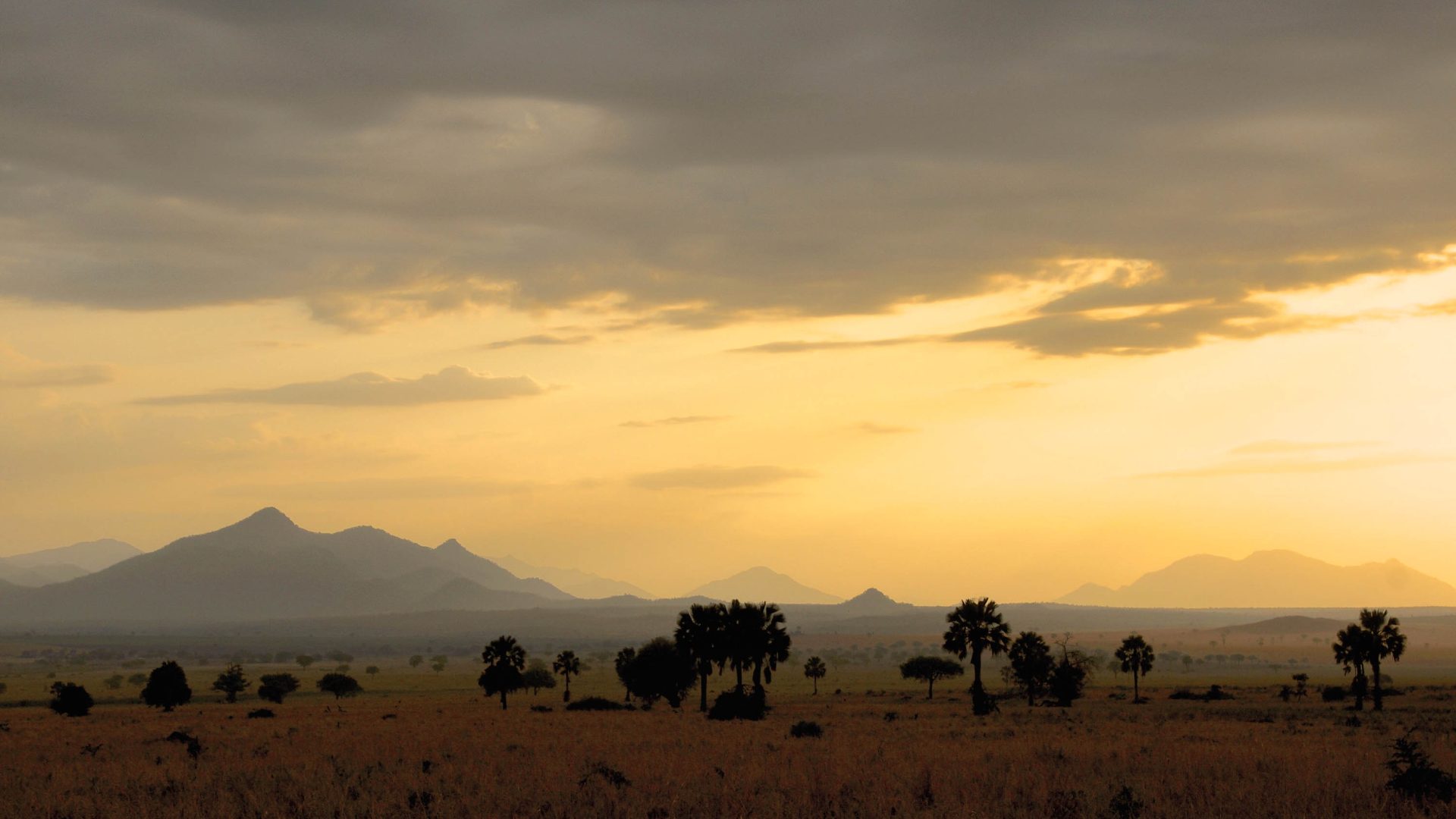
While Uganda does not currently feature a traditional "Big Five" national park, strategic conservation efforts are actively reshaping the country’s wildlife portfolio. In northern Uganda, Kidepo Valley National Park—widely recognized as the nation’s most remote conservation area—harbors four of the traditional Big Five alongside cheetahs, making it unique within the country’s national park system.
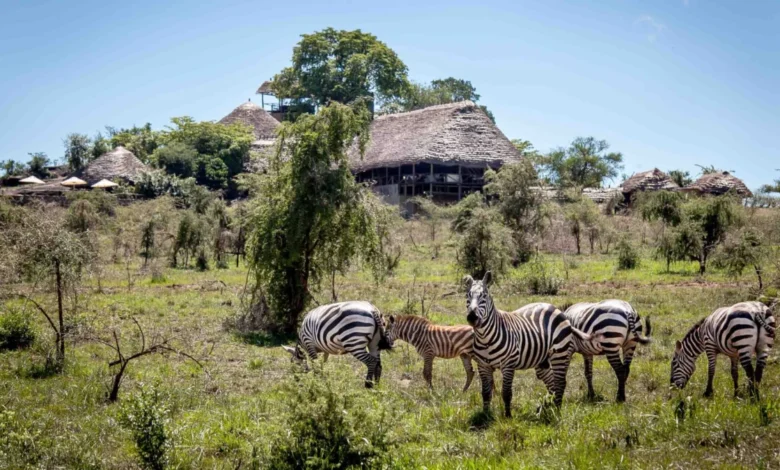
Recent conservation milestones include the translocation of rhinoceros to a secure, private enclosure within Kidepo Valley National Park. Wildlife authorities and conservationists view this reintroduction as a transformative step toward restoring complete apex fauna distributions, potentially elevating the park’s status in international ecotourism markets in the coming years. Apoka Safari Lodge, situated on a rocky outcrop overlooking the Narus Valley, remains the primary full-service facility within the park, offering panoramic vistas where vast herds of antelopes, zebras, and elephants congregate around natural watering holes.
Primate Conservation: Kyambura Gorge and Bwindi Impenetrable National Park
Uganda’s reputation as the primate capital of the world is anchored by the presence of 20 distinct primate species, most notably chimpanzees and mountain gorillas. In the northwestern sector of Queen Elizabeth National Park, Kyambura Gorge presents a striking geographical anomaly: a 328-foot (100-meter) deep subterranean forest carved into the savannah.
The gorge supports an isolated, resident population of approximately 32 chimpanzees, colloquially referred to as the "lost chimps of Kyambura." Split into eight family groups, these primates exhibit complex social structures, including democratic consensus in alpha selection and supportive hierarchy roles for former leaders. Guided tracking programs here, led by experienced local rangers such as Judith Nyamihanda, provide educational insights while generating revenue essential for habitat preservation.
Further south, Bwindi Impenetrable National Park represents a monumental success story in global conservation. In the early 1980s, the global population of mountain gorillas hovered around 400 individuals. Through decades of rigorous primatological research, stringent community-based tourism frameworks, and dedicated anti-poaching patrols, the population has rebounded to over 1,000. Consequently, the International Union for Conservation of Nature (IUCN) reclassified mountain gorillas from "critically endangered" to "endangered" in 2018.
Operating from high-altitude bases such as Clouds Mountain Gorilla Lodge in the Nkuringo Sector, visitors trek through dense foliage to observe habituated groups, such as the 17-member Posho family. Tourism permit fees serve as the primary financial engine for gorilla conservation and habitat expansion, directly linking economic incentives to the survival of the species.
Indigenous Rights and Socioeconomic Integration
The evolution of Ugandan conservation has also necessitated a profound reckoning with human rights, land tenure, and indigenous displacement. When Bwindi Impenetrable National Park was formally gazetted in 1991, the indigenous Batwa—a community of nomadic hunter-gatherers who had inhabited the forest for generations—were forcibly evicted. Deprived of their ancestral lands, the Batwa faced severe marginalization, systemic discrimination, and a lack of formal housing, education, and employment opportunities.
In response, private conservation entities, community trusts, and non-governmental organizations have worked to integrate the Batwa into the regional tourism economy. Initiatives such as the Batwa cultural heritage experiences allow community members to preserve and transmit traditional knowledge regarding medicinal flora, sustainable hunting techniques, and forest stewardship. Furthermore, community-owned models, such as the Nkuringo Conservation Development Foundation’s ownership stake in Clouds Mountain Gorilla Lodge, ensure that tourism revenues directly fund local schools, healthcare infrastructure, and community development grants.
Economic Implications and Future Outlook
The broader economic and geopolitical implications of Uganda’s tourism strategy point toward sustainable, high-value, low-volume growth. By diversifying offerings beyond traditional gorilla tracking to include remote savannah reserves, specialized birdwatching, and immersive cultural interactions, the country is mitigating the economic vulnerabilities associated with single-attraction dependency.
Improved regional air connectivity—including direct routes operated by Uganda Airlines between London Gatwick and Entebbe International Airport, alongside major African and Middle Eastern transit hubs—has streamlined international access. Travel industry analysts note that as global demand for responsible, low-emission tourism accelerates, Uganda’s emphasis on community-integrated conservation models positions the nation advantageously within the competitive African safari market.
Ultimately, Uganda’s capacity to balance ecological preservation with socio-economic empowerment serves as a critical case study in modern conservation management. By fostering local agency, protecting fragile habitats, and honoring historical narratives, the nation continues to cultivate a resilient ecotourism sector that safeguards its natural heritage for future generations.