When Trash Becomes Treasure: How Historical Middens in Denali National Park Rewrite Alaska’s Frontier History

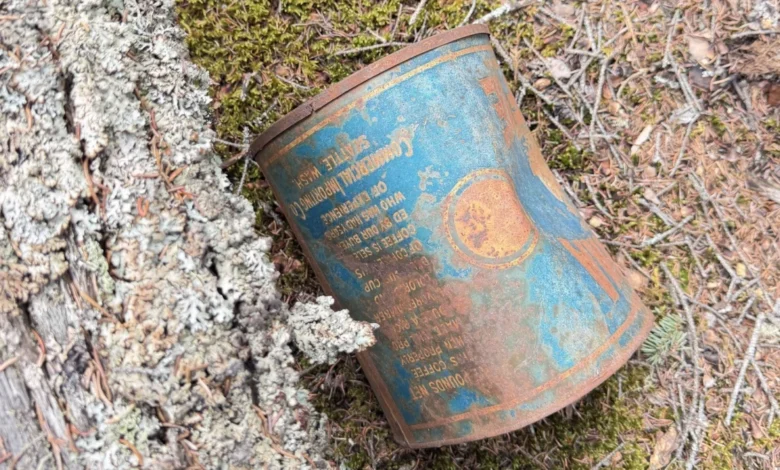
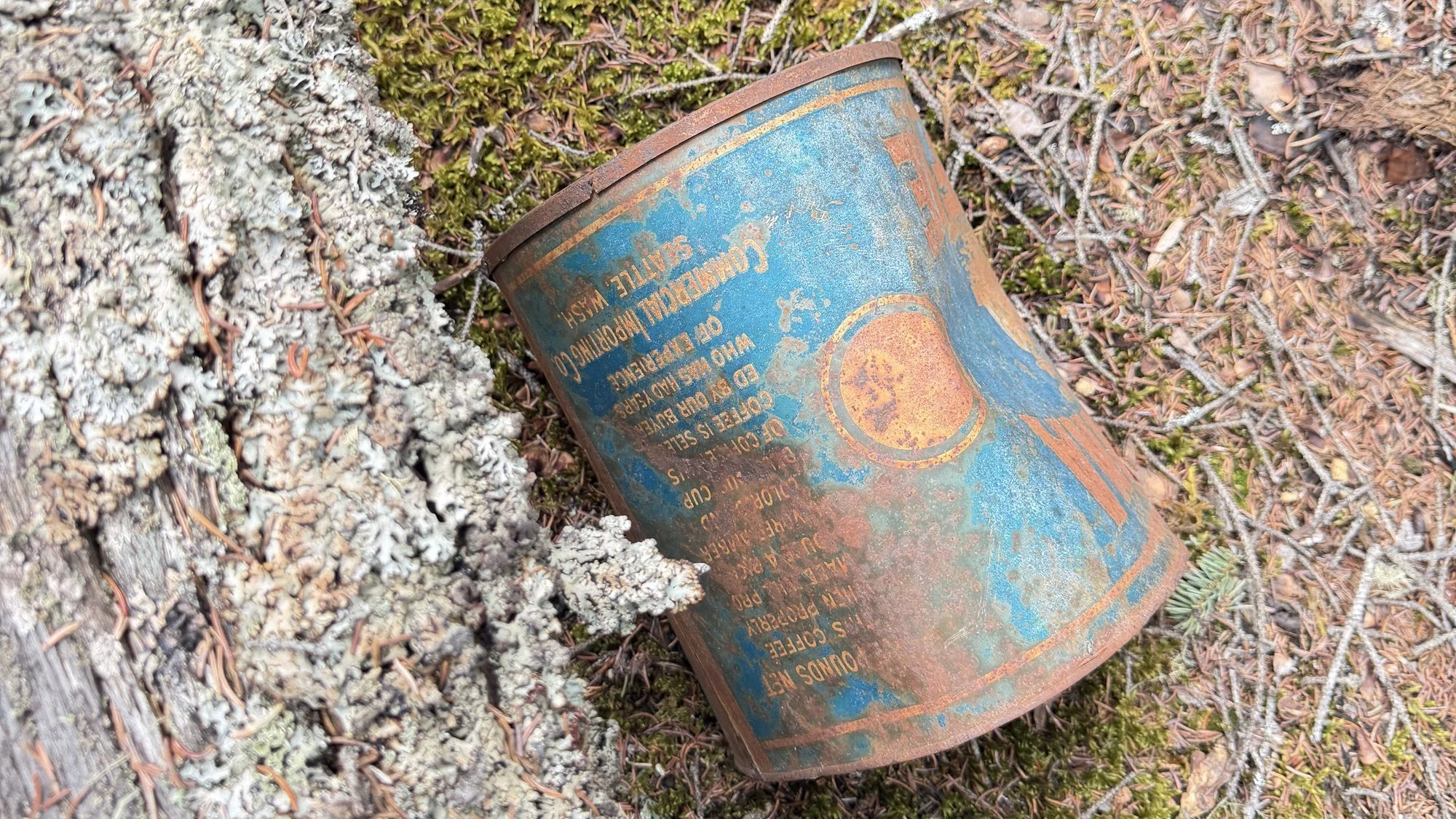
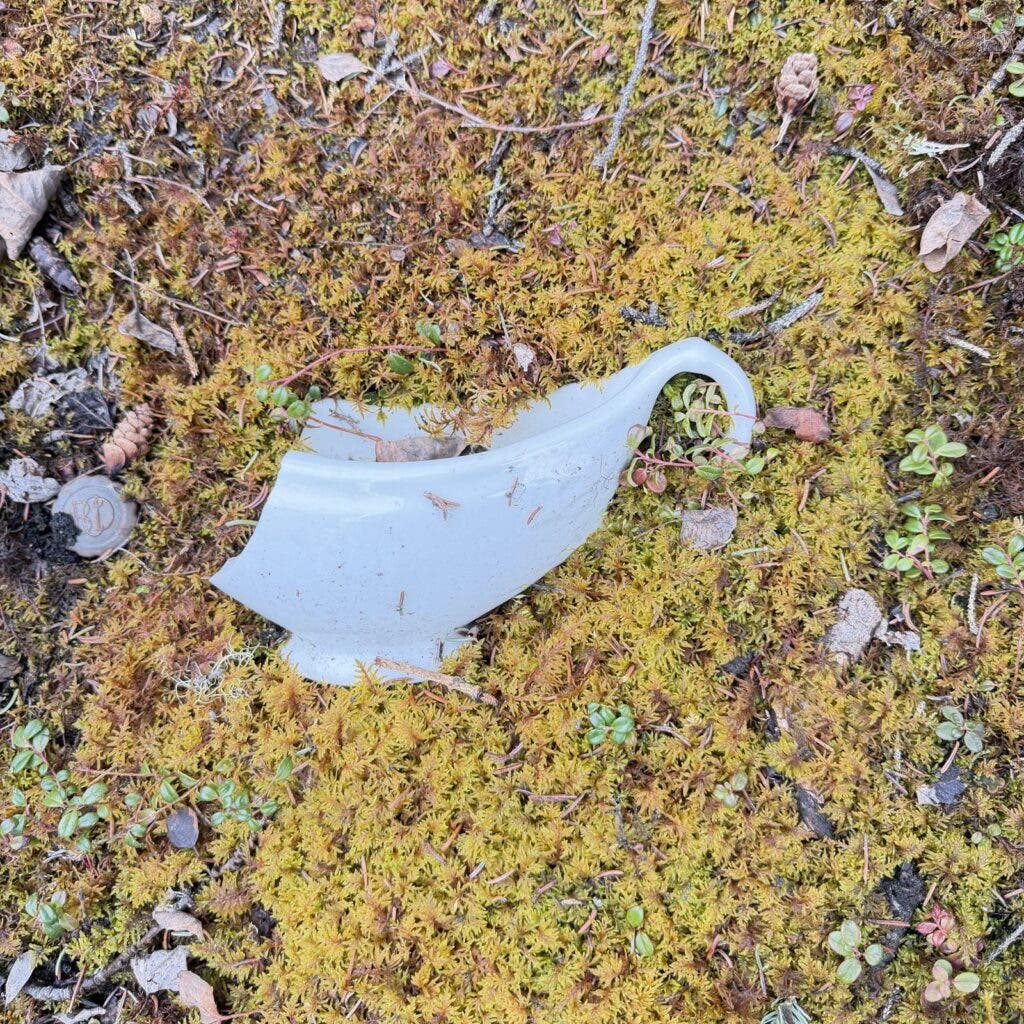
Deep within the vast, protected expanses of Denali National Park and Preserve, far beyond the pristine ridgelines and postcard-worthy mountain vistas, lies a peculiar type of archaeological site that challenges modern understandings of conservation. Tucked away in the frontcountry woods are sprawling, semi-sized drainages filled with the discarded remnants of early-20th-century life: rusted Wesson Oil cans, broken ceramic gravy boats, amber glass bottles, and weathered beer cans. To the untrained eye of a contemporary hiker schooled in strict "Leave No Trace" principles, these unauthorized backcountry dumps look like environmental blight that demands immediate cleanup.
However, according to archaeologists, historians, and National Park Service (NPS) resource managers, these concentrated deposits of historic refuse—formally known as middens—are not merely trash. They are invaluable cultural archives. As federal agencies balance the dual mandates of preserving natural wilderness and protecting cultural heritage, these historical landfills provide a rare, tangible window into the daily lives, struggles, and resourcefulness of the individuals who settled Alaska’s rugged interior long before modern infrastructure reached the region.
The Archaeology of the Everyday: Why Historical Middens Matter
To contemporary society accustomed to paper trails, digital records, and ubiquitous receipt-keeping, the daily minutiae of early pioneers is largely unrecorded. History books frequently document major gold strikes, political milestones, and territorial legislation, but they rarely preserve the mundane details of frontier survival: what canned goods sustained a trapper through a sub-zero winter, what footwear wore out first, or how frontier communities managed their waste when municipal infrastructure was nonexistent.
Dr. Justin Cramb, an assistant professor of archaeology at the University of Alaska Fairbanks, emphasizes that material culture fills the vast gaps left by written history.
"A lot of the stories of these individuals in the past never got written down, so the material traces are what we have," Dr. Cramb explains.
In archaeological terms, a midden is a domestic refuse deposit containing shells, animal bones, food containers, and discarded household items. In the remote wilderness of early Denali, where acquiring basic groceries and provisions involved arduous journeys rather than a quick trip to a local supermarket, these dumps reveal the logistical realities of frontier settlement. They document supply chains, dietary habits, building materials, and camp construction techniques that would otherwise be lost to time.
Furthermore, early Alaskans operated under a vastly different paradigm regarding waste management and ecological impact.
"At the time, the world was kind of considered to be too vast to worry about those kind of things," Dr. Cramb notes. "And often in cases, somebody’s living at a place like Denali, they’re not going to haul their trash out, right? There was no mechanism for that to happen."
A Chronology of the McKinley Station Settlement
The presence of these historic middens is directly tied to the rich, often colorful history of the area surrounding Riley Creek and the old McKinley Station, which predates the formal establishment of many modern park amenities.
The timeline of human habitation and administrative control in this sector of Denali reveals a dramatic transition from an unregulated frontier outpost to a federally protected national park:
- November 25, 1921: Maurice Morino opens the Mount McKinley Park Hotel on Thanksgiving Day, offering food, lodging, and entertainment to the miners, trappers, and travelers navigating the remote interior.
- Early 1920s: A thriving local community burgeons just down the road from the hotel, featuring private cabins, a trading post, a silver fox ranch, and an illicit local hub known as "the Hole" beneath the old railroad bridge, notorious for bootlegging and gambling.
- 1932: The federal government expands the boundaries of Mount McKinley National Park, absorbing the bustling local community and bringing the private settlements under direct administrative oversight.
- 1966: Congress passes the National Historic Preservation Act (NHPA), establishing a standardized framework for identifying and protecting historic properties and cultural resources across the United States.
- 1979: Congress enacts the Archaeological Resources Protection Act (ARPA), strengthening protections for archaeological resources and sites located on public lands and Indian lands.
- Present Day: Federal land managers and archaeologists continue to catalog, analyze, and protect the fragmented remains of McKinley Station, including cabin foundations, artifact scatters, and historical trash dumps.
Legal Frameworks: Defining the Line Between Trash and Artifact
A central dilemma for park visitors and rangers alike is determining the precise threshold where discarded refuse crosses the boundary from unsightly litter into a protected historical artifact. The National Park Service stresses that age alone is insufficient to grant an object preservation status.
Instead, resource management decisions are guided by strict federal legislation, primarily the National Historic Preservation Act and the Archaeological Resources Protection Act. Under NHPA guidelines, historic properties and resources generally must meet a 50-year age threshold and demonstrate historical significance, integrity, and association with important historical contexts. Similarly, ARPA protects archaeological resources that typically exceed a century in age and possess significant cultural or educational value.
Dr. Cramb illustrates this distinction using a domestic analogy: "The house I grew up in is over 50 years old, right? But it’s not a historic property."
For an object or a collection of debris to warrant federal protection, it must successfully answer critical historical inquiries: Was it associated with a significant person, event, or industry? Does it bridge a gap in the local historical record? Is the integrity of the site intact enough to yield meaningful data?
In the case of Denali’s frontcountry middens, the proximity to historical figures like Maurice Morino—whose grave remains preserved within the park—and the defunct infrastructure of McKinley Station elevates a collection of rusted cans and broken ceramics into an eligible archaeological site.
Evolving Wilderness Ethics: The Modern Leave No Trace Paradox
The presence of historical debris in a pristine national park forces a complex reckoning with modern wilderness ethics. Organizations like Leave No Trace (LNT) advocate for minimizing human impact on natural ecosystems, yet modern recreation inherently leaves an imprint on the landscape.
Erin Collier, Director of Education for Leave No Trace, acknowledges the inherent contradiction of human visitation in protected areas.
"I always say that the goal is really to leave as little trace as possible," Collier states. "That doesn’t sound as good, you know, on the T-shirt and on the logo, but that’s really what the goal is. If we were truly leaving no trace, we wouldn’t be out there."
Every hiker who follows a backcountry path, pitches a tent at a designated campground, or walks the woods to forage for wild blueberries contributes to the cumulative record of human presence. For contemporary visitors, this realization requires a delicate balance between enjoying public lands and preserving their ecological and cultural integrity.
Implications for Resource Management and Public Education
For land managers, the existence of historic middens creates a unique communication challenge. Visitors are routinely instructed to pack out all of their garbage and report littering, yet they must simultaneously be taught to leave historical artifacts untouched.
The National Park Service explicitly advises the public to leave potentially historic objects—ranging from rusted machinery to broken glass—exactly where they are found, and to consult park staff before taking any action. Removing items from these sites, even with good intentions of cleaning up the forest, strips away the contextual data that archaeologists rely upon to reconstruct the past.
At the same time, experts emphasize that the historical excuse for littering no longer applies. Modern society possesses the logistical infrastructure, regulatory framework, and environmental awareness required to properly manage waste.
"Today we have the infrastructure to deal with things like taking our trash out of the park," Dr. Cramb concludes. "We can do better. So we should."
Ultimately, navigating Denali’s historic woods requires an acceptance of shared history. The cabin foundations, weathered coffee cans, and overgrown dumps are permanent testaments to those who carved out a living in a harsh northern frontier. As contemporary travelers leave their own ephemeral footprints on the tundra, the challenge remains to be thoughtfully aware of what is left behind—and what is preserved for the future.
Related posts: