The Essential Guide to Navigating Barcelona: Public Transport, Digital Tools, and Mobility Shifts for 2026 and 2027


Navigating the vibrant, sprawling landscape of Barcelona requires more than just a map; it demands an understanding of a rapidly evolving digital ecosystem that governs everything from the metro gates to the dinner table. As the city continues to modernize its infrastructure, the barrier to entry for international visitors has shifted from physical tokens to a reliance on specific mobile applications. While Barcelona boasts an integrated fare system across its various transit operators—including the TMB-managed metro and bus lines, the regional Rodalies trains, and the tram networks—the fragmentation of these services means that a traveler’s digital toolkit is as essential as their passport.
The current mobility landscape is characterized by a significant transition in how visitors interact with the city. The obsolescence of magnetic cardboard tickets in favor of the contactless T-mobilitat system marks a pivotal change in urban efficiency. Furthermore, the impending cessation of private, app-based bike-sharing services at the close of 2026 represents a major shift in micro-mobility policy, reflecting the city council’s efforts to prioritize public space and residential infrastructure over the proliferation of commercial dockless vehicles.

The Digital Transit Hierarchy: TMB and T-mobilitat
For the average visitor, the Transports Metropolitans de Barcelona (TMB) application serves as the primary gateway to the city’s network. It is not merely a planning tool; it is a live diagnostic center for the city’s movement. By aggregating real-time data from metro and bus lines, the app allows users to anticipate delays, identify service disruptions, and locate the nearest transit nodes.
The introduction of the T-mobilitat system represents the most significant update to Barcelona’s transit infrastructure in decades. Moving away from the legacy magnetic strip technology, the new contactless standard allows for greater integration. Visitors have two primary choices: the anonymous, physical T-mobilitat card, which can be procured at station kiosks for a nominal fee of €1, or the digital version integrated into the T-mobilitat app. While the physical card is often the path of least resistance for short-term stays, those opting for the app-based version gain the convenience of remote ticket top-ups. However, users must be aware that digital validation requires NFC-enabled hardware and a registered account, adding a layer of complexity that some travelers may prefer to avoid.
The Visitor’s Advantage: The Hola Barcelona Travel Card
For those planning an intensive exploration of the city, the official Hola Barcelona Travel Card remains the gold standard. In a move to accommodate varying trip lengths, the city expanded the card’s utility in 2026 by introducing a 24-hour tier. This complements the existing 48, 72, 96, and 120-hour options.
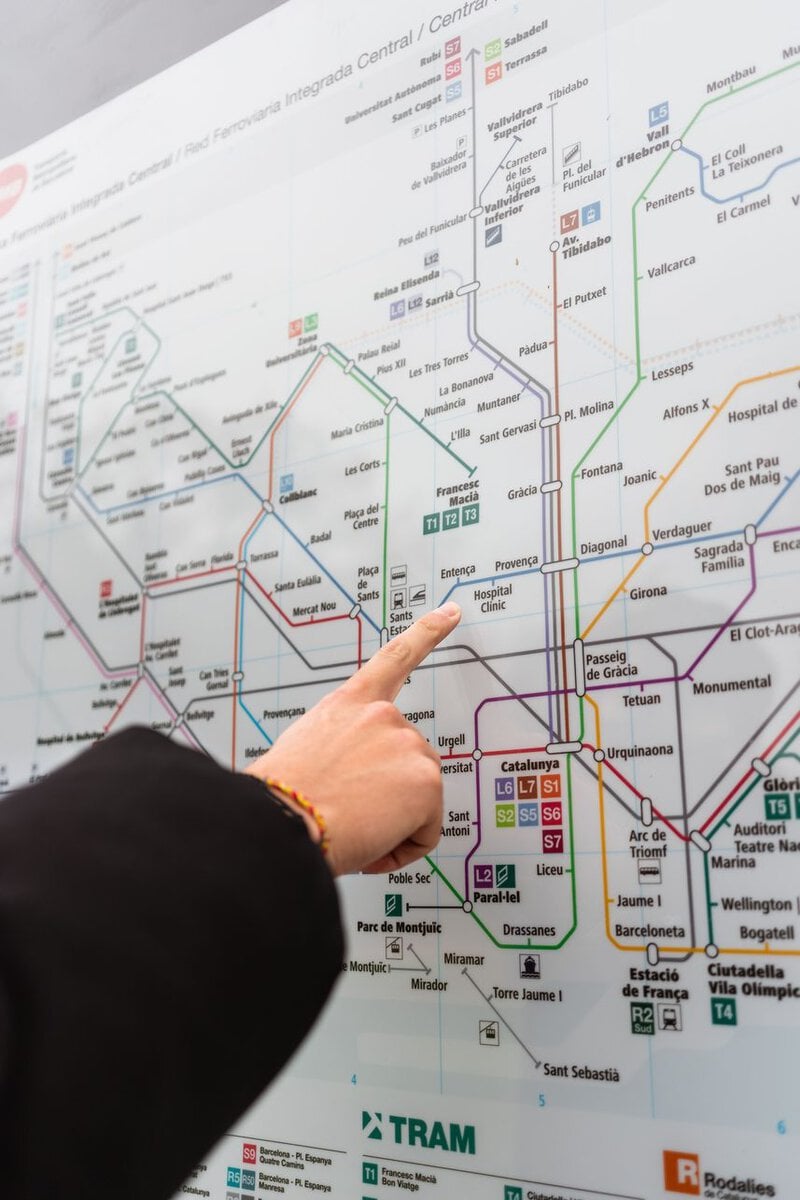
Data from the city’s transit authority suggests that the inclusion of the airport metro line and the extensive NitBus night bus network has significantly increased the value proposition of these passes. By purchasing through the official TMB portal or the Hola Barcelona app, visitors secure a 10% discount on the base rate of €12.50 for the 24-hour pass. This digital purchase process generates a redemption code, allowing for a seamless collection of the physical card at any automated station kiosk—a process designed to reduce the notorious queues at the airport’s transit terminals.
Regional Connectivity: Rodalies and Renfe
While the TMB network covers the urban core, the metropolitan periphery—including critical destinations like Sitges, Montserrat, and Girona—falls under the jurisdiction of the Rodalies de Catalunya. The Rodalies network operates independently of the city metro, and travelers are advised to monitor the official Rodalies app daily. Given the aging infrastructure of regional rail lines, track maintenance and sudden scheduling shifts are frequent occurrences.
For longer-distance travel, such as the high-speed AVE connections to northern Catalonia, the Renfe app is the necessary interface. The distinction between regional commuter trains and long-distance high-speed rail is vital; attempting to use an urban transit pass on a long-distance Renfe service will result in an invalid ticket. Planning day trips requires a dual-app approach: one for the local transit to reach the regional station, and one for the intercity rail passage itself.
The Evolution of Taxi and Ride-Hailing
Barcelona’s taxi market has undergone a notable transformation as traditional services and digital platforms have converged. The regulatory environment in Barcelona mandates that all licensed taxis operate on metered, fixed-price structures, regardless of whether the ride was hailed on the street or booked via an application.
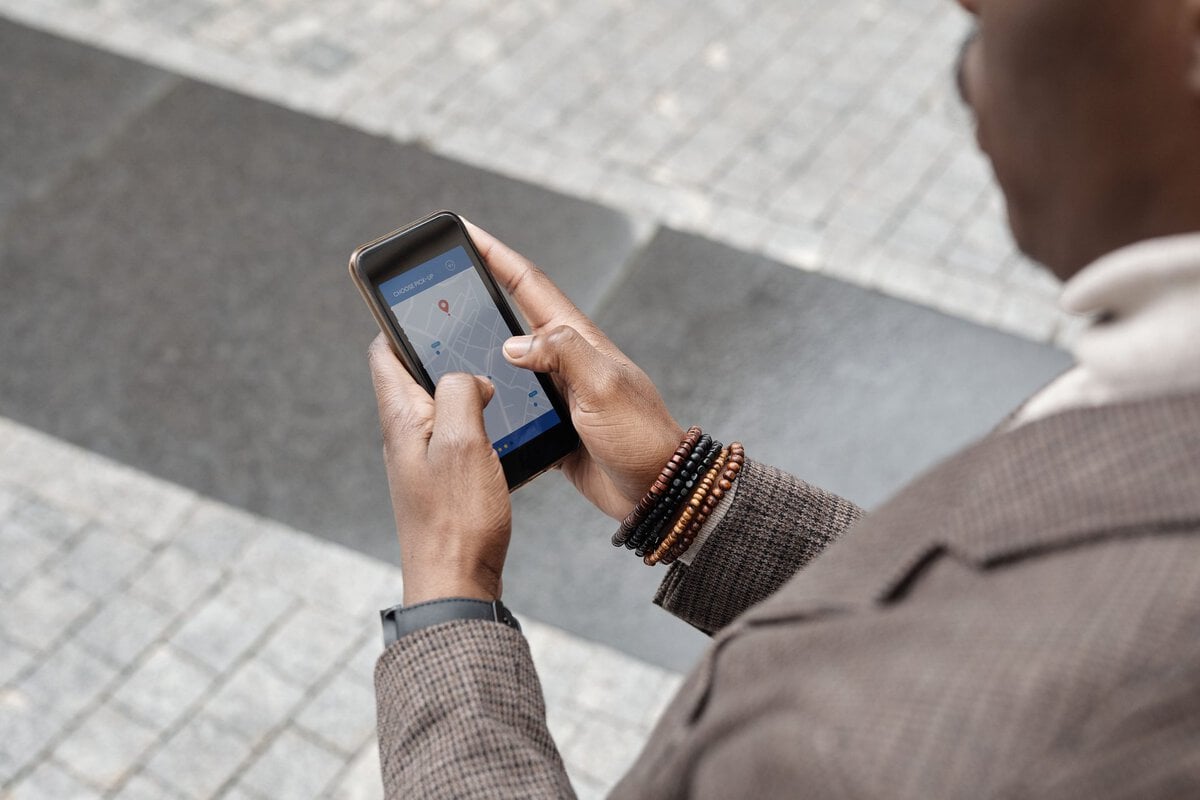
The 2025 acquisition of Freenow by the American ride-sharing giant Lyft has fundamentally altered the competitive landscape. As of September 2026, the integration of these services has reached a milestone, with North American travelers now capable of utilizing their existing Lyft accounts to secure rides within Barcelona. This cross-continental integration effectively eliminates the need for separate local registrations for many tourists. Furthermore, platforms such as Cabify and Bolt have adjusted their business models to include licensed taxis, providing a consolidated marketplace where price comparisons for airport transfers can be made in real-time.
The Impending Shift in Micro-Mobility
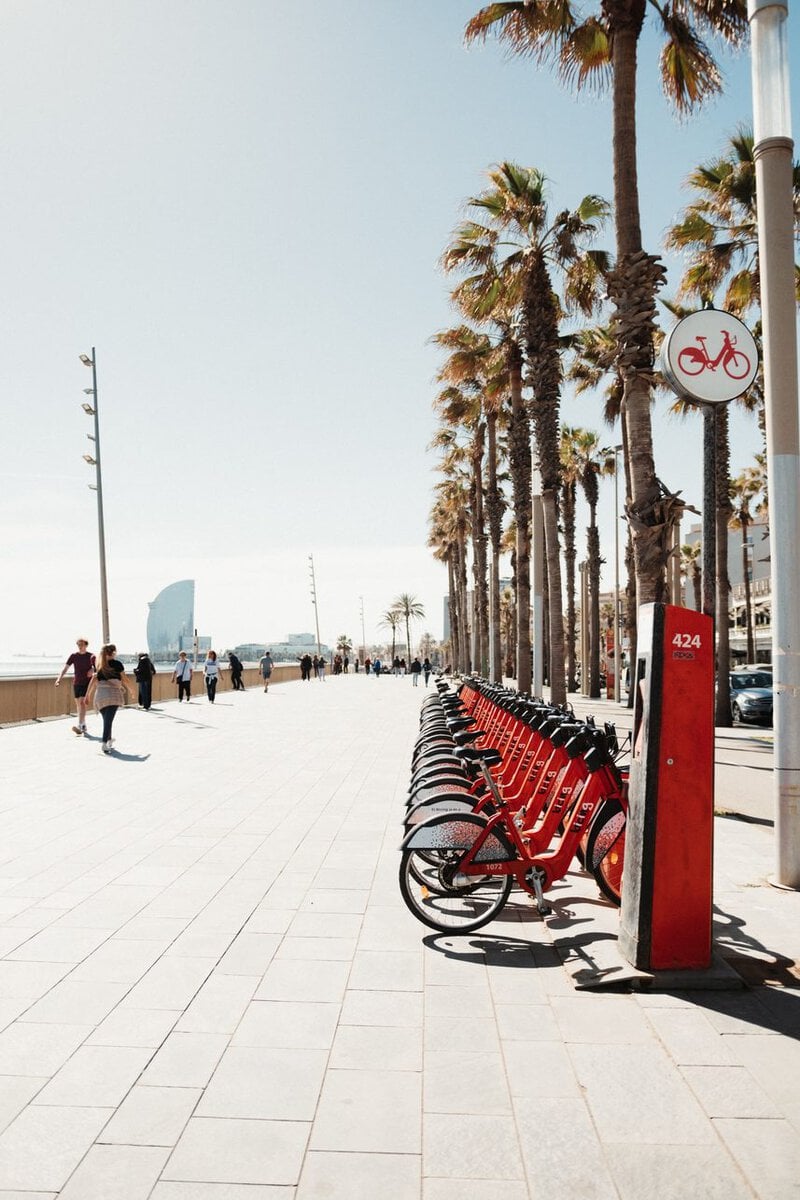
Perhaps the most dramatic change in the city’s mobility profile is the regulation of bike-sharing. For years, the streets of Barcelona have been populated by a variety of dockless bikes and scooters operated by private entities like Donkey Republic, Lime, and Voi. However, the Bicing system remains strictly reserved for residents, leaving visitors dependent on these private operators.

In a landmark decision announced in June 2026, the municipal government declared that no new licenses would be issued to these seven private operators following the expiration of their current contracts on December 31, 2026. City officials cited concerns over sidewalk congestion and the preservation of public space as the primary drivers for this policy reversal.
The implication for 2027 and beyond is clear: the era of the app-based, dockless bike rental for tourists in Barcelona is coming to an end. Visitors planning to cycle will need to pivot toward traditional, brick-and-mortar bike rental shops or organized guided tours. The Smou app, which acts as the official municipal aggregator for mobility services, is expected to become the primary resource for locating these traditional rental hubs once the transition is complete.
Culinary Logistics and Digital Dining
The digital transformation of the visitor experience extends into the city’s dense culinary scene. TheFork has established itself as the dominant booking engine, offering a standardized platform to filter by neighborhood, price point, and cuisine. For the discerning traveler, the app’s utility is enhanced by loyalty discounts, particularly during off-peak weekday hours.
Conversely, for those looking to avoid the algorithmic bias of major booking platforms, curated alternatives like Guidavera have emerged. Operating as a browser-based service, it focuses on thematic lists and editorial recommendations, catering to a demographic that prefers a smaller, high-quality selection over the exhaustive, often overwhelming, search results found on larger platforms.
Financial and Data Connectivity
Managing currency and data remains a critical hurdle for international arrivals. The proliferation of digital banking platforms like Revolut, Monzo, and Wise has simplified the management of euro-denominated expenses. A recurring piece of advice for travelers using these platforms is to always opt for the local currency (euro) when prompted by a payment terminal, as the exchange rates offered by merchant-side banks are historically unfavorable compared to those provided by fintech institutions.
For mobile data, the transition to eSIM technology has effectively rendered the physical SIM card swap obsolete. Airalo and similar providers have streamlined the process of acquiring local data packages before arrival. This is particularly relevant for non-EU travelers, as the cost of international roaming can be prohibitive. However, travelers arriving from within the European Union should verify their home-carrier roaming agreements, as EU regulations often provide for seamless data usage across member states at no additional cost.
Conclusion: The Future of Urban Navigation
Barcelona’s approach to technology is reflective of a broader European trend: the move toward centralized, state-regulated, and highly integrated transit ecosystems. While the loss of private bike-sharing may be perceived as a reduction in convenience, it is balanced by a more robust, digitized public transit network that is increasingly user-friendly for non-residents.
By mastering a concise suite of applications—specifically the TMB app for transit, a reliable taxi-hailing app, and an offline-capable map—travelers can navigate the complexities of this historic city with minimal friction. As the city enters 2027, the emphasis will shift from the sheer volume of available apps to the strategic use of those that provide the most reliable, integrated, and government-sanctioned services. Whether navigating the narrow alleys of the Gothic Quarter or commuting to the coast, the modern visitor’s experience in Barcelona is now fundamentally anchored to the screen in their pocket.