June 2026 Travel Review: A Summer of International Movement and Cultural Exchange


The summer travel season of 2026 commenced with a surge in transatlantic activity as global tourism patterns stabilized following post-pandemic adjustments. For many travelers, including those documented in recent logs, June served as a critical window for family reunions, sporting event attendance, and the navigation of emerging environmental challenges such as the European heat wave. This report synthesizes the experiences, logistics, and broader implications of travel trends observed throughout the month of June 2026, focusing on the movement between the United States and Central Europe.

The Transatlantic Surge: The World Cup Effect
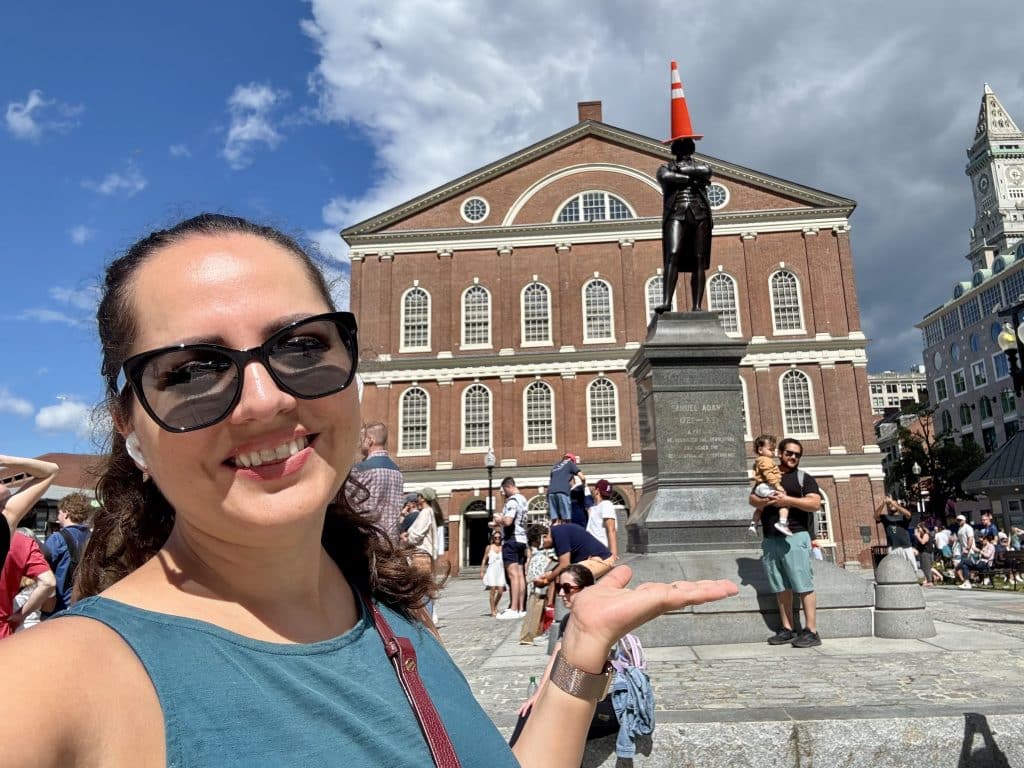
The month of June was defined by the confluence of peak summer travel and the global excitement surrounding the World Cup. Boston, Massachusetts, emerged as a central hub for international visitors, particularly supporters of the Scottish national team, colloquially known as the "Tartan Army." The influx of thousands of international fans into the Greater Boston area provided a significant economic boost to the region’s hospitality and food service sectors.
Local observers noted a distinct cultural synergy as visiting fans integrated into the city’s historic fabric. Activities, such as the organized marches to Fenway Park and the engagement with local landmarks like Faneuil Hall, highlighted the role of major sporting events in facilitating cross-cultural interaction. Data from regional tourism boards suggests that the presence of these fans led to a marked increase in foot traffic across downtown corridors and a heightened demand for localized entertainment, proving that international sporting events remain one of the most effective drivers of short-term urban tourism.

Urban Infrastructure and the Evolution of Transit
A noteworthy development in New York City’s infrastructure was the increased utilization of the George Washington Bridge Bus Station. Historically, travelers arriving from the north often faced significant delays navigating through Manhattan to reach midtown terminals. The modern, decentralized approach of the station at 178th Street and Broadway has proven more efficient for commuters and tourists targeting Upper Manhattan, Harlem, or the Heights.
Urban planning experts argue that such peripheral transit hubs are essential for the future of metropolitan mobility, as they reduce congestion in core city centers and distribute economic activity more equitably across neighborhoods. The shift in transit behavior observed in June underscores a growing preference among seasoned travelers for efficient, localized logistics that prioritize time management over traditional, centralized routes.
Environmental Challenges: The European Heat Wave
While travel in the United States was marked by cultural vibrancy, the experience in Central Europe was heavily dictated by climate-related constraints. June 2026 saw record-breaking temperatures across the continent, placing a strain on both residential and public infrastructure. In cities like Prague, where older building stock often lacks modern central air conditioning due to structural, historical, or aesthetic preservation mandates, the heat wave forced a pivot in daily operations.
The hospitality sector saw an uptick in "climate-refuge" bookings, with residents and travelers alike seeking hotels that could provide consistent climate control. This trend highlights a growing vulnerability in the European tourism infrastructure: the reliance on traditional building methods that are increasingly incompatible with the rising frequency of extreme heat events. Furthermore, the cancellation of large-scale events—such as the high-profile concert series involving international artists—served as a stark reminder of the economic disruptions caused by climate volatility. The loss of such events impacts local ticket sales, hospitality revenue, and the broader creative economy.

Transit Safety and Regulatory Scrutiny
A concerning incident in the Prague public transport system during the heat wave raised questions regarding transit safety protocols. An instance in which a passenger became trapped on a decommissioned tram underscores the importance of stringent vehicle-check procedures. Industry analysts suggest that as urban centers densify and public transport usage rises, the failure to verify empty status on transit units represents a significant liability for municipal operators. The necessity for emergency exit training and clear, multilingual safety signage in public transit is more critical than ever, particularly during periods of extreme weather where passengers may be more susceptible to panic or physical distress.
Cultural Consumption: The 500 Greatest Albums Initiative
In terms of leisure and cultural engagement, June saw a sustained interest in the retrospective analysis of musical history. The initiative to systematically listen to and review the 500 Greatest Albums of All Time, as curated by industry standard-bearers like Rolling Stone, reflects a broader societal trend of "curated consumption." In an era of infinite digital streaming, listeners are increasingly seeking structured frameworks—such as comprehensive lists—to deepen their engagement with historical art forms.
The analysis of diverse genres—ranging from the jazz-infused hip-hop of Kendrick Lamar’s To Pimp a Butterfly to the classic disco-pop of Michael Jackson’s Off the Wall—suggests that modern audiences are prioritizing thematic depth and historical context over casual, randomized listening. This trend has significant implications for the music industry, as it demonstrates that high-quality, legacy albums continue to hold substantial cultural capital and remain essential pillars of public discourse, even decades after their release.
Outlook for July 2026
As the travel industry transitions into the height of the summer season in July, the focus shifts from major urban centers to regional European tourism. The anticipated influx of visitors to the Provence region of France for weddings and cultural festivals is expected to maintain high occupancy rates for rural chateaus and boutique accommodations.

Furthermore, the integration of microstates into European road-trip itineraries, such as the renewed interest in Liechtenstein, indicates a desire among travelers to explore under-visited destinations that offer both historical significance and efficient transit access. With continued interest in destination-based birthday celebrations and international concerts, the remainder of the summer is projected to be characterized by high-volume travel and a continued focus on destination-specific experiences.
Conclusion: Implications for Global Mobility
The events of June 2026 underscore a complex interplay between the desire for global mobility and the realities of modern infrastructure and climate change. Whether navigating the complexities of public transport in a European capital or participating in the cultural ecosystem of a major American city, the modern traveler is increasingly forced to balance logistics, environmental awareness, and cultural enrichment. As the season progresses, the industry’s ability to adapt to extreme weather, ensure the safety of its transit systems, and provide meaningful cultural experiences will remain the primary determinants of success in a competitive and rapidly evolving global tourism landscape.
Related posts: