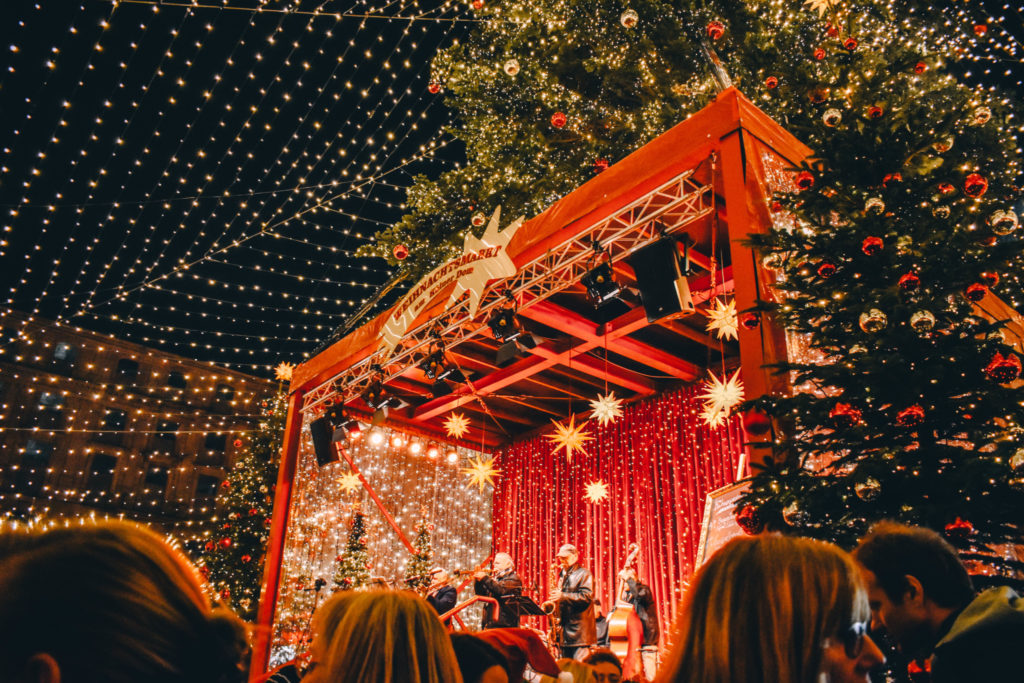
The German Christmas market, or Weihnachtsmarkt, stands as a cornerstone of European winter tourism and cultural heritage. As the 2026 season approaches, anticipation builds for what has become a multi-billion euro industry that draws millions of international visitors annually. With the first Sunday of Advent falling on November 29, 2026, the nation’s historic town squares are preparing to transform into festive hubs, with major markets—such as the Nuremberg Christkindlesmarkt—scheduled to open their doors on Friday, November 27.
The economic significance of these markets cannot be overstated. According to recent industry data from the German Tourism Association, these seasonal events contribute significantly to local economies, with some larger cities reporting tourism revenue increases of up to 20% during the four-week Advent period. For the 2026 season, vendors are focusing on a return to traditional, high-quality craftsmanship, reflecting a consumer trend toward sustainable and locally sourced goods.

The Evolution and Significance of the Weihnachtsmarkt
The tradition of the German Christmas market dates back to the Late Middle Ages. Historically, these were simple winter markets where citizens could stock up on provisions for the cold months. Over the centuries, they evolved into the current iteration: a blend of commerce, gastronomy, and community gathering. Today, the markets serve as vital cultural institutions that preserve artisanal techniques, particularly in woodworking, glass blowing, and textile production.
For travelers looking to navigate the 2026 markets, the shopping experience is characterized by a specific set of traditional items that have maintained their popularity for generations. Understanding the provenance and utility of these items is essential for any visitor aiming to secure authentic souvenirs.
Essential Traditional Souvenirs
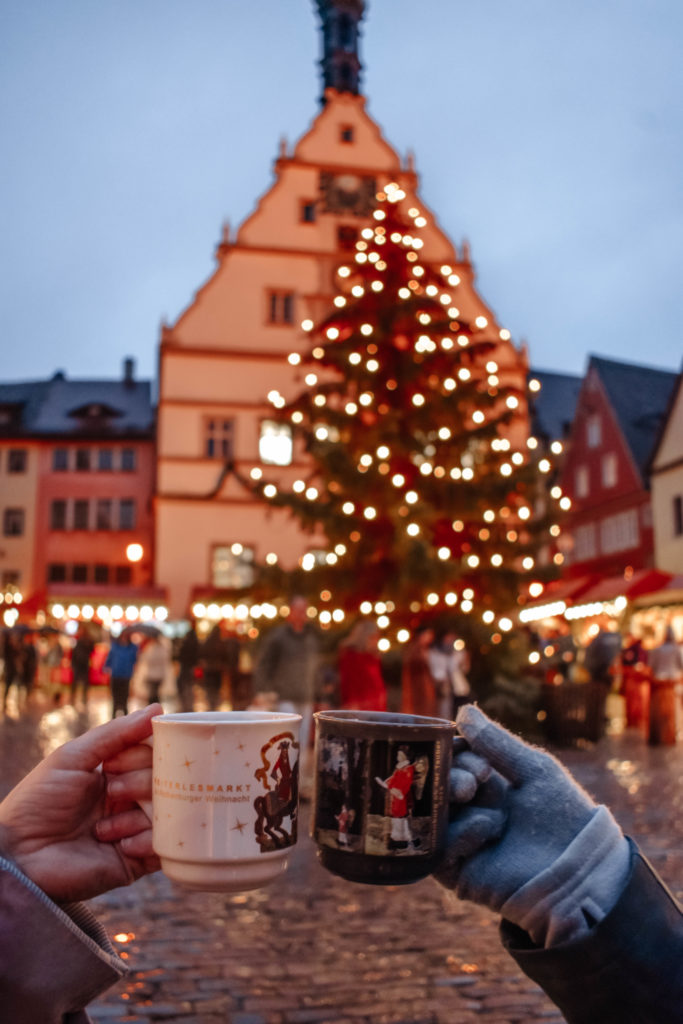
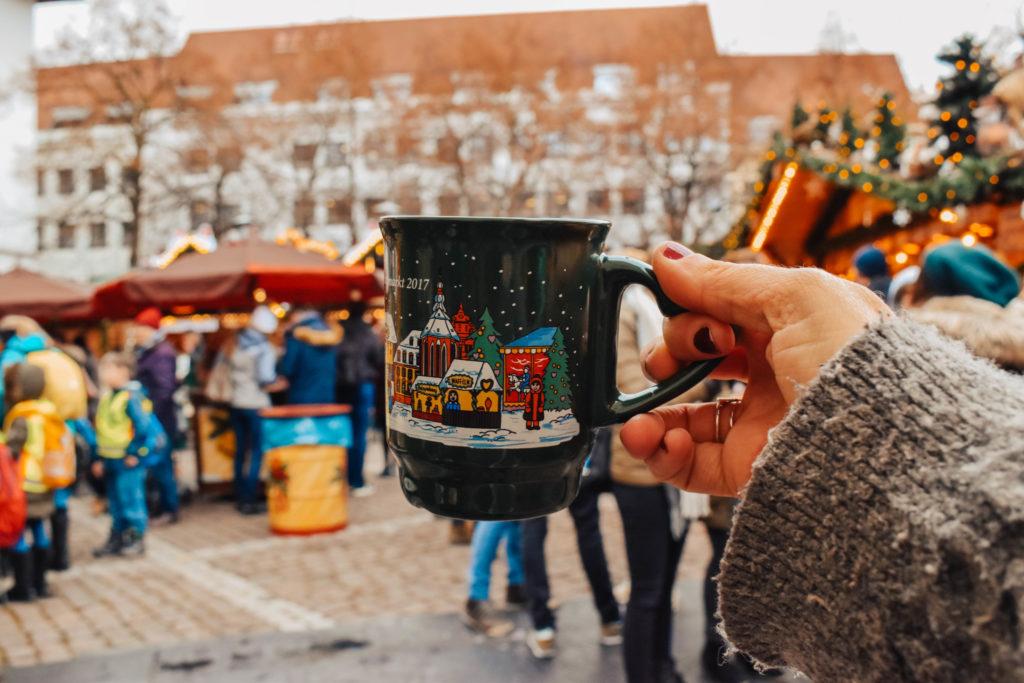
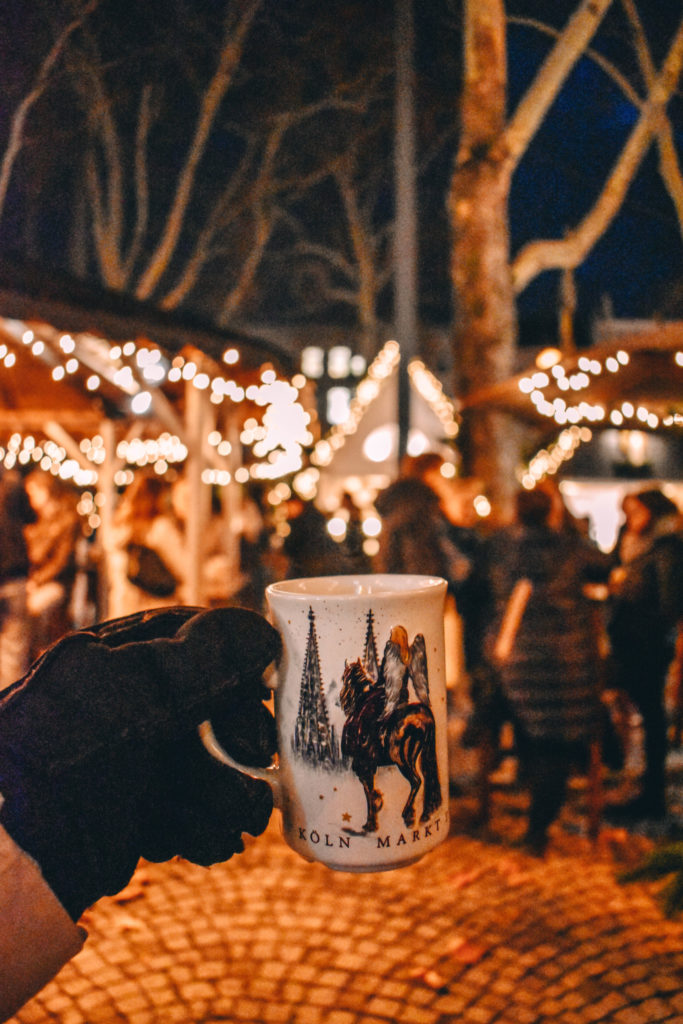
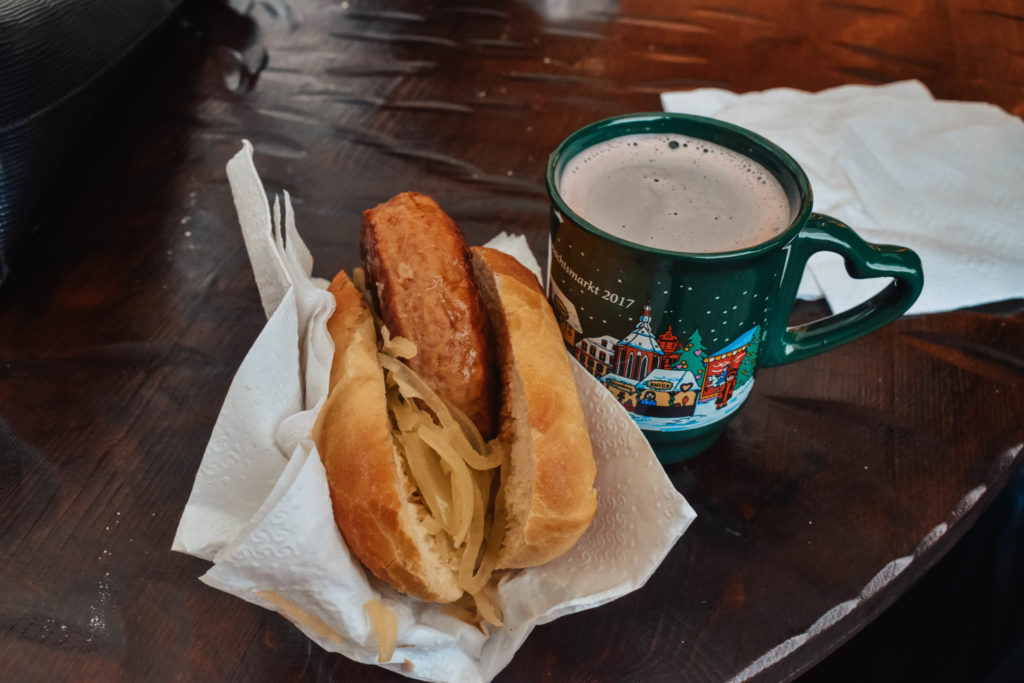
Among the most sought-after items are the collectible Glühwein mugs. These vessels are more than mere drinking containers; they are annually commissioned artifacts that act as markers of time and place. Each city’s market typically features a unique design, often incorporating local landmarks or historical motifs specific to that year. Because visitors pay a deposit (Pfand) for the mug, they are incentivized to return it, but many opt to keep the mug as a low-cost, high-value souvenir.
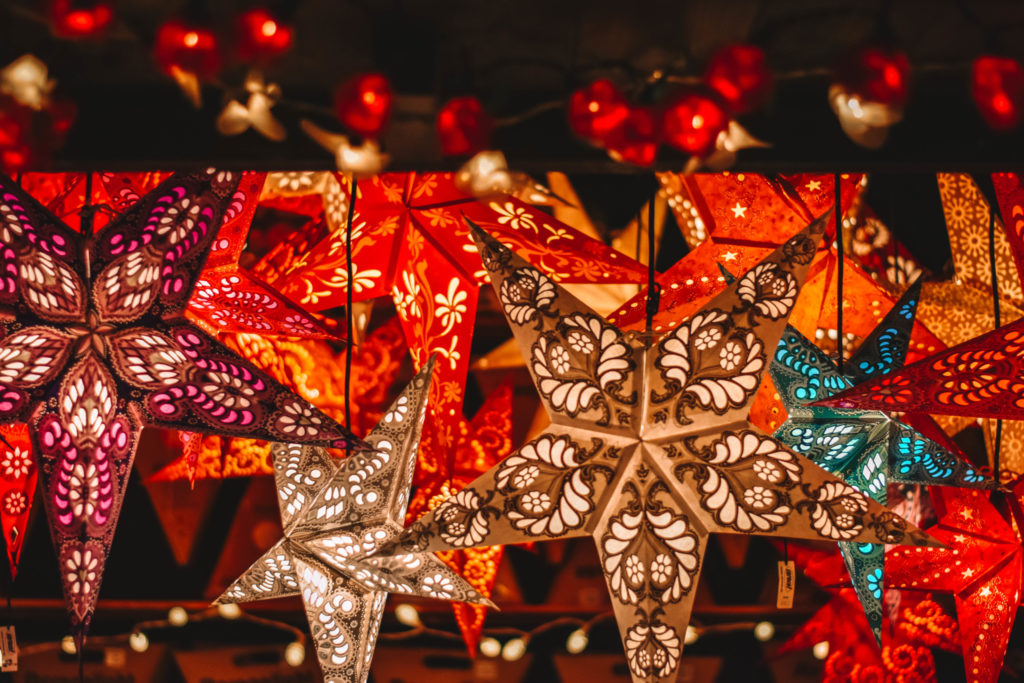
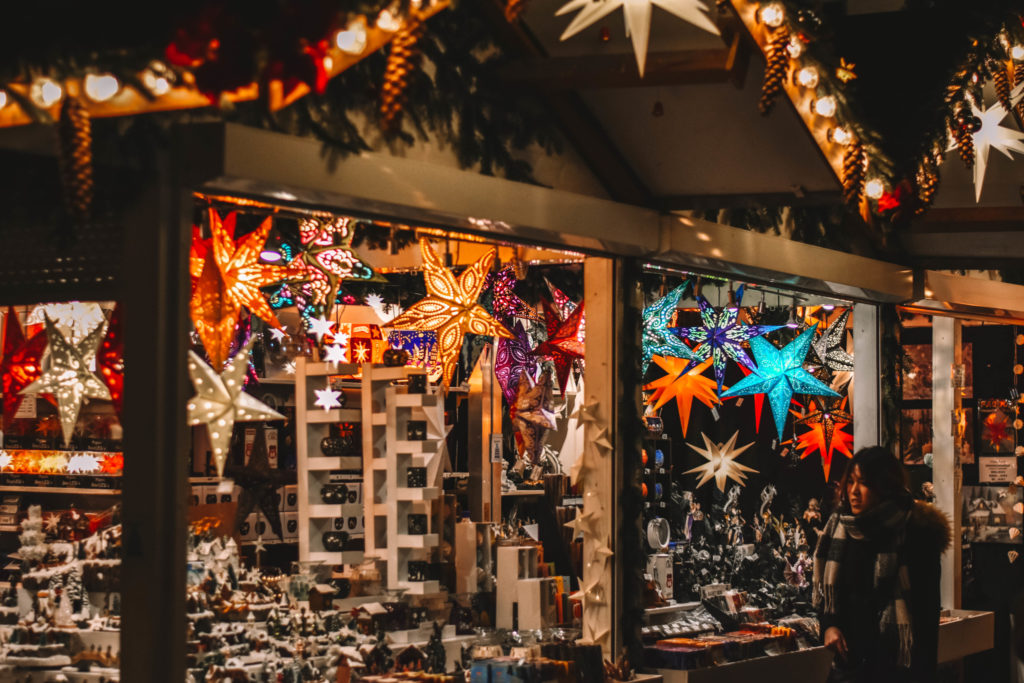
Beyond ceramics, the markets are famous for their illumination products, most notably paper star lanterns. These intricate structures, often hand-folded and laser-cut, provide a soft, ambient light. Their popularity lies in their versatility and portability, as they can be folded flat for international transport, making them an ideal item for long-distance travelers.
Artisanal Woodworking and Heritage Craft
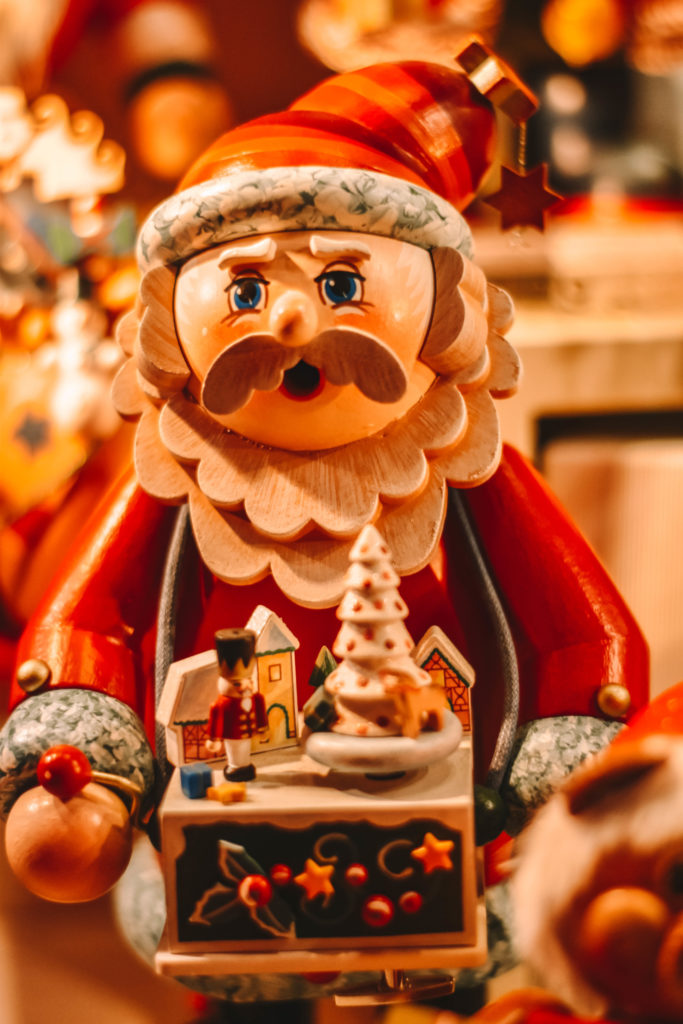
The hallmark of the authentic German Christmas market is the presence of high-quality wooden goods. The Erzgebirge region of Germany is globally renowned for its wood-carving heritage, and vendors from this area frequently supply the most prestigious markets.

The Weihnachtspyramide, or Christmas pyramid, remains the definitive item in this category. These multi-tiered rotating structures utilize the rising heat from candles to turn a set of wooden paddles at the top, which in turn rotates the internal platforms featuring nativity scenes or forest animals. Similarly, the Schwibbogen, or candle arch, represents a historical tribute to the miners of the Ore Mountains, who would place light-filled arches in their windows to signify their safe return from the subterranean depths.
Global Impact and Market Regulations
The reach of the German Christmas market model has extended well beyond Europe, with similar markets now appearing in cities like New York, Chicago, and Tokyo. However, the German originals remain the gold standard for quality control. Local chambers of commerce and market organizers in cities like Cologne, Dresden, and Stuttgart enforce strict regulations on vendors, requiring that a significant percentage of products be handmade and produced within the European Union.
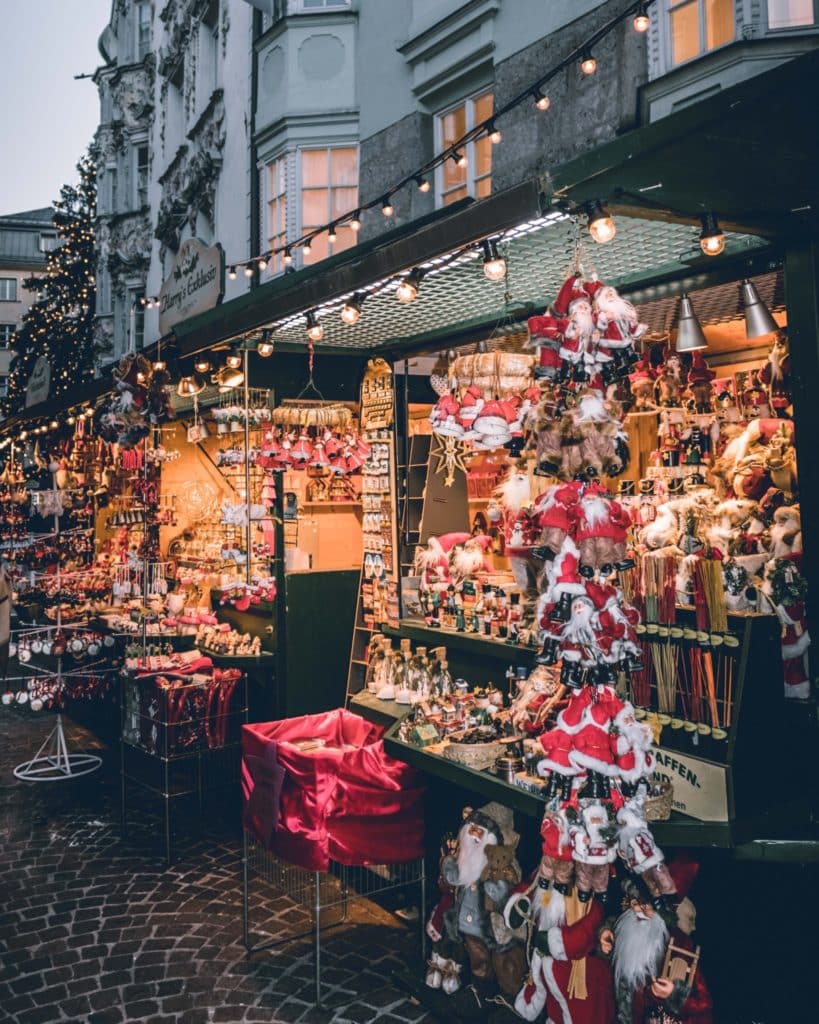
This regulatory framework has been a point of discussion among trade associations. In recent years, there has been a concerted push by the Bundesverband der Schausteller und Marktkaufleute (Federal Association of Showmen and Market Traders) to ensure that the influx of mass-produced, non-authentic goods does not dilute the cultural integrity of the markets. This emphasis on authenticity is expected to be a major theme for the 2026 season, as consumers show a higher willingness to pay a premium for verified, locally crafted items.
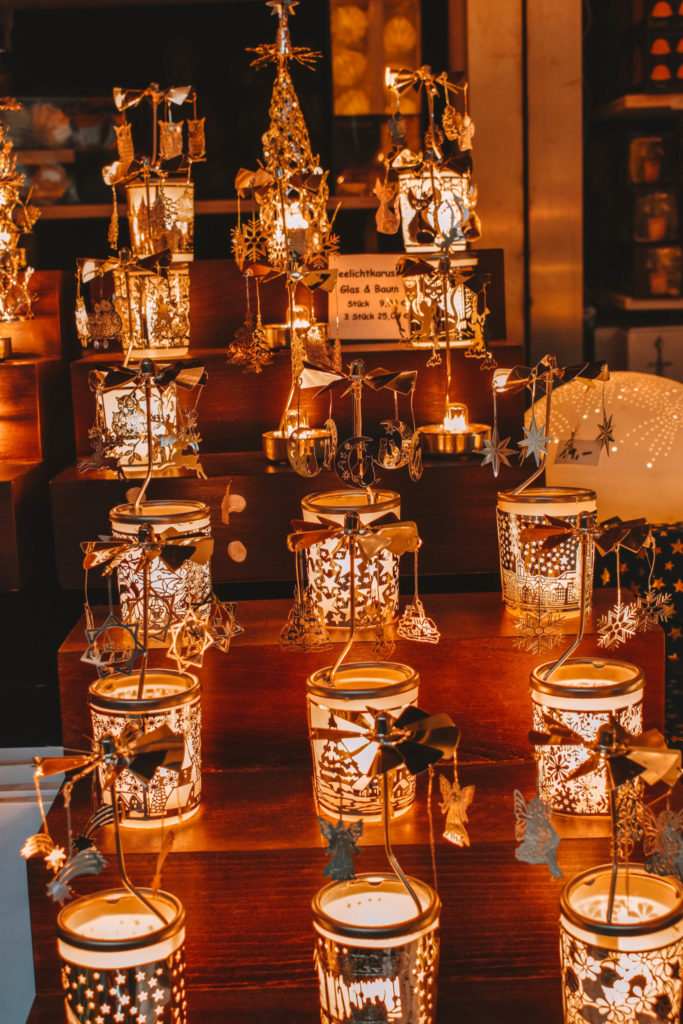
Strategic Planning for the 2026 Season
For those planning to visit in 2026, experts recommend a strategy focused on timing and location. Because major markets like the Nuremberg Christkindlesmarkt can see upwards of two million visitors, the timing of one’s arrival is critical. Visiting during the weekdays in early December typically provides a more relaxed shopping environment and better access to the smaller, family-owned stalls that offer the most unique inventory.
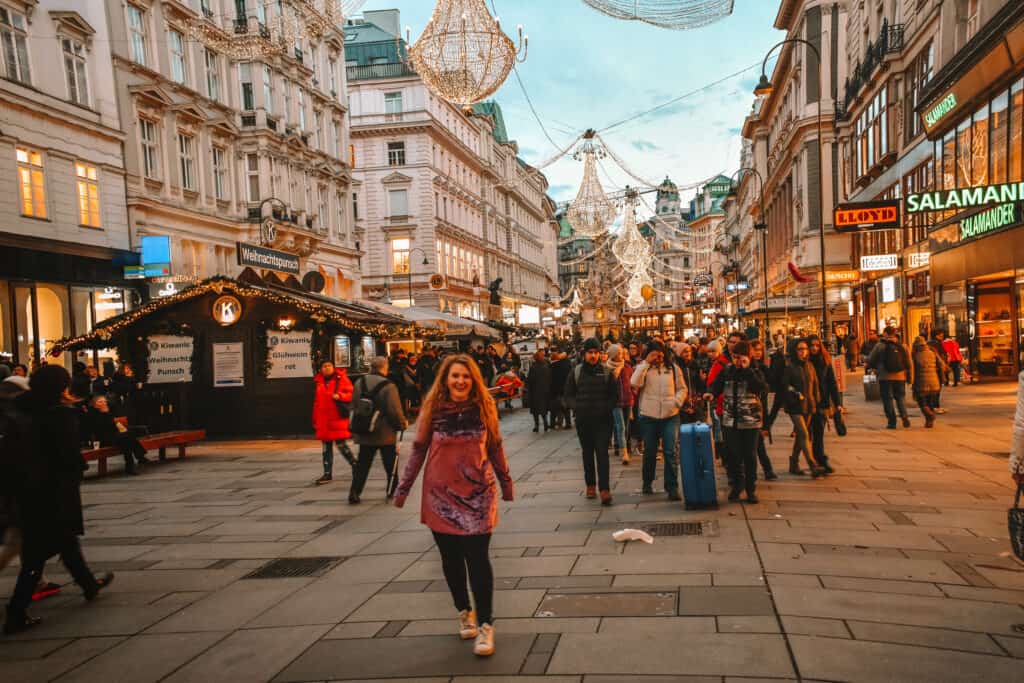
Additionally, the rise of digital integration in the markets is changing how visitors shop. Many vendors now offer QR-code-based information cards that detail the history of their craft or the materials used in their products. This shift toward transparency is expected to continue in 2026, as visitors place a higher value on knowing the origin of their purchases.
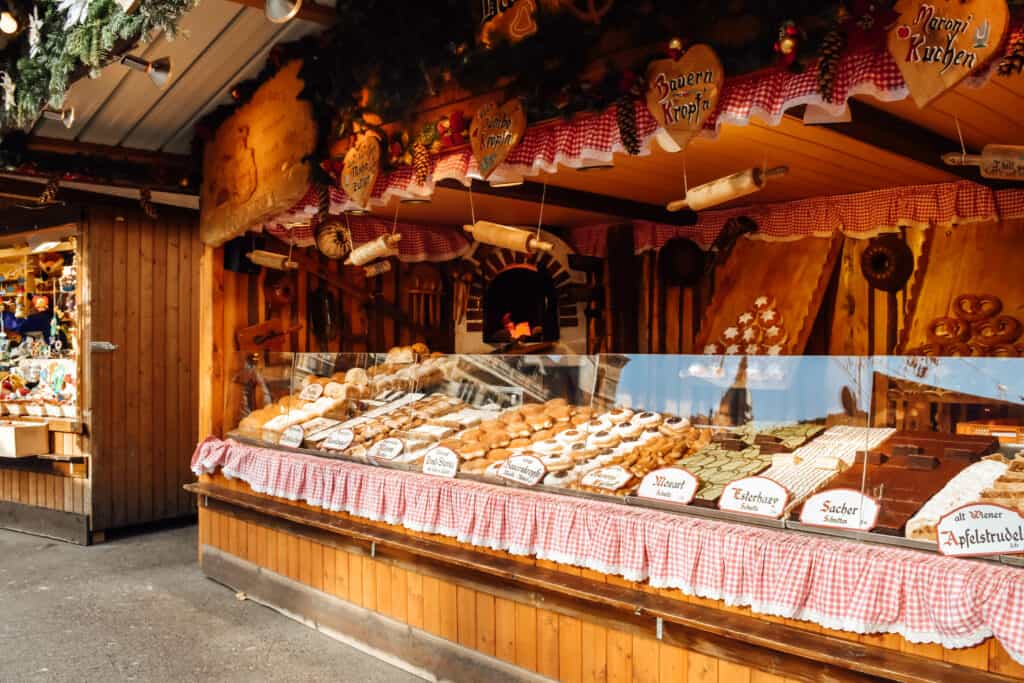
Economic and Cultural Implications
The broader implication of the Christmas market season is the sustained support it provides to small-scale artisans. In an era of globalized manufacturing, the Christmas market serves as one of the few remaining physical marketplaces where traditional vocational skills—such as those required to create intricate glass ornaments or hand-painted nutcrackers—remain commercially viable.
Furthermore, the markets act as a vital social safety net for many local families, as the revenue generated during these four weeks often sustains these businesses for the remainder of the year. As the 2026 season approaches, the focus remains on balancing the need for modernization and efficiency with the necessity of preserving the historic atmosphere that defines the German winter experience.
Visitors are advised to reserve accommodation well in advance, as the popularity of these events often leads to city-wide capacity constraints. With the season beginning in late November, the window for experiencing these markets in their prime is limited, making early planning essential for both the casual tourist and the dedicated collector of holiday traditions.