The Untamed Spirit of New Zealand: A Comprehensive Look at the Weka Bird, Its Ecological Role, and Cultural Legacy


New Zealand’s avian landscape is internationally renowned for its fragile, highly specialized, and often nocturnal endemic species. While global conservation narratives frequently center on the elusive, nocturnal kiwi or the brightly colored, alpine kea, another native bird occupies a vastly different cultural and ecological niche. The weka (Gallirallus australis), a large, flightless rail, presents a complex profile of resilience, adaptability, and behavioral audacity. As conservation frameworks across the country strive toward ambitious eradication goals, the weka remains a polarizing figure—simultaneously celebrated for its indomitable survival instincts and scrutinized for its complex interactions within fragile ecosystems.
Taxonomy, Physical Characteristics, and Behavior

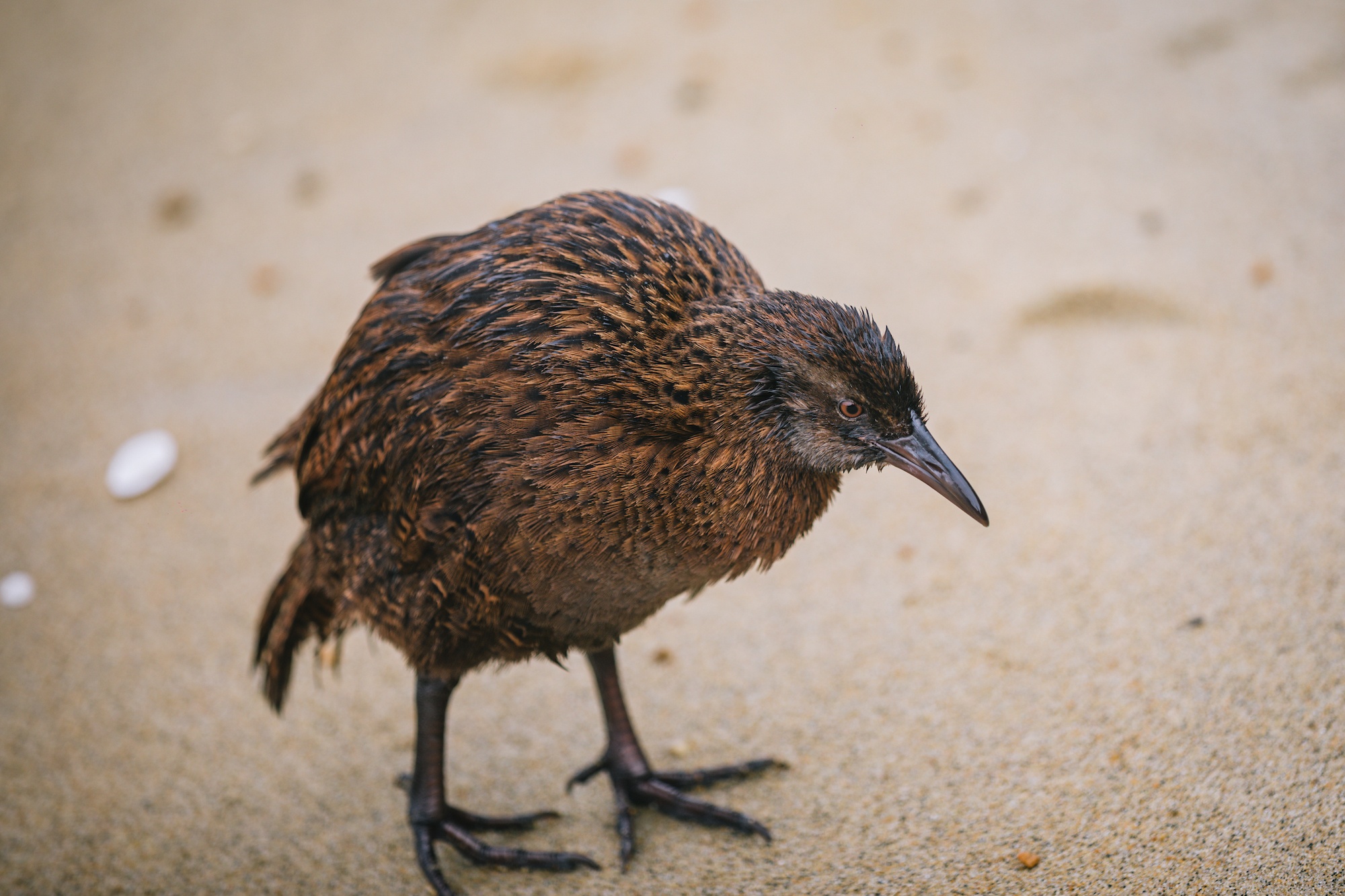
Belonging to the family Rallidae, the weka is a robust, ground-dwelling bird characterized by its stout physique, strong legs, and absence of functional flight. Adult specimens typically weigh between 500 grams and 1.5 kilograms, with physical dimensions varying among the four recognized subspecies: Gallirallus australis australis (the western weka), Gallirallus australis hectori (the eastern weka), Gallirallus australis greyi (the North Island weka), and Gallirallus australis scotti (the Stewart Island weka).
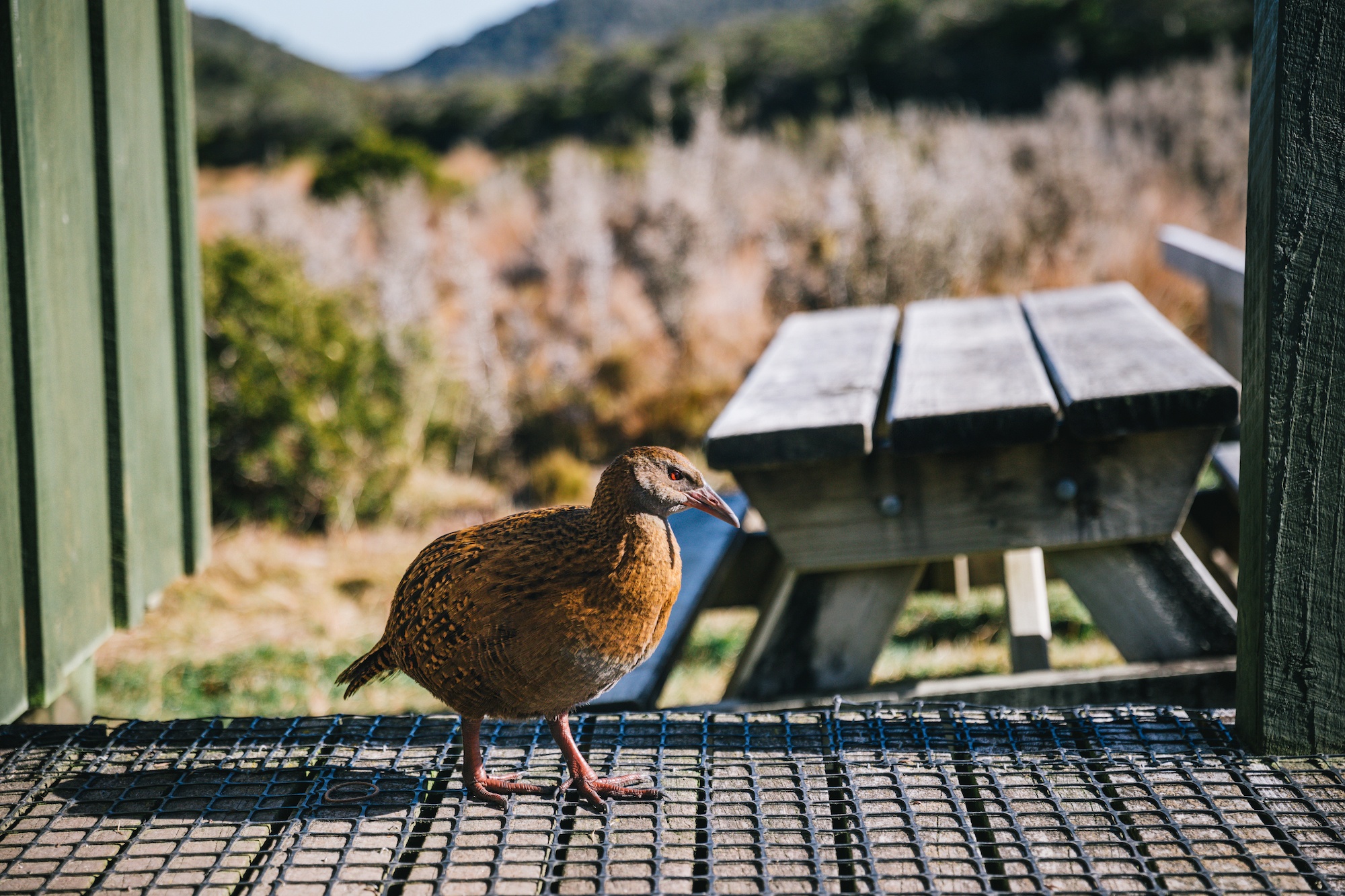
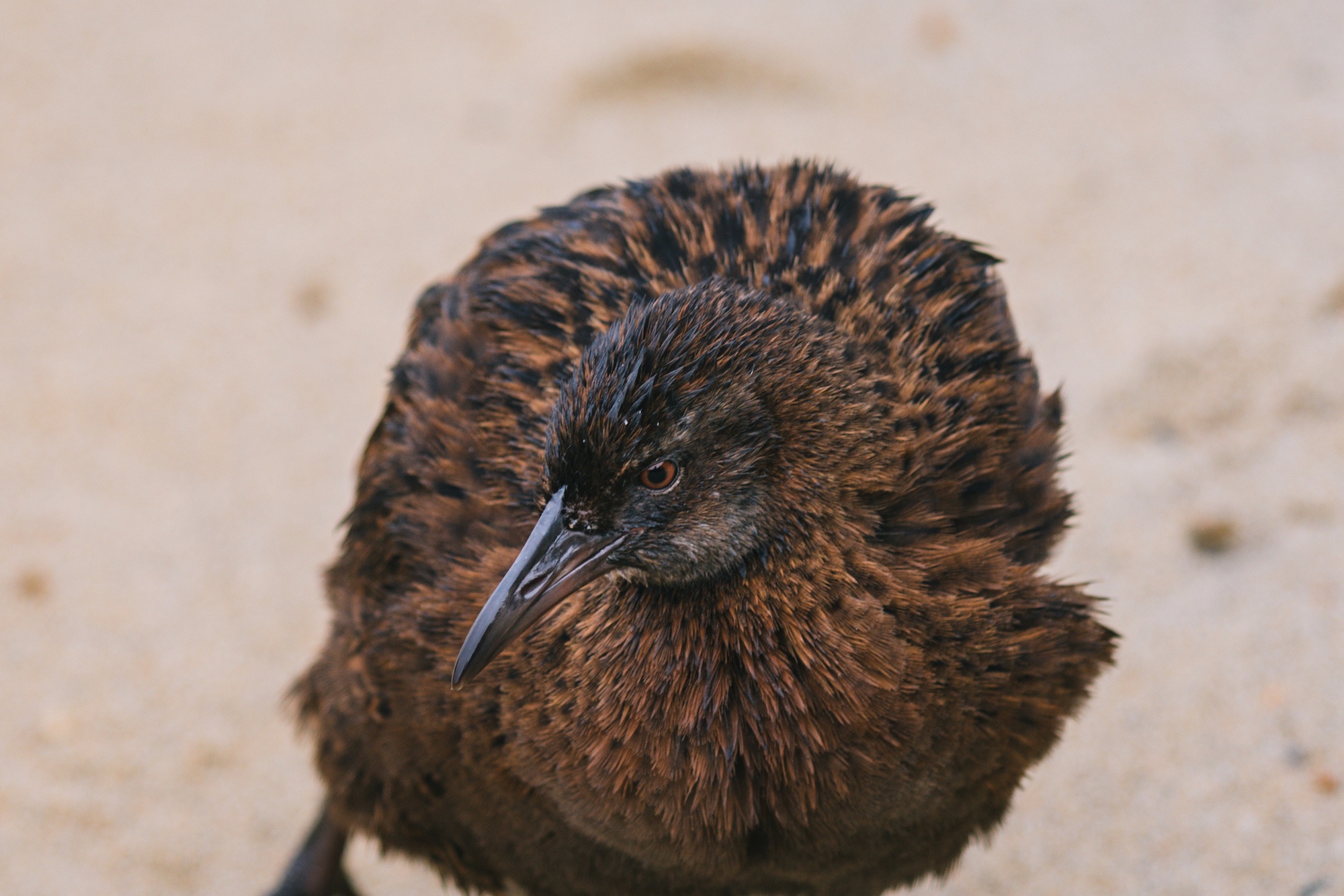
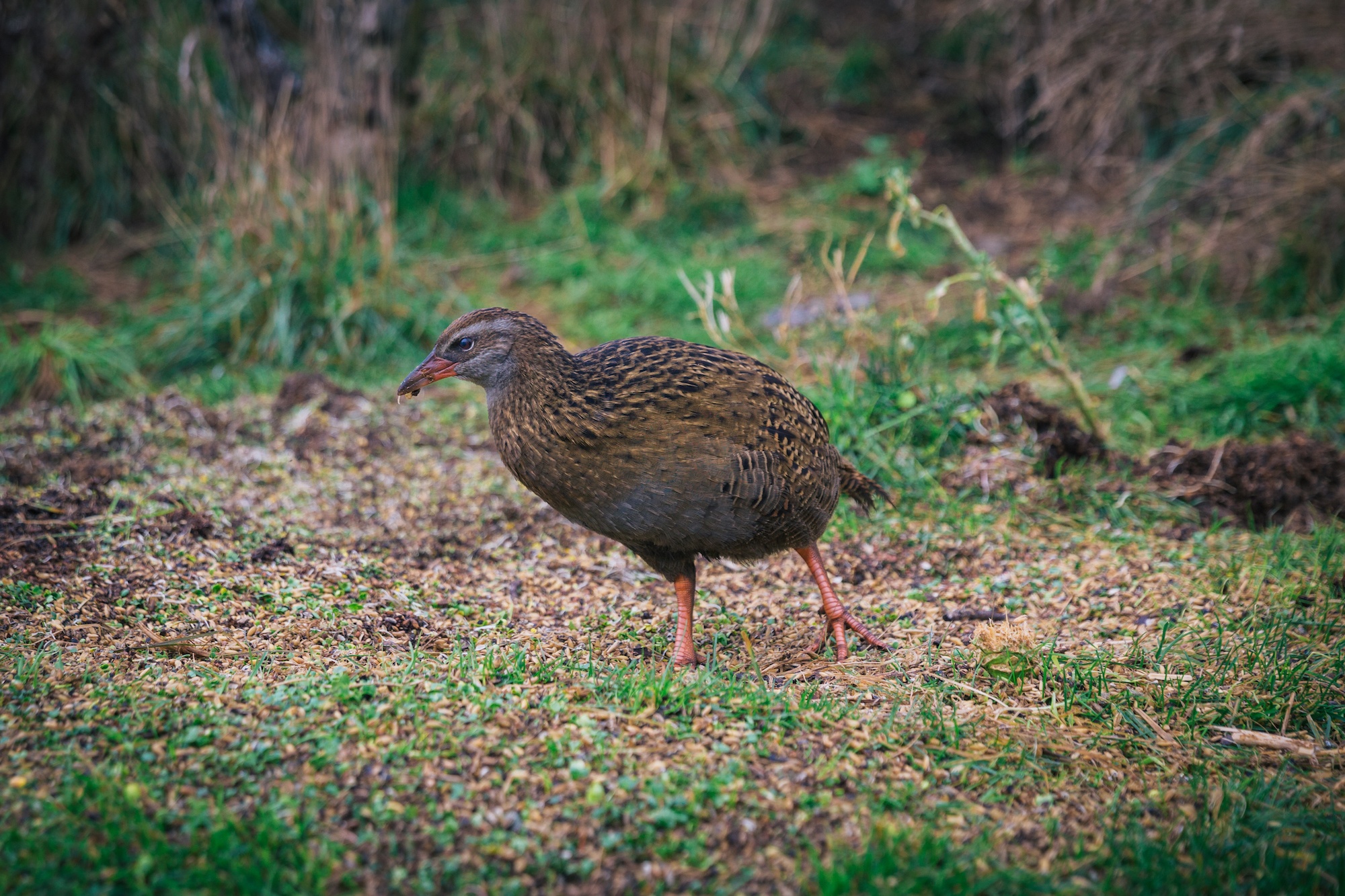
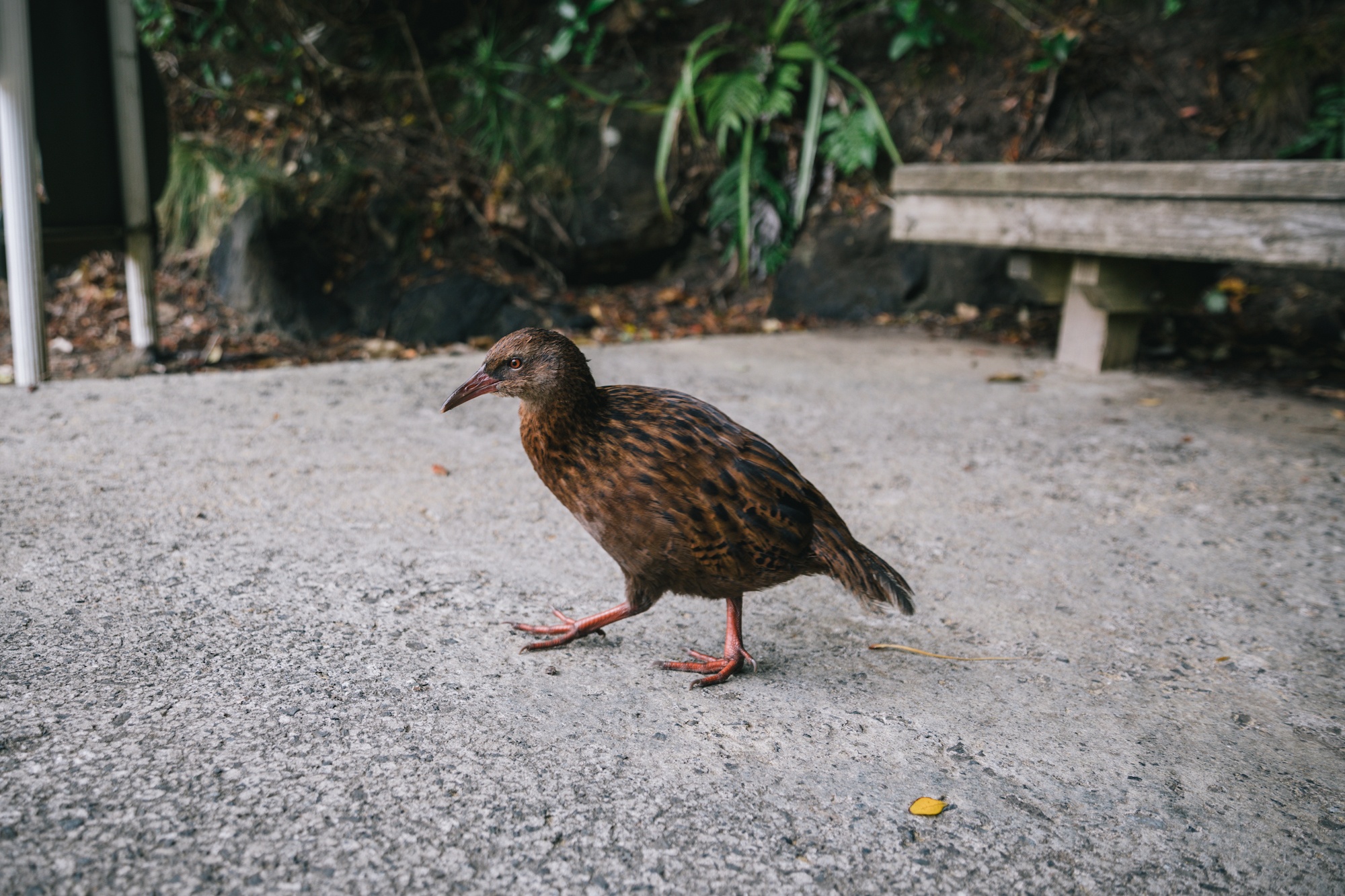
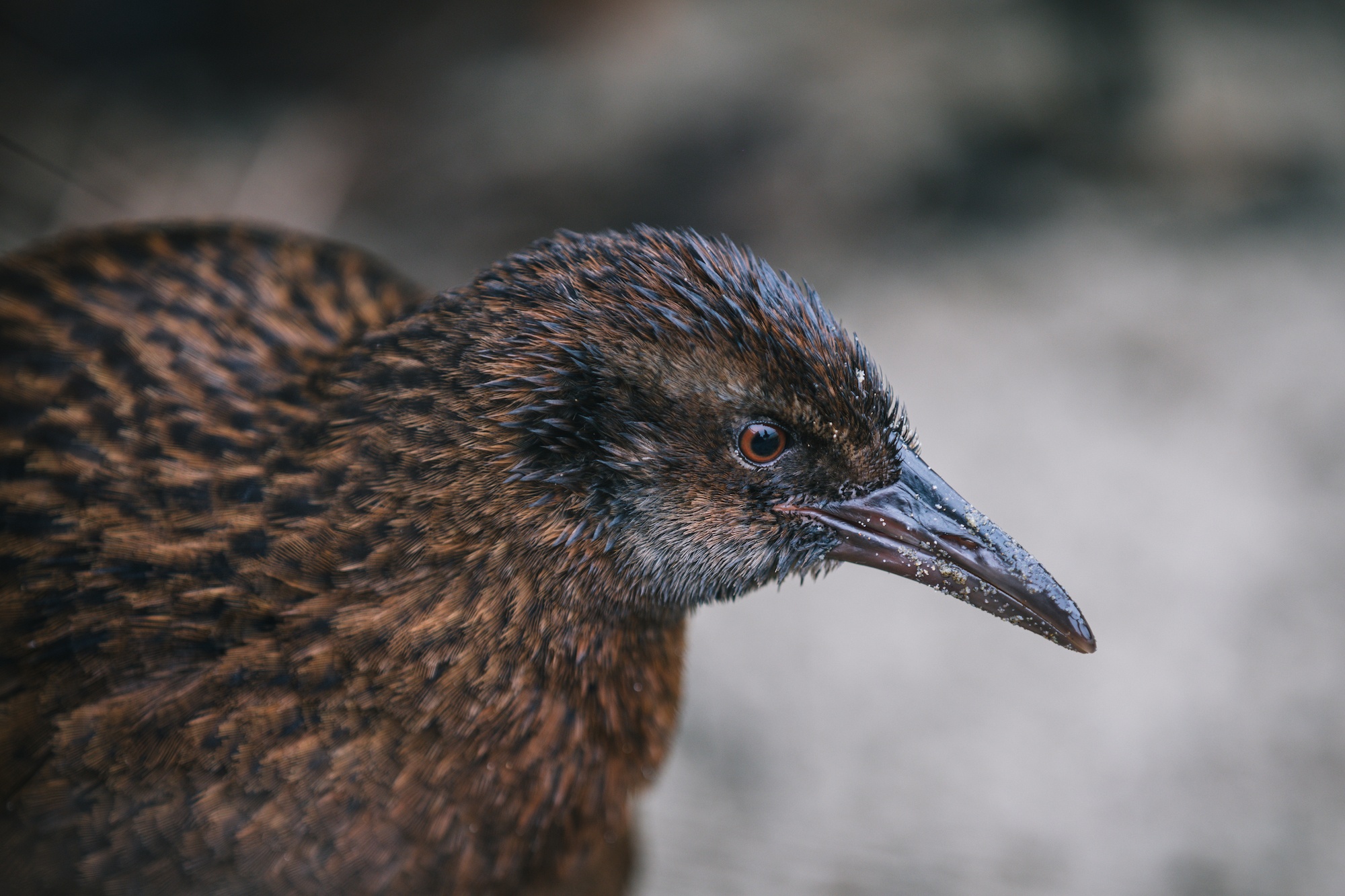
Their plumage exhibits earthy tones, predominantly comprising chestnut, tawny, and dark brown hues intermingled with streaks of black and grey, providing camouflage within forest floors and scrublands. A defining physiological feature is their striking red eyes, which contribute to an intense and inquisitive facial expression. Lacking the ability to fly, weka rely on exceptional running speed and agility to navigate their environments. When startled, they frequently execute sudden vertical leaps accompanied by erect tail feathers, a behavioral display that underscores their erratic and energetic disposition.
Dietary Habits and Ecological Position

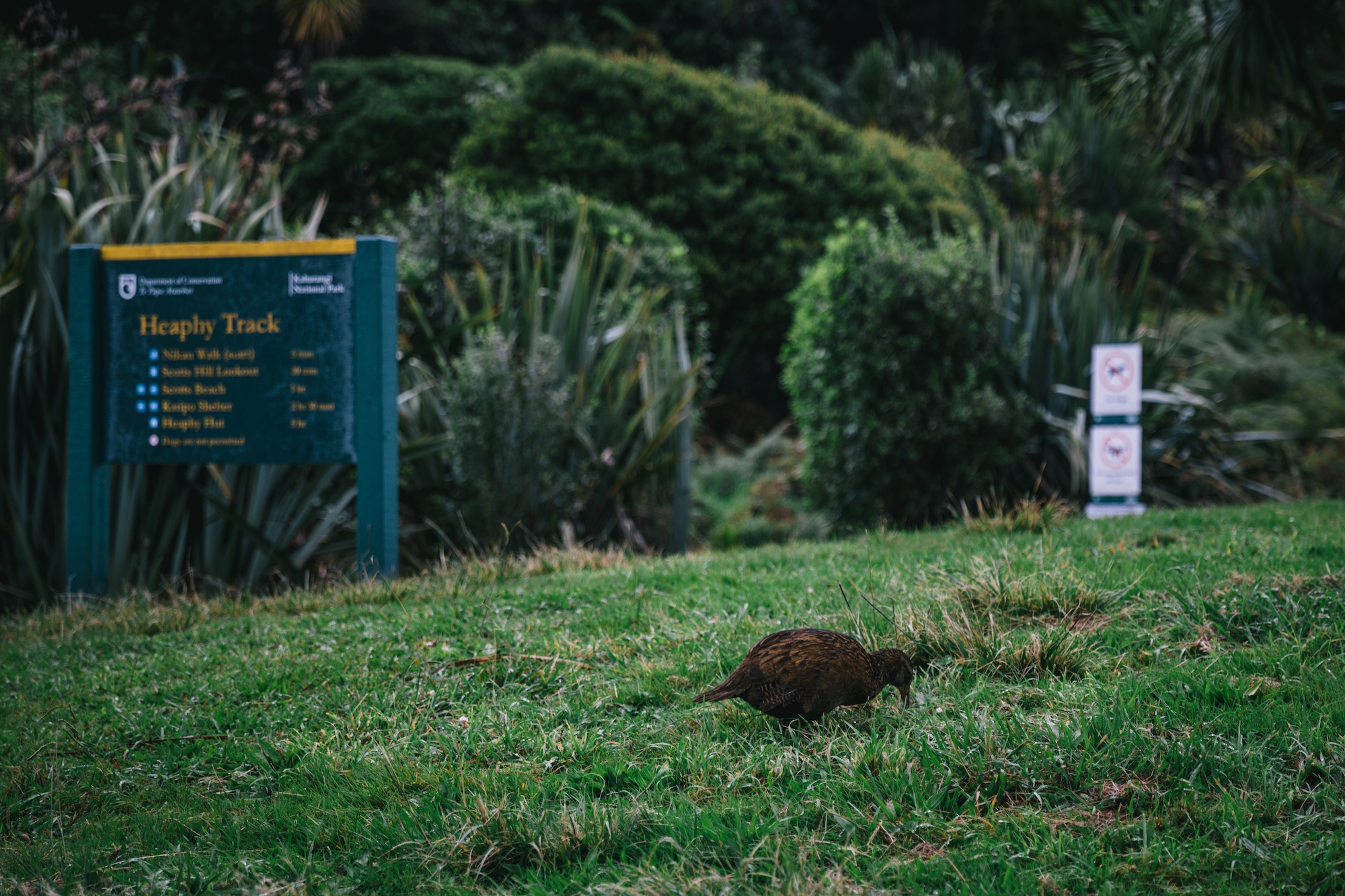
The ecological footprint of the weka is defined by opportunistic foraging. As omnivores, their natural diet primarily consists of invertebrates, seeds, fallen fruit, and small vertebrates. However, their foraging repertoire extends to coastal environments, where they scavenge tide pools, consume carrion, and prey upon small mammals such as introduced rats, mice, and rabbits.
While the consumption of introduced rodent pests offers a localized ecological benefit, the weka’s predatory appetite does not discriminate. They are known to consume the eggs, chicks, and vulnerable juveniles of other native bird and lizard species. This lack of dietary specialization places them at odds with intensive conservation management strategies. Consequently, weka are frequently excluded from predator-free offshore islands and mainland eco-sanctuaries where endangered, ground-nesting endemic species are prioritized for protection. This dynamic places the species in a paradoxical position: native to New Zealand yet occasionally treated as an ecological threat to other vulnerable wildlife.
Historical Significance and Human Interaction

Long before European settlement, the weka held substantial cultural and economic importance for Māori iwi. Archaeological and historical records indicate that various tribes utilized the species as a reliable resource for sustenance, rendered oil, and decorative feathers. Traditional harvesting methods required specialized knowledge of the bird’s inquisitive nature, as weka are easily lured by movement and sound.
Following European colonization in the 19th century, settlers extensively documented the bird’s characteristic boldness and thievish tendencies. Historical journals frequently recount instances of weka absconding with camping equipment, shiny objects, and food rations. This persistent behavioral trait stems from their high level of curiosity and lack of innate fear toward human settlements, particularly in high-traffic recreational areas such as national parks and tramping tracks.
Conservation Status and Management Challenges

Despite their robust appearance and adaptability compared to other native avifauna, weka populations face significant environmental pressures. Mainland populations are fully protected under the Wildlife Act 1953, yet they remain vulnerable to habitat fragmentation, predation by introduced mammalian carnivores (such as stoats, ferrets, and feral cats), competition for food resources, and high mortality rates from vehicular collisions on rural roads.
Population dynamics for the species are characterized by cyclical booms and crashes. While certain regional populations maintain stable or increasing numbers—particularly along the West Coast of the South Island—others have experienced severe contractions in their historical distribution ranges. The Department of Conservation (DOC) and various regional bodies have periodically implemented translocation and recovery initiatives to reintroduce weka to parts of their former native habitats, aiming to restore ecological balance within specific regional ecosystems.

Controversies and Cultural Perceptions
The unique relationship between humans and weka occasionally yields unconventional legal and cultural debates. On the Chatham Islands and within specific isolated communities, traditional harvest practices and localized culinary interests have occasionally clashed with modern wildlife protection legislation. High-profile disputes involving independent agricultural figures challenging Department of Conservation restrictions highlight ongoing cultural tensions regarding the sustainable use and management of native wildlife resources.
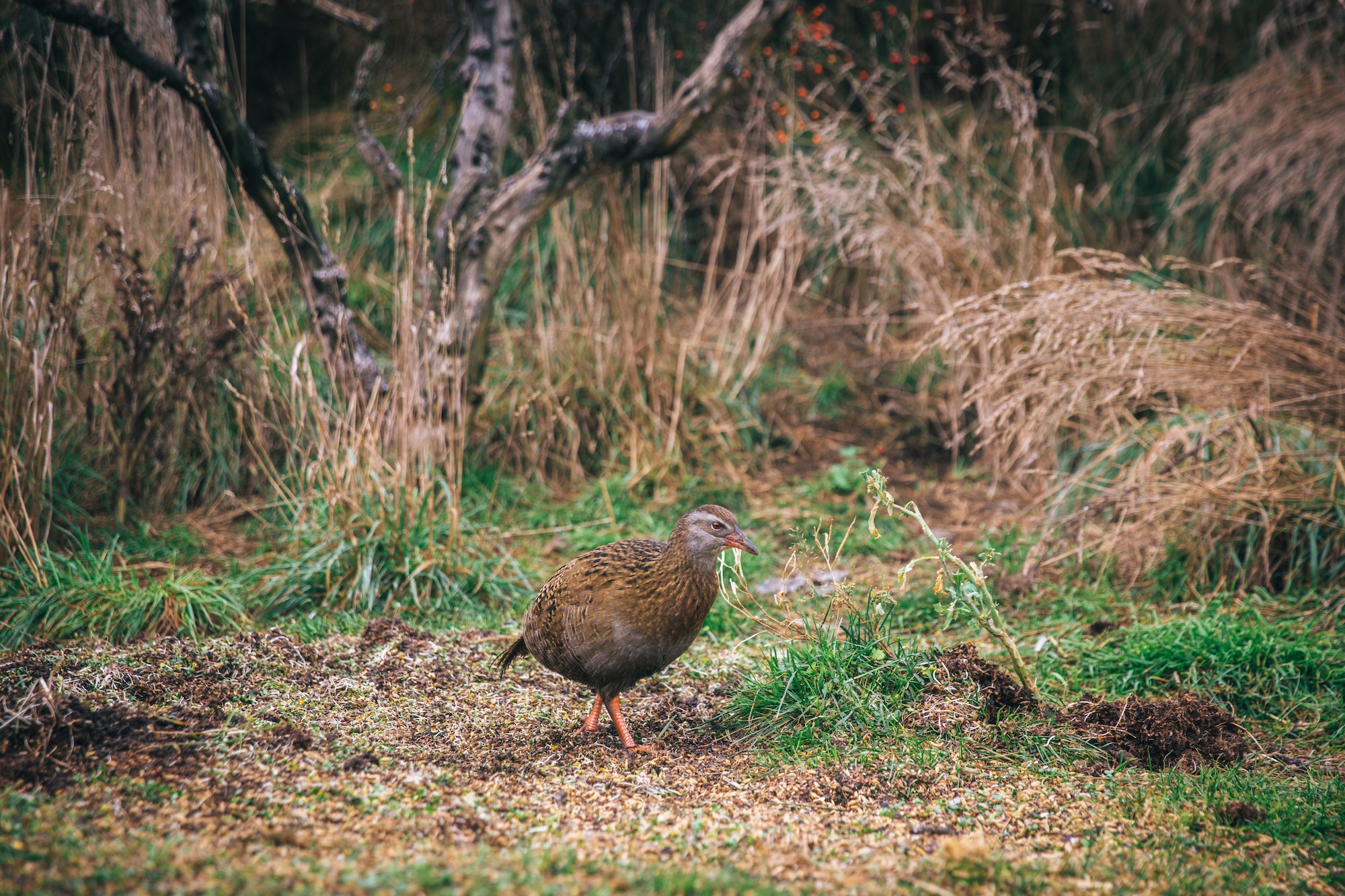
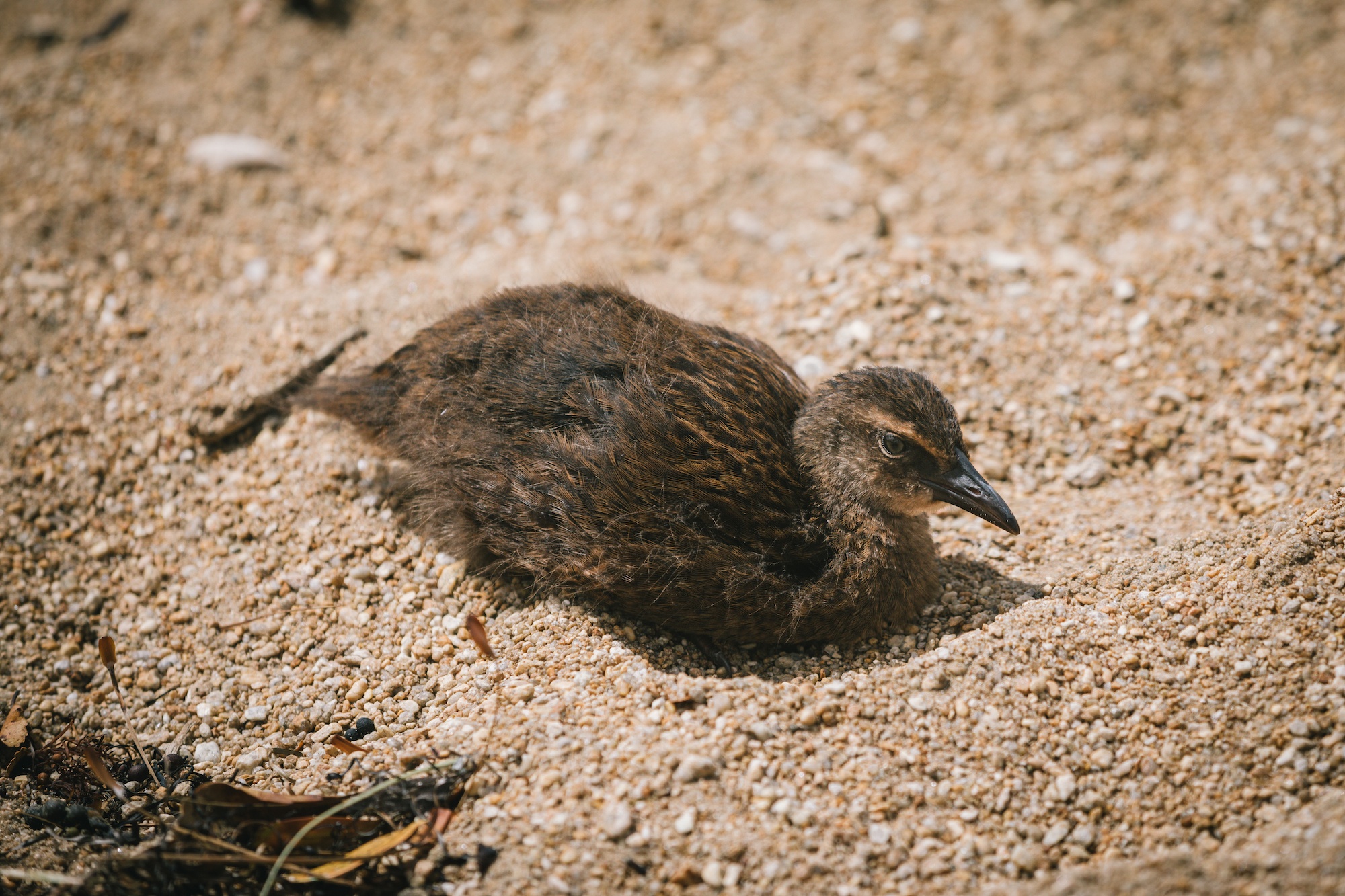
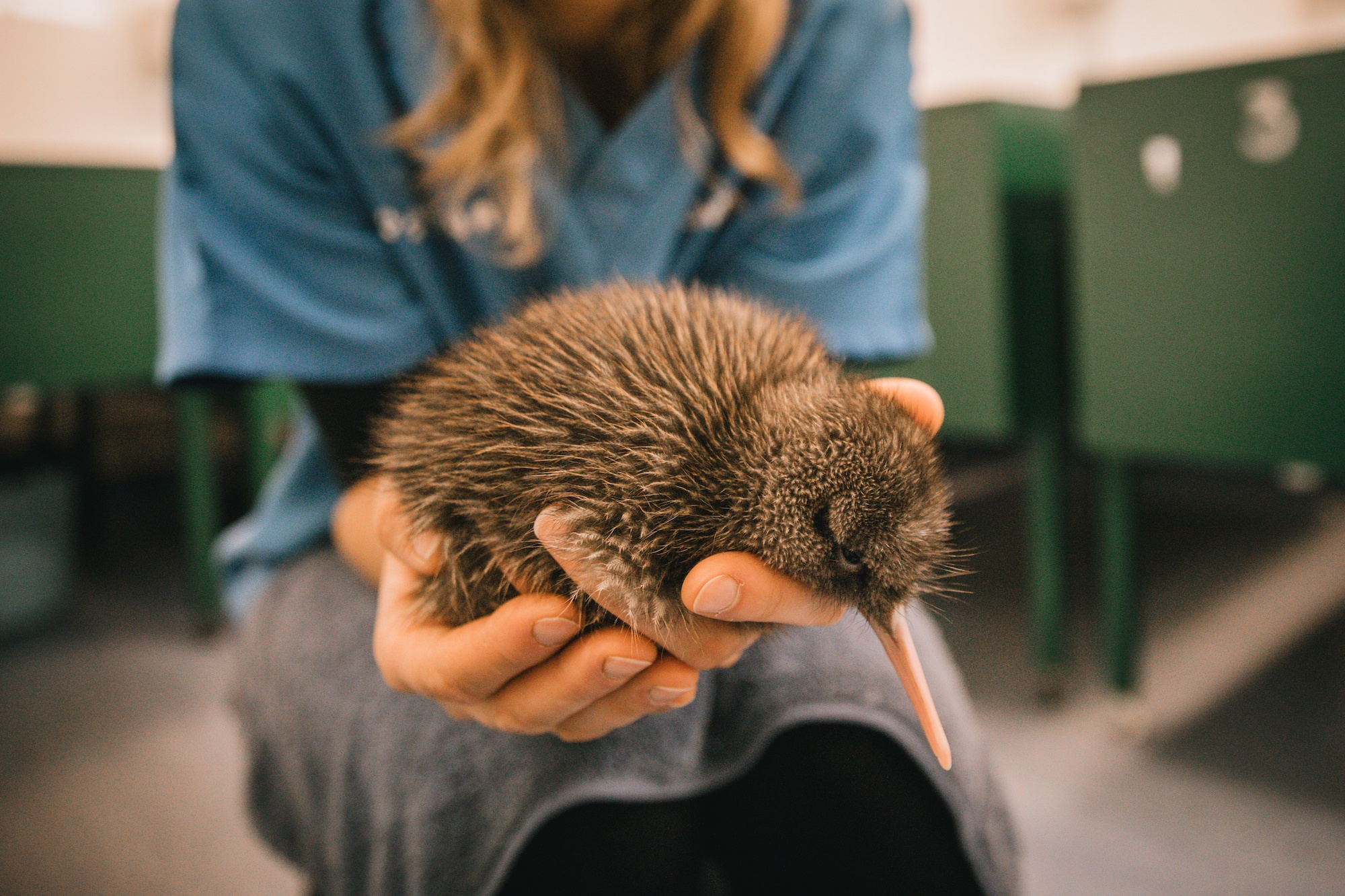
Furthermore, public encounters with weka frequently lead to cases of mistaken identity among international tourists and domestic visitors. It is common for travelers traversing mainland tracks to misidentify weka chicks or adult birds as kiwi due to a general lack of awareness regarding the physical differences between the two species. While kiwi are strictly nocturnal, highly endangered, and rarely observed in daylight without specialized guiding, weka are diurnal, highly visible, and frequently encountered in proximity to human infrastructure.

Implications for New Zealand’s Environmental Future

As New Zealand pursues its ambitious national conservation target of eradicating introduced mammalian predators by 2050—widely known as the Predator Free 2050 initiative—the management strategies surrounding native species like the weka will require continuous scientific evaluation. Balancing the imperatives of protecting highly endangered, flightless endemic birds with the ecological reality of resilient, opportunistic species like the weka remains a central challenge for wildlife managers.

Ultimately, the weka endures as a symbol of untamed persistence within New Zealand’s wilderness. Surviving habitat loss, predatory pressures, and shifting human landscapes, the species maintains its distinctive behavioral autonomy. Whether viewed as an inquisitive camp nuisance, an aggressive predator of vulnerable wildlife, or a resilient survivor of a changing ecosystem, the weka commands a permanent and complex place within the natural heritage of Aotearoa.