The Himalayan climbing season remains in a state of high-altitude volatility as mountaineering teams across Nepal scramble to recalibrate following the passage of the season’s second major cyclone. The weather system, which swept through the region last weekend, deposited heavy layers of fresh snow across the Khumbu and surrounding ranges, briefly forcing a standstill for expeditions. While the meteorological disturbance was relatively short-lived compared to previous storms, its impact has been heterogeneous: forcing some independent climbers to abandon their objectives entirely, while highly supported commercial expeditions on peaks like Ama Dablam prepare to resume their summit pushes within days.
A Chronology of the Recent Weather Disturbance
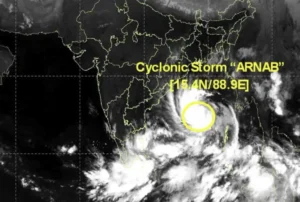
The late-season weather pattern began intensifying toward the end of October, bringing unseasonal precipitation to high-altitude zones. By the weekend of November 1-2, the cyclone had effectively shuttered operations on most 7,000-meter peaks.
- Late October: Teams on Himlung (7,126m) executed a frantic summit window to clear the mountain before the cyclone’s arrival. This urgency was underscored by the memory of a catastrophic late-September avalanche that claimed 16 lives at the mountain’s base camp.
- November 1-2: The cyclone peaked, dumping significant snowfall across the Everest region and surrounding 7,000-meter peaks.
- November 3: Clearing skies and rising temperatures signaled a brief window of stability, prompting logistics coordinators to begin assessing route safety and clearing buried fixed lines.
- November 4-6: Scheduled window for the resumption of summit pushes for various commercial teams, pending successful route rehabilitation.
Everest: The West Ridge Ambition
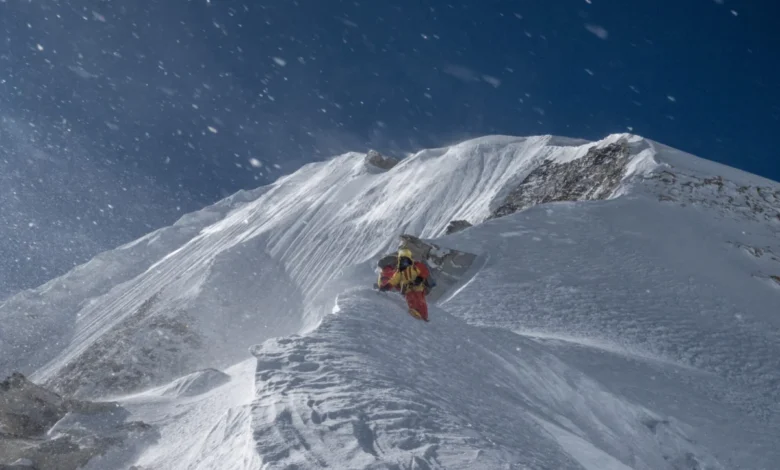
Despite the harsh conditions, the resolve of specialized teams remains undiminished. A Russian expedition led by Andrei Vasiliev continues its commitment to the technical and unforgiving West Ridge of Everest. Operating without the safety net of supplemental oxygen or large-scale support, the team—which also includes Sergey Kondrashkin and Vitaly Shipilov—views the weather interruption as a manageable variable.
Vasiliev, speaking from Kathmandu, indicated that the team is finalizing preparations for a return to the mountain within 48 hours. The psychological toll of high-altitude isolation, combined with the physical depletion caused by recent illness and extreme cold, presents a formidable challenge. However, the team remains focused on the technical requirements of the route, viewing the current setbacks as part of the inherent adaptation process required for such a high-stakes ascent. Their pursuit of the West Ridge remains one of the most significant, albeit isolated, undertakings of the current season.
The 7,000-Meter Peaks: A Mixed Landscape of Success and Retreat
The impact of the snowfall has been most acute for climbers on Baruntse (7,129m). The peak, which had attracted approximately 65 foreign climbers across six major teams, proved impassable for many. Jan McManus, a climber from Ireland, documented the difficulties on the route, noting that deep, unstable snow conditions rendered the ascent to Camp 1 untenable. The decision to abandon the expedition reflects the broader reality of the current season: where the objective risk—namely avalanche danger and pathfinding in deep snow—outweighs the potential for a safe summit.
In contrast, the experience on Himlung highlights the complex interplay between tourism and safety. Following the tragic events of September, the mountain remained open to climbers. With 130 permits issued, the mountain saw a surge of activity. By leveraging the narrow weather window in late October, multiple teams were able to summit on October 25 and 26 before retreating safely. This successful execution suggests that while the risks of high-altitude climbing remain high, experienced teams with rigid adherence to weather windows can mitigate some of the inherent dangers, though the tragedy of the previous month serves as a somber reminder of the limitations of such planning.
Ama Dablam: The Commercial Engine
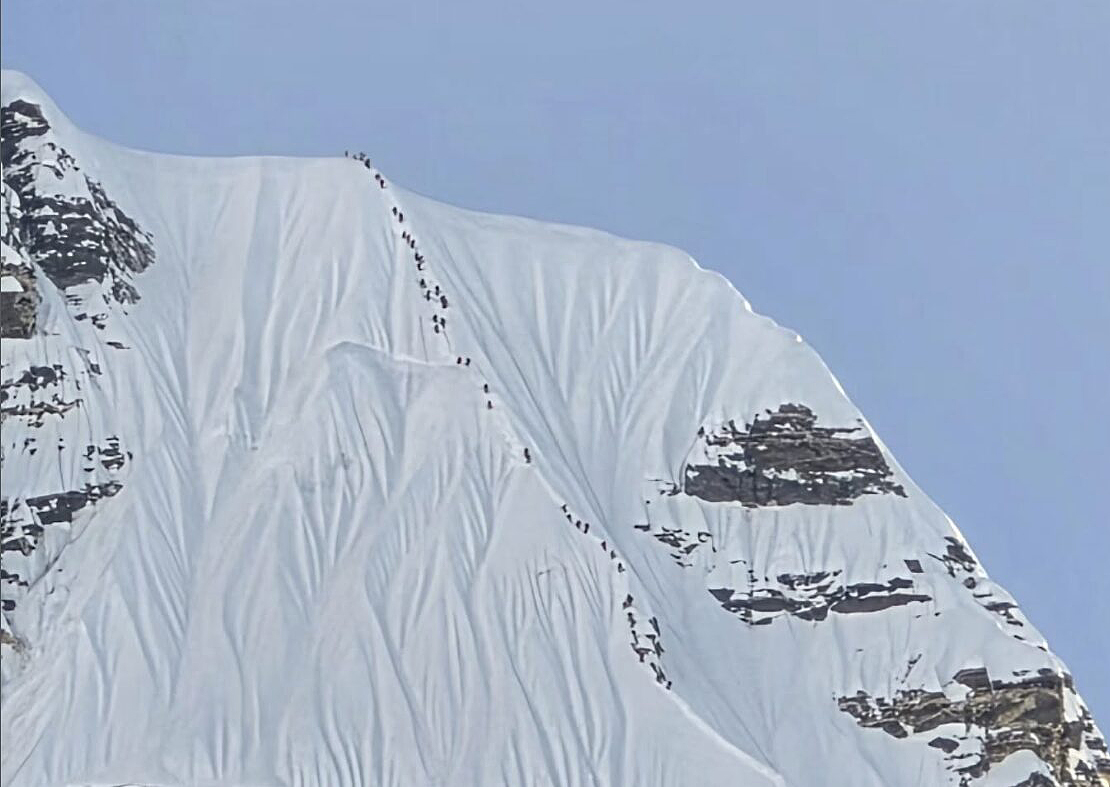
Ama Dablam continues to serve as the epicenter of commercial mountaineering this season. With 410 foreign climbers holding permits, the mountain remains a focal point for the regional economy and the broader Himalayan climbing community. The route, first fixed by a dedicated Sherpa team on October 17, is currently being restored after the recent snow dump.
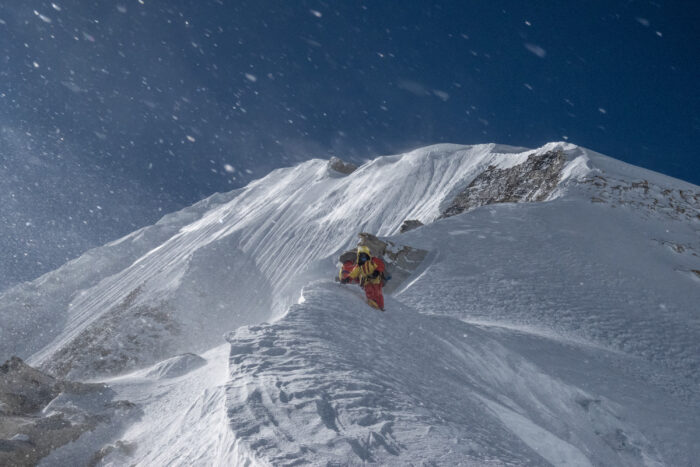
Jana Schneider, a climber affiliated with 14 Peaks Expeditions, confirmed that infrastructure work is underway to clear the routes. The strategy for these teams is clear: once the Sherpa teams re-establish the safety lines, the commercial summit window is expected to open, likely lasting through the remainder of November.
However, the mountain has not been without incident. One fatality has already been recorded this season, and recent reports highlight the precarious nature of the climb. A notable incident involved Australian climber Paul Clarke and Hungarian climber Xenia Santha. While ascending without Sherpa support, the duo encountered a 25-year-old climber suffering from severe high-altitude distress at Camp 2. The pair’s decision to halt their ascent to provide life-saving medication and assistance—and to remain with the climber until an emergency evacuation could be coordinated—is indicative of the communal ethics often found in the high-altitude mountaineering community. Their subsequent successful summit serves as a testament to the resilience of independent climbers operating under pressure.
Broader Implications and Analysis
The current state of Himalayan mountaineering presents several critical points for analysis regarding the future of the industry:
- Climate Instability: The recurrence of cyclones late in the season suggests that traditional "weather windows" are becoming increasingly unpredictable. Expedition planning, which was once based on decades of historical data, now requires a higher degree of flexibility and reliance on real-time meteorological forecasting.
- Safety and Infrastructure: The reliance on Sherpa teams to fix ropes and clear routes after major weather events highlights the heavy dependence of commercial expeditions on local expertise. While this infrastructure allows for a higher volume of climbers, it also creates a bottleneck; if the support teams are unable to clear the routes, the entire commercial pipeline stalls.
- Risk Management in the Age of "Tourism Mountaineering": The incident on Ama Dablam involving the rescue of a stranded climber underscores the ongoing debate regarding the experience levels of those purchasing permits. As the industry grows, the strain on emergency services and the reliance on fellow climbers for rescues will likely increase, necessitating stricter oversight or more robust self-rescue requirements.
As the season progresses, all eyes are on the upcoming week. The successful resumption of climbs on Ama Dablam will provide a necessary boost to the regional climbing sector, while the progress of the Russian team on the Everest West Ridge will remain a critical point of interest for the global climbing community. For the remainder of the season, the primary determinant for success will be the ability of teams to interpret the shifting post-cyclone conditions, balance their risk tolerance, and execute their plans within the rapidly shortening window of the late-autumn season. The balance between ambitious exploration and the harsh reality of Himalayan weather remains as delicate as ever.
Related posts: