The Ultimate Guide to Luxury Dog-Friendly Travel: How to Plan a Seamless Vacation for the Entire Family

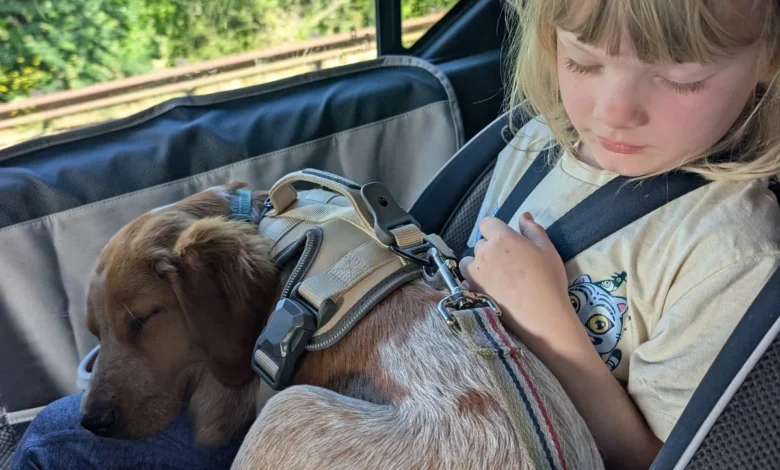
The modern family vacation is increasingly expanding to include its four-legged members, transforming how pet owners approach holiday planning, hospitality, and destination selection. What was once a logistical hurdle—often involving stressful drop-offs at local kennels or relying on hesitant neighbors—has evolved into a sophisticated sector of the travel industry. Today, bringing a dog along on a major family trip requires strategic itinerary design, a clear understanding of regional pet regulations, and the selection of accommodations that treat animals not merely as tolerated guests, but as valued members of the household.
Recent travel industry data indicates that pet-inclusive travel has surged significantly over the past decade. A growing demographic of travelers views pets as integral family companions whose presence enhances, rather than hinders, the vacation experience. However, successfully navigating a multi-destination journey with a high-energy puppy or an older canine companion demands meticulous preparation. Balancing the distinct needs of children, adults, and pets requires careful schedule juggling, advanced bookings for pet care, and an open-minded approach to unexpected travel dynamics.
The Evolution of Luxury Pet Hospitality in the Hospitality Sector
The cornerstone of a successful pet-inclusive vacation is finding accommodations that seamlessly integrate animals into the luxury experience. While thousands of properties across North America and Europe officially designate themselves as "pet-friendly," a stark divide exists between basic accommodation policies and true luxury pet pampering. Elite hospitality brands have recognized that discerning travelers expect their pets to receive the same level of refined service as human guests.

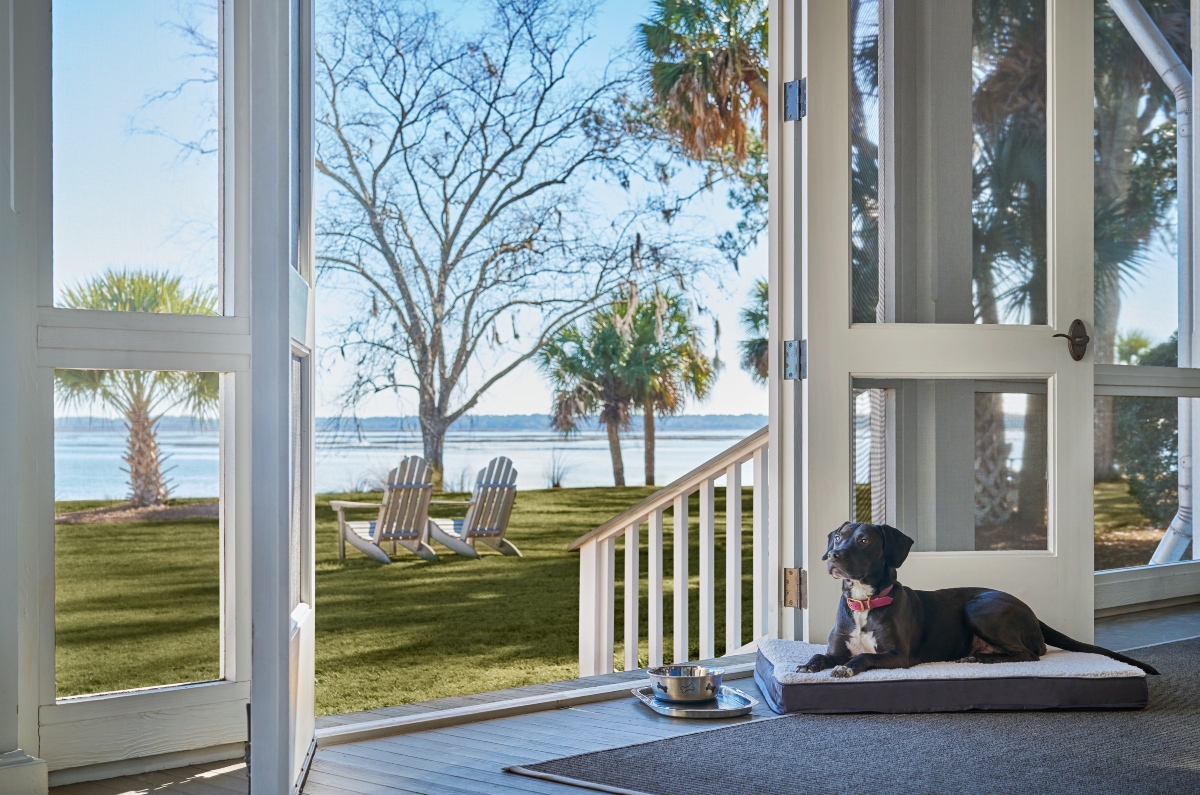
Leading hospitality collections—including Montage Hotels & Resorts, Auberge Resorts Collection, Kimpton Hotels & Restaurants, and Four Seasons Hotels and Resorts—have established the gold standard for pet-inclusive luxury. These properties routinely provide bespoke amenities that elevate the travel experience for animals. Rather than merely providing a basic floor mat, top-tier hotels furnish rooms with plush, orthopedic pet beds, specialized organic treats, custom water and food bowls, and dedicated turndown services.
Specific flagship properties have taken pet gastronomy to unprecedented heights. At the Montage Laguna Beach in Southern California, for instance, in-room dining menus feature chef-prepared pet options including specialized selections of chicken, salmon, beef, and a dedicated filet mignon dish formulated specifically for canine nutritional safety. Similarly, the Montage Palmetto Bluff in South Carolina welcomes visiting dogs with house-made artisanal biscuits and provides a dedicated concierge service capable of coordinating professional walking schedules and local pet-sitting services.
Other notable luxury standouts include The Lowell on New York City’s Upper East Side, the Enchantment Resort nestled in the red rocks of Sedona, Arizona, Inn by the Sea along the picturesque coast of Maine, The Broadmoor in Colorado Springs, and the historic Ojai Valley Inn in California. Industry experts emphasize that pet policies, weight limits, and cleaning fees vary drastically between properties and are subject to frequent revision. Consequently, travel advisors recommend verifying current guidelines directly with hotel management or utilizing specialized travel planning services before finalizing any reservations.
Strategic Itinerary Planning: Aligning Family Activities with Canine Needs
Designing a cohesive travel itinerary that satisfies both human children and canine companions requires a delicate balancing act. A typical family road trip often encompasses varied activities, ranging from formal social engagements, such as destination weddings, to rugged outdoor explorations like coastal beach walks and forest hikes.
To prevent friction during the trip, travel experts advise categorizing the itinerary into segments: activities where the dog is a welcome participant, and mandatory periods where professional pet care is essential. For instance, attending formal events or restricted cultural sites necessitates reliable local daycare arrangements. Conversely, outdoor excursions—such as strolling along open coastlines or navigating mountain trails—allow the dog to burn off excess energy while keeping the family unit intact.
Researching regional regulations prior to departure is critical to avoiding logistical setbacks. Pet owners accustomed to the liberal beach access laws found in states like Oregon often experience regulatory shock when encountering stricter coastal policies in destinations like California. While the Pacific Northwest features expansive public shorelines where dogs are routinely permitted to run off-leash, many California state beaches and local municipalities enforce strict bans on domestic animals on the sand. Navigating these regional variances requires foresight; destinations such as Carmel-by-the-Sea stand out as rare exceptions, welcoming dogs off-leash in designated coastal zones and setting a benchmark for pet-friendly municipal planning.
Mitigating Travel Stress: The Journey as Part of the Vacation
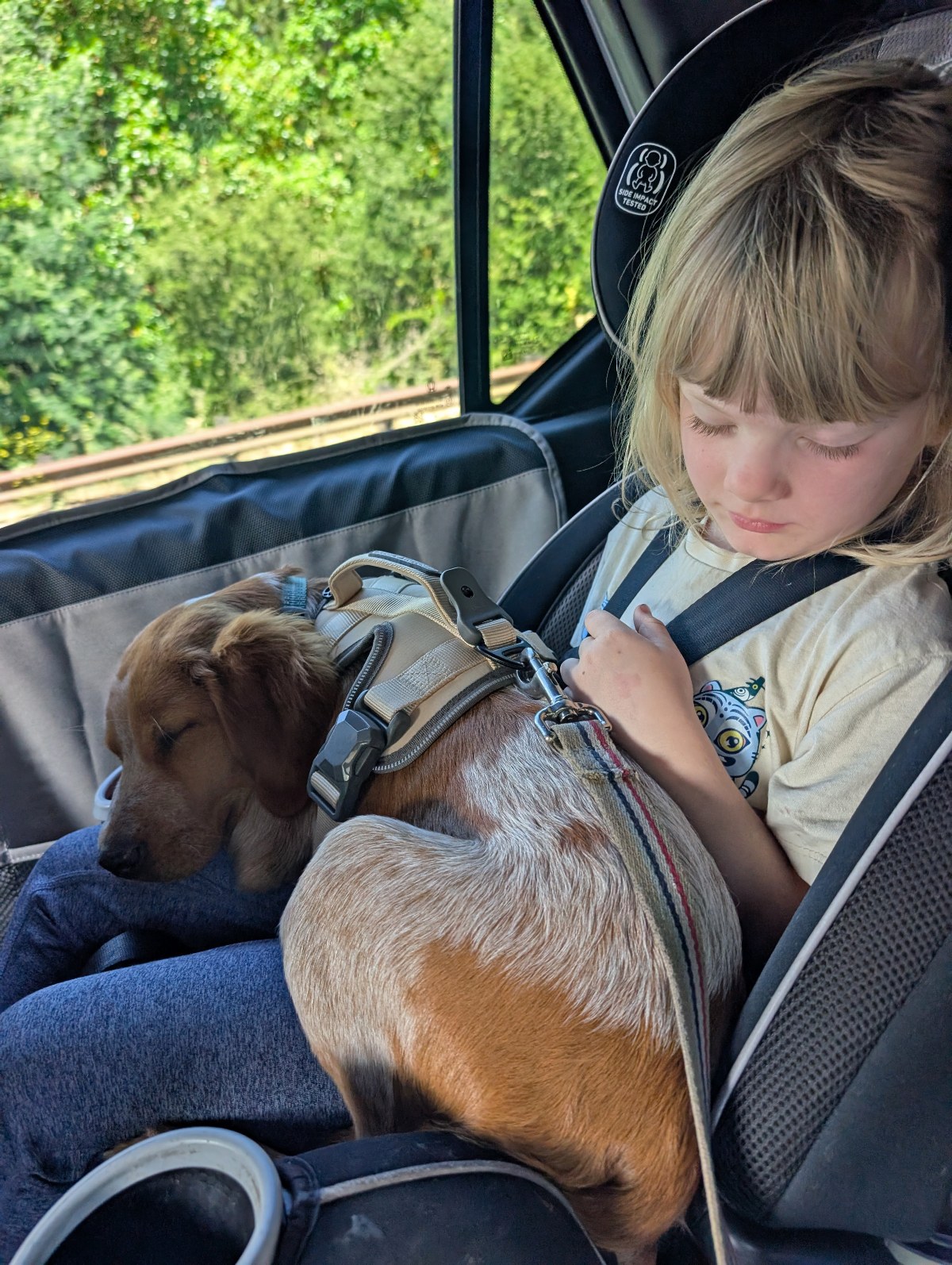
For families undertaking road trips rather than air travel, the journey itself should be conceptualized as an extension of the vacation rather than merely a transit period. Transporting a high-energy puppy or an anxious dog across state lines requires intentional scheduling adjustments.
Rather than executing rushed pit stops exclusively for quick bathroom breaks, savvy travelers deliberately integrate extended stops into their driving routes. Scheduling pauses at fenced off-leash dog parks or pristine freshwater lakes allows both children and dogs to stretch their limbs, expend pent-up energy, and acclimate to new environments. Transforming a grueling ten-hour drive into a series of engaging outdoor excursions significantly reduces travel-induced anxiety for animals, ensuring they arrive at the final destination calm and receptive.
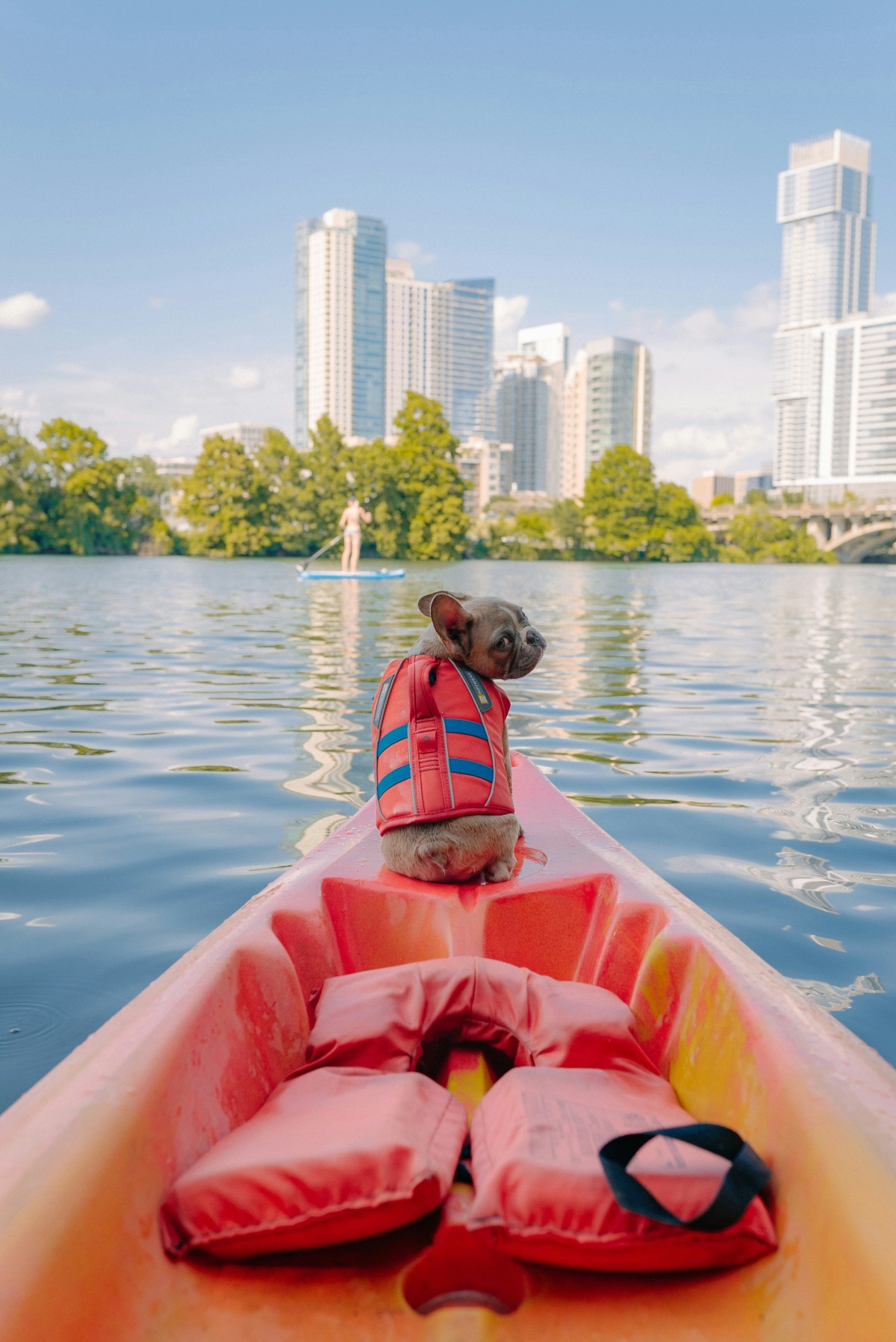
Veterinary and animal behavior experts consistently emphasize the importance of gradual habituation. Prior to embarking on an extended road trip, owners should acclimate their dogs to vehicle travel through shorter, positive excursions. Ensuring proper restraint—such as crash-tested harnesses, secure travel crates, or designated seatbelt attachments—is paramount for passenger safety. Furthermore, adhering to basic health and safety protocols outlined by organizations like the American Kennel Club helps mitigate medical emergencies while away from home.
Securing Reliable Pet Care: Daycare and Boarding Infrastructure
A successful family holiday involving pets relies heavily on acknowledging moments when human-only activities take precedence. Whether attending a wedding, visiting a museum, or dining at a fine-establishment prohibiting animals indoors, owners must establish a dependable care network at their destination.
Advanced research into local, high-end pet care facilities is essential. Establishing a relationship with a destination daycare that permits drop-in visits allows owners to handle necessary administrative tasks—such as submitting vaccination records and completing behavioral evaluations—weeks prior to arrival. Nationwide networks, such as K9 Resorts Luxury Pet Hotel, operate numerous locations across the United States, offering high-end boarding and daycare services equipped with professional staff, climate-controlled environments, and playgroups carefully segregated by canine size and temperament.
Furthermore, many luxury hotels maintain partnerships with trusted local pet service providers, offering in-house concierge assistance to book licensed dog walkers, professional sitters, or structured daycare programs. This infrastructure ensures that pet owners can enjoy adult-oriented or restricted activities with complete peace of mind, knowing their companion is receiving attentive professional care.
Dining and Social Integration: The Rise of Patio Culture
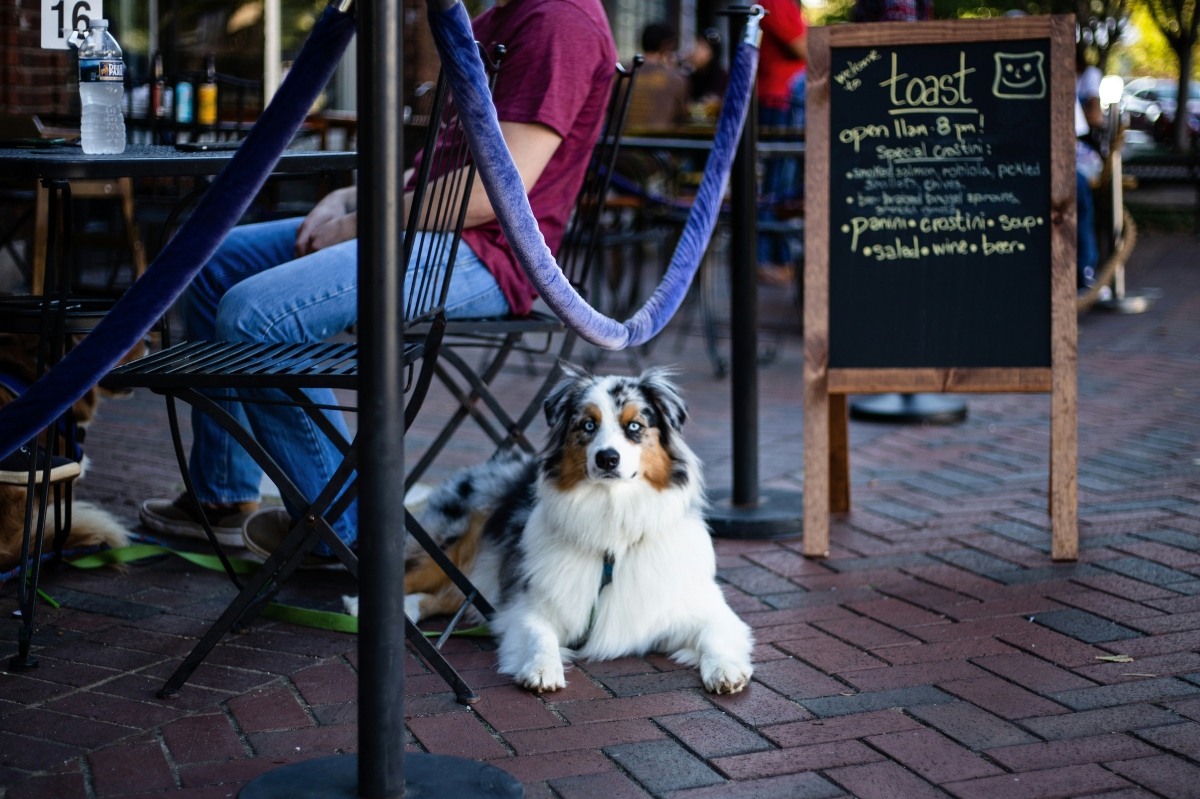
The expansion of outdoor dining culture across North America has fundamentally altered the landscape of pet travel. Destinations characterized by favorable weather conditions—such as Southern California, the American Southwest, and parts of the Southeast—frequently feature thriving patio dining scenes where well-behaved dogs are warmly welcomed.
Choosing destinations with robust outdoor restaurant cultures allows families to linger over extended lunches and dinners without the stress of rushing back to a hotel room. This integration prevents the common dilemma of leaving an anxious pet isolated in unfamiliar lodging, a practice frequently prohibited by strict hotel housekeeping and noise policies. In instances where restaurant patios are unavailable, families can pivot to alternative dining strategies, such as gourmet picnics in expansive, dog-friendly urban parks and green spaces.
Broader Implications and Industry Growth
The sustained growth of the pet-friendly travel sector reflects a broader cultural shift regarding the status of domestic animals within modern society. As pets increasingly occupy the emotional space of family members, consumer demands have forced the hospitality, transportation, and tourism industries to adapt.
Airlines, hotel chains, and municipal tourism boards are continually revising infrastructure to accommodate this demographic. Airports are expanding designated animal relief areas, hotel brands are institutionalizing specialized pet-training programs for hospitality staff, and coastal cities are re-evaluating zoning laws to balance ecological preservation with domestic animal access.
Ultimately, traveling with a dog demands patience, flexibility, and financial investment. Yet, for families willing to navigate the logistical complexities, the shared experiences—watching a child build sandcastles alongside a joyful puppy, or exploring a misty forest trail together—foster profound bonds. With adequate preparation, meticulous planning, and an understanding of regional constraints, a vacation featuring a canine companion transforms from a logistical challenge into an unforgettable chapter of family history.