Navigating Small-Ship Exploration: A Comprehensive Analysis of National Geographic and Lindblad Expeditions for Family Travelers


The landscape of family vacation planning has evolved significantly over the past decade, shifting away from standardized resort packages toward immersive, educational expeditions. Among the operators serving this growing market, the partnership between National Geographic Expeditions and Lindblad Expeditions has carved out a distinct niche. Combining scientific exploration with luxury small-ship cruising, these joint voyages offer families an alternative to mass-market tourism. However, the unique format, financial investment, and specialized focus of these trips require careful evaluation by prospective travelers, particularly those journeying with children or young adults.
Main Facts and Operational Overview
National Geographic and Lindblad Expeditions operate a fleet of specialized vessels designed to navigate coastal waters, fjords, and shallow ports inaccessible to traditional mega-cruise ships. Unlike conventional cruise lines that emphasize onboard entertainment—such as waterslides, Broadway-style shows, and dedicated children’s clubs—Lindblad vessels prioritize access, education, and comfort.
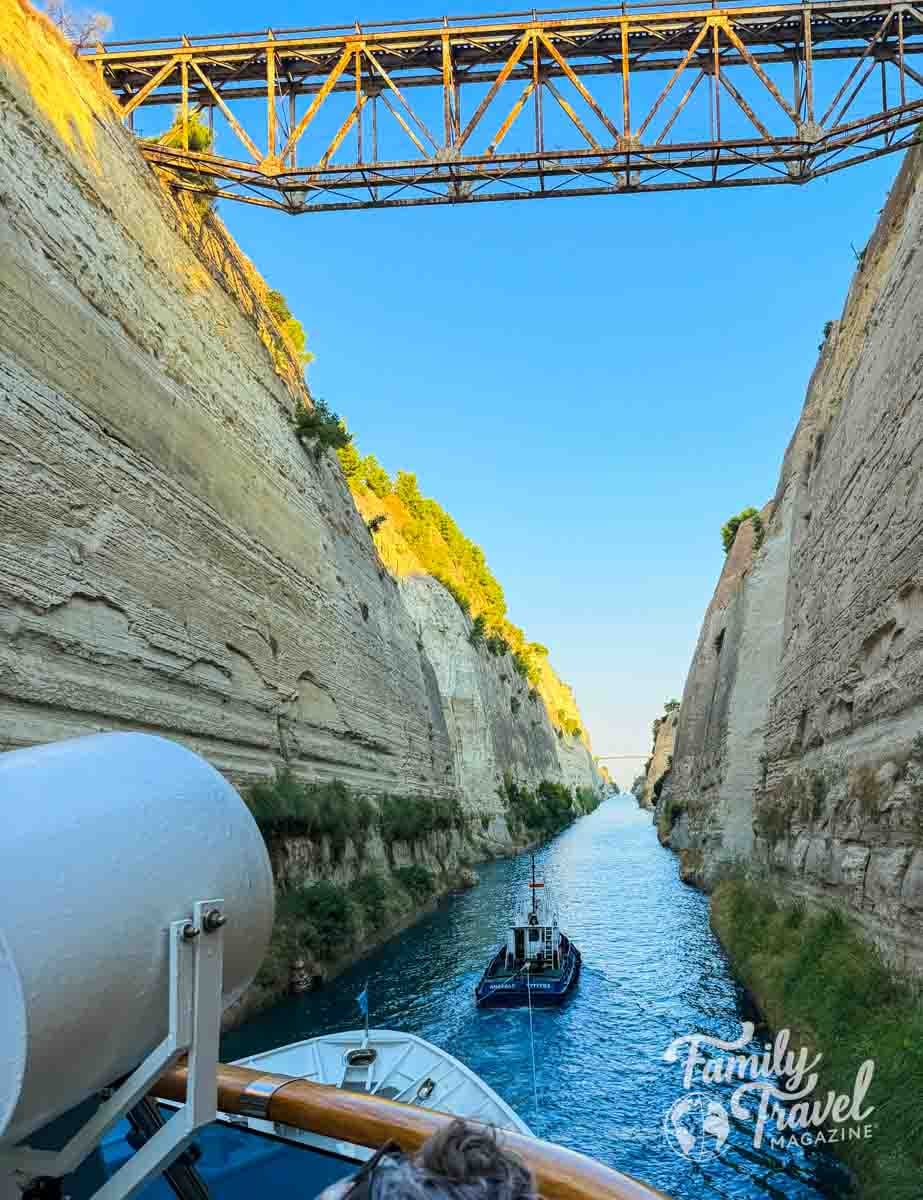
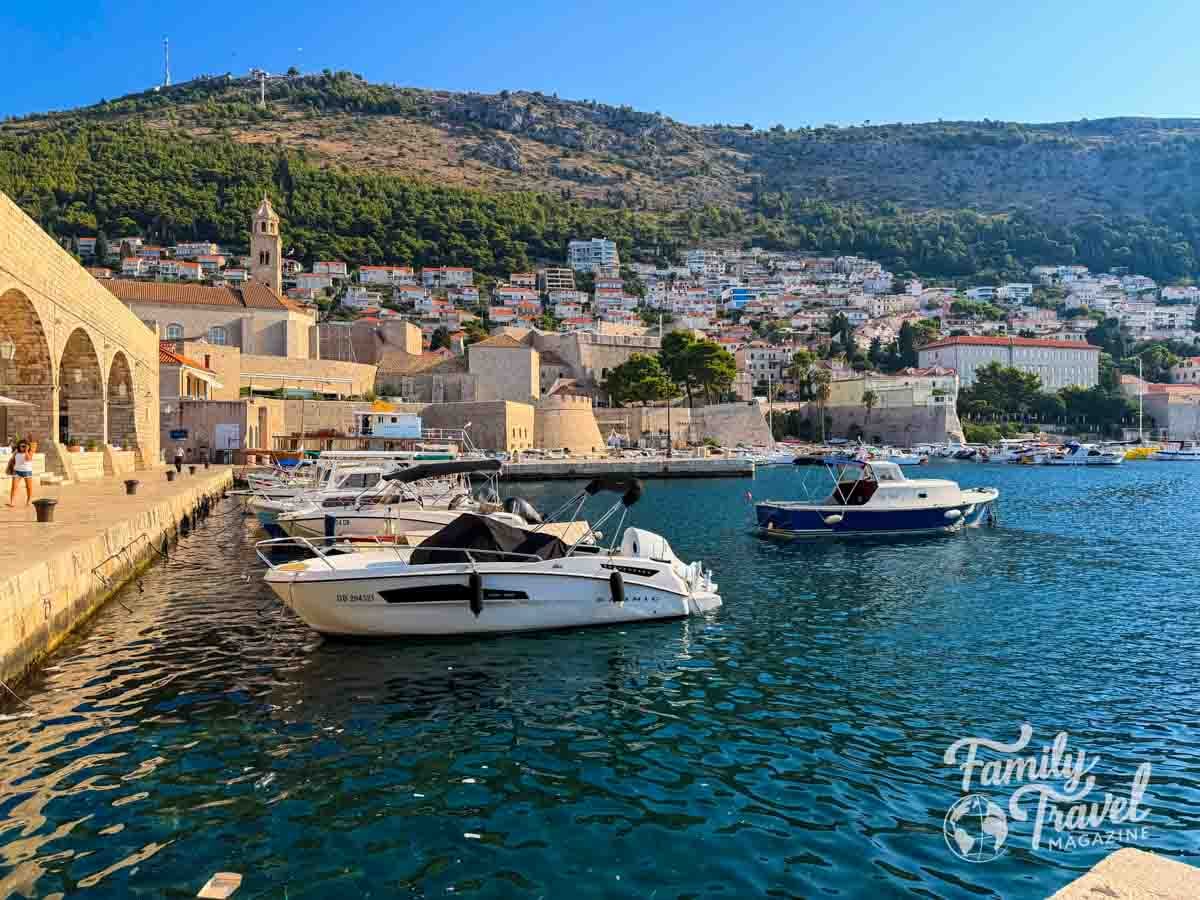
A prime example of this operational model is the National Geographic Orion, which recently hosted family travelers on itineraries spanning the Ancient Mediterranean, including stops in Greece, Albania, and Croatia. These voyages are engineered to maximize time ashore while integrating scientific research, historical context, and geological study directly into the daily itinerary.
Rather than featuring centralized entertainment complexes, the infrastructure of these expedition vessels centers around observation decks, lecture halls, and deployment systems for Zodiac rafts. These rubber-hulled motorized boats are critical for shore landings in remote or infrastructure-limited ports, serving as the primary transport vehicle when docking facilities are unavailable. Consequently, passengers must possess a moderate level of physical mobility and adaptability to participate fully in daily operations.
Chronology and Daily Expedition Structure
A typical day aboard a Lindblad-National Geographic voyage follows a structured, yet flexible, expedition rhythm. Passengers generally begin with an early morning buffet breakfast, followed by organized excursions tailored to varying levels of physical activity.
Days prior to departure, travelers receive a comprehensive catalog of excursion options for upcoming ports of call. Guests rank their preferences, and onboard expedition leaders curate daily manifests to balance group sizes. While certain flagship destinations offer only a single overarching tour, most ports feature a selection of at least three distinct itineraries, ranging from strenuous archaeological hikes to relaxed cultural walking tours.
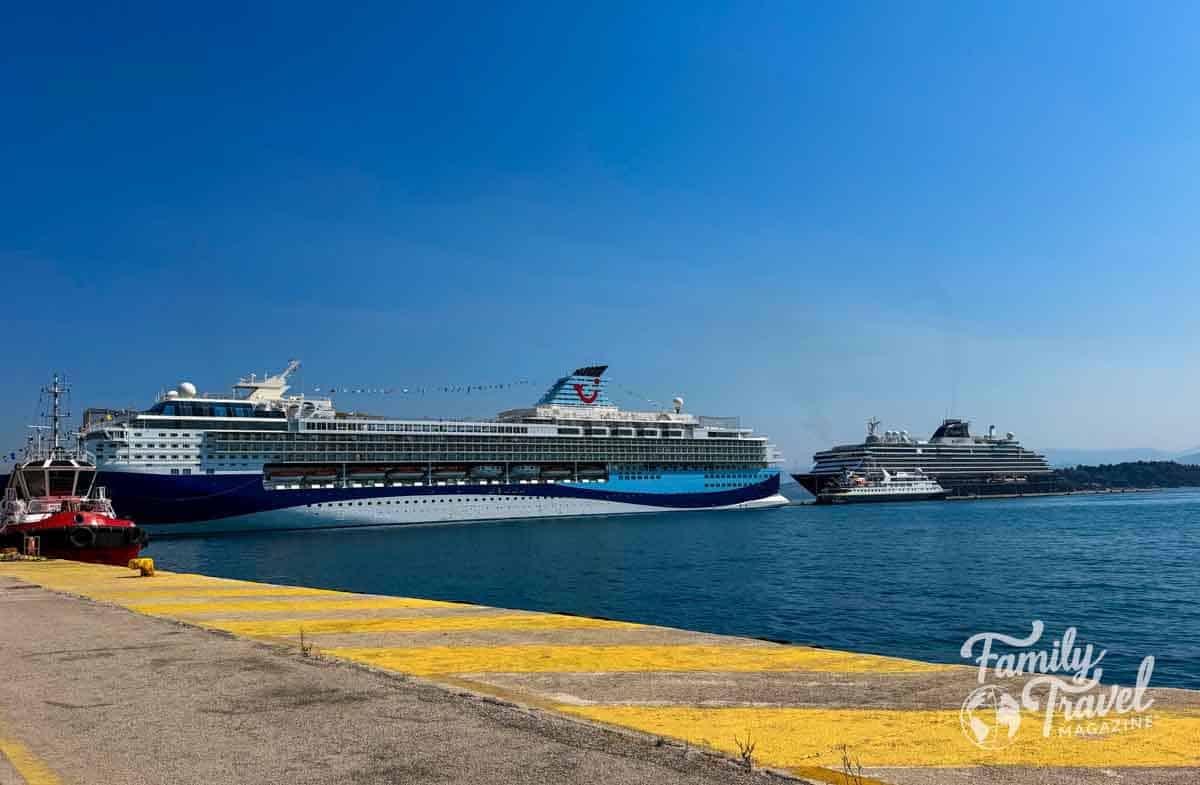
Disembarkation is managed methodically. Depending on local geography, the ship may pull directly into a municipal pier or drop anchor offshore, requiring passengers to board Zodiac watercraft in staged groups. Excursions can last anywhere from a few hours to an entire day.
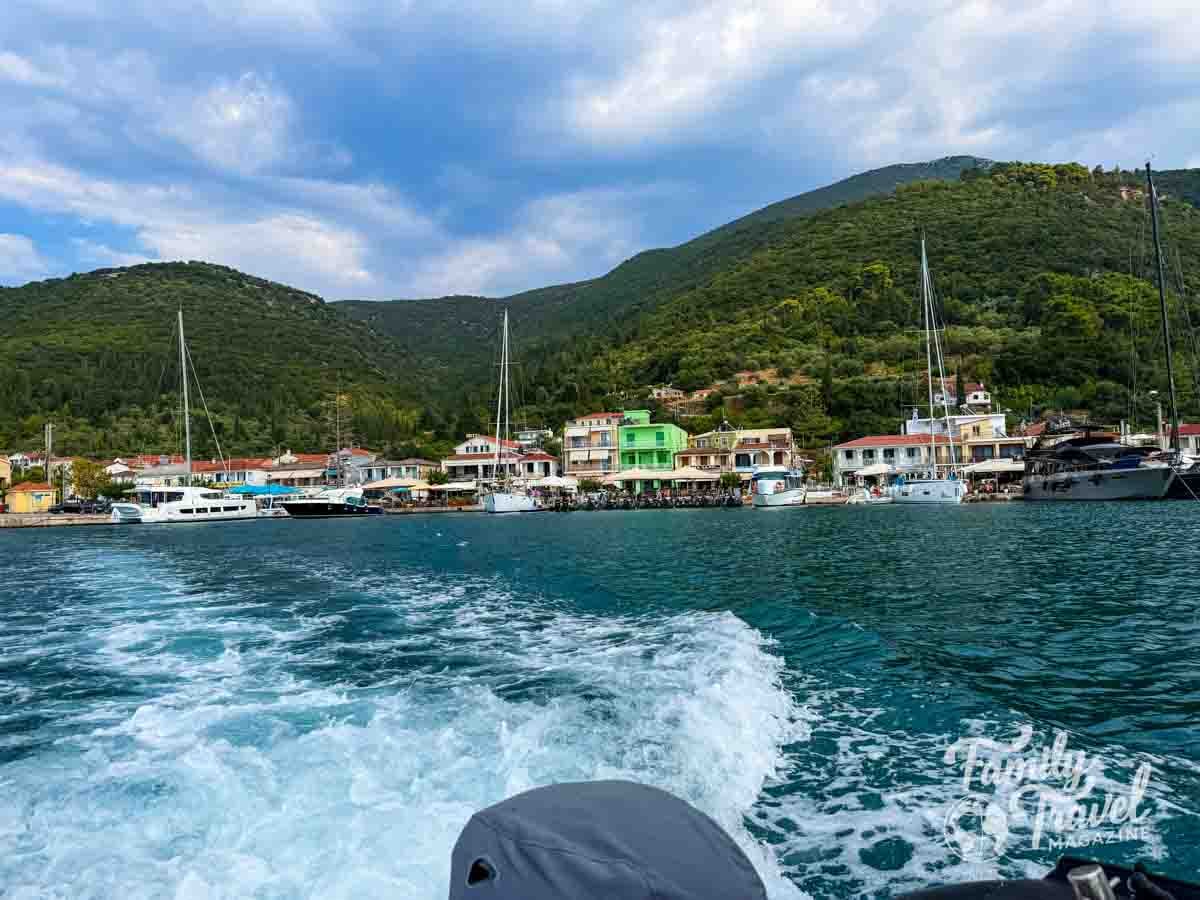
Upon returning to the vessel, guests transition back into structured onboard programming. Late afternoons and days spent at sea typically feature expert-led lectures covering marine biology, smartphone photography, regional geopolitics, and ancient geology. Dinners are served in an open-seating, à la carte format, encouraging social interaction among passengers and expedition staff alike.
Accommodations and Fleet Variations
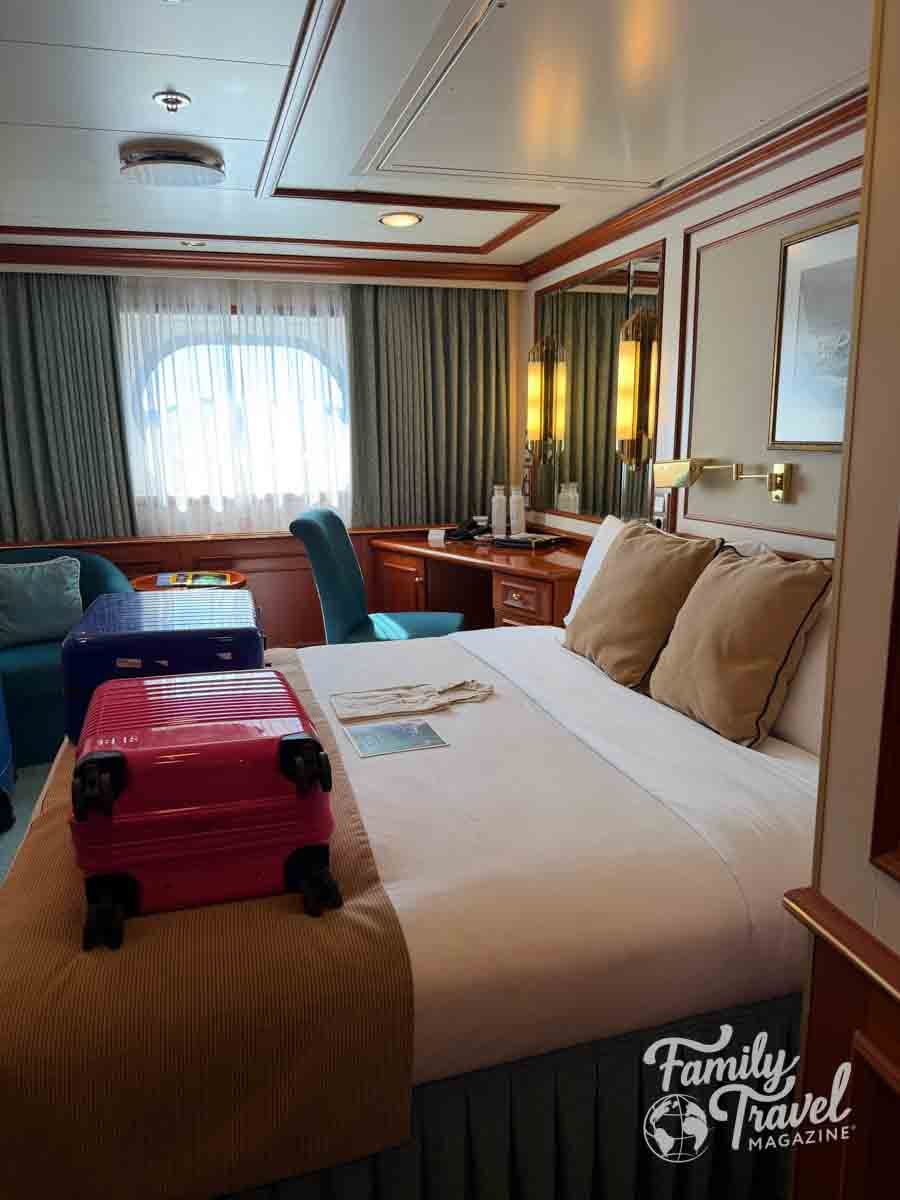
Stateroom configurations across the Lindblad fleet vary considerably depending on the specific vessel. On the National Geographic Orion, multi-generational families or groups traveling with older children often require multiple adjacent staterooms rather than single suites.
While connecting doors are standard on many modern commercial cruise liners, they are less common on specialized expedition ships. On the Orion, adjacent cabins operate on a traditional latch system; exterior doors remain unlocked unless secured from the inside, allowing family members to move freely between rooms when necessary. Certain ships within the broader fleet do accommodate triple occupancy or offer limited connecting configurations, necessitating advanced review of deck plans prior to booking.
Financial Considerations and Inclusive Pricing
The economic commitment required for a National Geographic and Lindblad Expedition places these voyages firmly in the luxury travel sector. Fares are substantially higher than those associated with mainstream commercial cruise lines. However, industry analysts and seasoned travelers emphasize that these upfront costs must be evaluated through the lens of comprehensive pricing structures.
Standard expedition fares generally encompass nearly all onboard and shore-based expenditures. Included in the base cost are:
- All shore excursions and guided tours led by naturalists, historians, and researchers.
- Gratuities for ship crew, expedition staff, and local guides.
- All meals, snacks, and non-alcoholic beverages.
- Standard alcoholic beverages, including house wines and spirits during designated hours (with premium selections available at an additional cost).
- Specialized expedition gear usage, such as snorkeling equipment and waterproof outerwear loans.
To mitigate costs for family demographics, Lindblad Expeditions periodically implements promotional initiatives, such as designated youth-incentive programs. These offers frequently feature reduced fares or financial credits for travelers bringing children and teenagers under specific age thresholds, aiming to cultivate early interest in environmental conservation and global exploration.
Target Demographic and Suitability Analysis
Industry experts note that expedition cruising is fundamentally task-oriented rather than leisure-oriented. Determining whether a voyage aligns with a family’s expectations depends heavily on the age and intellectual curiosities of the children involved.
While the sailings are legally and logistically family-friendly, they lack the intrinsic infrastructure designed to entertain younger children independently. Families seeking structured childcare, youth programs, or high-octane resort amenities often find small-ship expedition cruising ill-suited to their vacation goals.
Conversely, families with older tweens, teenagers, and young adults who exhibit a demonstrated interest in history, ecology, anthropology, or marine science report high satisfaction rates. The presence of National Geographic experts—including veteran photographers, marine biologists, and cultural anthropologists—provides a mentorship dynamic rarely replicated in traditional academic or tourism settings.
Broader Market Impact and Industry Implications
The popularity of expedition cruising reflects a broader shift in the global travel market toward experiential and educational tourism. Consumers are increasingly willing to pay a premium for authentic, low-density travel experiences that prioritize cultural immersion over commercialized entertainment.
As major travel conglomerates continue to invest in specialized small-ship infrastructure, the expedition sector is projected to see sustained growth. For heritage-rich regions like the Mediterranean, small-ship operators offer a more sustainable tourism model compared to mega-ships, allowing access to fragile coastal economies without overwhelming local infrastructure.
Ultimately, prospective travelers must weigh the substantial financial investment against the specialized educational value of the itinerary. By aligning family expectations with the operational realities of expedition travel, consumers can ensure that these voyages deliver a uniquely enriching exploration of the world’s most dynamic environments.