The historic hilltop district of Montmartre in Paris continues to evolve as a premier culinary destination, blending centuries of artistic heritage with rigorous gastronomic traditions. Once a rural village situated on the northern periphery of the French capital, Montmartre was officially integrated into the city limits in 1860 during the urban expansion overseen by Napoleon III. Today, the 18th arrondissement neighborhood is recognized not only for its iconic landmarks, such as the Basilica of the Sacré-Cœur, but also for its deeply preserved artisanal food culture, which reflects strict national standards and regional identities protected by both French law and international heritage organizations.

The Evolution and History of Montmartre
Montmartre’s name traces its origins to approximately 250 AD, derived from the Latin Mons Martyrum, or the Mount of the Martyr. According to historical tradition, Saint Denis, the first Bishop of Paris, was executed in the area during the Roman persecution of early Christians. The neighborhood subsequently transformed over the centuries, eventually gaining global renown in the late 19th and early 20th centuries as a haven for avant-garde artists. Figures such as Pierre-Auguste Renoir and Pablo Picasso were drawn to the area by its affordable cost of living at the time, establishing studios and gathering in local cabarets like Au Lapin Agile.

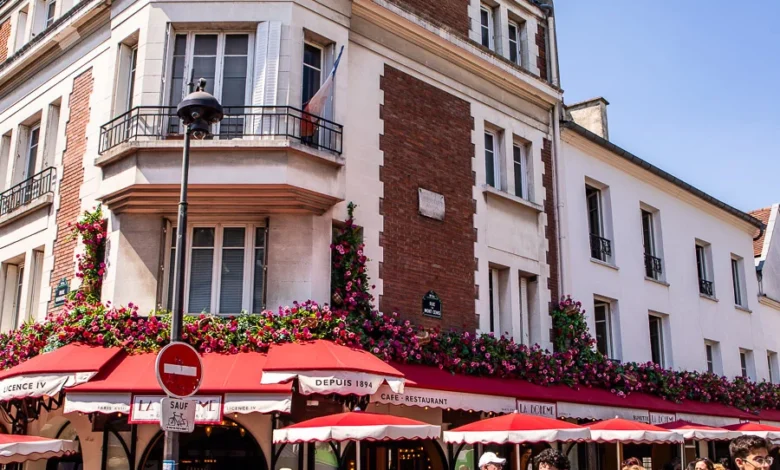
While the district has transitioned into one of the most affluent and visited residential areas in Paris, its narrow, winding streets retain a village-like atmosphere distinct from the grand Haussmann-style architecture of central Paris. Guided culinary and historical excursions through the neighborhood aim to navigate visitors away from heavily commercialized corridors, focusing instead on independent family-run businesses, traditional boulangeries, and specialty purveyors.

Gastronomic Standards and Artisanal Heritage
The culinary landscape of France is heavily regulated to preserve authenticity and quality. National legislation dictates the precise composition, preparation methods, and labeling of traditional staples. For instance, the traditional French baguette is legally restricted to a specific set of ingredients—wheat flour, water, salt, and yeast or leaven—and must adhere to strict weight and measurement standards. In late 2022, UNESCO recognized the artisanal know-how and culture of the baguette by inscribing it on the Representative List of the Intangible Cultural Heritage of Humanity.

Similarly, professional bakeries, or boulangeries, operate under strict obligations requiring that all breads and pastries be produced fresh daily using traditional methods. The designation of Meilleur Ouvrier de France (Best Craftsman of France), awarded triennially or quadriennially following rigorous examinations by the Ministry of Education, represents the pinnacle of professional achievement for French pastry chefs, chocolatiers, and artisans.

Culinary Itinerary and Neighborhood Highlights
Structured walking tours through Montmartre typically highlight several distinct stages of French culinary production, integrating historical context with tastings:

- Boulangeries and Viennoiserie: Stops at historic bakeries showcase the production of croissants, which historical accounts trace back to Vienna, Austria, before their popularization in France by Marie Antoinette. Traditional pastries incorporate complex lamination techniques, frequently utilizing dozens of delicate layers of dough and high-fat European butter.
- Pâtisseries: Specialized pastry shops demonstrate the evolution of choux pastry products, including éclairs—named for their rapid consumption, likened to lightning (éclair in French)—and contemporary innovations by master pastry chefs holding national honors.
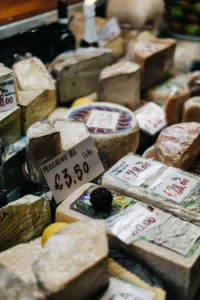
- Épiceries and Charcuterie: Independent grocers supply regional cold cuts, such as Prince of Paris ham, accompanied by traditional gherkins and a diverse array of French cheeses. French cheeses are predominantly categorized by their regional origins, ranging from goat’s milk varieties to pressed and soft-ripened cheeses protected by Appellation d’Origine Contrôlée (AOC) and Protected Designation of Origin (PDO) labeling systems.
- Natural Wine Establishments: Independent cavistes in Montmartre increasingly focus on natural and minimal-intervention wines. Produced exclusively from French vineyards without synthetic chemical additives, these wines comply with emerging regulatory frameworks aimed at enhancing transparency regarding ingredients and production methods on bottle labeling.
- Historic Bistros: Neighborhood dining establishments offer traditional small plates that incorporate regional produce, reflecting the diverse culinary influences of France’s various provinces, from Occitanie to Provence.
Socio-Political Context and Local Landmarks
Beyond its culinary offerings, Montmartre holds significant historical markers related to modern European history. Walking routes frequently incorporate memorials dedicated to local residents who sheltered vulnerable populations during the Nazi occupation of Paris between 1940 and 1944. Guides often address the complex history of the Vichy regime and the administrative complicity of French authorities during World War II, providing visitors with a comprehensive historical narrative of the district.

Landmarks such as the Basilica of the Sacré-Cœur, constructed between 1875 and 1914 atop the highest point in the city, carry complex political histories stemming from the aftermath of the Paris Commune. Built using travertine limestone from Souppes-sur-Loing—a material that reacts chemically with rainwater to bleach itself, maintaining a pristine white exterior—the basilica remains a focal point for both architectural analysis and ongoing socio-political discourse.

Adjacent to the basilica, historical oddities such as the Clos Montmartre vineyard serve as testament to local civic activism. Planted in the 1933 on a remnant plot of land to prevent real estate development, the vineyard continues to produce local wine, with annual proceeds directed toward charitable organizations.

Implications for Cultural Tourism
The integration of culinary education with historical walking tours reflects a broader shift in urban tourism toward experiential and localized travel. Industry analysts note that small-group excursions focusing on neighborhood-level commerce provide substantial economic support to independent businesses while mitigating overcrowding at major monuments. By emphasizing the stories of individual artisans, local purveyors, and regional terroirs, these itineraries offer participants a deeper understanding of the cultural values that underpin French gastronomy.