Reclaiming the Past: How São Tomé and Príncipe is Transforming Its Colonial Plantations into Sites of Memory and Modern Sustainability

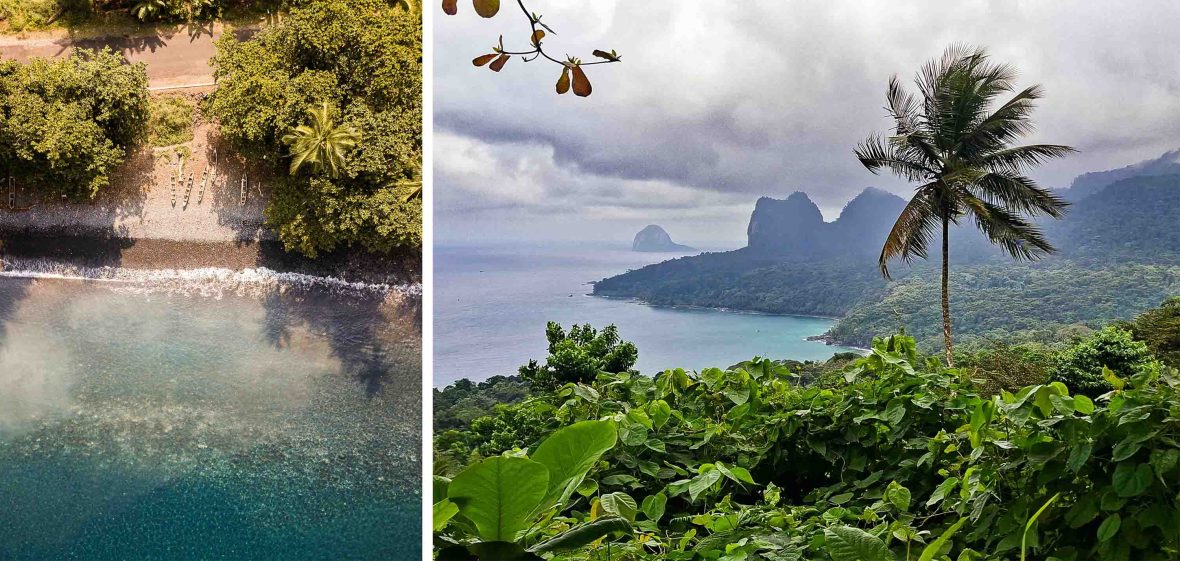
The descent into São Tomé begins in a magnesium-white glare, where emerald-green mountains rise abruptly from the blue expanse of the Gulf of Guinea. Stepping off the aircraft, travelers are immediately enveloped by the humid West African night and a stark infrastructure—a concrete floor, no modern terminal toilets, and a single baggage carousel. Located about 155 miles (250 kilometers) off the coast of Gabon, the democratic island nation of São Tomé and Príncipe comprises two main islands and several smaller islets. Yet beneath its idyllic tropical facade and newly minted UNESCO World Heritage recognition lie the haunting architectural and human remnants of a dark colonial history.
For centuries, these islands served as an epicenter of the transatlantic trade economy, shaped by forced migration, plantation slavery, and severe exploitation. Today, local communities, grassroots cooperatives, and conservation-minded enterprises are wrestling with this heavy legacy, striving to reclaim the crumbling roças—the historic colonial estates—to forge a different, more equitable future for the archipelago.
A Legacy of Forced Migration and The Roças System

The history of São Tomé and Príncipe is deeply intertwined with European colonial expansion. Portuguese navigators first sighted and settled the uninhabited islands in the late 15th century, establishing a strategic outpost that would become a blueprint for plantation economies across the tropics. Initially, enslaved Africans were brought to the islands to produce sugar, making São Tomé briefly the world’s leading exporter of the commodity.
As the global sugar market shifted, the islands successfully pivoted to coffee and, eventually, cacao. By the late 19th and early 20th centuries, São Tomé and Príncipe was a powerhouse in global chocolate production, earning the moniker the "Chocolate Islands." However, this agricultural success was built upon systemic human suffering. Plantation owners—known as roceiros—imported laborers from other regions of Africa, many bound by harsh, deceptive contracts that functioned little differently from chattel slavery.
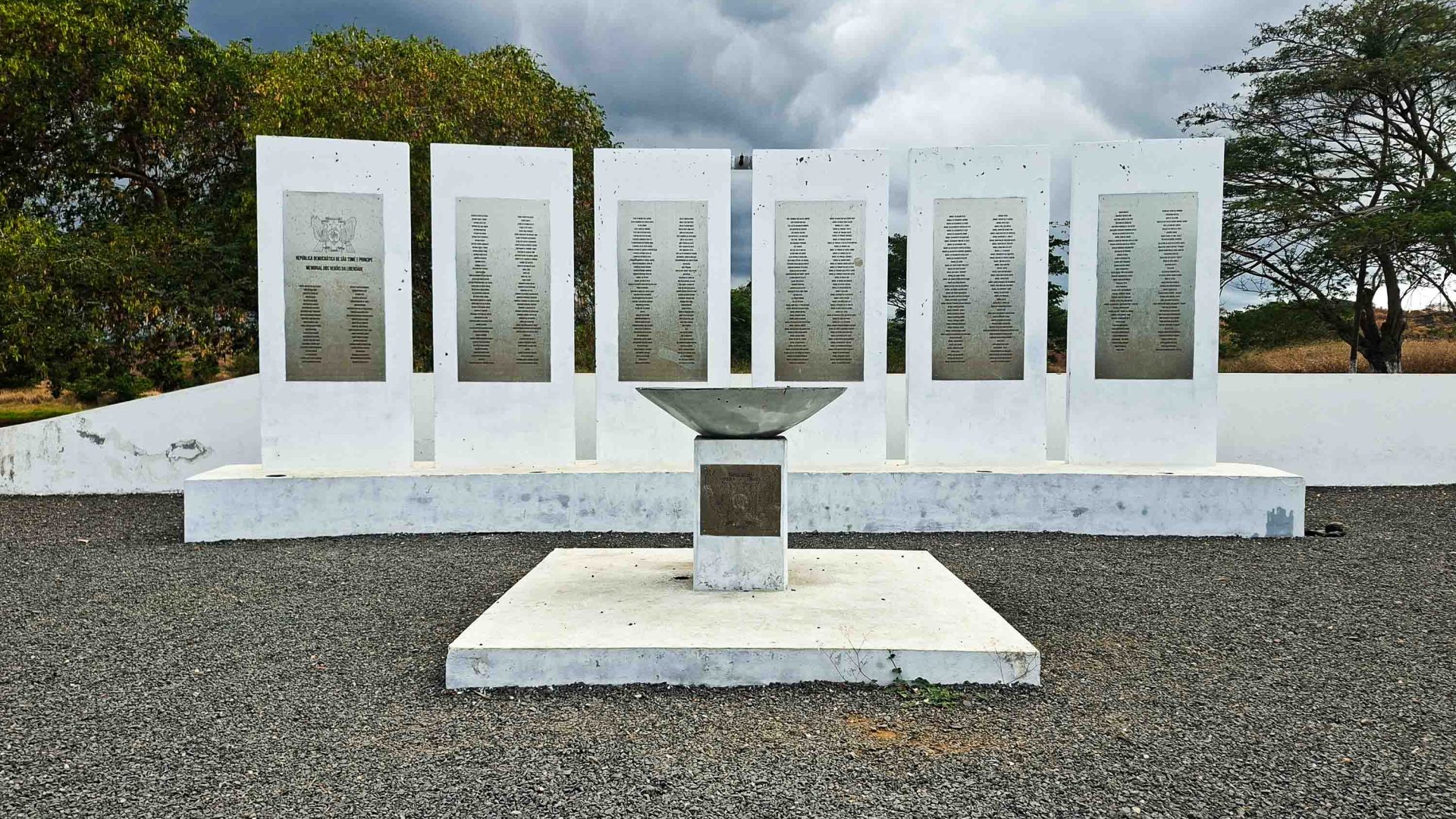
The human toll of this extractive system culminated in tragic flashpoints, most notably the 1953 Batepá Massacre. During this dark event, colonial forces brutally suppressed local Creole protests, resulting in the deaths of hundreds of indigenous forros. Decades later, the nation finally achieved independence on July 12, 1975, ending nearly five centuries of Portuguese rule. Yet, the physical architecture of oppression—the sprawling roças complete with administrative mansions, hospitals, and forced labor quarters—remained etched into the landscape like scars.
Divided Realities: Preservation, Neglect, and Human Habitation
The dual nature of the roças is starkly evident today. This year, UNESCO inscribed six sites across the island nation onto its prestigious World Heritage list under the designation "Colonial Agricultural System and Forced Migration." However, the reality on the ground varies dramatically between the islands of São Tomé and Príncipe.
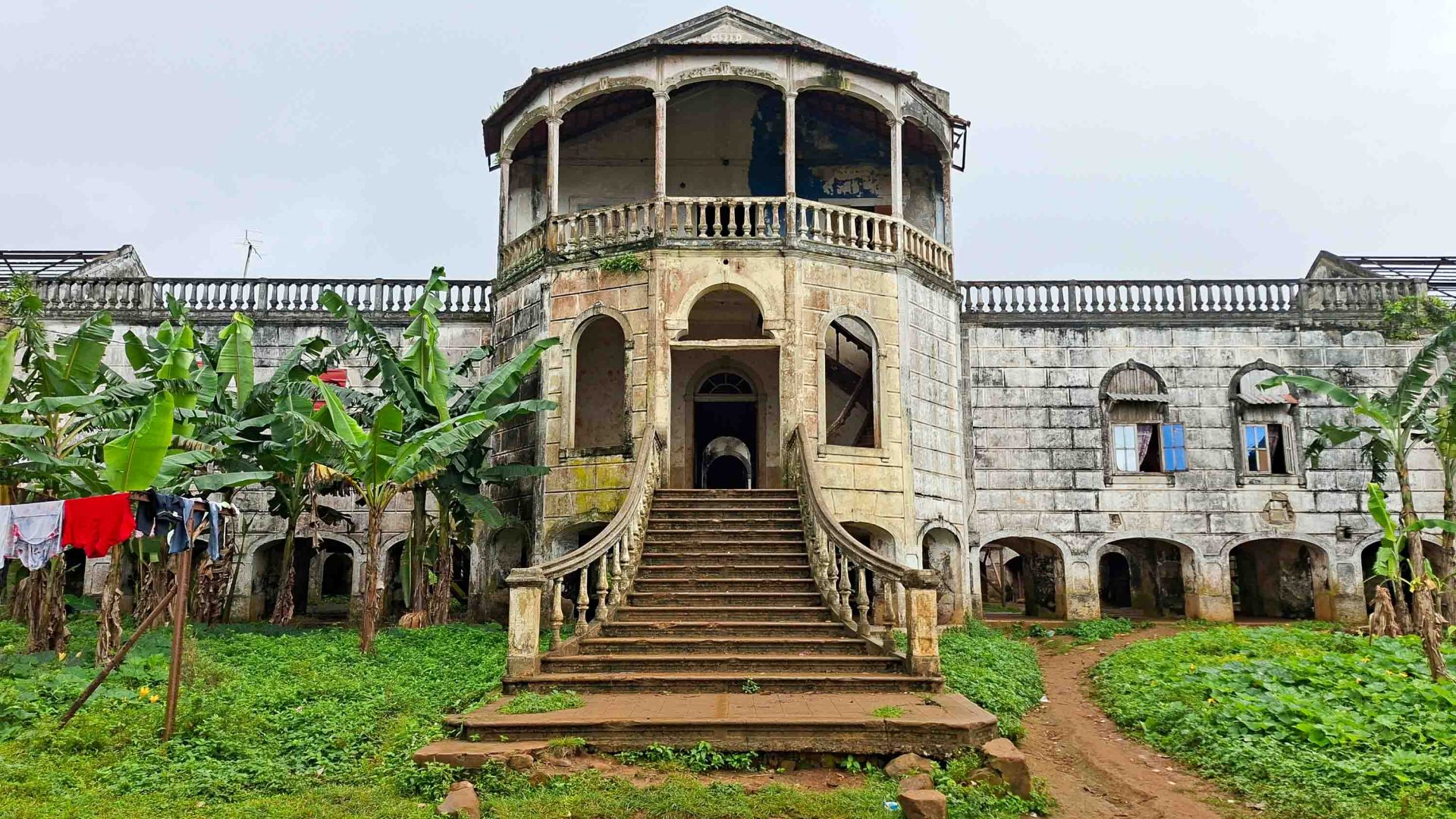
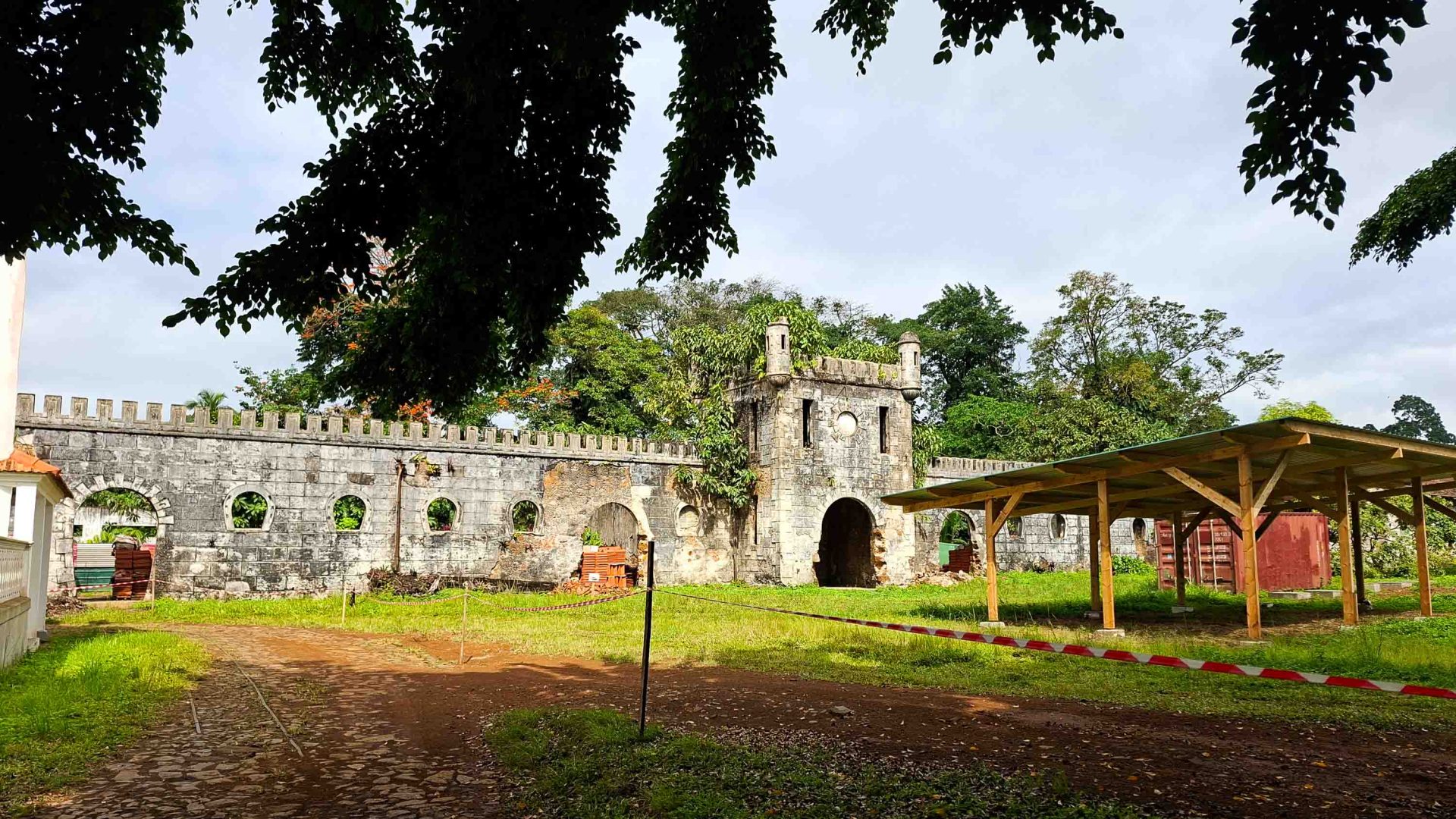
On the larger island of São Tomé, many historic estates have been left to the elements, slowly reclaimed by the encroaching jungle. At Roça Água-Izé, the grand, crumbling walls of a former plantation hospital rise through thick vegetation. Here, far from the polished gaze of international tourism, roughly ten families live in cramped conditions amid the ruins, lacking reliable electricity or running water. For these residents, the peeling colonial architecture is not a monument of historical intrigue, but a makeshift home born of economic necessity.
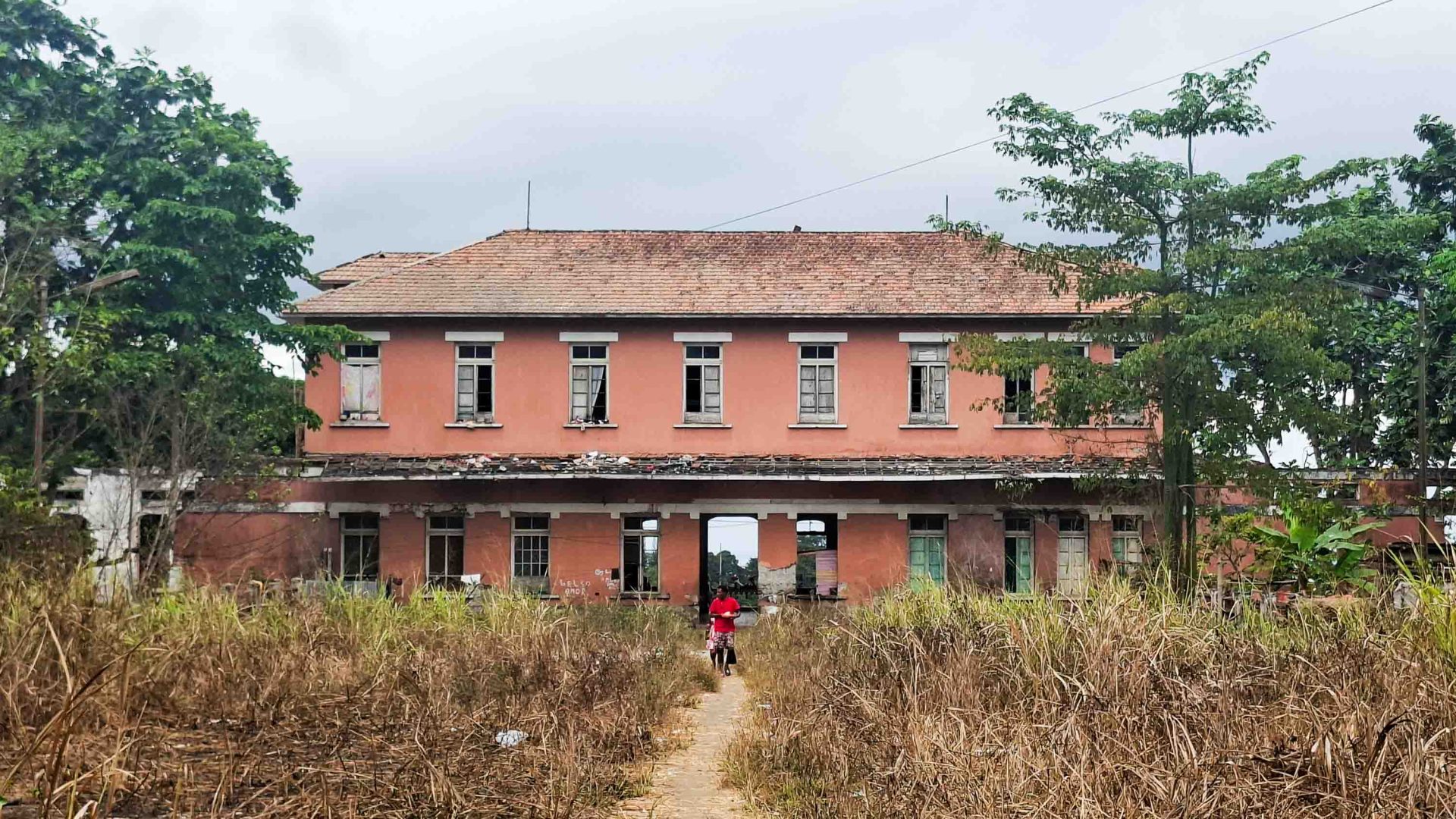
A similarly complex encounter awaits visitors at the Ruínas do Hospital Agostinho Neto. As travelers navigate the debris-strewn grounds of what was once a wealthy estate, reminders of the past collide with present-day struggles, illustrating that these ruins are living spaces burdened by the enduring legacy of a colonial system that offered ordinary workers very little.
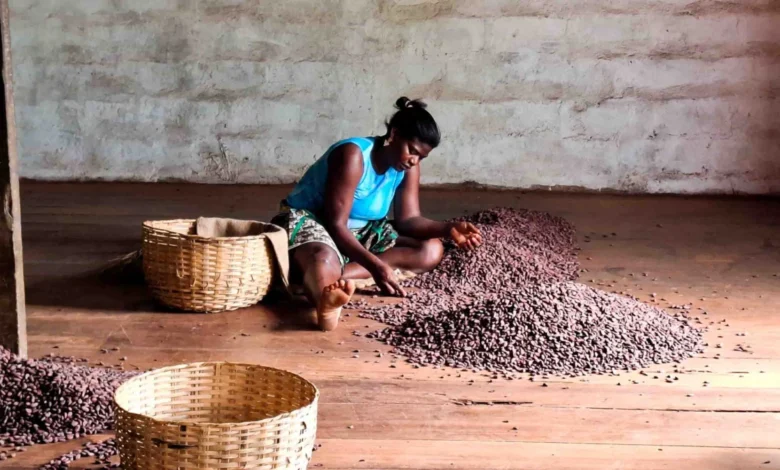
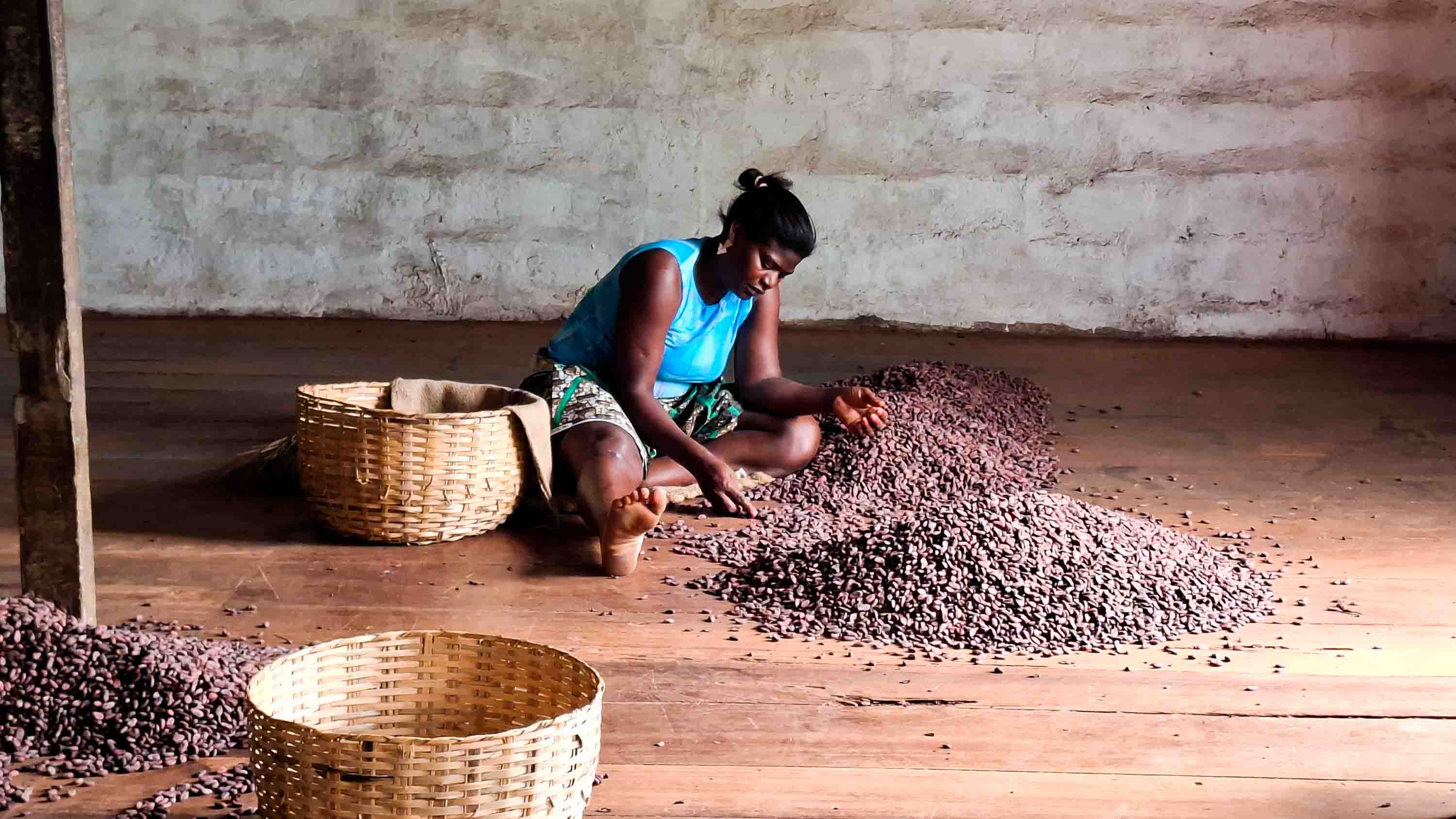
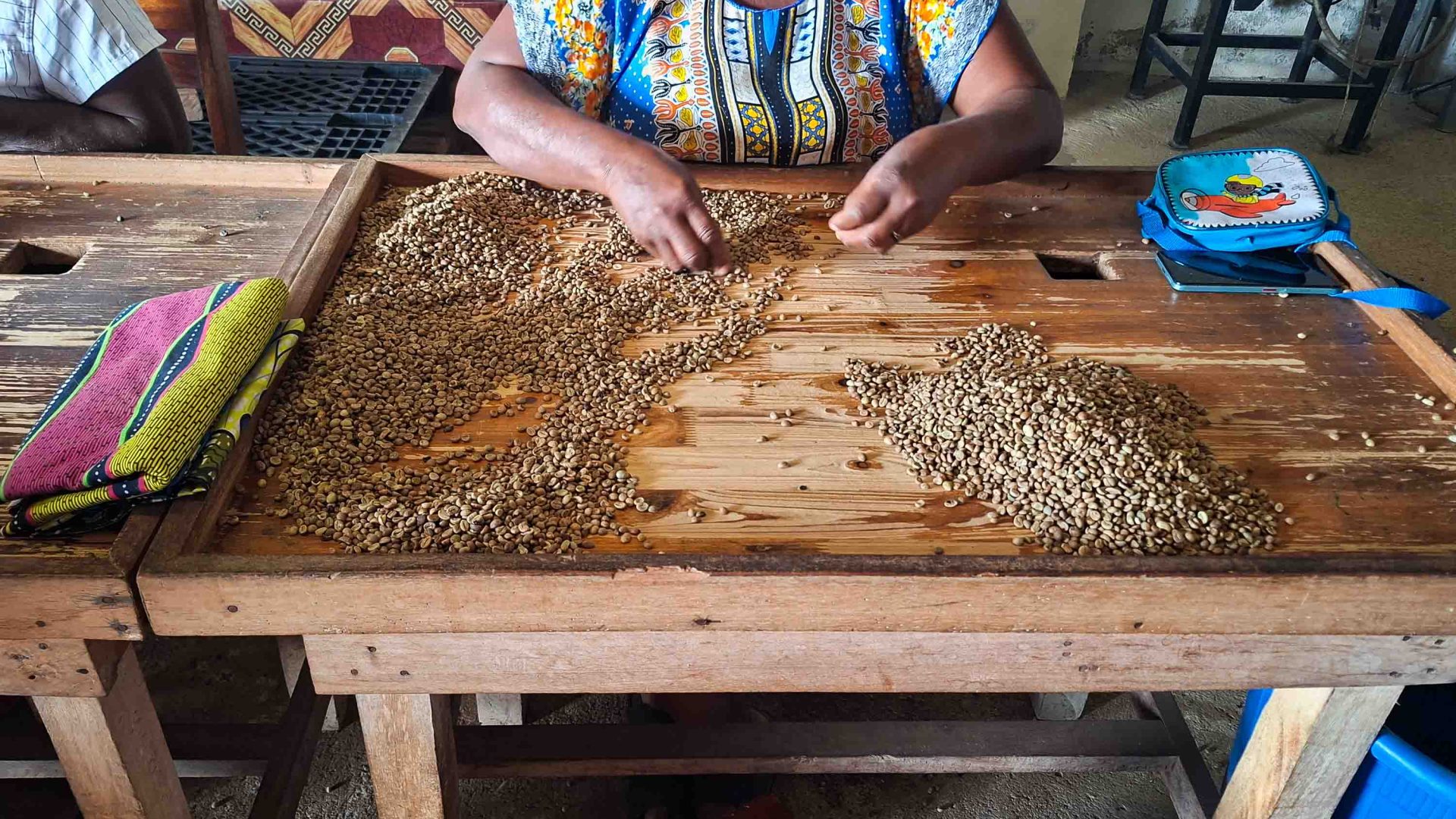
Conversely, some estates on São Tomé have found a path toward economic revitalization. In the central mountains, the Mont Café estate—historically demanding grueling manual labor, where women once sifted through up to 66 pounds (30 kilograms) of coffee beans a day by hand—now houses a women-run cooperative. This collective operates a small museum highlighting historical coffee production, utilizing old wood-powered dryers to educate visitors while retaining local economic agency. Similarly, at Roça Francisco Cabral, local growers process cacao through traditional fermentation and open-air greenhouse drying before packing the beans for international chocolatiers in France and Switzerland.
Ecotourism and Community Integration on Príncipe
Just a 25-minute flight away, the smaller island of Príncipe offers a contrasting model of plantation management and sustainable development, spearheaded largely by the hotel and conservation group HBD Príncipe.
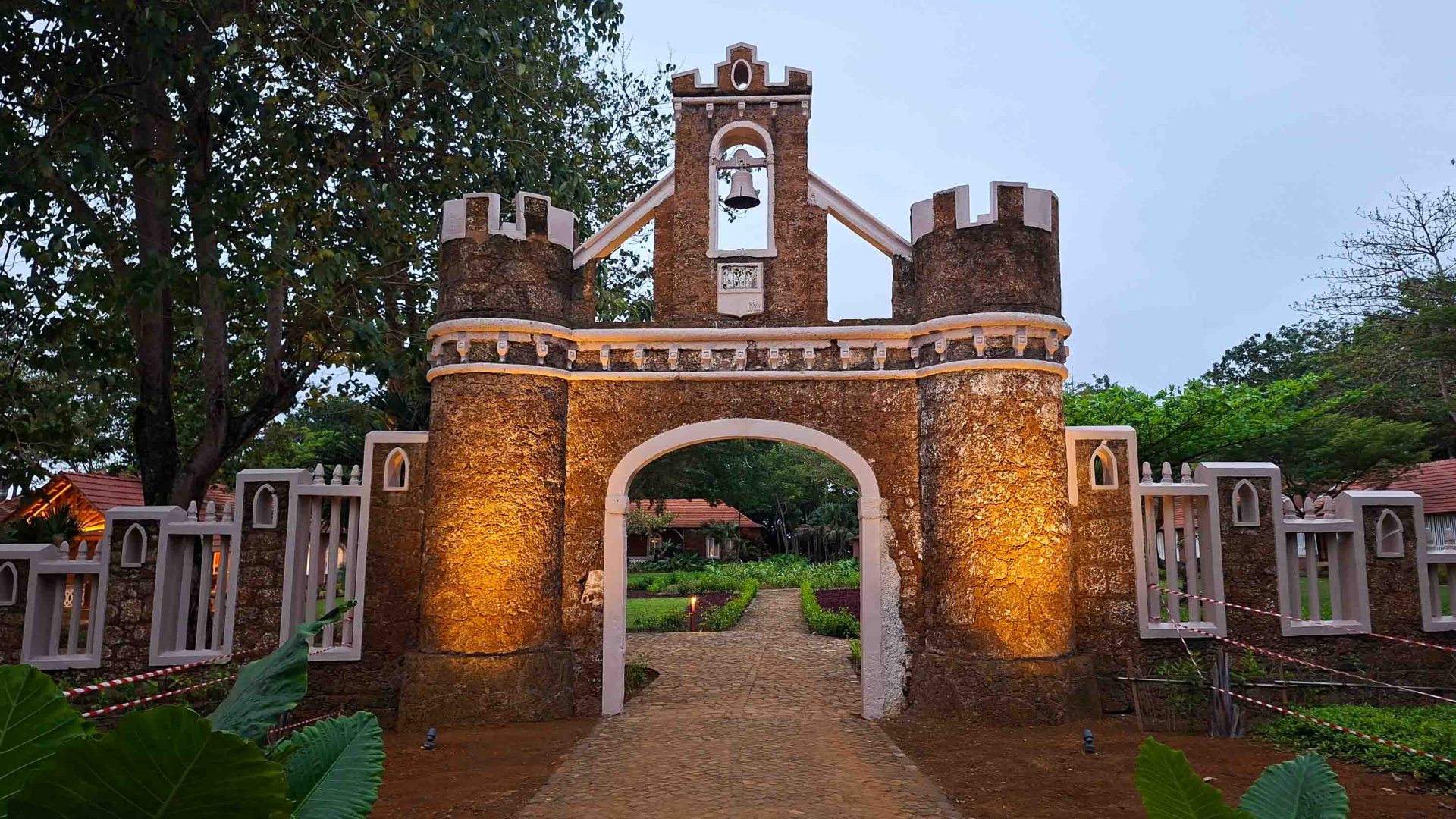
When HBD acquired Roça Sundy in the northwest of Príncipe in 2011, more than 100 families were living on the historic property in dilapidated conditions. Rather than displacing the residents for luxury development, the group constructed a dedicated nearby village named The Promised Land. These modern stone houses feature electricity, indoor plumbing, agricultural plots, a local school, and a bakery. Today, Roça Sundy remains a working cacao plantation while its historic structures are thoughtfully restored into boutique accommodations.
HBD Príncipe has positioned itself as the island’s largest private employer, implementing robust social safeguards. Every guest visiting their properties contributes a mandatory €25 conservation and community fee. Half of this revenue is dedicated to environmental initiatives—such as safeguarding nesting sea turtles along the island’s pristine shores—while the other half directly funds public education, local livelihood programs, and advanced waste management.
Among these initiatives is an innovative glass-recycling cooperative near Santo António at Roça Porto Real. Since 2023, the Cooperativa de Valorização de Resíduos (CVR) has successfully recycled more than 52
metric tons of discarded glass, melting bottles in wood-fired ovens to create artisanal jewelry and marketable goods. Furthermore, the group has processed over 50 metric tons of organic waste into nutrient-rich compost for local agriculture.
Balancing Overtourism and Cultural Preservation
As São Tomé and Príncipe steps further into the global spotlight following its UNESCO designation, the nation faces a delicate economic tightrope. Tourism holds immense potential for economic diversification, yet leaders and local guides are acutely aware of the risks posed by rapid, unchecked development.
Eduardo da Silva, a local guide working on Príncipe, notes that infrastructure challenges often serve as an accidental safeguard against mass tourism. "Tourism is a constant balancing act," he observes. "If the roads were smooth tarmac, you’d have more hire cars coming onto the island. For local drivers, the mud works just fine."
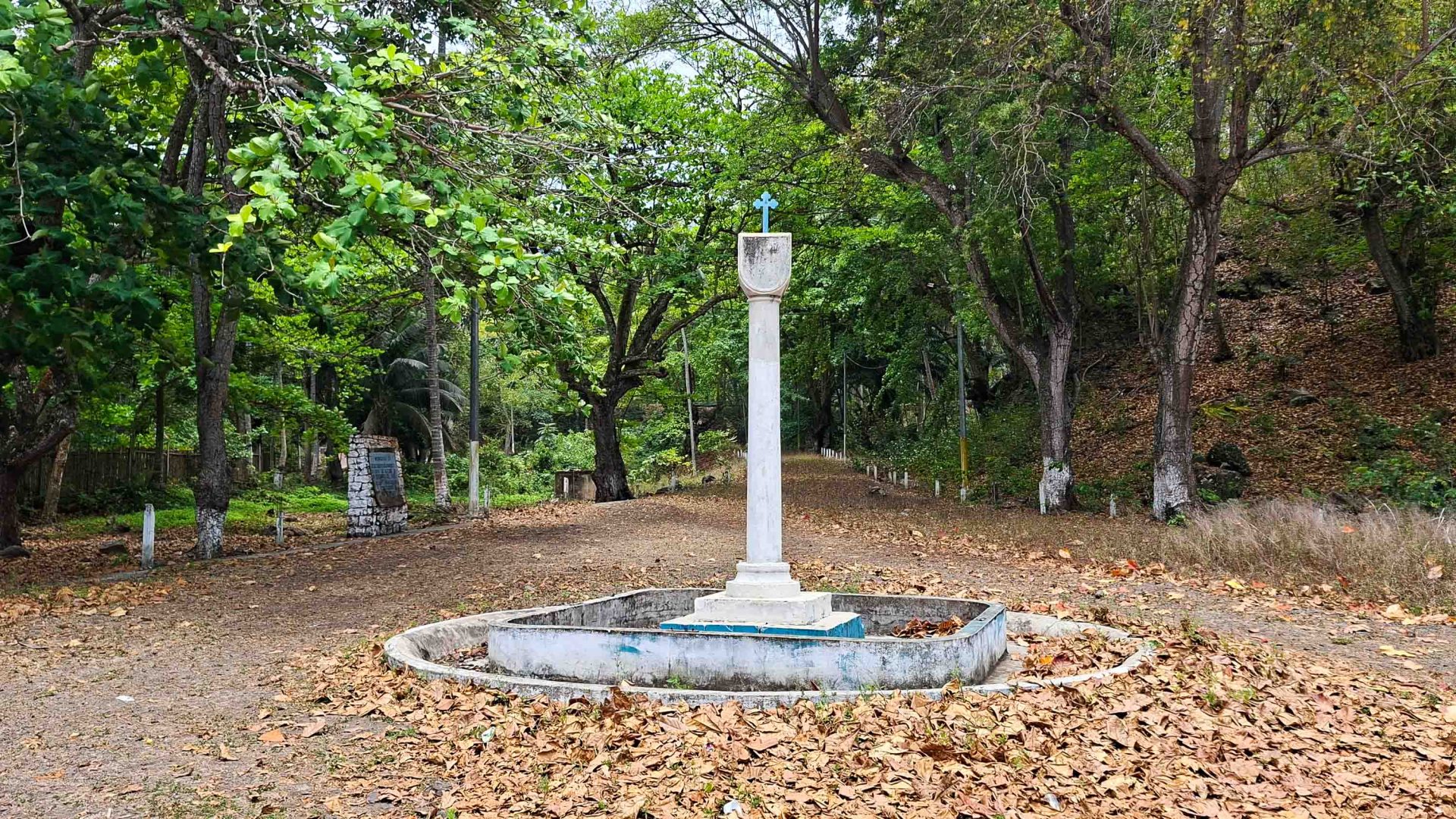
This sentiment is echoed across the archipelago, where residents emphasize that historical preservation must prioritize education and community ownership over mere aesthetic consumption by foreign visitors. At historic landing sites, such as the stone cross near Monteforte on São Tomé’s west coast—marking the Portuguese arrival in 1470—guides advocate for enhanced historical signage and protective infrastructure. Their goal is not to glorify the colonial era, but to create educational spaces where younger generations can confront the historical realities of forced migration and colonial exploitation.
Implications for the Future
The transformation of São Tomé and Príncipe’s roças carries profound implications for post-colonial heritage tourism globally. The nation demonstrates that confronting a dark history cannot be achieved by simply slapping fresh paint on colonial mansions or converting every estate into an exclusive resort. Instead, true reconciliation requires addressing the socioeconomic welfare of the families who call these ruins home, empowering women-led agricultural and recycling cooperatives, and channeling tourism revenue directly back into local infrastructure and conservation.
Whether the neglected ruins of São Tomé will eventually see the same level of investment as the properties on Príncipe remains an open question. Yet, as local guides like Quinzinho de Costa emphasize, the ultimate measure of success will not be found in hotel occupancy rates, but in whether the stories of resilience, suffering, and survival are successfully preserved, honored, and passed down to the generations of tomorrow.