The Three-Week Stink Test: How Advanced Technical Textiles Transformed Long-Distance Backpacker Hygiene

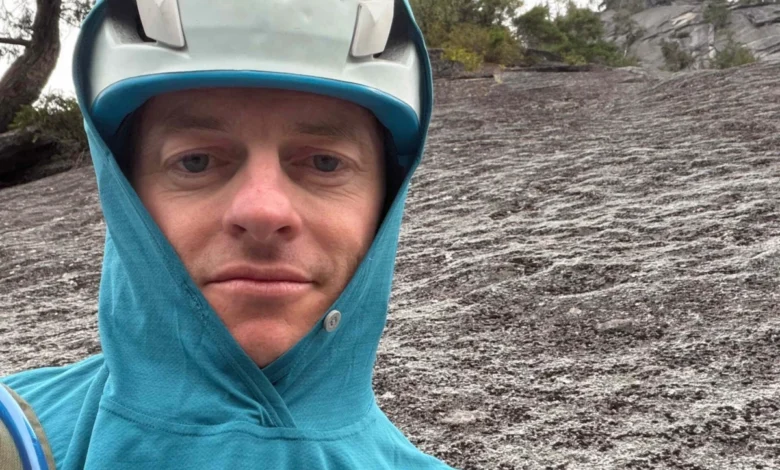
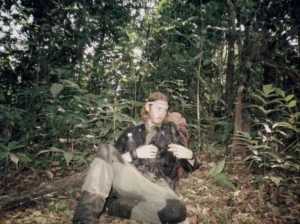
For twenty-five days across the rugged landscapes of Washington State, outdoor writer and endurance adventurer Sam Anderson executed an extreme field test of modern odor-controlling apparel. Boarding a commercial flight home following nearly a month of continuous wear without a single machine-laundry cycle, Anderson evaluated a curated kit of advanced technical garments designed to combat microbial accumulation. The experiment, which spanned roughly ninety miles of hiking prior to a foot injury that pivoted the itinerary toward rock climbing and small-town transients, placed state-of-the-art textiles under severe environmental and physiological duress.
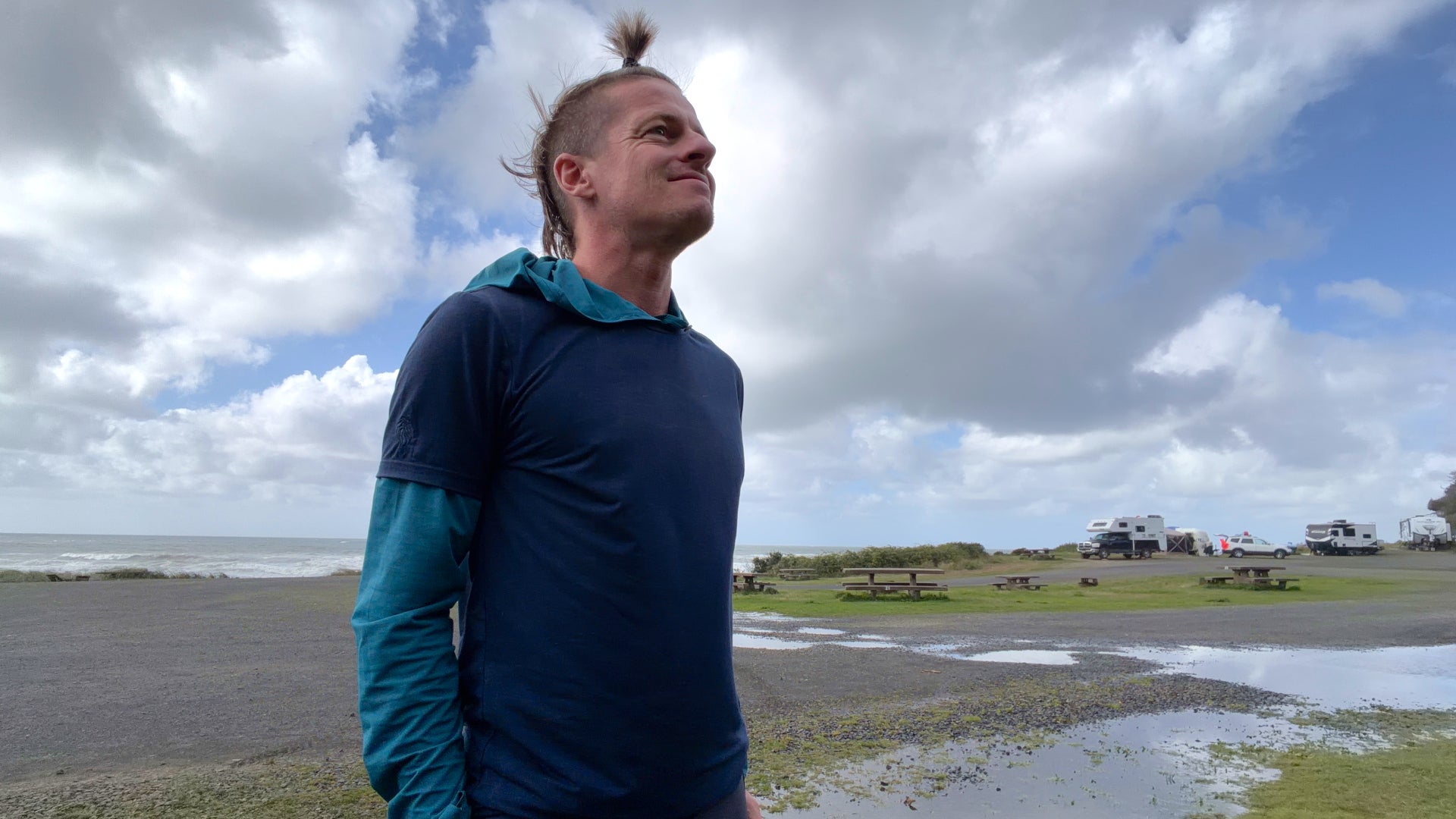
The Malodorous Mission and Regional Geography
The journey initially targeted a 330-mile segment of the Great American Rail Trail, a multi-use corridor stretching from the western Cascades to the Idaho border. Geographically and climatically, the route presents a stark dichotomy: the rugged, damp mountain ranges west of the Columbia River give way to the arid, sparse expanses of the eastern desert valleys, where summer temperatures frequently exceed 90 degrees Fahrenheit.
Long-distance backpacking inherently involves minimizing pack weight to maintain physical endurance and prevent injury. However, reducing a wardrobe to a single set of clothing introduces significant social and logistical challenges, particularly in remote desert segments lacking infrastructure or reliable water sources for up to forty-mile stretches. Relying on local hospitality for water, food, and potential shelter requires a baseline of personal hygiene to avoid social alienation.

The expedition’s parameters shifted abruptly when Anderson sustained a foot injury sixty miles into the trek. Opting to remain in Washington State to recover and transition into rock climbing and auxiliary outdoor activities, the participant maintained his strict no-laundry protocol. This unexpected pivot subjected the garments to an even wider array of environmental factors, including heavy perspiration from strenuous climbing, campfire smoke, dehydrated meal preparation, and variable weather conditions ranging from coastal moisture to high-desert heat.
The Science of Body Odor and Textile Engineering
To evaluate the performance of the tested gear, it is necessary to examine the biological mechanisms of human perspiration and odor generation. Perspiration itself is largely odorless; however, human skin continuously produces natural oils, lipids, and proteins while shedding dead cells. These secretions create an environment that fosters bacterial proliferation, particularly in high-moisture regions such as the axillae and groin.
As native skin bacteria consume these organic compounds, their metabolic waste produces volatile organic compounds recognized as body odor. Traditional synthetic fabrics, such as standard polyester, inherently repel water while attracting and retaining skin oils. These oils bond tightly to synthetic fibers, resisting standard washing procedures and creating what the textile industry terms "permastink." Conversely, merino wool absorbs moisture while repelling oils, depriving bacteria of the water necessary for rapid proliferation.
Modern technical textiles utilize sophisticated engineering approaches to interrupt this biological feedback loop at the microscopic level. Rather than relying solely on topical chemical finishes, manufacturers increasingly employ integrated material sciences to manage moisture, trap odor molecules, and inhibit microbial growth.
Performance Analysis of Tested Gear
HercLeon HercShirt and Boxer Briefs
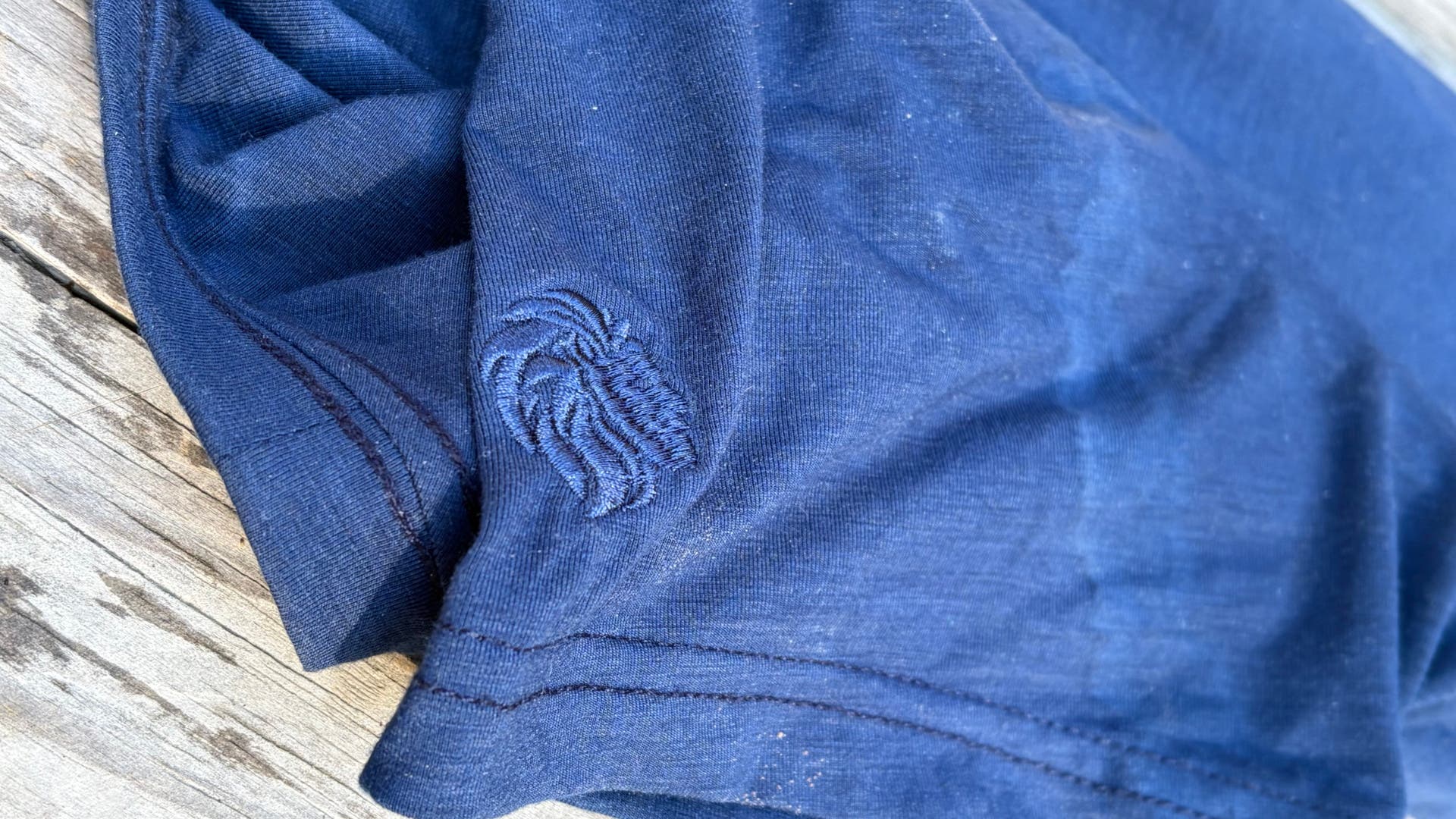
The HercLeon HercShirt, a $130 garment constructed from a blend of wood-pulp-derived lyocell, integrated charcoal, and copper fibers, served as the primary upper-body test item. HercLeon utilizes a "masterbatch" manufacturing technique, embedding copper and carbon particles directly into the raw textile material prior to fiber spinning.
When exposed to moisture, the embedded copper particles release antimicrobial ions that compromise bacterial cell walls, thereby limiting microbial replication and metabolic activity. Simultaneously, the porous structure of the integrated charcoal traps volatile odor molecules. Additionally, a manufacturing process known as plasma modification alters surface fiber properties using ionically charged gases, promoting the lateral dispersion and rapid evaporation of sweat rather than accumulation.
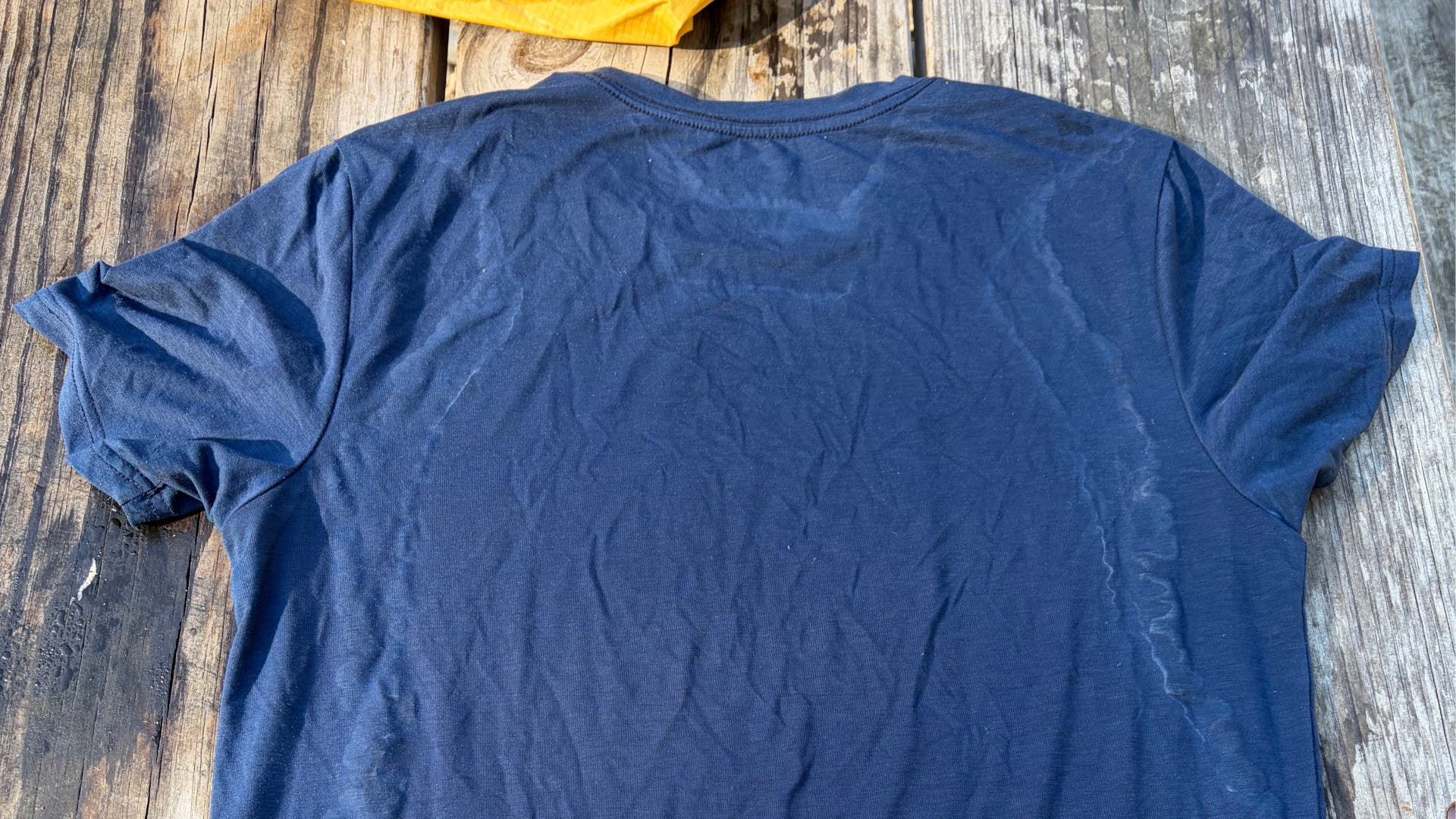
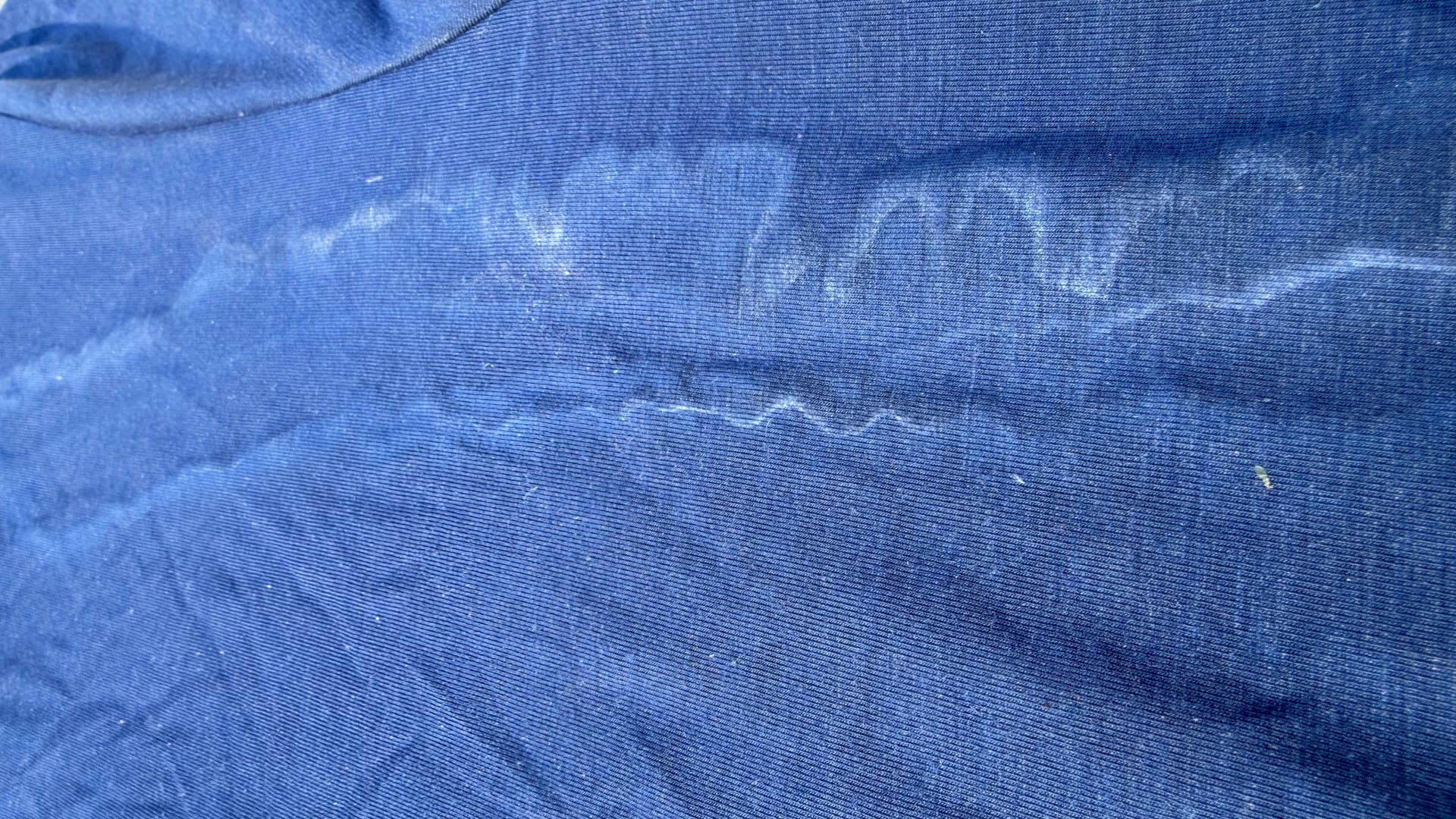
Throughout the 25-day test period, the HercShirt maintained its structural integrity, elasticity, and colorfastness, exhibiting no permanent underarm staining despite heavy salt accumulation and continuous wear. While subtle odor became discernible toward the final days of the unwashed test, the garment easily met manufacturer projections of extended freshness under rigorous conditions.
The HercUnderwear 2.0 Boxer Briefs utilized similar copper and charcoal integration. Supplemented by occasional spartan hand-washing in sinks or ocean water, a single primary pair maintained acceptable hygiene thresholds for up to nine consecutive days per wash cycle when paired with hygiene wipes.
Patagonia Capilene Cool Ultra Hoody
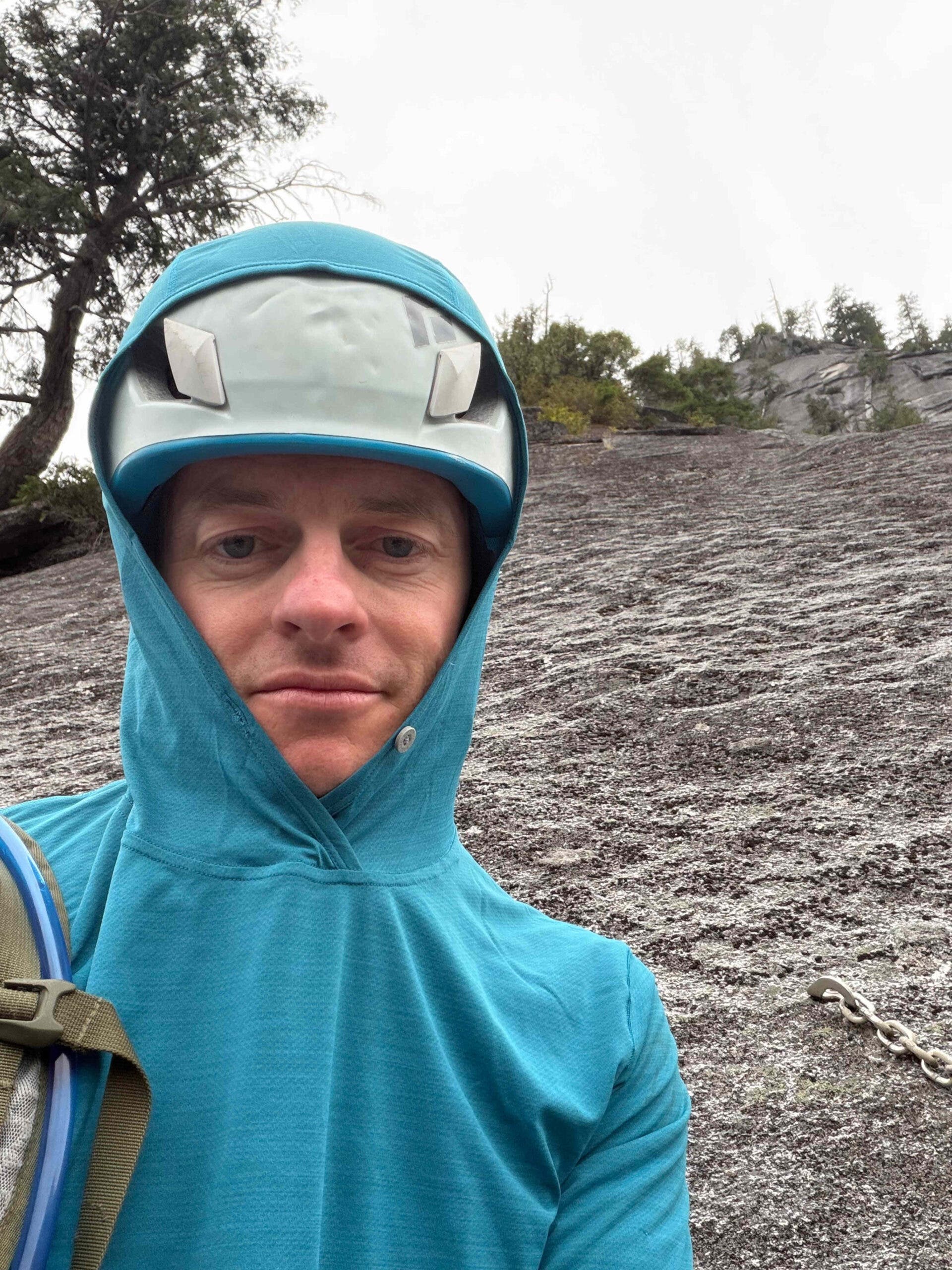
Patagonia’s lightweight summer mountaineering layer, the Capilene Cool Ultra Hoody, occupied a central role in the expedition’s daily layering system. Treated with HeiQ Mint—a proprietary botanical encapsulation technology designed to trap odor-causing fatty acids and release them during alkaline laundering—the hoody exhibited exceptional moisture management and rapid drying capabilities.
Although its inherent odor control was observed to be marginally less aggressive than the copper-infused HercLeon garments during extended multi-day use without washing, the hoody successfully balanced thermal regulation across disparate microclimates, ranging from sub-alpine wind to exposed desert ascents. The garment’s ability to be easily rinsed and rapidly dried in the field maintained its usability through the conclusion of the trip.
Lunatec Self-Cleaning Washcloths and Dishcloths
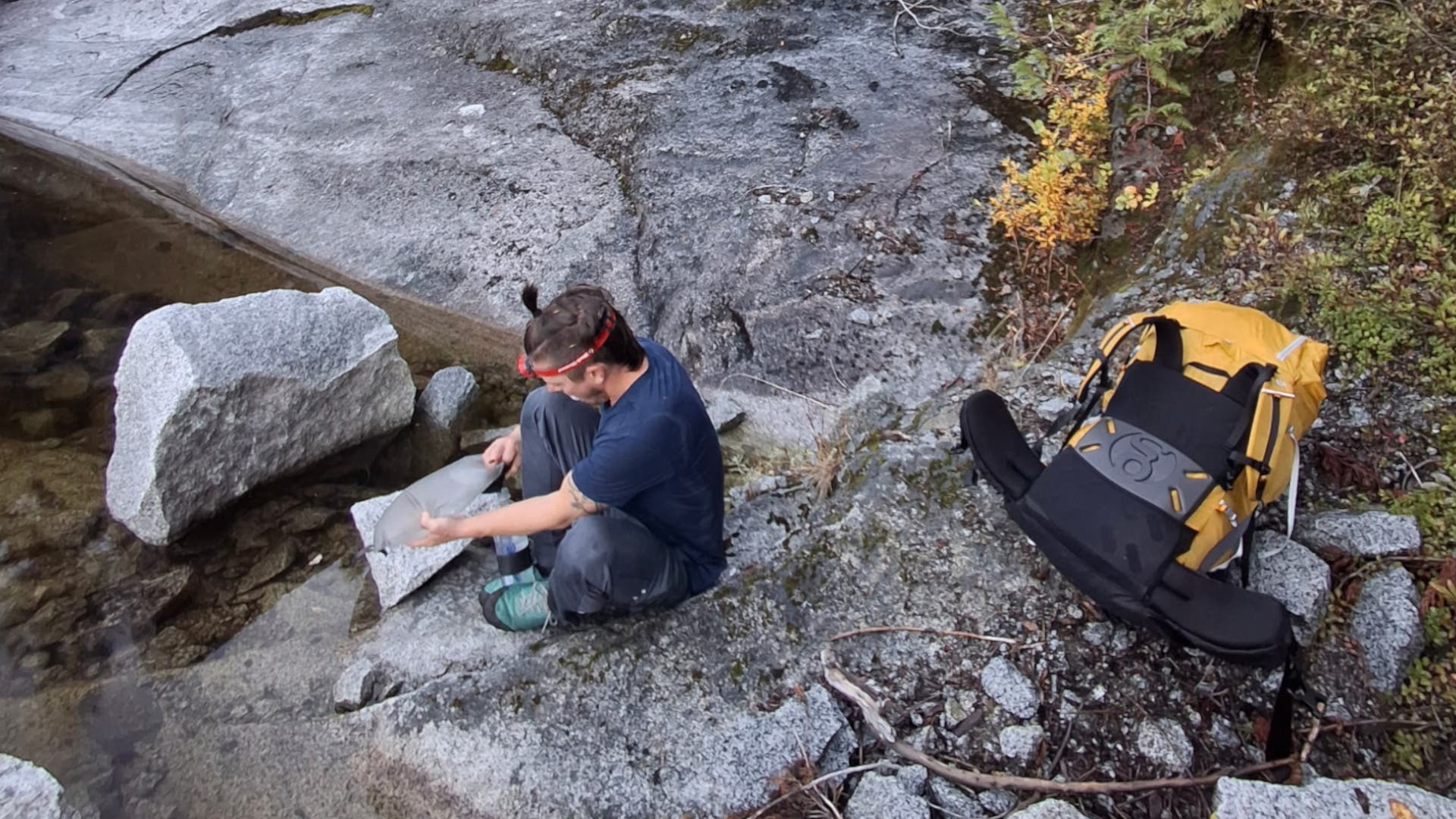
Supplementing the apparel were Lunatec’s specialized 100% nylon cleaning cloths, marketed as requiring no laundering. Utilizing an open-weave architecture designed for rapid drying, the dishcloth and washcloth successfully managed camp kitchen cleanup and personal hygiene maintenance without retaining organic residues or developing localized microbial odors.
Broader Impact and Implications for Outdoor Industry Standards
The successful completion of a three-week, multi-activity expedition utilizing a minimal, unwashed wardrobe highlights significant advancements in textile engineering and consumer gear design. By effectively mitigating microbial proliferation and moisture accumulation at the fiber level, manufacturers are reducing the logistical burdens associated with extended wilderness travel.
Industry analysts note that innovations in antimicrobial metal infusions and botanical encapsulation technologies extend beyond recreational utility, offering potential applications in military logistics, emergency response scenarios, and sustainable consumer fashion aimed at reducing water and energy consumption associated with frequent laundering. As field-testing demonstrates the viability of multi-week garment cycles without structural degradation or social ostracization, consumer demand for sustainable, high-performance anti-odor textiles is projected to expand across the outdoor and athletic apparel markets.