Unveiling Melaka’s Culinary Heritage: The Enduring Legacy of Kedai Kopi Chung Wah and Hainanese Chicken Rice Balls

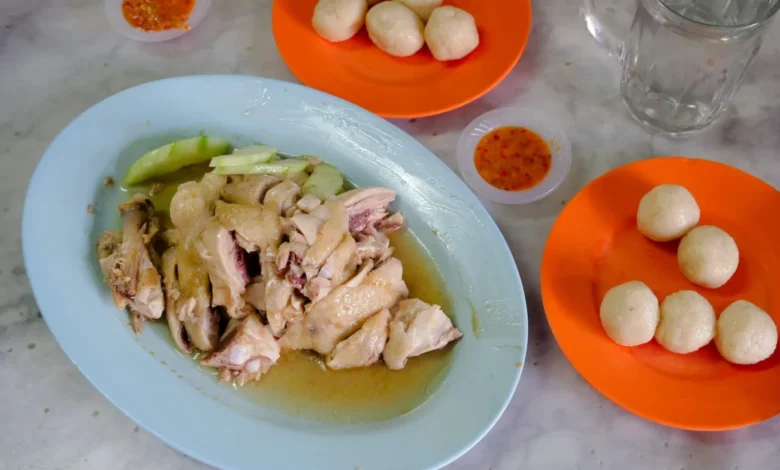
The historic coastal city of Melaka, Malaysia, situated along the vital maritime corridor of the Strait of Malacca, has long served as a melting pot of global cultures and commerce. While international travelers have flocked to the region since the mid-15th century—drawn initially by strategic geography and later by trade—the city’s contemporary global renown is increasingly anchored in its vibrant gastronomic landscape. Among the myriad culinary offerings that define Southeast Asian street food, Hainanese chicken rice stands out as an iconic staple. Yet, in Melaka, this classic dish undergoes a distinct regional transformation, most famously realized at the generational, family-run establishment Kedai Kopi Chung Wah, located at the foot of Jonker Street.
Historical Evolution and Cultural Synthesis
The origins of Hainanese chicken rice trace back to the island province of Hainan in southern China, where emigrants prepared a dish known as Wenchang chicken, characterized by poached poultry served alongside rice cooked in chicken broth. As the Hainanese diaspora migrated across Southeast Asia during the 19th and early 20th centuries, they adapted their traditional recipes to local ingredients and tastes.
In Malaysia and Singapore, the dish evolved into the ubiquitous chicken rice found today. However, the iteration found in Melaka—specifically the transformation of loose grains into tightly packed, hand-rolled rice balls—carries a distinct historical narrative. Archival food histories indicate that these spherical portions were originally created by Hainanese vendors as a practical solution for workers and travelers needing a portable, nutrient-dense meal for long journeys into the hills or fields. This functional innovation transformed ordinary starch into an enduring cultural artifact, blending Chinese culinary techniques with the practical demands of early immigrant life in British Malaya.

Inside Kedai Kopi Chung Wah: Operations and Culinary Craftsmanship
Situated prominently on a corner facing Melaka’s famed Jonker Walk, just across the flower-adorned bridge, Kedai Kopi Chung Wah exemplifies the traditional kopitiam (coffee shop) model. Operating daily from 9:00 AM until mid-afternoon (3:00 PM on weekdays, 4:00 PM on weekends), the establishment routinely attracts long queues of both domestic and international visitors, reflecting its high status in local and international culinary guides.
The ordering process at the restaurant is streamlined for high-volume turnover. Diners are typically instructed to calculate their party size to determine the appropriate allocation of rice ball plates, followed by selecting either a half or whole portion of poached chicken. Because of the rapid customer influx, table management is efficient; patrons often secure seating in tandem with servers delivering the food.

The culinary preparation behind the counter demands precision and adherence to generational methods. The process begins hours before opening, underscoring the culinary axiom that simplicity in presentation often belies complexity in execution.
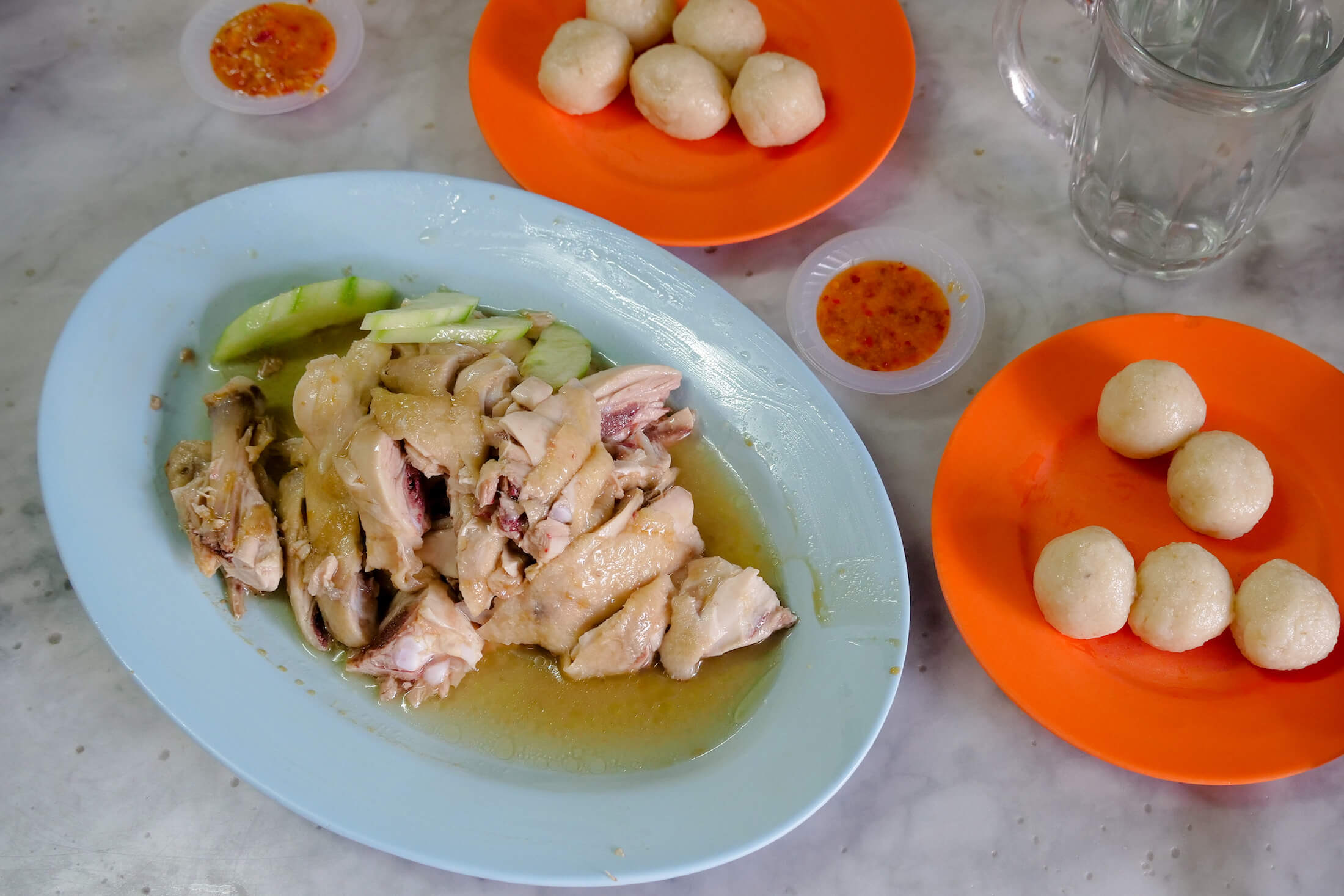
- The Poultry: The chicken is poached to maintain a tender, gelatinous skin, then rapidly chopped to keep pace with the morning rush. Served steaming hot, the meat absorbs subtle aromas from garlic and traditional seasoning broths.
- The Dipping Sauce: Departing from the milder ginger pastes common in other regions, Chung Wah’s signature sauce relies heavily on a vinegar base, fresh garlic, and chili. This tangy, pungent accompaniment provides an acidic contrast to the rich poultry and dense carbohydrates.
- The Rice Balls: The defining feature of the establishment is its spherical rice. Cooked with chicken broth and rendered fats, the rice achieves a firm, cohesive texture reminiscent of the crispy crust found at the bottom of traditional rice cookers. The grains are manually compressed into dense spheres that retain their structural integrity upon plating.
Economic and Tourism Implications
Gastronomy has emerged as a primary driver of domestic and international tourism in Melaka, a UNESCO World Heritage site. Traditional establishments like Kedai Kopi Chung Wah contribute significantly to the local economy by sustaining heritage food supply chains and drawing foot traffic to historical districts such as Jonker Street.

According to regional tourism data, culinary tourists account for a substantial percentage of Melaka’s visitor demographic, with traditional eateries serving as key anchors for cultural preservation. Meals at such venues remain economically accessible; a typical lunch consisting of chicken and rice balls for multiple diners generally totals approximately 28 Malaysian Ringgit (approx. $6.77 USD), ensuring broad accessibility for locals and travelers alike.
Broader Culinary Context of Coastal Malaysia
While Hainanese chicken rice remains a cornerstone of Melaka’s Chinese-Malay culinary identity, the broader region hosts a diverse array of distinct gastronomic traditions. Cultural historians frequently point to the parallel development of Peranakan (Straits Chinese) and Nyonya cuisines in Melaka, Penang, and Singapore, which blend Chinese ingredients with Malay spices, herbs, and cooking methods.

Furthermore, traveling northward toward the peninsular states of Kelantan and Terengganu reveals distinct culinary influences shaped by proximity to Thailand and coastal fishing economies. Dishes such as tempoyak (fermented durian paste) highlight the regional diversity of Malaysian cuisine, demonstrating how geography, migration, and trade have continually shaped the nation’s foodways across centuries.
Despite the logistical challenges often associated with visiting high-density heritage zones—such as limited parking and extended wait times during peak hours—establishments like Kedai Kopi Chung Wah continue to serve as vital living archives of immigrant history and culinary adaptation in Southeast Asia.