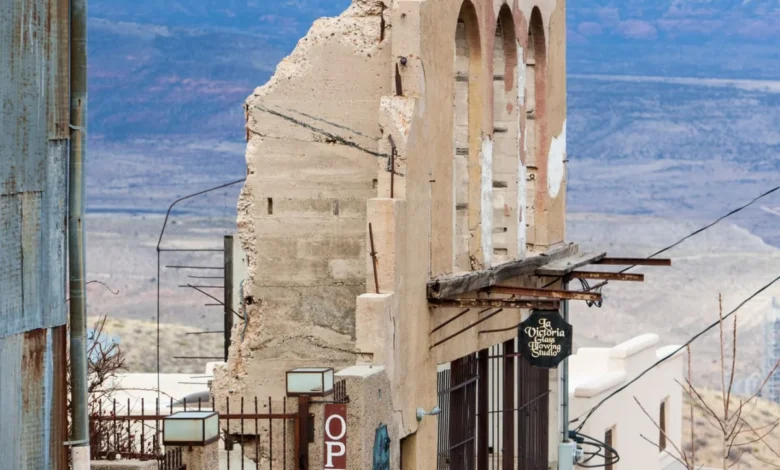
Perched precariously on the steep slopes of Cleopatra Hill in central Arizona, the town of Jerome stands as a stark monument to the rise and fall of the American industrial frontier. Once a sprawling copper-mining metropolis, the community has undergone a radical transformation over the last century, shifting from a lawless "wicked" boomtown to a preserved National Historic Landmark District. Today, it serves as an open-air museum and a sanctuary for the arts, offering a unique case study in urban survival following the collapse of a singular industry.
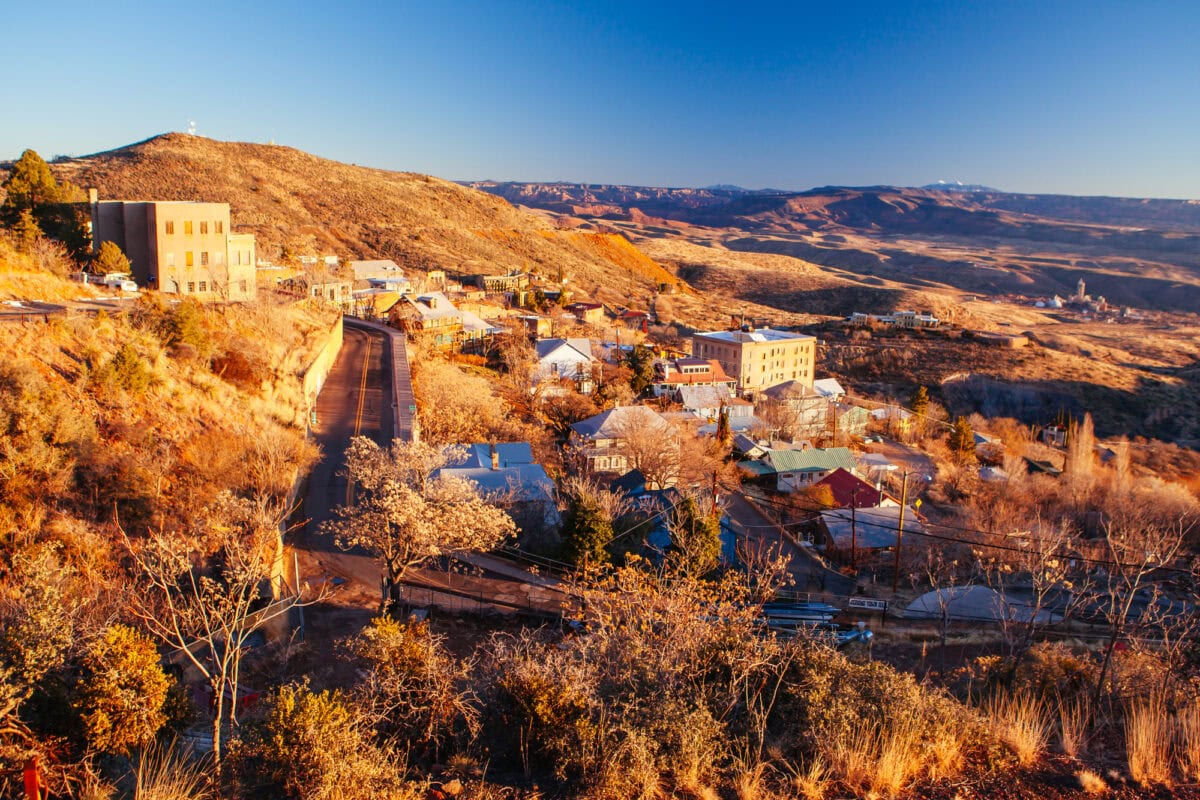
The history of Jerome is intrinsically tied to the discovery of copper in the Black Hills of Arizona. In 1876, claims were staked that would eventually lead to the founding of the United Verde Copper Company. By the turn of the 20th century, the town had exploded into a population of nearly 15,000 residents, driven by the insatiable global demand for copper during the early industrial age. During this peak, the town earned a notorious reputation as the "Wickedest Town in the West." Historical records from the era describe a volatile environment defined by 24 saloons, 18 brothels, and a diverse, transient labor force. The town was characterized by its vertical architecture—homes and businesses were literally built into the side of the mountain, creating a precarious urban layout that remains a defining feature of the landscape today.
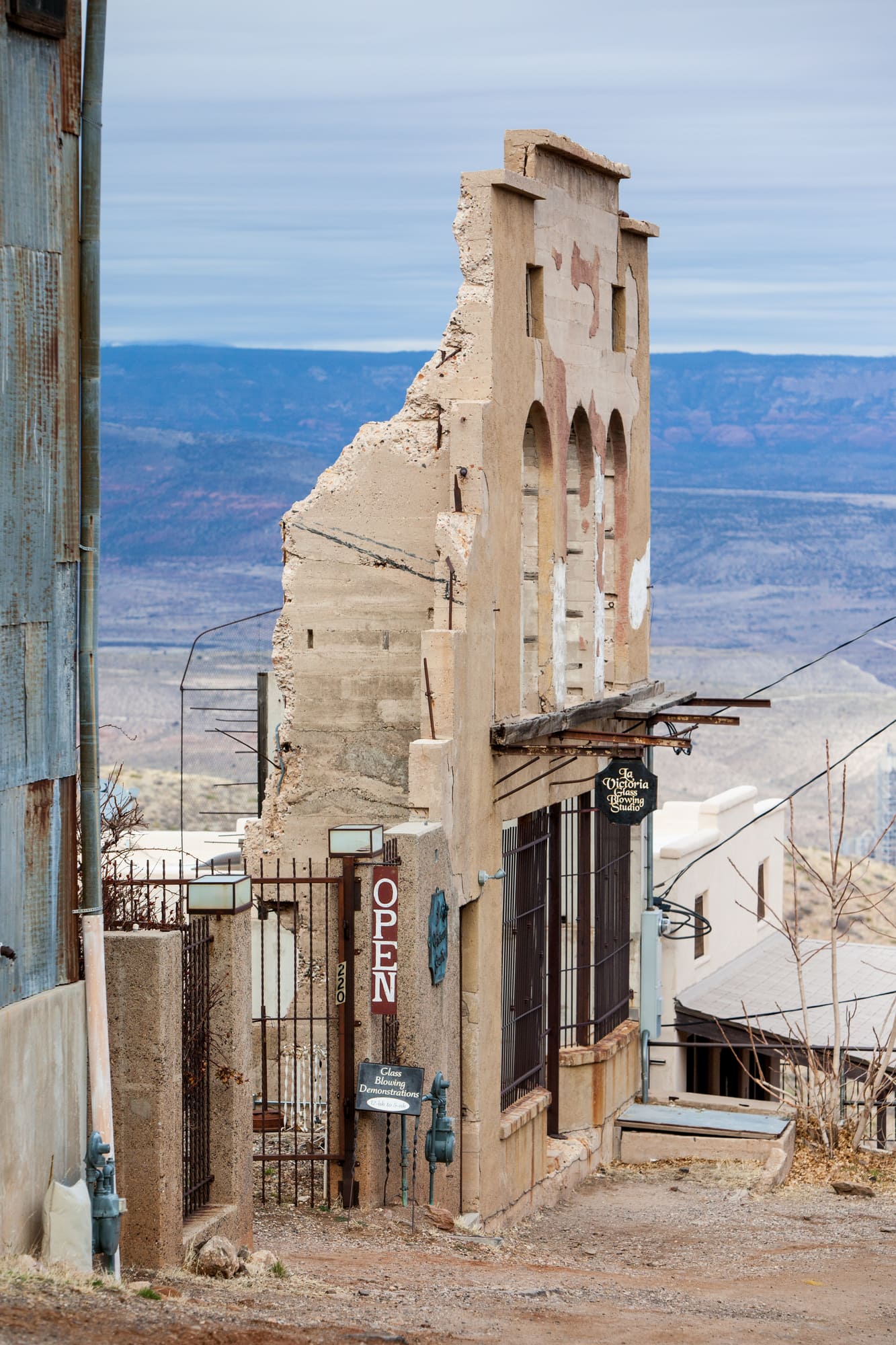
The decline of Jerome began in the mid-20th century as mining operations became increasingly inefficient and costly. The definitive turning point occurred in 1953 when the Phelps Dodge Corporation, which had acquired the mining interests, officially ceased all underground operations. The economic impact was immediate and catastrophic; within a few years, the population plummeted from thousands to fewer than 100 people. This period of rapid depopulation solidified Jerome’s status as a "ghost town," a term that became a point of civic pride rather than a sign of failure.
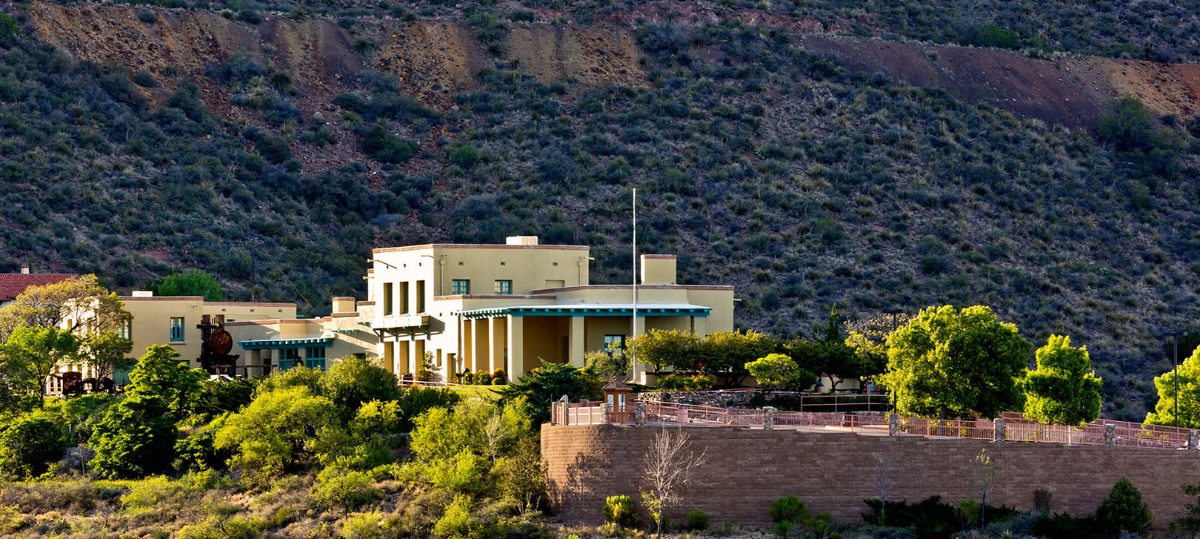
The transition from a mining camp to a cultural landmark was not accidental. In the decades following the mine closures, the town became a haven for artists, retirees, and counter-culture figures who were attracted to the affordable, albeit structurally unstable, real estate. This influx of creative energy helped stabilize the local economy. In 1967, the federal government officially designated Jerome as a National Historic Landmark District. This designation protected more than 100 historic buildings, ensuring that the architecture of the mining era—ranging from Victorian-style mansions to utilitarian boarding houses—would be preserved for future generations.
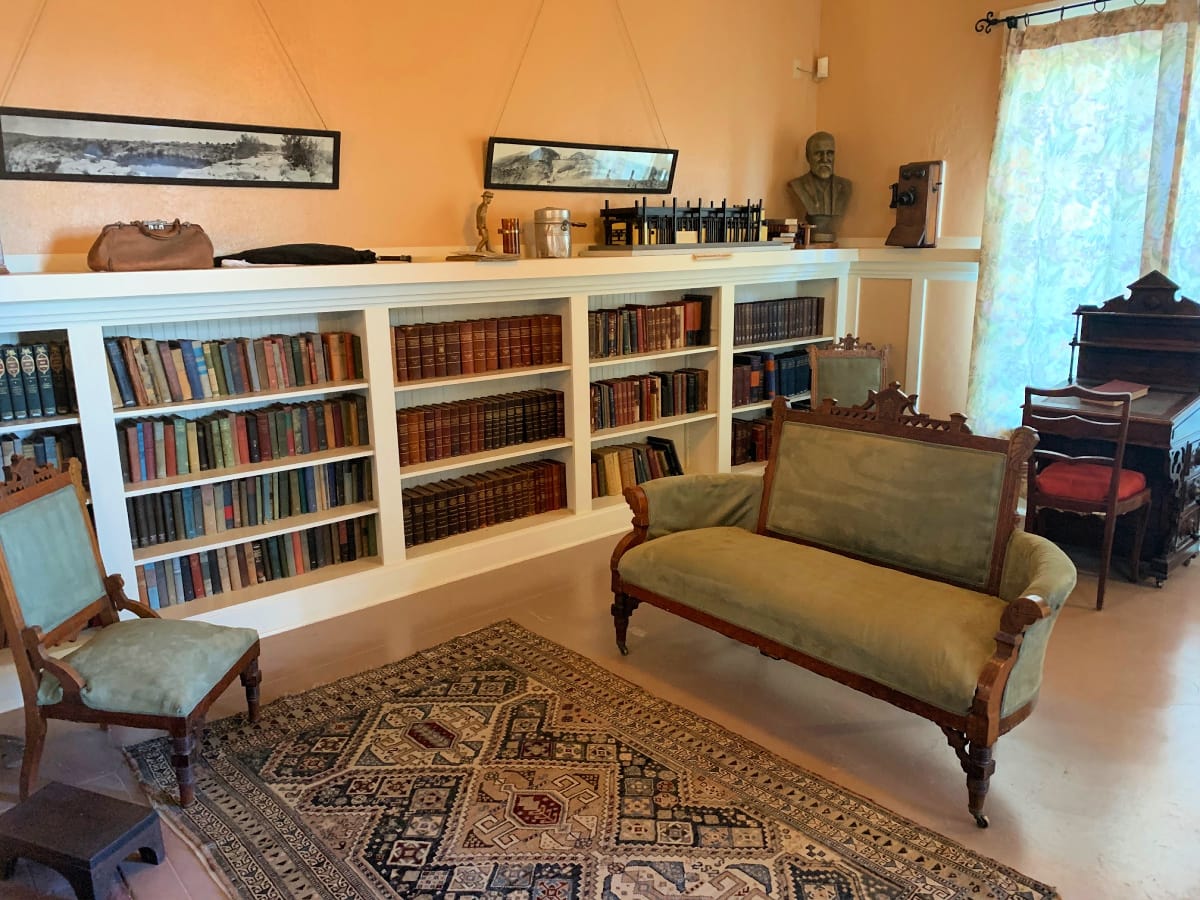
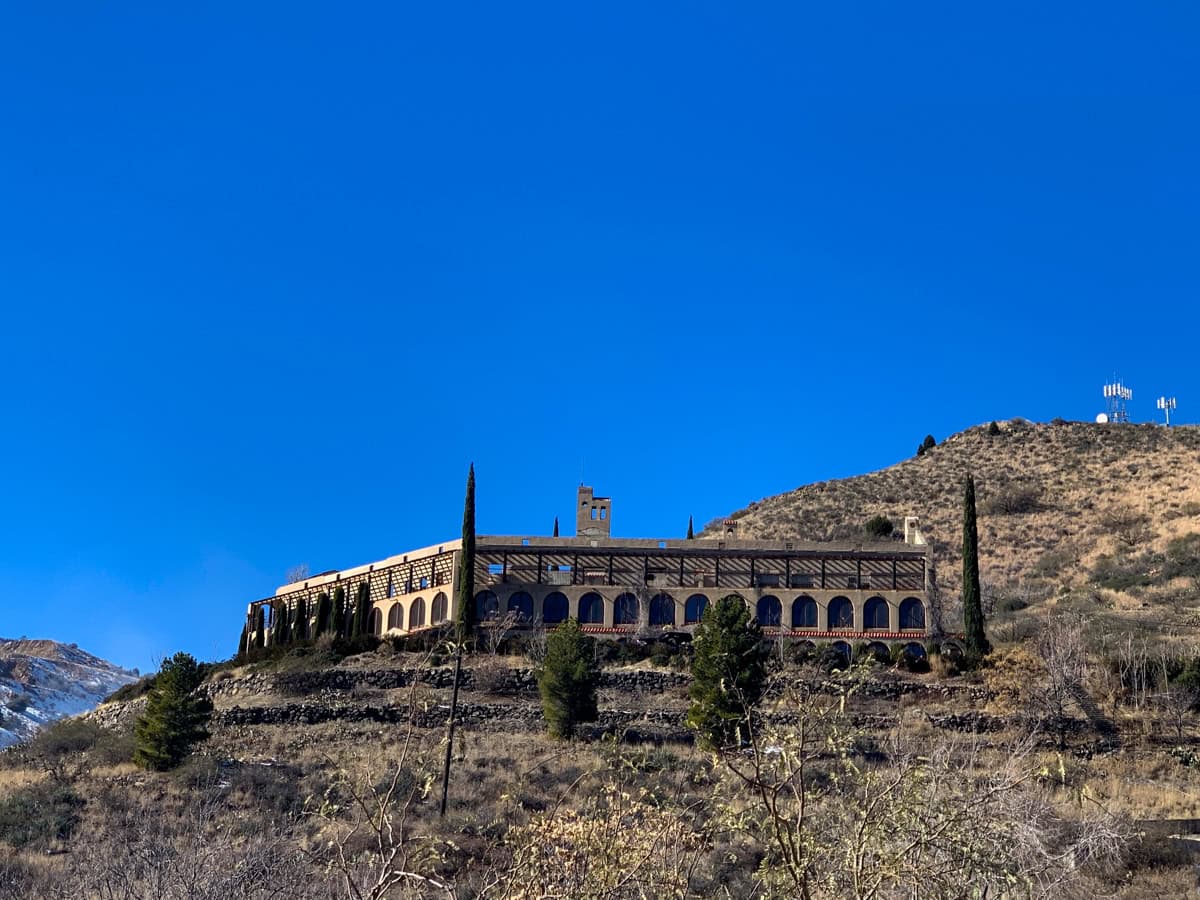
The preservation of Jerome is anchored by the Jerome State Historic Park, which is centered on the Douglas Mansion. Built in 1916 by James S. Douglas, the founder of the United Verde Extension Mining Company, the mansion provides a window into the life of the mining magnates. Current exhibits at the park detail the complex geology of the area and the engineering challenges faced by miners who worked in a subterranean environment often described as a "Swiss cheese" maze of tunnels. Data from the Jerome Historical Society indicates that the town’s foundation remains vulnerable to the legacy of this mining, with significant seismic activity and shifting ground necessitating constant monitoring of historic structures.
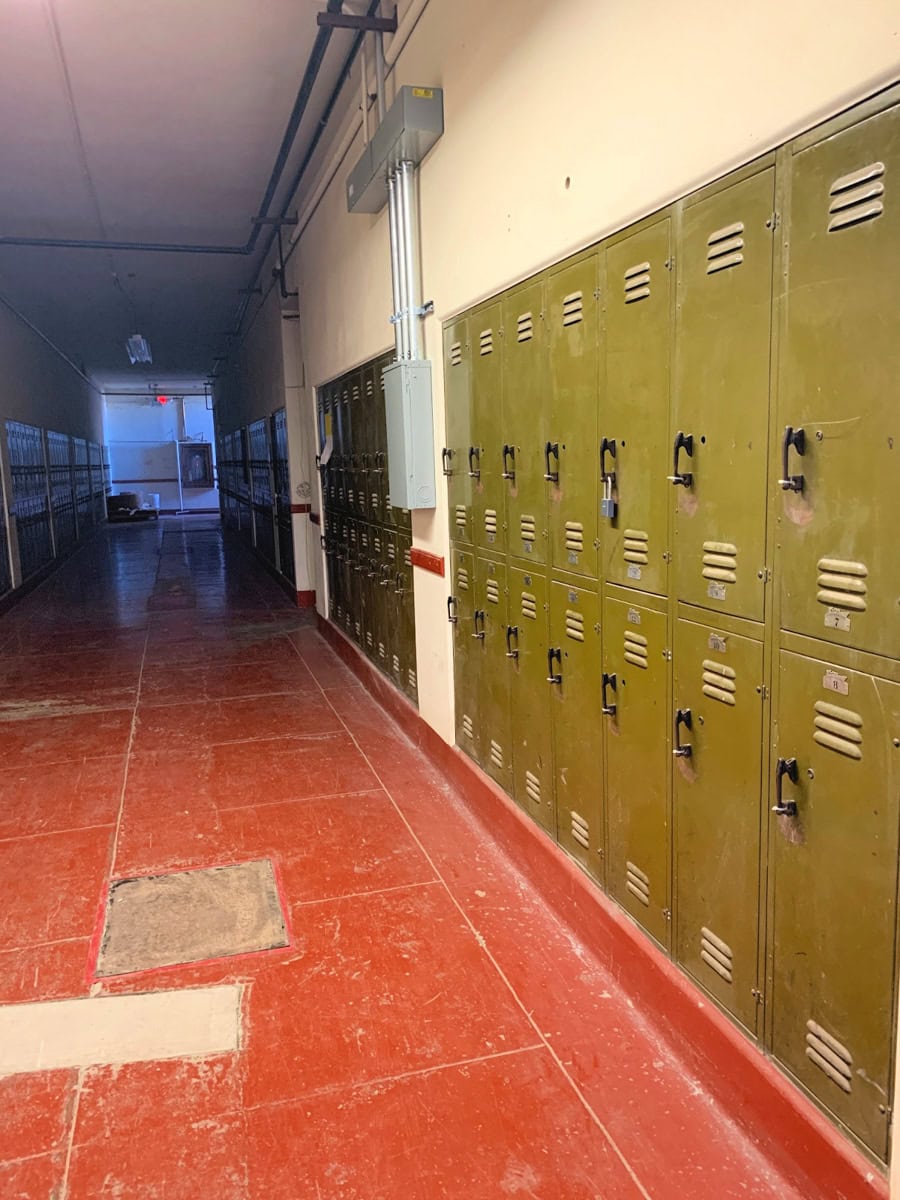
One of the most compelling examples of the town’s geological instability is the "Sliding Jail." Following a series of dynamite blasts in the 1930s, the jail began a slow, involuntary migration down the hillside. Today, the structure rests approximately 225 feet from its original site. The existence of the jail serves as an enduring, physical reminder of the environmental toll caused by intensive, unchecked mining practices. Engineering reports suggest that the town’s location on the Verde Fault makes it a unique, if unstable, location for long-term urban development.
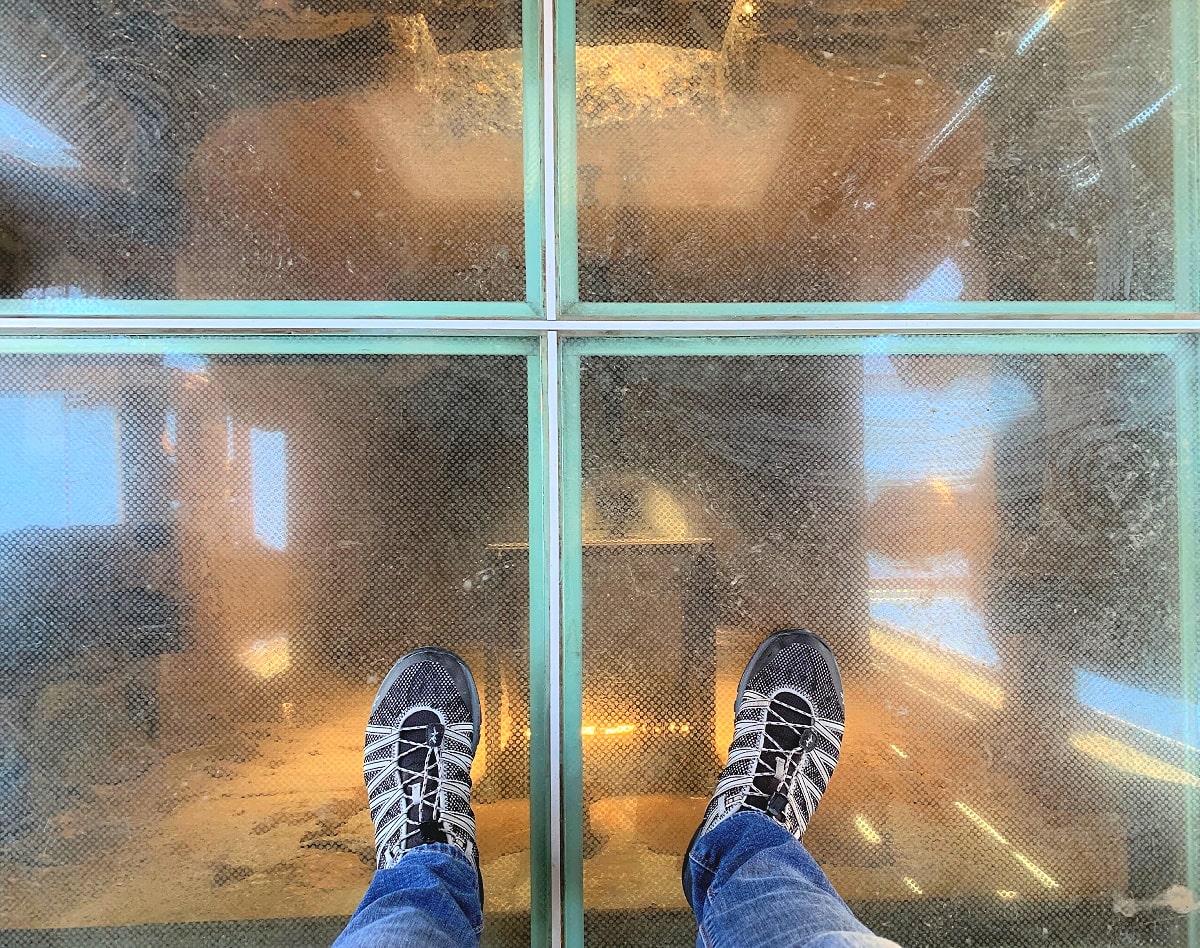
In recent years, Jerome has pivoted toward a tourism-based economy, capitalizing on its aesthetic appeal and its history of paranormal lore. The town’s economy now supports approximately 500 permanent residents and draws thousands of visitors annually. Local officials and the Jerome Chamber of Commerce have leveraged this traffic to support a thriving local art scene, including the monthly First Saturday Artwalk. The town’s restaurants, such as the Haunted Hamburger and the repurposed English Kitchen (now home to a barbecue smokehouse), have successfully branded their historic, albeit occasionally "haunted," architecture to attract a modern demographic.
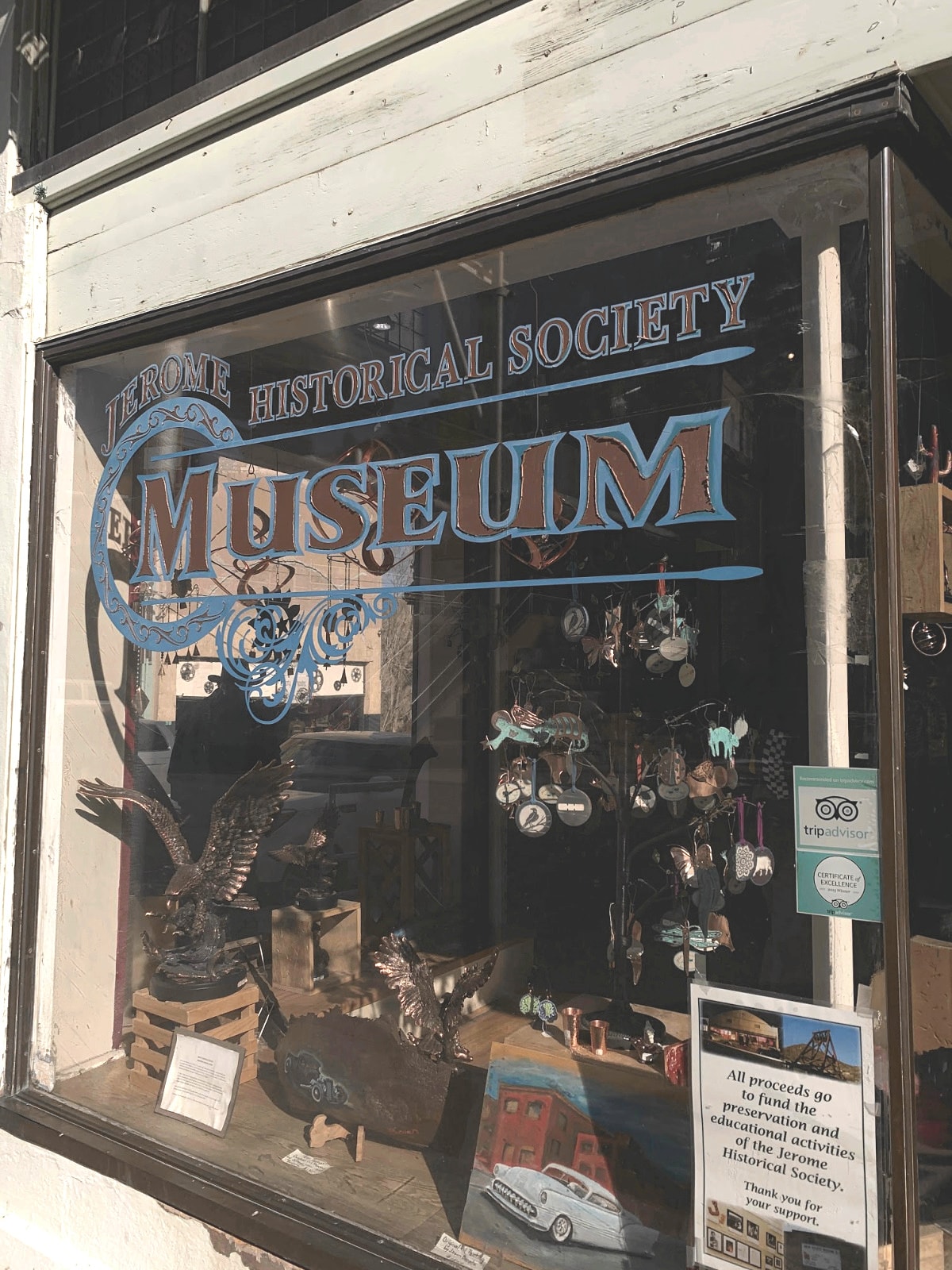
The implications of Jerome’s survival are significant for other former industrial centers in the American West. By successfully repurposing its industrial history into a cultural commodity, Jerome has avoided the fate of true abandonment. However, the town faces ongoing challenges regarding infrastructure and accessibility. The very geography that made it an ideal location for mining—the steep, narrow, and winding roads—now complicates modern transportation, parking, and emergency services. The town council and various preservationist groups continue to balance the need for modern upgrades with the strict requirements of the National Historic Landmark status.
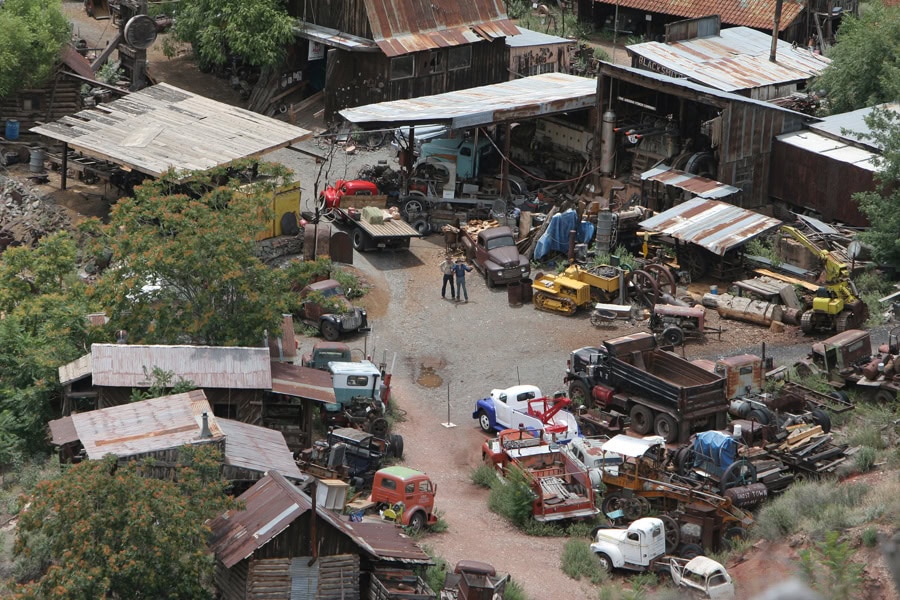
For those interested in the logistical reality of the town’s past, the Gold King Mine Museum in nearby Haynes provides an extensive look at the mechanical side of mining. The collection features over 100 vintage vehicles and preserved equipment, documenting the technological evolution of the mining industry from the early 1900s through the 1950s. This site, along with others, serves as a bridge between the raw, industrial past and the sanitized, touristic narrative of the present.
In conclusion, Jerome is a rare survivor of the boom-and-bust cycle. Its evolution from a center of global copper production to a destination for art and history is a testament to the resilience of the community. While the mines are long silent, the town remains an active, functioning municipality. Its preservation is not merely an act of nostalgia; it is a calculated economic strategy that allows the town to remain relevant in a rapidly changing regional economy. Visitors to Jerome today find a site that is both a repository of Western history and a living example of how a town can redefine its purpose after its primary reason for existence has vanished. As Arizona continues to experience rapid population growth, the demand for unique, historical destinations like Jerome is expected to rise, further cementing its role as a key component of the state’s cultural landscape.