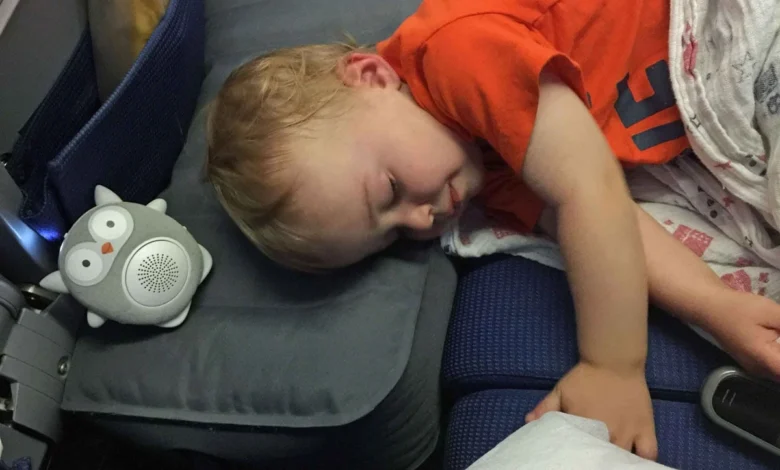
Long-haul air travel with toddlers presents a distinct set of logistical challenges for parents, primarily centered on managing child comfort and sleep hygiene within the confined constraints of economy-class seating. In response to these challenges, the market for child-focused aviation accessories has expanded, with inflatable airplane cushions—such as the Fly Tot—emerging as a prominent solution. These devices are designed to fill the legroom gap, effectively transforming an economy seat into a more spacious area for resting or play. As international travel demand continues to rise, the efficacy, safety standards, and regulatory status of such travel aids remain a critical point of interest for families.

Evolution of the Inflatable Airplane Bed
The original iteration of the Fly Tot was introduced nearly a decade ago, providing a simple, air-filled cushion to bridge the distance between a child’s seat and the seat in front of them. Over the years, the product has undergone significant redesigns, culminating in the current model known as the Fly Tot Plus. While the fundamental concept remains consistent—extending the usable surface area of the seat—the manufacturer has implemented several technical upgrades aimed at enhancing ease of use and safety.

Key engineering improvements in the latest model include a patented two-width design. This allows the cushion to accommodate the varying seat pitches and floor configurations found in modern commercial aircraft, ranging from standard economy to premium economy layouts. Furthermore, the inclusion of an automatic safety release valve addresses concerns regarding cabin pressure fluctuations. This mechanism is designed to deflate the unit automatically in the event of a sudden change in cabin pressure, aligning with aviation safety protocols that prioritize the rapid return of equipment to a stowed position during emergencies.
Advancements in Usability and Equipment
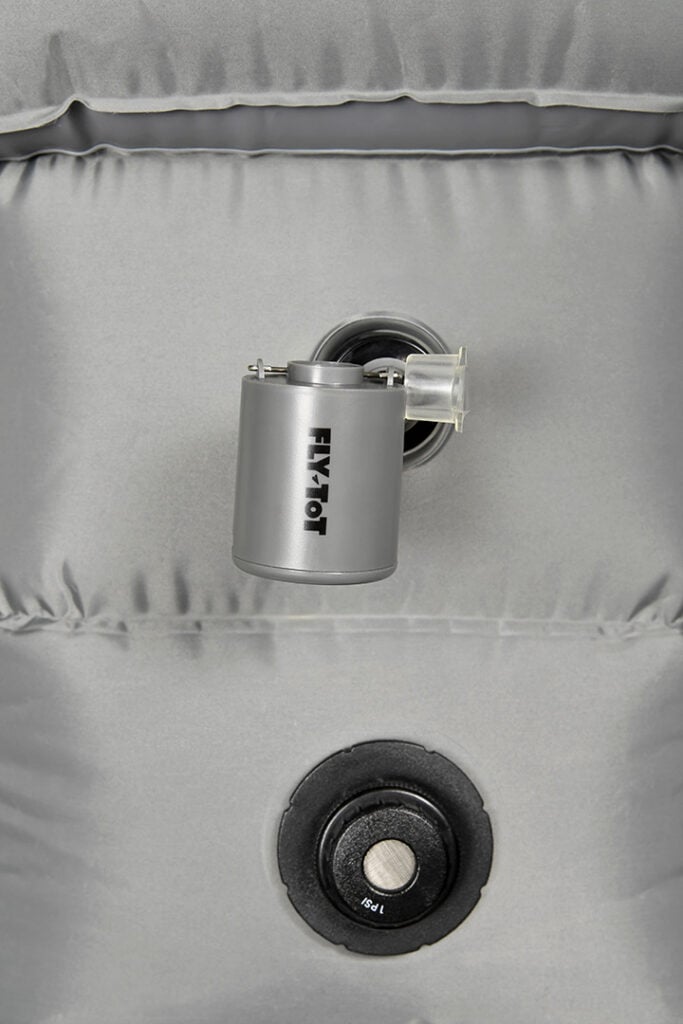
One of the primary historical drawbacks of early inflatable travel gear was the physical burden of manual inflation, which often required bulky pumps or significant exertion in cramped quarters. The current Fly Tot Plus kit addresses this by incorporating a compact, rechargeable electric device known as the "Tiny Pump." Capable of inflating the cushion in under one minute, this tool significantly reduces the labor required during the boarding process.
Additional design refinements include a tapered base, which is intended to maintain accessibility to essential under-seat safety equipment, such as life vests or in-flight entertainment electronics. By ensuring that the device does not obstruct these components, the product aligns more closely with the operational requirements of airline cabin crews, who must ensure that all passenger areas remain compliant with safety regulations.

Regulatory Landscape and Airline Policies
The use of inflatable airplane beds is subject to the discretion of individual airline operators, and there is no universal industry standard governing their use. While many airlines permit these devices, others maintain strict prohibitions, often citing potential interference with evacuation procedures or the obstruction of aisle access.

Historically, airline policies regarding seat extenders have been fluid. Passengers are generally advised to verify current inflight policies at least 48 hours prior to departure. A critical operational rule across most major carriers is that such cushions must never be used during taxi, takeoff, or landing. Furthermore, they are typically restricted to window seats or middle seats in the center section of a row to ensure that the device does not block another passenger’s path to the aisle. Failure to adhere to crew instructions—or the use of a device that is prohibited by a specific carrier—can result in a mandatory request to deflate and stow the item for the duration of the flight.
Data-Driven Benefits for Long-Haul Travel

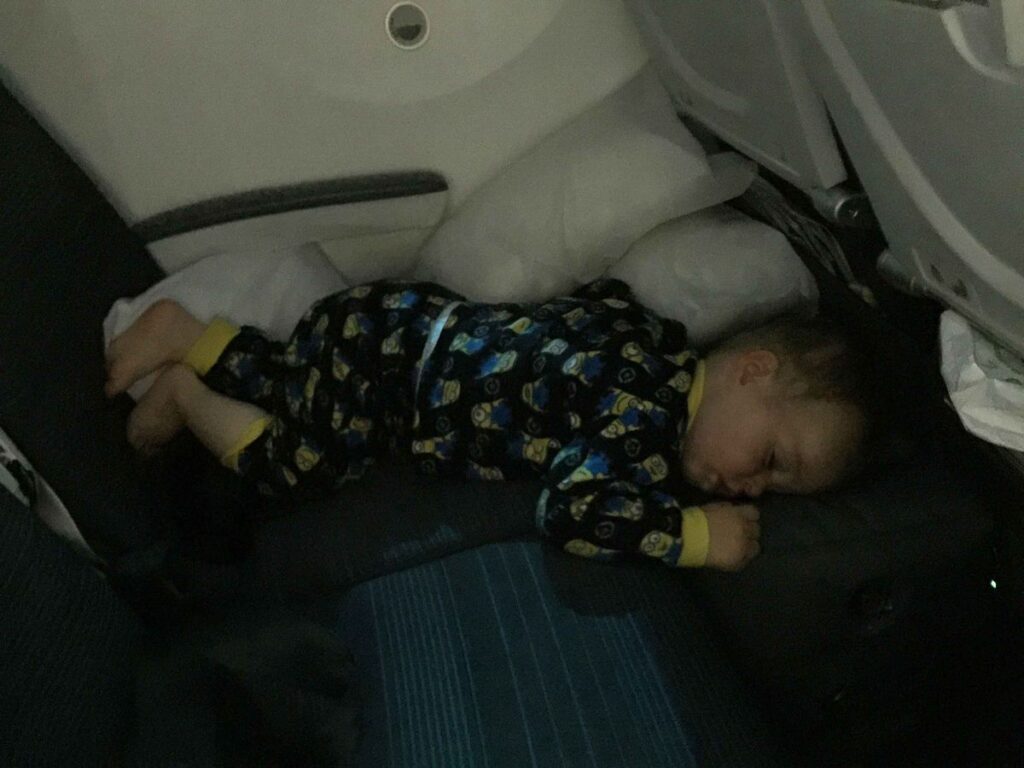
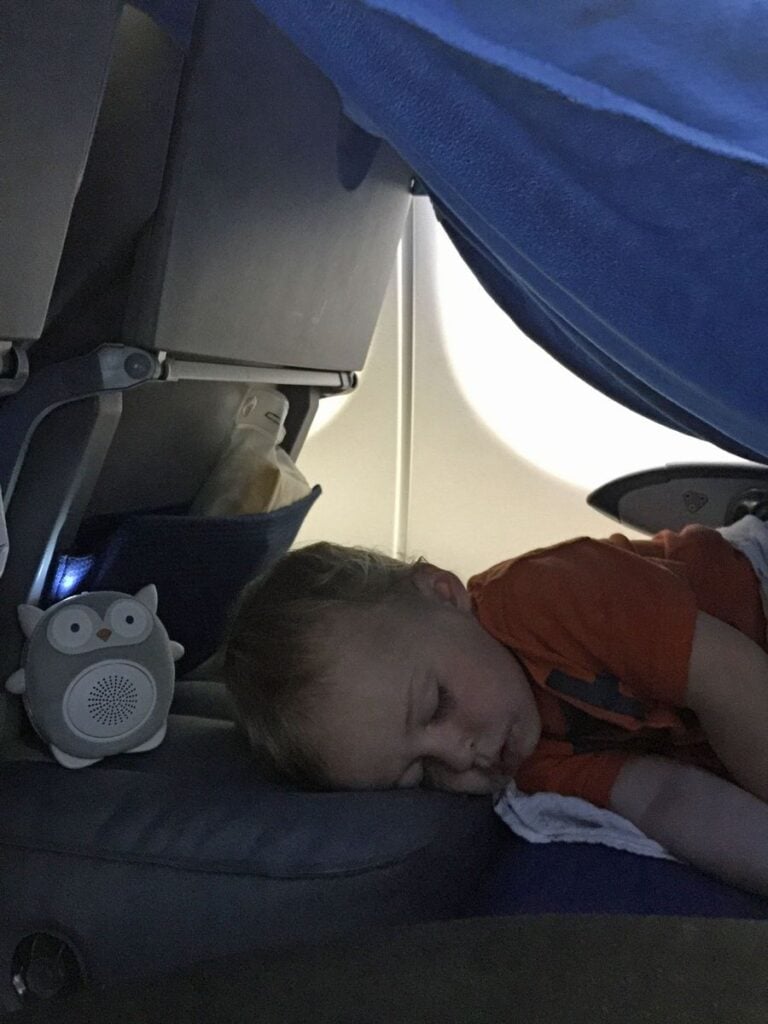
Parental reports and travel studies suggest that the primary advantage of these cushions is the extension of the "sleep zone." On flights exceeding eight hours, the ability for a child to lie flat, rather than remain in a vertical or semi-upright position, can significantly reduce overtiredness. This, in turn, can mitigate the behavioral issues often associated with travel-induced stress in toddlers.
From a physiological perspective, maintaining a consistent sleep pattern during red-eye flights helps children adjust more rapidly to time zone changes upon arrival. While no product can guarantee sleep, providing a stable, flat surface significantly increases the probability of a child achieving a restorative rest cycle. Moreover, the extra floor space provides a containment area for toys and books, preventing items from falling into the aisle—a common source of friction between passengers and cabin staff.
Comparative Analysis of Travel Gear
While the Fly Tot is a leader in this segment, other manufacturers have introduced competing designs. The Flyaway Kids Bed, for instance, utilizes a different structural approach, creating a raised platform that does not necessarily occupy the entire floor space, which can be advantageous for families who prefer to keep some floor area clear for carry-on luggage.

When comparing these options, parents should consider the specific aircraft configuration they will be flying. For example, some premium economy seats offer different legroom dimensions that may render a specific brand of cushion incompatible. Cost-benefit analysis also plays a role; for families who travel internationally twice a year or more, the investment in a high-quality, durable inflatable bed is generally considered lower than the cost of upgrading to a premium seat with a flat-bed option.
Best Practices for Integration
To ensure a seamless experience, seasoned travelers and experts in family logistics recommend the following protocols:
- Verification: Always consult the airline’s website or a customer service representative regarding their specific policy on "inflatable seat extenders."
- Pre-Departure Practice: Familiarize yourself with the inflation and deflation mechanisms at home. Understanding the valve system before boarding prevents unnecessary delays and potential frustration in the confined space of a commercial cabin.
- Timing of Deployment: Deployment should only occur once the seatbelt sign has been switched off by the flight crew.
- Safety Compliance: Ensure the child remains buckled in at all times. If the seatbelt sign is illuminated due to turbulence, the cushion must be deflated and stowed immediately.
- Diplomacy with Crew: Flight attendants are responsible for the safety of all passengers. If a crew member requests that the device be removed, compliance must be immediate and polite. Maintaining a cooperative relationship with staff is essential for a smooth travel experience.
Future Implications and Industry Trends

As the aviation industry moves toward greater personalization of the passenger experience, the rise of such "comfort accessories" signals a shift in how families navigate the rigors of modern air travel. While airlines continue to prioritize safety and cabin efficiency, the sustained demand for child-focused comfort products suggests that manufacturers will continue to refine these tools. Future iterations are likely to focus on even smaller pack-down sizes, improved materials that are more resistant to punctures, and potentially integrated safety-belt systems that are certified by aviation authorities.
In summary, the Fly Tot and its contemporaries provide a measurable benefit to families managing the complexities of long-haul flights with young children. By carefully researching airline policies and practicing proper deployment techniques, parents can optimize their travel environment, potentially resulting in a more comfortable and less stressful experience for both the child and fellow passengers. As with all travel equipment, the key to success lies in preparation, compliance with airline safety regulations, and a realistic understanding of the limitations inherent in commercial air travel.