‘Please Help Me.’ A Hiker’s Desperate Text Led to Her Dramatic Rescue on a Famed Colorado Trail

The crisp, high-altitude air of the Maroon Bells-Snowmass Wilderness in Colorado turned perilously dangerous on the evening of Thursday, October 30, when an unseasonal and fierce autumn storm trapped a 37-year-old solo hiker. What was intended to be a challenging outdoor excursion devolved into a life-threatening ordeal marked by plunging temperatures, biting winds, and hip-deep snowdrifts. The multi-agency rescue operation that ensued involved treacherous terrain, freezing temperatures, night operations, and a specialized military aviation hoist, highlighting both the unpredictable nature of alpine weather and the remarkable coordination required of modern search and rescue (SAR) teams.
The incident underscores the inherent risks of undertaking remote backcountry routes during shoulder seasons, when pleasant autumn afternoons can rapidly deteriorate into arctic blizzards. As search and rescue organizations face an increasingly burdened workload—highlighted by a particularly grim week for responders in the region—authorities are once again urging outdoor enthusiasts to exercise extreme caution, heed weather forecasts, and pack adequate survival gear for the unforgiving Rocky Mountain wilderness.
Understanding the Setting: The Perils of the Four Pass Loop
The Four Pass Loop is globally renowned as one of the premier backpacking routes in the United States, drawing thousands of outdoor enthusiasts each year to the rugged expanse of the Maroon Bells-Snowmass Wilderness near Aspen and Crested Butte, Colorado. Spanning approximately 27 miles, the trail winds its way through stunning alpine valleys, vibrant aspen groves, and across four distinct mountain passes exceeding 12,000 feet in elevation: Trail Rider Pass, Frigid Air Pass, Trail Rider Pass, and West Maroon Pass.
While the loop can be completed by seasoned athletes in a single day, the vast majority of backpackers budget two to four days to traverse the roughly 8,000 vertical feet of cumulative elevation gain. The trail’s high average elevation means that weather conditions can shift violently and without warning, particularly during the transition from autumn to winter. Early-season snowstorms can dump feet of heavy, uncompacted snow over exposed mountain passes, obliterating trails, trapping hikers, and creating severe avalanche hazards long before official winter recreation seasons begin.
Chronology of an Alpine Emergency
The sequence of events that led to a multi-agency mobilization began late Thursday afternoon as deteriorating weather conditions converged on the rugged flanks of Frigid Air Pass.
The Initial Alert and Dwindling Battery
The 37-year-old hiker, caught unprepared by the sudden accumulation of thigh-to-hip-deep snow and temperatures plummeting into the teens, realized she could no longer safely navigate the route. Before her device died, she managed to send a text message to a family member indicating that her smartphone battery was dangerously low—hovering at a mere 10 percent. Shortly thereafter, she sent a desperate text to 911 containing a simple, haunting plea: "Please help me."
Pitkin County Emergency Dispatch received the text and immediately initiated emergency protocols. However, shortly after the initial communication, contact with the hiker was completely severed. Emergency services were left with a solitary set of geographic coordinates and a rapidly narrowing window to save a life in sub-freezing conditions.
Air Support and Initial Spotting
Recognizing the urgency of the situation and the impossibility of rapid ground transit given the heavy snow and remote location, Crested Butte Mountain Rescue (CBMR) was activated. Understanding that sub-zero temperatures and high elevations could easily induce fatal hypothermia within hours, CBMR partnered with CareFlight of the Rockies to deploy air support for an aerial reconnaissance and extraction mission. Simultaneously, a ground team was mobilized, operating under the prudent assumption that the severe weather and darkness might ultimately prevent any helicopter from landing.
By approximately 11:00 p.m. on Thursday night, the air support team successfully located the distressed hiker near Frigid Air Pass. The pilot and crew spotted her attempting to climb over the pass, battling punishing winds and deep drifts. Tragically, the severity of the winds, the steepness of the terrain, and the lack of a secure landing zone made a direct air extraction impossible at that hour.
Ground Teams Face Avalanche Hazards
Ground rescuers fared little better against the relentless elements. Approximately four hours after the aerial sighting, the first two members of the CBMR ground team reached Frigid Air Pass, locating the hiker near the spot where the helicopter had previously marked her.
However, neither the aircrew nor the advanced ground team could immediately reach or extract her. The combination of steep mountain slopes, unconsolidated deep snow, and pitch-black darkness triggered legitimate, high-level avalanche concerns. Recognizing that attempting an immediate descent toward the subject could trigger a slide and jeopardize the rescuers’ lives, the two team members made the difficult tactical decision to pause and wait for reinforcements before committing to the hazardous descent.
The Overnight Vigil and Life-Threatening Decline
At approximately 5:30 a.m. on Friday, the remaining members of the CBMR ground team rendezvoused at the pass. Two rescuers immediately descended 300 to 400 vertical feet through the treacherous snowpack to reach the stranded hiker.
Upon arriving at her side, the rescuers discovered a grim medical reality. The hiker was no longer ambulatory, having exhausted her physical reserves trying to fight through the snow. Furthermore, she was suffering from severe cold-related injuries and exhibiting acute symptoms of hypothermia—a medical emergency characterized by confusion, shivering, lethargy, and a dangerously low core body temperature.
Realizing that standard ground transport through miles of deep snow would take too long and potentially prove fatal given her deteriorated condition, the rescuers placed her inside a protective bivy sack to trap her remaining body heat and shelter her from the biting wind, while simultaneously requesting a specialized hoist-capable aircraft.
The Military Hoist Extraction
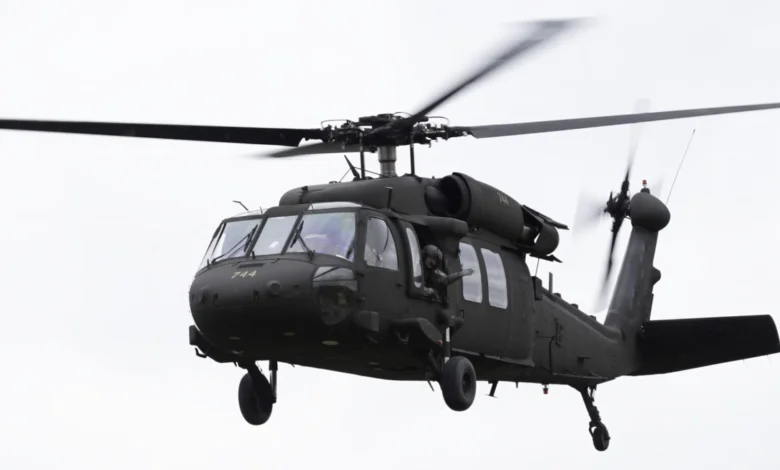
To execute a successful rescue under these conditions, CBMR coordinated directly with the Colorado Search and Rescue Association (CSAR). CSAR quickly elevated the request to the Colorado Army National Guard, which mobilized a UH-60 Black Hawk helicopter stationed in Gypsum, renowned for its high-altitude and mountain-flying capabilities.
Upon arriving at the scene, the Black Hawk crew executed a delicate maneuver, hovering above the precipitous terrain of Frigid Air Pass to lower a specialized rescue technician down to the snowpack. The technician secured the hypothermic hiker, and both individuals were hoisted safely into the aircraft.
The helicopter flew the patient directly to a valley airport, from which she was rapidly transported to the specialized UCHealth Burn and Frostbite Center at the University of Colorado Hospital in Aurora for intensive medical treatment. Following the successful transfer of the patient, the National Guard Black Hawk returned to Frigid Air Pass to hoist and evacuate the remaining ground rescuers off the mountain, neutralizing the ongoing risk of them becoming trapped by the deteriorating pass conditions.
Official Responses and the Burden on Rescue Teams
The successful rescue of the 37-year-old hiker, while celebrated as a triumph of inter-agency cooperation, served as a stark reminder of the immense physical and mental toll exacted on volunteer and professional search and rescue personnel.
In statements released following the incident, Crested Butte Mountain Rescue emphasized the profound danger that high-altitude winter rescues pose to the rescuers themselves. The organization highlighted that the operation on Frigid Air Pass occurred at the tail end of an exceptionally grueling week for the team—a brutal seven-day stretch that saw CBMR respond to three distinct emergency incidents, two of which unfortunately resulted in fatalities.
Rescue officials stressed that the proliferation of satellite messaging devices and text-to-911 services has dramatically improved response times by enabling hikers to call for help from remote locations. However, technology cannot bridge the physical limitations imposed by severe weather, deep snow, and extreme cold. Officials noted that while gadgets can summon help, they do not replace fundamental preparedness, physical endurance, and the wisdom to turn back when conditions sour.
In a poignant reminder shared with the outdoor community, CBMR advised backpackers: "So throw that extra puffy in your pack!"—urging adventurers to consistently carry emergency insulation, windproof outer layers, and adequate caloric and hydration supplies even when forecasts appear benign.
Broader Implications for Autumn and Winter Backcountry Safety
The October 30 incident on the Four Pass Loop reflects a broader, nationwide trend facing mountain communities: an increase in emergency calls driven by hikers venturing into alpine environments during transitional shoulder seasons without adequate winter gear.
As climate patterns become increasingly volatile and autumn storms strike earlier with greater ferocity, the line between autumn hiking and winter mountaineering has blurred significantly. Search and rescue organizations across Colorado and the broader American West are seeing an uptick in costly, high-risk missions necessitated by individuals caught off guard by rapid temperature drops and heavy snow accumulations.
From an economic and logistical standpoint, these multi-agency operations—involving local volunteer SAR units, municipal dispatchers, civil aviation assets like CareFlight, and state military aviation units such as the Army National Guard—represent a massive expenditure of public resources. While search and rescue services in Colorado are generally provided free of charge to those in need (funded largely through outdoor recreation license fees like the Colorado Outdoor Recreation Search and Rescue card), the human cost in volunteer hours and the inherent risk to rescue personnel remain significant.
Ultimately, the rescue on Frigid Air Pass stands as both a testament to the dedication of Colorado’s emergency services network and a cautionary tale for those who seek the solitude of the high country. As winter tightens its grip on the Rocky Mountains, authorities hope this dramatic rescue will serve as a powerful deterrent to underprepared travelers, reinforcing the reality that nature in the backcountry offers no margin for error.