Navigating the Modern Cruise Market: Why Norwegian Cruise Line Is Earning High Marks for Family Travel

Navigating the vast array of cruise line options available to modern families can often feel overwhelming, as competing advertisements, complex itineraries, and varied departure dates complicate the decision-making process. For travelers evaluating Norwegian Cruise Line (NCL), recent industry analyses and firsthand media voyages indicate a heavily family-oriented operational model tailored to children across multiple age demographics. Following a comprehensive media sailing aboard the Norwegian Getaway—timed to coincide with the grand opening of the Great Tides Waterpark at Great Stirrup Cay—industry observers have reassessed how NCL accommodates multi-generational groups, balancing flexibility in dining and scheduling with robust onboard youth programming.
Evaluating Family-Friendliness: Core Metrics and Ship Variability
When industry analysts evaluate a cruise line’s suitability for families, primary considerations traditionally include specialized amenities, youth activity infrastructure, diverse dining accommodations, and evening entertainment offerings. NCL demonstrates an intentional design philosophy embedded into its newer and refurbished vessels, prioritizing spaces where families can either congregate or pursue age-specific interests.
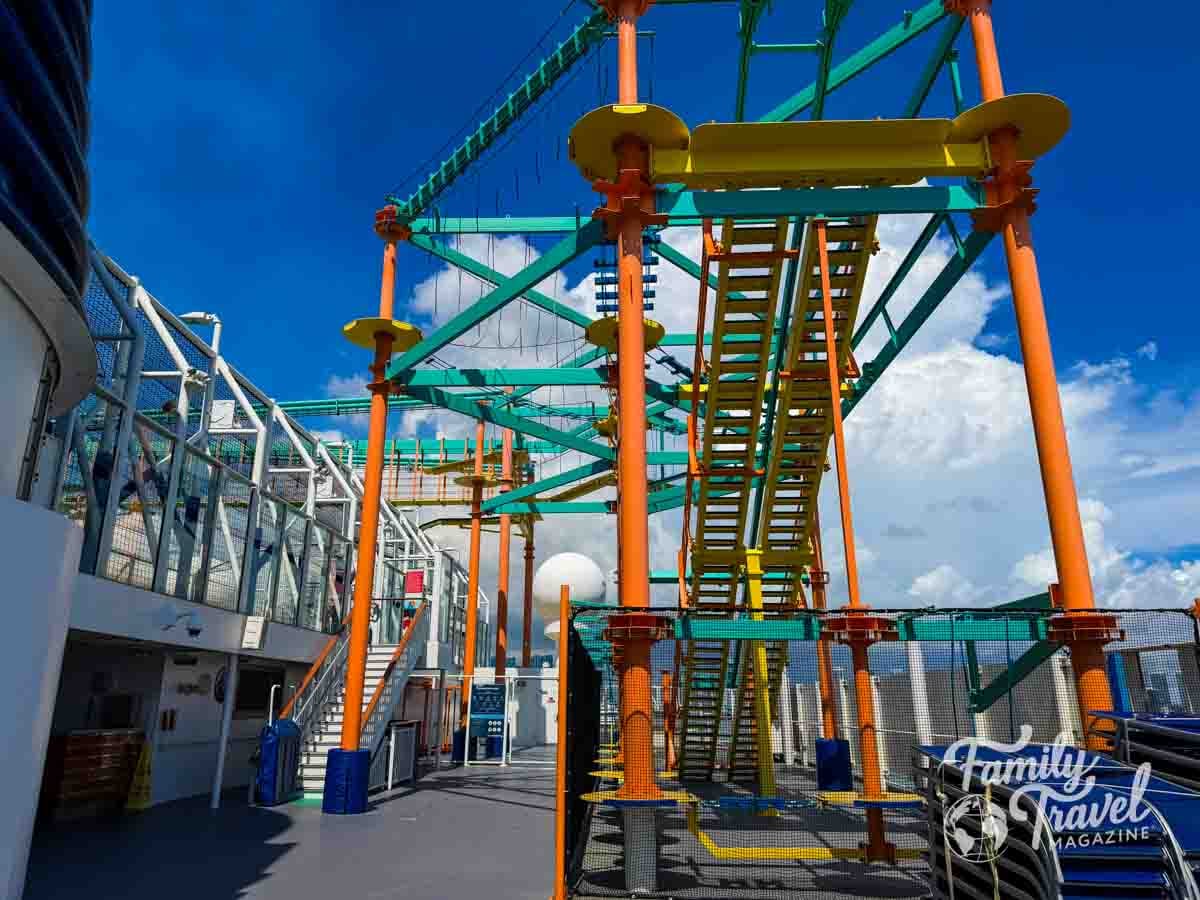
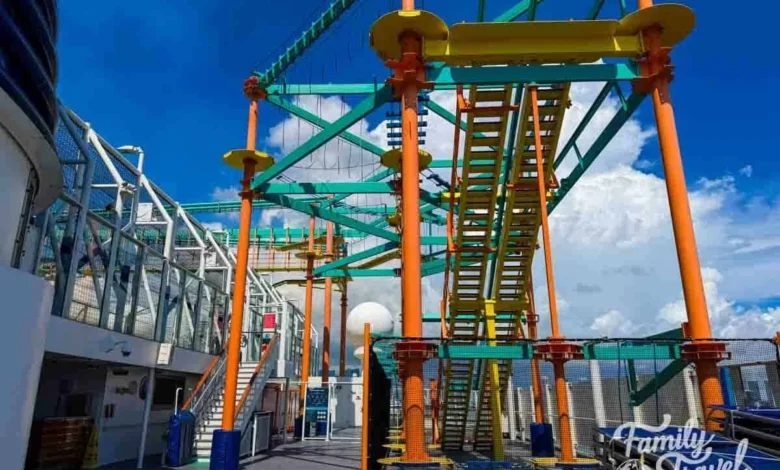
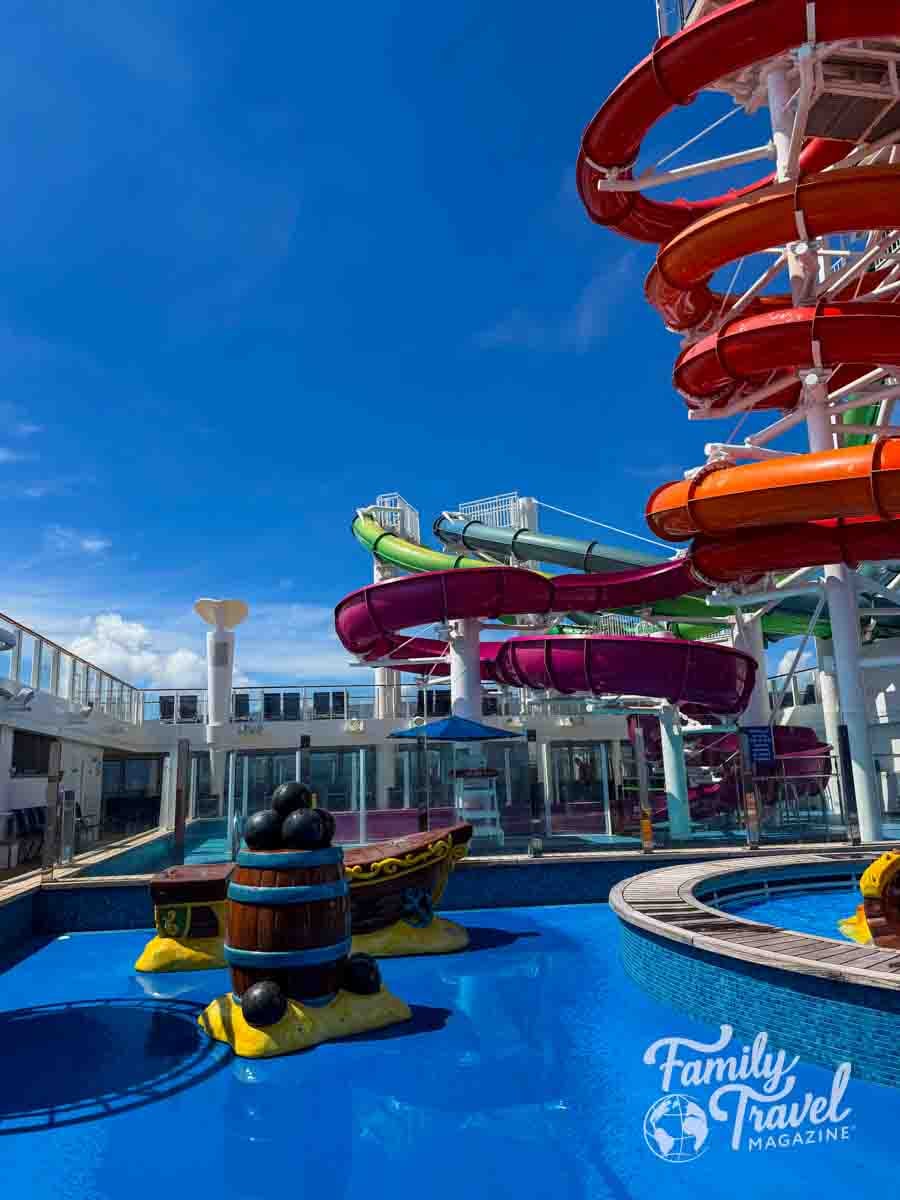
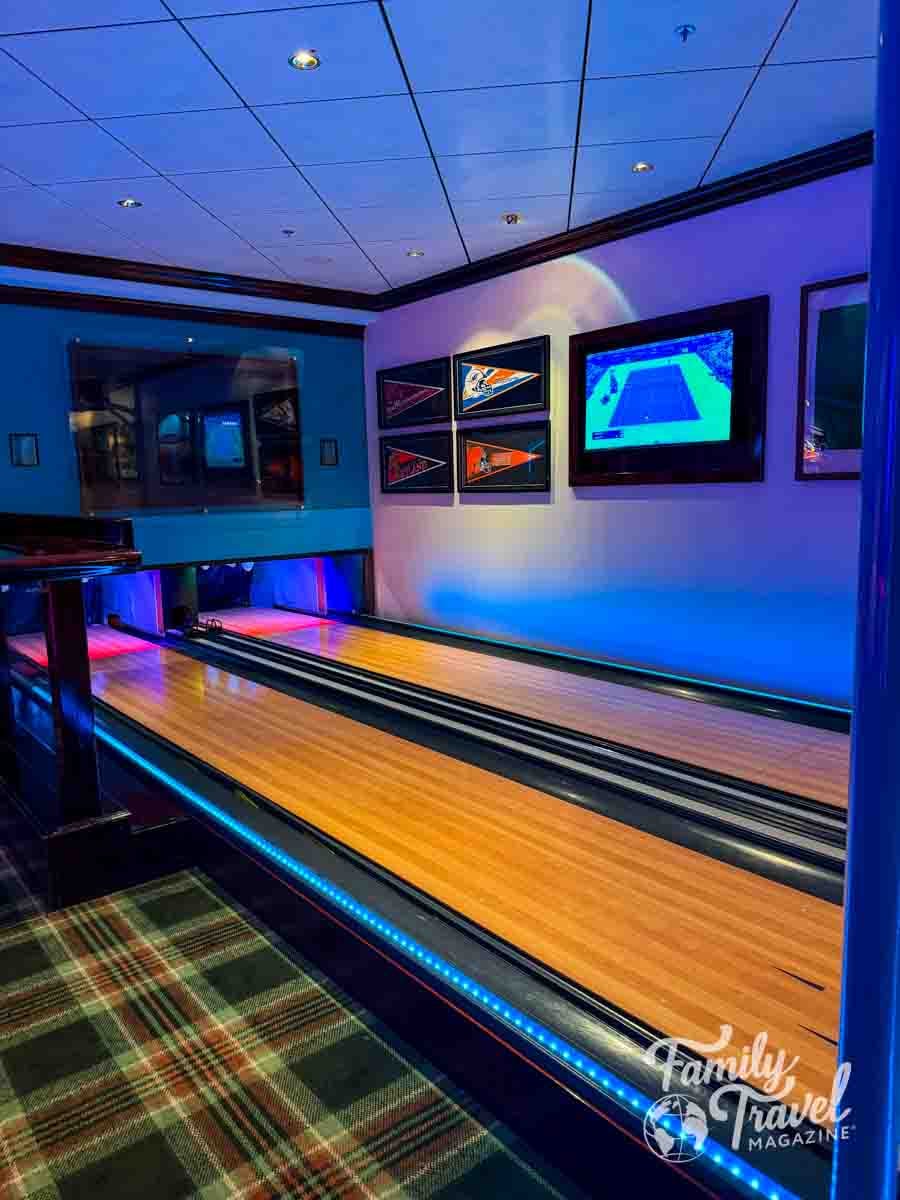
However, maritime experts emphasize that amenities across the NCL fleet are not uniform. While overarching corporate frameworks—such as the "Free At Sea" promotional bundling and "Freestyle Dining" concepts—remain consistent, the physical features onboard vary significantly by vessel class. For instance, the Norwegian Getaway features high-capacity multi-level ropes courses, expansive aqua parks with multi-colored water slides, and dedicated bowling alleys, whereas older or smaller ships within the fleet may offer scaled-down recreational infrastructure. Consequently, prospective travelers are strongly advised to audit the specific deck plans and amenity lists of their chosen ship prior to booking.
Chronology of NCL’s Fleet Evolution and Youth Programming Infrastructure
The structured integration of children’s programming on NCL vessels has evolved significantly over the past two decades to meet the rising expectations of millennial parents and multi-generational travel groups. The line’s structured youth facilities are partitioned systematically by age brackets to ensure age-appropriate supervision and engagement.
For infants and toddlers aged six months to three years, NCL offers the "Guppies" program. Unlike traditional drop-off kids’ clubs, Guppies operates as an open-play environment where parents or guardians must actively supervise their children. Designed to assist toddlers in burning energy through sensory exploration and age-appropriate toys, the space serves as a community hub for families with very young children, though it does not function as a childcare service.
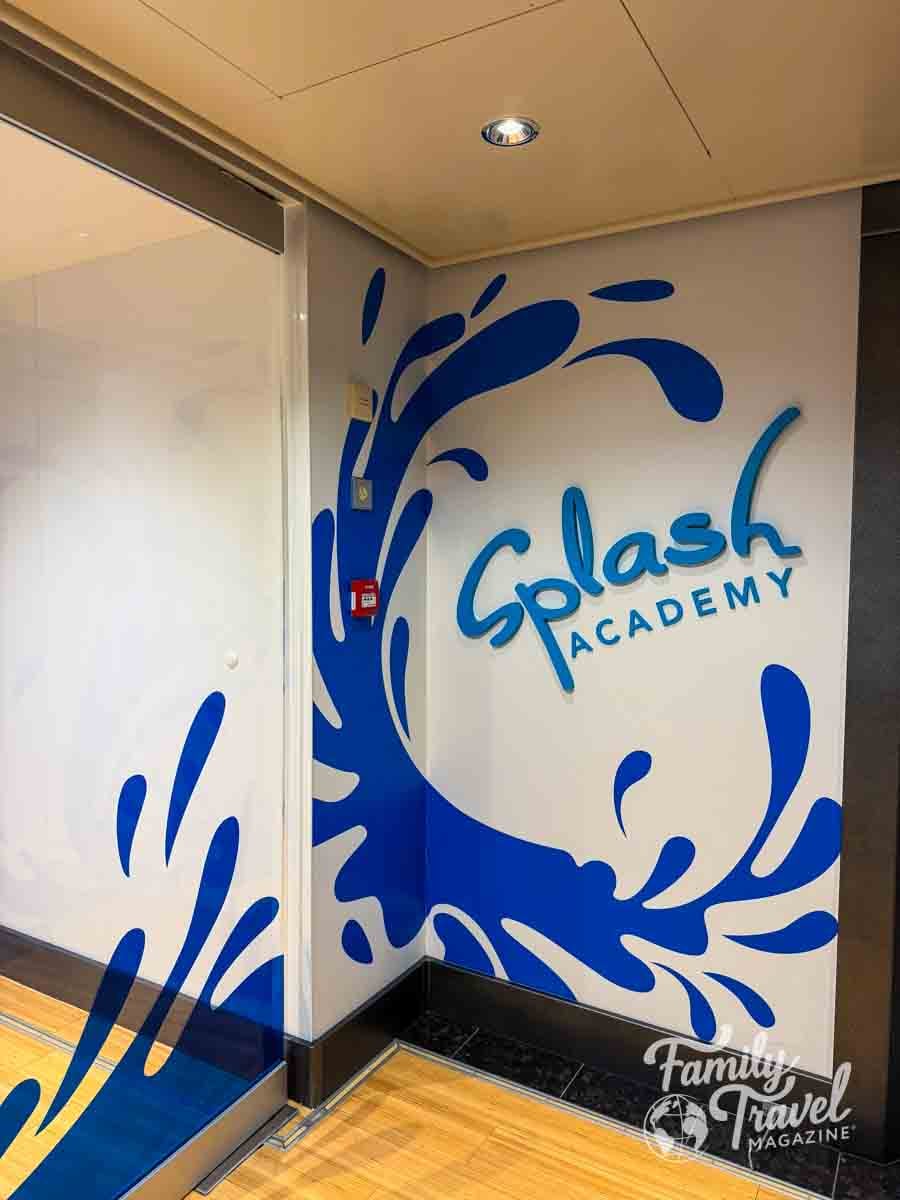
For children aged three to twelve who are fully potty-trained, the line administers "Splash Academy." This supervised drop-off program features a blend of scheduled and unstructured activities, ranging from arts and crafts to sports tournaments and interactive gaming sessions. Parents seeking evening flexibility can utilize the "Late Night Fun Zone," operating from 10:00 p.m. to midnight for an additional fee, though pre-registration is heavily recommended due to strict capacity limits.
Teens aged thirteen to seventeen are directed to "Entourage," a dedicated youth lounge free from adult intrusion. The space is equipped with modern video game consoles, interactive media stations, karaoke setups, and a designated dance floor, providing a social environment tailored to adolescent preferences. Registration across all youth tiers is streamlined through a digital check-in portal completed at the start of the voyage, though physical capacity restrictions remain strictly enforced by youth staff.
Revolutionizing Onboard Dining: The Impact of Freestyle Cruising
One of the most defining operational characteristics of Norwegian Cruise Line is its signature "Freestyle Dining" model, which fundamentally departs from traditional cruise dining formats. Historically, mainstream cruise lines assigned guests to specific dining rooms, fixed seating arrangements, and rigid dining times—typically categorized into early and late seatings. NCL’s model eliminates assigned dining times and pre-set tables, allowing passengers to dine at any of the complimentary main dining rooms, casual eateries, or the main buffet whenever they choose during operational hours.
This flexibility is regarded by family travel specialists as a major operational advantage. Families traveling with children—whose schedules, nap times, and hunger cues can be unpredictable—benefit immensely from the ability to adjust their evening routines dynamically. Furthermore, the fleet offers a wide array of specialty restaurants featuring international cuisines. While specialty venues typically carry a cover charge, promotional packages such as NCL’s Free At Sea often include discounted or complimentary dining credits, broadening the culinary options available to larger family groups.
Accommodations and Stateroom Configurations for Families
Selecting the appropriate stateroom is a critical financial and logistical decision for families booking an NCL voyage. The line offers specialized family balcony staterooms designed to sleep up to four guests. These cabins are strategically located in close proximity to primary family-centric zones, such as the main pool decks and youth club facilities, minimizing transit time across the vessel. Family staterooms typically feature convertible sofa beds and enhanced spatial layouts to accommodate luggage and strollers.
For larger families or those prioritizing privacy, multi-room suites and accommodations within "The Haven"—an exclusive, keycard-access enclave located at the top of select ships—provide elevated service, private courtyards, and dedicated pools. Conversely, some families opt to book two connecting standard staterooms. While this option increases overall expenditure, it resolves the perennial family vacation bottleneck by providing an additional bathroom and significantly more square footage.
Financial Considerations and Potential Drawbacks
Despite its robust family offerings, industry analysts note several potential drawbacks and cost factors that travelers should consider. The upfront pricing for Norwegian cruises can occasionally outpace competitors when factoring in mandatory service charges, gratuities, and the cost of specialty dining or beverage packages, though promotional structures like Free At Sea help offset these expenses.
Another notable limitation is the absence of comprehensive infant and toddler childcare. Because the Guppies program requires parental supervision, parents seeking adults-only excursions or evening dates must rely on the limited Late Night Fun Zone hours for older children, as in-cabin babysitting is generally not available across the fleet.
Additionally, like all major cruise lines, NCL vessels experience maximum capacity constraints during peak holiday periods, school breaks, and summer months. During these high-volume sailings, public spaces, pools, and youth clubs operate at peak capacity, which may impact the overall guest experience for families seeking a more relaxed environment.
Broader Industry Implications and Final Expert Assessment
The continued refinement of family-oriented infrastructure by Norwegian Cruise Line reflects a broader shift within the multi-billion-dollar cruise industry. As multi-generational travel—defined by grandparents, parents, and children vacationing together—continues to represent one of the fastest-growing sectors in tourism, cruise operators must design hardware and software capable of satisfying radically divergent demographic needs simultaneously.
By pairing infrastructural innovations like ropes courses and waterparks with flexible operational policies such as Freestyle Dining, NCL has successfully positioned itself as a major contender in the family cruise market. While minor operational limitations regarding infant care and peak-season crowding persist, industry consensus remains that Norwegian offers a highly adaptable, engaging, and well-structured vacation product for families seeking both shared experiences and independent relaxation on the high seas.