Discovering the Ultimate 48 Hours in Athens: A Comprehensive Guide to Ancient Wonders and Modern Culture

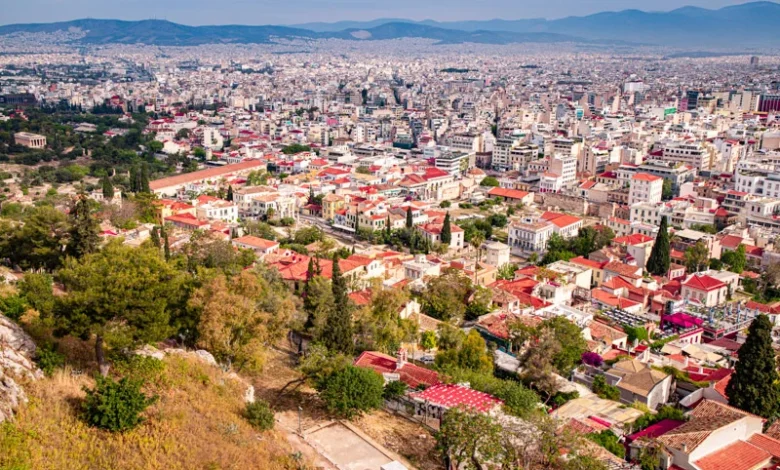
ATHENS — Long regarded primarily as a transit hub for travelers bound for the idyllic Greek islands, the historic capital of Athens has undergone a profound urban and cultural renaissance. For decades, international visitors frequently bypassed the city, often citing dust, congestion, and a lack of aesthetic appeal. However, recent urban regeneration initiatives, combined with a growing appreciation for its dynamic neighborhoods, have transformed Athens into a premier European destination in its own right. Boasting a continuous recorded history spanning over 5,000 years, the city uniquely bridges the ancient foundations of Western civilization with a vibrant, contemporary lifestyle defined by culinary innovation, thriving arts districts, and a bustling social fabric.

Historical Context and Urban Evolution
As the birthplace of democracy, philosophy, and classical architecture, Athens holds a singular position in global heritage. Named in antiquity after Athena, the goddess of wisdom and strategic warfare, the city became the intellectual epicentre where figures such as Plato, Socrates, and Aristotle shaped human thought.

Urban planning in modern Athens reflects this deep layering of time. Beneath the sprawling contemporary metropolis lie extensive archaeological strata containing remains from classical Greece, the Roman occupation, the Byzantine Empire, and the Ottoman era. Over the past decade, municipal authorities have prioritized pedestrianization projects, notably linking major archaeological sites via the Grand Walk promenade. This infrastructure improvement has significantly enhanced accessibility, allowing visitors to navigate the historical triangle—encompassing the Acropolis, the Ancient Agora, the Roman Agora, and Hadrian’s Library—with unprecedented ease.

Chronological Itinerary: Maximizing 48 Hours in the Capital
Day One: Tracing Antiquity and Architectural Marvels
A successful 48-hour itinerary demands strategic time management, prioritizing efficient movement between concentrated historical zones.

- The Acropolis (08:00): Commencing the day at the 8:00 AM opening time is crucial to mitigate congestion and rising temperatures. Perched upon a commanding rocky limestone outcrop, the Acropolis citadel houses monumental structures dating back to the 5th century BCE. Visitors encounter the Parthenon, the Erechtheion—noted for its porch of the Caryatids—and the Temple of Athena Nike. While restoration scaffolding remains a permanent fixture due to ongoing preservation efforts, the panoramic vistas of the sprawling urban basin below remain peerless.
- Areopagus Hill: Located immediately opposite the western access gates of the Acropolis, this rugged marble outcropping served as the meeting place for the ancient Supreme Council and the site of historical homicide trials. Known also as Mars Hill, it offers striking vantage points overlooking the Ancient Agora.
- The Roman Agora and Hadrian’s Library: Descending toward the edge of the Plaka district, travelers encounter the Roman Agora, established between 19 and 11 BCE, and the monumental ruins of Hadrian’s Library, once the largest literary repository in the city. Architectural historians note that exterior viewing points often suffice for travelers on tight schedules, though interior access reveals intricate Byzantine church foundations embedded within the classical ruins.
- The Ancient Agora: Widely considered by visitors to be a more tranquil and immersive archaeological park than the Acropolis, the Ancient Agora served as the civic and commercial heart of classical Athens. The site features the remarkably preserved Temple of Hephaestus, the reconstructed Stoa of Attalos (housing the Agora Museum), and the 10th-century Church of the Holy Apostles.
- Afternoon in Psirri: Transitioning from antiquity to contemporary commerce, travelers typically break for midday dining in Psirri. Historically an industrial quarter, Psirri has evolved into an artistic hub characterized by street art, boutique galleries, specialty cafes, and traditional tavernas.
- Evening Culture and Culinary Traditions: Concluding the first day involves exploring Monastiraki Square, viewing the Byzantine Church of Panaghia Kapnikarea, and experiencing the historic Bretto’s Bar. Established in 1909, the city’s oldest distillery preserves 19th-century recipes for local spirits, including ouzo and brandy, served against a backdrop of illuminated apothecary shelving.
Day Two: Museums, Civic Spaces, and Panoramic Views
- The New Acropolis Museum: Opened in 2009 at the foot of the citadel, this architectural marvel was designed by Bernard Tschumi and Michalis Photiadis. It houses nearly 4,000 artifacts recovered from the Acropolis slopes. Excavations visible through glass structural flooring expose an ancient neighborhood featuring early residential bathhouses and drainage systems. The top-floor Parthenon Gallery mirrors the dimensions of the ancient temple frieze, displaying surviving marbles alongside plaster casts of pieces housed abroad.
- The Temple of Olympian Zeus and Hadrian’s Arch: Spanning the transition between the ancient city and Roman expansions, the colossal Temple of Olympian Zeus—construction of which commenced in the 6th century BCE but remained unfinished for centuries—stands alongside the 18-meter marble Arch of Hadrian.
- The National Garden and Presidential Precincts: Designed in 1839 by order of Queen Amalia, this 15.5-hectare public oasis offers relief from the urban density. Adjacent to Syntagma Square, visitors frequently observe the traditional Changing of the Guards ceremony performed by the Evzones at the Tomb of the Unknown Soldier outside the Hellenic Parliament.
- Aristotle’s Lyceum: Situated slightly off the typical tourist path, the archaeological site of the Peripatetic School, founded by Aristotle around 330 BCE, offers a contemplative environment where the philosopher historically lectured while walking with his students.
- Mount Lycabettus: Concluding the 48-hour journey at the highest geographical point in Athens provides 360-degree sunset panoramas across the Attica basin toward the Saronic Gulf. Accessible via footpaths or a funicular railway, the summit features the whitewashed chapel of Saint George.
Tourism Economics and Infrastructure Data
According to recent data from the Greek Ministry of Tourism and international aviation authorities, Athens has experienced a continuous rise in year-round visitation. Passenger traffic through Athens International Airport surpassed pre-pandemic benchmarks, driven significantly by cultural tourism, digital nomad integration, and expanded conference hosting.

Industry analysts attribute this growth to strategic enhancements in digital ticketing systems for archaeological sites, increased direct long-haul flight routes, and aggressive promotional campaigns by the Greek National Tourism Organization (GNTO). Furthermore, average length of stay metrics for Athens have increased from a historical 1.4 days to over 2.5 days, indicating a successful shift in traveler behavior from viewing the capital merely as a transit port to recognizing it as an essential destination.

Safety, Logistics, and Practical Guidance
Athens maintains a robust public safety profile, particularly within major tourist zones such as Plaka, Monastiraki, Syntagma, and the Acropolis perimeter. Local law enforcement maintains high visibility through specialized tourism police units. However, international travel advisories routinely caution visitors regarding petty theft and pickpocketing in crowded transport nodes, echoing standard precautions required in major European capitals.

Public transportation infrastructure—encompassing the Metro, tram network, and suburban rail—offers cost-effective connectivity, though the historic city center remains exceptionally pedestrian-friendly. Navigating the cobblestone pathways of Plaka and the slopes of the Acropolis requires durable footwear, while peak summer temperatures necessitate sun protection and adequate hydration.

Conclusion
The transformation of Athens from a historically undervalued transit stop into a vibrant cultural capital highlights the enduring appeal of classical heritage paired with contemporary dynamism. By balancing the preservation of world-class antiquities with a thriving culinary, artistic, and social scene, Athens offers a multifaceted travel experience that rewards both first-time visitors and seasoned explorers alike.